What a Bernese Mountain Dog Will Actually Work For
If you’ve ever found yourself with a magnificent Bernese Mountain Dog, treat in hand, only to have them gaze back with an expression that says, "Is this really worth the effort?", you're not alone. It can be incredibly frustrating to feel like you're speaking a different language when it comes to motivation. This guide is here to help you bridge that gap, exploring the unique ways to inspire and engage your Berner, tapping into what truly makes them tick beyond just a simple command or a generic reward.
Understanding the Bernese Mountain Dog's Drive (or Lack Thereof, Sometimes!)
Bernese Mountain Dogs are famously gentle, affectionate, and undeniably beautiful. But when it comes to training, their sheer size combined with a sometimes-selective hearing can lead to questions about what truly motivates them. It's easy to assume that a "working breed" should always be eager to please, but a Berner's definition of "work" might be a little different from what you expect.
Their History as Working Dogs (and What It Means Today)
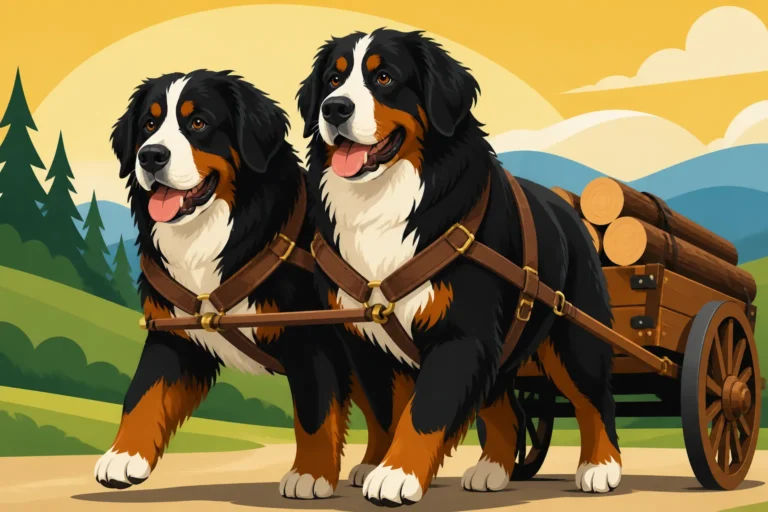
Bernese Mountain Dogs originated in the Swiss Alps, where they were indispensable farm companions. Their jobs included driving cattle, guarding farmsteads, and most famously, pulling carts laden with milk, cheese, or other goods to market. This history paints a picture of a dog that is strong, capable, and reliable. However, it's crucial to understand the nature of their original work. It wasn't about high-octane agility or intricate obedience routines. It was about steady, purposeful, and often independent tasks that required strength and a calm demeanor rather than constant, enthusiastic engagement.
In modern times, this heritage often translates into a dog that appreciates having a "job" but might not have the inherent, relentless drive of, say, a herding dog. They're thinkers, sometimes deliberate, and occasionally possess a charming stubbornness. If you’re used to breeds that live to retrieve or constantly seek instruction, a Berner’s sometimes laid-back approach can be a real head-scratcher. It’s not that they’re unwilling; it’s that they need a compelling reason, or "why," to exert effort, and that "why" often ties back to their connection with you and tasks that feel meaningful to them.
The "Soft" Nature: Why Harsh Corrections Don't Work
One of the most important aspects of training a Bernese Mountain Dog is understanding their incredibly sensitive and "soft" nature. These are not dogs that respond well to harsh words, yelling, or physical corrections. In fact, such approaches are far more likely to cause them to shut down completely, become fearful, or even resistant. A Berner who feels unfairly corrected might retreat emotionally, refusing to engage further, or giving you the classic "Berner sulk." It’s a very real phenomenon many owners experience. The Bernese Mountain Dog That Sulks After a Telling Off
Instead, building a strong, trusting bond through positive reinforcement is paramount. They thrive on clear communication, consistency, and a sense of partnership. Think about it from their perspective: if every interaction carries the risk of a harsh reprimand, why would they willingly offer behaviors? Their earnest desire to be close to their people means that positive, affirming interactions are far more effective at motivating them to cooperate and learn. Your goal should be to make training a fun, rewarding experience, not a chore they endure.
Beyond the Cookie: Uncovering High-Value Rewards
While a tasty treat certainly has its place, it’s a mistake to think that every Bernese Mountain Dog is solely motivated by food. For these deeply relational dogs, other forms of reward can be just as, if not more, powerful. It's all about figuring out your individual Berner's preferences and diversifying your reward strategy.
The Power of Praise and Affection
For many Berners, genuine praise and heartfelt affection are incredibly high-value rewards. These are dogs bred to be close companions, and they often crave human connection. A happy, encouraging tone of voice, a gentle scratch behind the ears, a long stroke down their strong back, or a loving belly rub can communicate your approval far more effectively than a thousand treats. Observing your Berner’s body language will tell you what kind of affection they appreciate most. Some might melt into your lap for a cuddle, while others prefer a more robust pat.
Think about how your Berner naturally interacts with you. Many Bernese Mountain Dogs are known for their characteristic "lean," pressing their heavy bodies against your legs as a sign of comfort and affection. The Bernese Mountain Dog That Leans on Everyone Leaning into their desire for physical closeness can turn praise into a powerful motivational tool. When they successfully perform a behavior, combine verbal praise ("Good dog!") with a moment of cherished physical contact. This reinforces the bond and tells them they’ve done exactly what you wanted, solidifying their trust and willingness to work with you.
Play as a Motivator: What Kind of Play Ignites a Berner?
Not every Bernese Mountain Dog is going to be a tireless retriever, chasing a ball until they drop. While some certainly enjoy a good game of fetch, many Berners prefer more interactive, less strenuous forms of play. For them, play is often another opportunity for connection and engagement with their human. Tug-of-war, with appropriate rules (like "drop it" on command), can be a fantastic outlet for their natural strength and a high-value reward for good behavior.
Scent games, where they use their excellent noses to find hidden treats or toys, can also be incredibly engaging. These activities tap into their natural instincts and provide mental stimulation without over-exerting their joints. Investing in durable, high-quality toys that can withstand a large dog's jaws is key. Platforms like Amazon offer a wide array of options, from tough rubber chew toys to puzzle feeders, which can be great for both play and mental enrichment. The goal is to make play a fun, interactive experience that deepens your bond and allows them to expend energy in a way that feels natural and enjoyable to them.
The Role of Food: It's Not Just About Quantity
While food shouldn't be your only motivator, it's undeniably a powerful tool, especially for teaching new behaviors or working in distracting environments. The trick is to understand that not all food is created equal in your Berner's eyes.
High-Value Treats: Quality Over Quantity
For many Bernese Mountain Dogs, the allure of a reward isn't just about getting something edible; it's about getting something special. Everyday kibble might work for routine commands in a quiet living room, but if you're trying to teach a complex behavior, work in a busy park, or overcome a particularly stubborn moment, you'll need to pull out the "big guns." Think high-value treats: small pieces of cooked chicken, cheese, hot dogs, or commercially prepared soft, smelly treats. These are the equivalent of a gourmet meal compared to their regular dinner.
The key is to use these high-value treats strategically. Reserve them for moments when you need maximum engagement or when your Berner is pushing their comfort zone. This makes the treat truly exciting and worth working for. Whether a Bernese Mountain Dog Works for Food You'll often find that small, pea-sized pieces are enough. The goal is a quick reward that can be eaten instantly, allowing you to continue the training session without interruption, rather than a large chew that takes time to consume.
Novelty and Variety: Keeping Food Exciting
Imagine eating the same meal, day in and day out, for your entire life. While dogs don't necessarily get "bored" in the human sense, introducing variety in their treat repertoire can certainly boost their motivation. Rotating through a few different types of high-value treats can keep them guessing and make training sessions more engaging. One week it might be cheese, the next week small pieces of liverwurst. This prevents them from becoming desensitized to a particular treat.
You can also use parts of their regular meal as training rewards. If your Berner eats kibble, set aside a portion of their daily allowance to use during short training sessions. This helps manage their weight, especially for a large breed prone to joint issues, and ensures they're still working for their food. Puzzle feeders or slow feeder bowls, widely available on platforms like Amazon, can also turn mealtime into a mental exercise, making the act of eating itself more rewarding and engaging.
Activity-Based Rewards: Tapping into Their Instincts
Beyond treats and praise, Bernese Mountain Dogs often find immense satisfaction in activities that align with their natural inclinations or provide mental and physical enrichment. Offering these opportunities as rewards can be incredibly effective.
The Joy of a "Job": Draft Work and Canine Sports
For a breed like the Bernese Mountain Dog, whose ancestors were working farm dogs, having a "job" can be a deeply fulfilling motivator. Draft work, or carting, is a wonderful way to honor their heritage and engage them physically and mentally. Teaching your Berner to pull a cart, even a lightweight one, can provide a sense of purpose and release pent-up energy in a constructive way. Seeing the pride in a Berner who is happily pulling a cart, fulfilling a task, is truly something special. What a Draft Test Asks of a Bernese Mountain Dog It's not just about the physical exertion; it's about the partnership and the mental focus required.
Other low-impact canine sports or activities can also serve as powerful motivators. Scent work, where they use their powerful noses to locate specific odors, is mentally stimulating and less taxing on their joints than high-impact activities. Many Berners also excel as therapy dogs, finding deep satisfaction in providing comfort to others. Therapy Work With a Bernese Mountain Dog The opportunity to engage in these types of meaningful activities can be a reward in itself, fostering a well-rounded and content companion.
Environmental Rewards: Walks, Sniffs, and Exploration
Sometimes, the best reward isn't a treat at all, but access to something they inherently enjoy in their environment. For many Bernese Mountain Dogs, this means a chance to explore, sniff, and experience the world around them. A walk in a new park, a leisurely stroll through their favorite trail, or simply the opportunity to sniff every interesting scent on the neighborhood lamppost can be a huge motivator.
You can use these "environmental rewards" to reinforce good behavior. For example, if your Berner waits patiently at the door before going out, the reward is getting to go on the walk. If they hold a "stay" cue for a certain duration, their reward might be a release to explore a particularly interesting patch of grass. These are natural life rewards that leverage their innate curiosity and love for outdoor experiences. It's about letting them earn the things they already desire, making good choices inherently more rewarding.
Building a Relationship: The Ultimate Motivator
At the heart of what a Bernese Mountain Dog will truly work for lies the strength of the relationship they have with their human. More than any treat or toy, their desire to connect and be a part of your life is the most profound motivator.
Consistency and Clear Communication
Bernese Mountain Dogs, like all dogs, thrive on consistency and clear communication. They need to understand what you expect from them, and that requires you to be predictable in your cues and reactions. If a "sit" means one thing today and something else tomorrow, or if you sometimes allow jumping and sometimes reprimand it, your Berner will quickly become confused and less likely to offer the desired behavior. Consistency builds trust and makes the learning process much smoother.
Using simple, consistent cues, and always following through with your chosen reward (whether it's a treat, praise, or a game), helps your Berner understand the cause-and-effect of their actions. Think of it as creating a common language. Online training resources, such as those from BAXTER & Bella, often emphasize these principles, providing structured programs that help owners establish clear communication patterns and consistent expectations, which is especially helpful for a sensitive breed like the Berner. This clarity reduces frustration for both of you and empowers your Berner to make the right choices.
Patience and Empathy: Understanding Their Pace
One of the greatest gifts you can give your Bernese Mountain Dog is patience. These magnificent dogs are not always the quickest learners, nor do they always respond with lightning speed. They are deliberate, sometimes a little stubborn, and often need time to process what you're asking. Rushing them or getting frustrated will only set you back. Remember, they often stay puppies in mind and spirit longer than many other breeds. The Bernese Mountain Dog Adolescent Stage
Empathy means understanding that your Berner is an individual with their own personality, fears, and preferences. Some Berners might be more food-motivated, while others live for a good play session. Some might be naturally confident, while others are more reserved and need gentle encouragement. Whether a Bernese Mountain Dog Learns Slowly Adjust your training methods and rewards to suit your dog. Keep training sessions short and positive to prevent mental fatigue and maintain their enthusiasm. Training Sessions Short Enough for a Bernese Mountain Dog Celebrate small victories and build on them gradually. This patient, empathetic approach not only fosters better behavior but also strengthens the incredible bond you share, making them want to work with you because they enjoy the interaction and trust you implicitly.
Here's a quick overview of potential motivators for your Bernese Mountain Dog:
| Motivator Type | Examples for Berners | When to Use It | Considerations |
|---|---|---|---|
| Food | Cooked chicken, cheese, hot dogs, soft commercial treats | New behaviors, high-distraction environments, quick rewards | Use high-value, varied treats; manage calorie intake; Whether a Bernese Mountain Dog Works for Food |
| Affection | Verbal praise, belly rubs, ear scratches, cuddles, gentle pats | Everyday reinforcement, maintaining bond, calm behaviors | Tailor to individual dog's preference; combine with other rewards |
| Play | Tug-of-war (with rules), scent games, gentle chasing, puzzle toys | Energy release, mental stimulation, bond-building | Use durable toys; ensure play is interactive and enjoyable for them |
| Activity/Job | Draft work, therapy visits, scent work, hiking new trails | Fulfilling natural instincts, mental & physical exercise, purpose | Start gradually; ensure activities are joint-friendly; What a Draft Test Asks of a Bernese Mountain Dog |
| Environmental | Access to a favorite walking spot, sniffing opportunities, meeting a calm dog friend | Reinforcing specific cues (e.g., waiting at door), life rewards | Leverage their natural desires; ensure safety and positive experience |
Disclaimer
This article is for general informational purposes only and does not constitute professional advice. Laws, prices and regulations vary by location and change over time. Consult a qualified professional for guidance on your specific situation.