Whether Routine Care Plans Suit a Bernese Mountain Dog
It’s a common frustration: you want to do everything right for your beloved Bernese Mountain Dog, especially when it comes to their health, but those veterinary bills can really add up, making it feel impossible to budget for preventative care. This comprehensive guide will help you understand what routine veterinary care plans are, whether they genuinely suit the specific needs of a Bernese Mountain Dog, and how to determine if enrolling your furry family member in one makes financial sense for your household.
Understanding Routine Care Plans – What Are They, Really?
Navigating the world of pet health costs can feel like deciphering a secret code, with terms like "insurance" and "wellness plans" often used interchangeably, even though they cover very different aspects of your dog's care. For Bernese Mountain Dog owners, understanding this distinction is crucial, given the breed's unique health profile and lifespan considerations.
The Basics of Wellness Plans vs. Insurance
At its heart, a routine care plan—often called a wellness plan or preventative care plan—is designed to help you manage the predictable, everyday costs of keeping your Bernese Mountain Dog healthy. Think of it as a budget-friendly way to cover things you know your dog will need over the year: vaccinations, routine deworming, annual physical exams, and perhaps some basic diagnostics like fecal tests or heartworm screenings. These plans typically involve a monthly fee, and in return, you get a set number of covered services or discounts on others. They aim to encourage proactive care, ensuring your Bernese Mountain Dog gets the regular check-ups that can catch small issues before they become big, expensive problems.
On the flip side, traditional pet insurance, such as what you might find from providers like Healthy Paws, is fundamentally different. While wellness plans focus on expected, routine costs, pet insurance is there for the unexpected and often catastrophic events. We're talking about accidents like getting hit by a car, sudden illnesses like a severe infection, or long-term conditions such as cancer or hip dysplasia—sadly, issues that Bernese Mountain Dogs are particularly prone to. Pet insurance helps cover a percentage of these much larger, often unpredictable bills, typically after you've met a deductible. It's not about the yearly vaccines; it's about protecting you from a five-figure surgical bill that could appear out of nowhere. Many owners struggle to differentiate these, but for a breed with specific, often costly, health challenges, knowing the difference can save you a world of financial stress.
Why Bernese Mountain Dog Owners Consider These Plans
Bernese Mountain Dogs are magnificent, but their journey through life, from a boisterous puppy to a beloved senior, comes with distinct health considerations. Their rapid growth as puppies, often reaching over 100 pounds in their first year, demands meticulous care to ensure proper bone and joint development. This often means multiple vet visits for puppy shots, parasite prevention, and discussions about appropriate nutrition to support healthy growth without overstressing their developing skeletal system. For many new Berner owners, the sheer volume of initial vet appointments can be overwhelming, both logistically and financially.
As they mature, Bernese Mountain Dogs are unfortunately predisposed to certain health issues, including various cancers, hip and elbow dysplasia, and bloat. While routine care plans won't cover treatment for these serious conditions, they do cover the preventative measures and early detection screenings that are vital. An annual check-up, included in most plans, is an opportunity for your vet to perform a thorough physical exam, palpate for unusual lumps, listen to the heart, and generally keep a close eye on your dog's overall well-being. This proactive approach is particularly appealing to Bernese Mountain Dog owners who are keenly aware of the breed's shorter lifespan and the importance of maximizing their quality of life for every precious year. Knowing that basic preventative care is budgeted for can offer a significant amount of peace of mind. You can read more about The Bernese Mountain Dog Health Panel to get a better sense of what's involved in routine screening.
The Pros and Cons for Your Bernese Mountain Dog
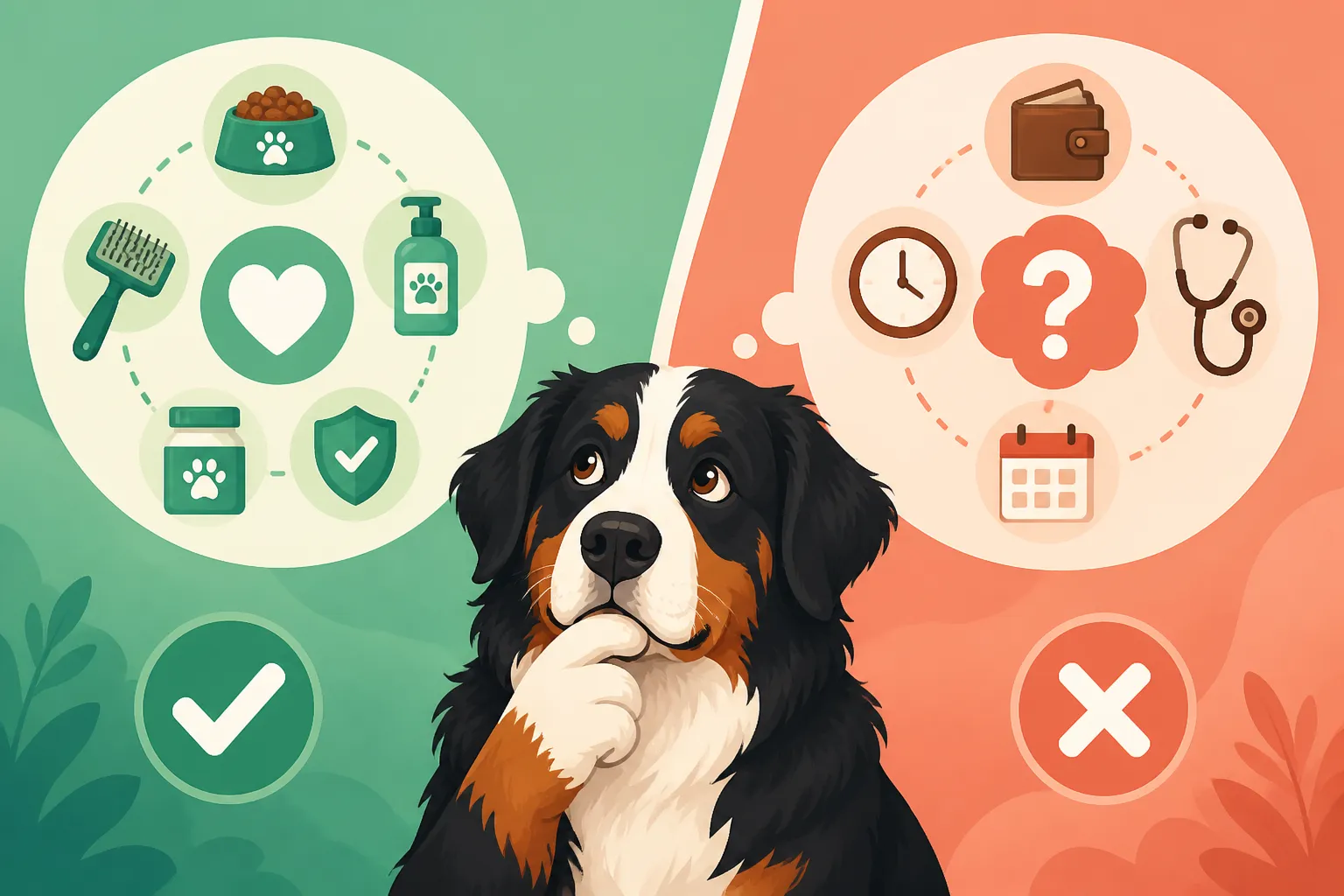
Deciding whether a routine care plan is right for your Bernese Mountain Dog involves weighing the benefits of predictability against the potential financial downsides and limitations. There's no one-size-fits-all answer, especially for a breed with such specific health needs and a tendency for unexpected, costly issues down the line.
The Benefits: Predictability and Preventative Focus
One of the biggest advantages of a routine care plan is the way it streamlines budgeting for expected vet visits. Instead of facing a hefty bill once or twice a year for vaccinations, heartworm tests, and a general check-up, you pay a manageable monthly fee. This predictability can be a huge relief, especially for those managing household finances closely. For a large breed like the Bernese Mountain Dog, even routine medications or preventative treatments can be more expensive due to their size, so spreading out these costs can be very helpful.
Beyond the financial aspect, these plans actively encourage preventative care. Having a plan in place often means you're more likely to take your Bernese Mountain Dog for their annual physicals, knowing that a significant portion of the visit is already covered. This regular veterinary oversight is invaluable. For a breed known for issues like The Cancer That Kills Half of All Bernese Mountain Dogs or Joint Disease in a Hundred Pound Bernese Mountain Dog, consistent check-ups allow your veterinarian to establish baseline health, monitor for subtle changes, and potentially catch emerging problems at their earliest, most treatable stages. Early detection, whether it's a new lump or a slight change in gait, can make a world of difference in prognosis and treatment options. The peace of mind that comes from knowing you’re consistently providing essential care, and doing so within a predictable budget, is a significant draw for many Bernese Mountain Dog owners.
The Downsides: Cost vs. Actual Usage and Exclusions
While the idea of predictable costs for routine care sounds fantastic, it’s essential to look closely at the details. One common drawback is the potential for overpaying. If your Bernese Mountain Dog happens to be exceptionally healthy during a particular year, or if you don't utilize every single service included in the plan, you might end up paying more in monthly fees than the actual cost of the services you receive. For example, if your plan covers three fecal tests a year but your dog only needs one, you've paid for services you didn't use. This is particularly true for adult Bernese Mountain Dogs who might have fewer intensive needs than a puppy.
Furthermore, routine care plans have very clear limitations and exclusions. They are not pet insurance. This means that if your Bernese Mountain Dog develops a serious condition like Histiocytic Sarcoma in a Bernese Mountain Dog, suffers an injury, or requires emergency surgery for something like Bloat in a Deep-Chested Bernese Mountain Dog, your routine care plan will not cover those expenses. These plans are purely for preventative care. Many owners mistakenly believe a wellness plan will cover everything, leading to heartbreaking financial surprises when a major illness strikes. It's crucial to understand that these plans are designed to help with the predictable costs, not the unpredictable, high-cost veterinary emergencies that breeds like the Bernese Mountain Dog can unfortunately face. To prepare for those, separate pet insurance is often recommended.
Is a Routine Care Plan a Good Fit for Your Bernese Mountain Dog?
The suitability of a routine care plan really boils down to your individual Bernese Mountain Dog's life stage, health status, and your personal financial preferences. What works for a boisterous puppy might not be the best solution for a dignified senior.
Factors to Consider: Age, Health, and Lifestyle
For Bernese Mountain Dog puppies, routine care plans can be particularly beneficial. The first year of a Berner's life is packed with veterinary visits: multiple rounds of vaccinations, frequent deworming, microchipping, and often spay/neuter surgery. Their rapid growth also requires close monitoring, often including discussions about appropriate large breed puppy food and exercise to prevent developmental orthopedic issues. A routine care plan can bundle many of these initial, high-frequency services into a predictable monthly payment, smoothing out those early financial bumps. Services like those offered by Ollie, which focuses on tailored nutrition, can complement this by ensuring your growing Bernese Mountain Dog is getting the right fuel for healthy development, though their food costs would be separate from a vet plan.
As your Bernese Mountain Dog enters adulthood, their needs shift. While annual check-ups and preventative medications remain essential, the intense schedule of puppyhood gives way to a more stable routine. For a healthy adult Berner, it's worth evaluating if the cost of the routine care plan truly offsets the actual cost of the services they'll use. If your vet visits are consistently limited to just an annual exam, a heartworm test, and perhaps a fecal exam, paying out-of-pocket might be more economical than a monthly plan fee. However, if your adult Bernese Mountain Dog has ongoing, minor issues that require more frequent basic visits or specific preventative treatments, a plan might still offer value.
For senior Bernese Mountain Dogs, typically those over six or seven years old, routine care plans often become less relevant. While senior dogs certainly need regular vet care—if anything, more frequent monitoring—their needs often extend beyond what a basic wellness plan covers. We're talking about more intensive diagnostics, pain management for arthritis, and screening for age-related illnesses. While an annual senior exam is crucial, the bulk of senior care costs typically fall into the realm of diagnostics and ongoing treatment for chronic conditions, which are covered by comprehensive pet insurance, not routine care plans. You can learn more about Screening an Older Bernese Mountain Dog to understand these expanded needs.
Crunching the Numbers: Self-Funding vs. Plan Costs
To truly determine if a routine care plan suits your Bernese Mountain Dog, you need to grab your calculator and do some homework. Start by asking your veterinarian for an itemized list of all the routine services they recommend for your specific dog over the course of a year, including their exact costs. This should include vaccinations, deworming, heartworm prevention, flea/tick prevention, annual exams, and any basic diagnostic tests like blood work that they recommend.
Once you have these numbers, compare them directly to the total annual cost of a routine care plan. Divide the plan's annual cost by 12 to see the monthly payment. Then, look at which specific services are covered at what percentage, or if they are "free" within the plan. Don't forget to account for any enrollment fees or deductibles that might apply to certain services within the plan.
Here's a simplified example of how you might compare:
| Service | Typical Out-of-Pocket Cost (Annual) | Routine Care Plan Coverage (Example) | Net Cost with Plan (Example) |
|---|---|---|---|
| Annual Exam | $80 | 100% Covered | $0 |
| DAPP Vaccine | $40 | 100% Covered | $0 |
| Rabies Vaccine | $30 | 100% Covered | $0 |
| Heartworm Test | $50 | 100% Covered | $0 |
| Fecal Exam | $45 | 100% Covered | $0 |
| Deworming (annual dose) | $35 | 100% Covered | $0 |
| Subtotal of Covered Services | $280 | $0 | |
| Microchipping (one-time) | $60 | 50% Discount (Save $30) | $30 |
| Dental Cleaning (discount) | $500 (avg.) | 10% Discount (Save $50) | $450 |
| Total Expected Annual Out-of-Pocket | $840 | Hypothetical Plan Cost: $30/month = $360/year | $480 |
| Total Savings/Loss with Plan | -$30 ($280 covered – $360 plan cost = -$80 for basic. If use discounts, $280 + $30 + $450 = $760 total cost. Plan: $360 + $30 + $450 = $840) | ||
| Actual Cash Savings from plan | $280 (fully covered items) | ||
| Plan Cost | $360 | ||
| Net difference | -$80 (You paid $80 more than services were worth) |
Disclaimer: These numbers are purely illustrative and will vary significantly by clinic and plan.
As you can see from this hypothetical table, if you only use the fully covered basic services, you might actually spend more on the plan than paying out-of-pocket. However, if you add in the discounted services, the numbers shift. The real value often comes from utilizing all the included services and discounts.
An alternative to a routine care plan is to self-fund. Consider setting up a dedicated savings account for your Bernese Mountain Dog's routine care and contributing to it monthly. This way, the money is always there for their check-ups, and if they have a particularly healthy year, you keep the extra funds. This self-funding approach can also be combined with an emergency fund for unexpected issues. Many Berner owners find that building a robust emergency fund is paramount, given the breed's propensity for sudden health crises. It might also be worth investigating options like Chewy Autoship for regular supplies, as consistent access to essentials contributes to overall well-being and might allow you to manage those costs separately from vet visits. Knowing How Much a Bernese Mountain Dog Emergency Fund Should Hold is a good baseline for starting this kind of self-funded system.
Making an Informed Decision for Your Berner's Well-being
Ultimately, the choice of whether a routine care plan suits your Bernese Mountain Dog is a personal one, but it should always be an informed decision, based on solid research and a clear understanding of your dog's needs and your financial capacity.
Reviewing Plan Details and Provider Options
Before signing up for any routine care plan, the most critical step is to pore over the fine print. Don't be afraid to ask your veterinary clinic for a comprehensive breakdown of what's included, what's excluded, any waiting periods, and how the billing works. Many veterinary clinics offer their own in-house wellness plans, which can sometimes be more tailored to the specific services they offer and the needs of their local clientele. Other plans might be offered through third-party providers.
Pay close attention to things like whether dental cleanings are included or simply discounted, and if so, what percentage. Check if all required vaccinations are covered or if there are limits. Understanding these nuances is essential to prevent any surprises down the line. Remember, these plans are for routine care only; they won't step in if your Bernese Mountain Dog needs emergency surgery. For serious health concerns, such as the expensive treatments that might be necessary for Treating Cancer in a Bernese Mountain Dog, you'll need a separate pet insurance policy. It's a common mistake to confuse the two, but they serve distinct, though equally important, purposes in your Bernese Mountain Dog's healthcare journey.
Combining Strategies for Comprehensive Care
For many Bernese Mountain Dog owners, the most robust and financially secure approach involves a multi-pronged strategy. A routine care plan can be an excellent complement to comprehensive pet insurance. Imagine it like this: your routine care plan covers the regular oil changes and tire rotations for your car, while your car insurance covers you in case of a major accident. For your Berner, the wellness plan handles the yearly vaccines, heartworm tests, and check-ups, ensuring all those essential preventative steps are taken. Meanwhile, a solid pet insurance policy, perhaps from a provider like Healthy Paws, stands ready to assist with the substantial bills that can arise from unexpected illnesses, accidents, or the breed-specific conditions like joint disease or cancer that can lead to What Oncology Bills Reach for a Bernese Mountain Dog.
This balanced approach provides a safety net for both the predictable and unpredictable costs of caring for a Bernese Mountain Dog. It means you can focus on providing the best possible care for your companion, from routine wellness to specialized treatment, without being blindsided by financial stress. Consider exploring various pet food options through retailers like Chewy or specialized meal services like Ollie, as high-quality, appropriate nutrition plays a huge role in overall wellness and can potentially reduce the frequency of some health issues over the long term. By combining a clear understanding of routine care plans, a robust pet insurance policy, and thoughtful everyday care, you can ensure your beloved Bernese Mountain Dog receives comprehensive support throughout their life.
Disclaimer
This article is for general informational purposes only and does not constitute professional advice. Laws, prices and regulations vary by location and change over time. Consult a qualified professional for guidance on your specific situation.