Screening an Older Bernese Mountain Dog
Watching your beloved Bernese Mountain Dog grow older is a bittersweet experience; while every gray hair tells a story of cherished memories, it also signals the unique health challenges that come with their senior years. This guide is here to walk you through the essential health screenings and preventative measures crucial for safeguarding your older Berner, helping you navigate these later stages with knowledge and confidence.
The Heartache of an Aging Berner and the Need for Vigilance
It’s a cruel truth that our magnificent Bernese Mountain Dogs, despite their robust appearance and loving nature, often face a regrettably short lifespan. As they transition into their golden years, typically around ages five to seven, the fear of unexpected health issues becomes a constant companion for many owners. The sheer weight of their love for us is sometimes matched only by the heavy weight of concern we carry for their well-being, especially when they can't tell us what's wrong. This isn't just about prolonging life, but ensuring the quality of the time they have left is as comfortable and joyful as possible.
Why Bernese Mountain Dogs Age So Rapidly
Berners, like many giant breeds, mature quickly and, unfortunately, age more rapidly than smaller dogs. While it feels like just yesterday they were rambunctious puppies, a Bernese Mountain Dog can be considered a senior by the time they are five or six years old. This accelerated aging process means that age-related conditions can emerge much earlier and progress more quickly than in other breeds. It’s a sad reality, making the already challenging journey of pet ownership even more poignant. Many owners grapple with the question of Why a Bernese Mountain Dog Lives Only Seven or Eight Years, and a significant part of that answer lies in their predisposition to certain diseases that manifest in middle to old age.
This means we can't afford to be complacent. A year in a Berner's life is vastly different from a year in a human's, or even a smaller dog's. Conditions can develop and worsen silently, hidden beneath their thick, luxurious coats or masked by their stoic nature. They are masters at hiding discomfort, a trait that serves them well in the wild but can be detrimental in a loving home where we want to catch every nuance. Our vigilance, therefore, isn't just a suggestion; it's a necessity, a testament to the commitment we made when we brought them into our lives.
The Importance of Early Detection
The cornerstone of good senior dog care, especially for a Bernese Mountain Dog, is early detection. Catching health problems in their nascent stages often means more treatment options, better prognoses, and potentially a higher quality of life for a longer period. This isn't about being alarmist, but about being proactive. Imagine finding a small, treatable lump before it grows into something aggressive, or identifying early signs of joint pain before it severely impacts their mobility. These aren't just hypothetical scenarios; they are daily realities for Berner owners.
Regular veterinary check-ups, even when your Berner seems perfectly healthy, are your best defense. These visits are more than just vaccine boosters; they are opportunities for your vet to assess subtle changes, perform thorough examinations, and recommend appropriate screenings based on your dog's age, breed predispositions, and individual history. Think of it as preventative maintenance for their precious, albeit shorter, lifespans. It’s about being an advocate for your dog, giving them a voice in their own health journey when they cannot speak for themselves.
Common Health Challenges in the Older Bernese Mountain Dog
Understanding what typically afflicts older Bernese Mountain Dogs can help you and your vet focus your screening efforts. While every dog is an individual, our beloved Berners do carry a genetic predisposition to several serious conditions that tend to emerge or worsen as they age. It’s tough to face these realities, but being informed is truly being empowered in their care.
Cancer: The Ever-Present Threat
Sadly, cancer is a leading cause of death in Bernese Mountain Dogs, often striking them far too young. It's an incredibly difficult reality that many Berner owners confront. Conditions like histiocytic sarcoma, lymphoma, and mast cell tumors are particularly prevalent in the breed. The statistic that The Cancer That Kills Half of All Bernese Mountain Dogs is a stark reminder of this cruel predisposition. This is why vigilance for any new lumps, bumps, changes in appetite, lethargy, or unexplained weight loss is paramount.
For an older Berner, every new growth or subtle symptom needs to be investigated promptly. What might be dismissed as a benign fatty tumor in another breed could be something far more aggressive in a Bernese Mountain Dog. We agonize over whether Lumps a Bernese Mountain Dog Owner Should Not Watch and the answer is usually: don't watch, investigate. Early diagnosis of cancer often provides the best chance for successful treatment, or at least for managing the disease to ensure comfort and quality of life for as long as possible. Pet insurance providers like Healthy Paws often highlight the importance of early detection for costly conditions like cancer, underscoring how vital these proactive checks are.
Joint and Mobility Issues
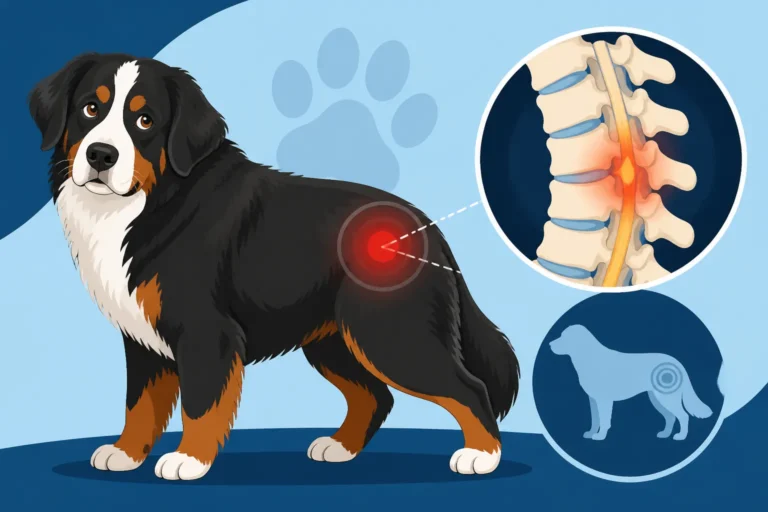
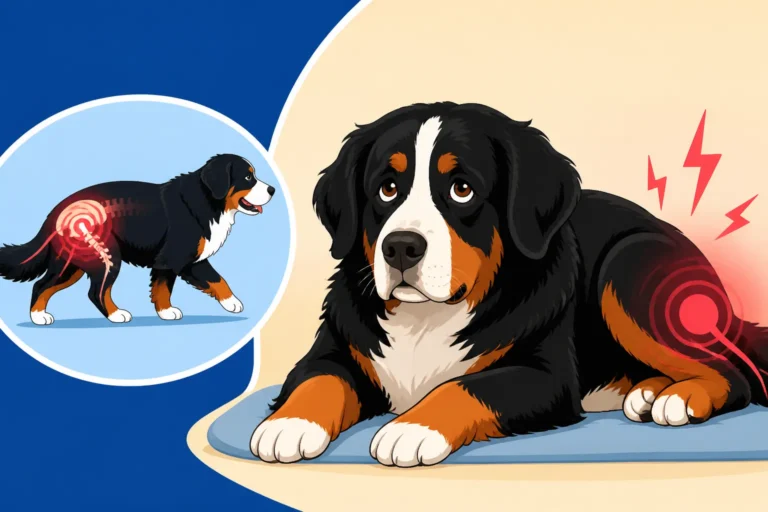
Given their large size and rapid growth, it's not surprising that joint problems are incredibly common in older Bernese Mountain Dogs. Conditions like hip and elbow dysplasia, osteoarthritis, and cruciate ligament tears can become debilitating as they age. Many owners see their Berner's back legs give out, or notice a slowing pace, and wonder if it's just old age or something more. It's often more. Joint Disease in a Hundred Pound Bernese Mountain Dog is a significant concern that impacts their quality of life profoundly.
These issues can lead to chronic pain, difficulty getting up, reluctance to play, and a general reduction in their overall enthusiasm for life. While some slowing down is normal with age, significant changes in mobility should always be evaluated. There's a fine line between a dog "slowing down" and a dog "being in pain," and our goal should always be to alleviate suffering. Thankfully, there are many ways to manage these conditions, from medication to physical therapy, but recognizing them early is key to providing timely relief.
Heart and Organ Health
Beyond cancer and joint issues, older Bernese Mountain Dogs are also susceptible to a range of other internal organ problems. Heart conditions, such as dilated cardiomyopathy (DCM) or certain arrhythmias, can develop silently. Kidney and liver disease, thyroid imbalances, and even eye conditions are all concerns that require regular monitoring as your Berner enters their senior years. Heart Screening for a Bernese Mountain Dog can be a critical part of their senior health panel, especially if any murmurs are detected.
It's common for these conditions to show subtle signs initially, which can easily be mistaken for general aging. A slight cough, increased thirst, changes in urination, or a dull coat might all be indicators of underlying organ dysfunction. We often attribute a sluggish Berner to just being older, but sometimes it's indicative of Thyroid Testing a Sluggish Bernese Mountain Dog being necessary. Regular screening helps your veterinarian establish baseline values, making it easier to spot deviations that could signal the onset of a more serious illness. This proactive approach ensures that if a problem arises, it can be addressed before it becomes an emergency, a scenario every Berner owner dreads.
Essential Screening Tests for Your Senior Berner
When your Bernese Mountain Dog reaches those senior years, a comprehensive approach to their health screenings becomes non-negotiable. It's more than just a quick peek; it's a deep dive into their internal workings to catch anything amiss. These tests are the tools your vet uses to uncover the hidden truths about your Berner's health, allowing you to address concerns before they become crises.
Comprehensive Bloodwork and Urinalysis
This is often the first and most fundamental step in screening an older Berner. A thorough senior blood panel typically includes a Complete Blood Count (CBC) and a Chemistry Panel. The CBC checks red and white blood cells, platelets, and other indicators that can reveal anemia, infection, inflammation, or even certain cancers. The chemistry panel provides insights into organ function, checking liver enzymes, kidney values (BUN, creatinine, SDMA), blood sugar levels, and electrolytes.
A urinalysis complements the bloodwork beautifully. It assesses kidney function, checks for urinary tract infections, diabetes, and other metabolic diseases. Together, these two tests paint a broad picture of your Berner's internal health, often catching issues long before outward symptoms appear. For instance, early kidney disease might show up as elevated SDMA in bloodwork, or dilute urine in a urinalysis, even before your Berner starts drinking excessively or losing weight. Many pet parents find the costs of these routine screenings, and subsequent treatments, are much more manageable with pet insurance plans like those offered by Healthy Paws.
Imaging: X-rays and Ultrasounds
When bloodwork indicates a potential problem or if your Berner is showing specific symptoms like lameness, coughing, or abdominal discomfort, imaging tests become invaluable. X-rays are excellent for assessing bone health, identifying arthritis, checking for lung abnormalities (including tumors), and evaluating the size and shape of internal organs. For an older Bernese Mountain Dog, a full set of orthopedic X-rays can reveal the extent of Arthritis in a Bernese Mountain Dog by Six or pinpoint the source of a new limp.
Ultrasounds, on the other hand, provide a real-time, detailed view of soft tissues and internal organs. They can detect tumors, evaluate the structure of organs like the liver, kidneys, pancreas, and spleen, and even check the heart for murmurs or other abnormalities. If your vet suspects something like Bloat in a Deep-Chested Bernese Mountain Dog, or internal bleeding, an ultrasound can provide crucial information rapidly. Combining these imaging techniques offers a comprehensive internal view, helping to pinpoint issues that might otherwise remain hidden.
Specific Cancer Screenings and Genetic Tests
Given the Bernese Mountain Dog's unfortunate predisposition to certain cancers, specialized screening can be incredibly beneficial. Regular physical exams should always include palpation for lumps and swollen lymph nodes, but sometimes, more is needed. For specific cancer types, additional diagnostics might be recommended. For example, if your vet finds an unusual lump, a fine needle aspirate (FNA) or biopsy can determine if it's benign or malignant.
For some breeds, genetic tests can identify carriers or at-risk individuals for specific inherited diseases. While not all cancers have a simple genetic test, for certain neurological conditions like Degenerative Myelopathy (DM), a The SOD1 Test for a Bernese Mountain Dog can determine if your dog carries the gene associated with the disease. This kind of information can be difficult to receive, but it prepares you for potential future challenges and allows for proactive management strategies. While these tests can be an added expense, the peace of mind or the early warning they provide can be priceless.
Table of Common Senior Berner Screenings
Here's a quick overview of some essential screenings for older Bernese Mountain Dogs:
| Screening Test | Purpose | Recommended Frequency for Seniors | What It Can Detect |
|---|---|---|---|
| Comprehensive Blood Panel | Evaluates overall organ function, blood cell counts | Annually, or every 6 months | Kidney/Liver disease, diabetes, anemia, infection, certain cancers |
| Urinalysis | Checks kidney function, urinary tract health, metabolic diseases | Annually, or every 6 months | UTIs, kidney disease, diabetes, bladder stones |
| Thyroid Panel | Assesses thyroid gland function | Annually, or every 6 months | Hypothyroidism (common in older dogs, causing lethargy, weight gain, coat issues) |
| Cardiac Exam | Listens for heart murmurs, rhythm irregularities | Annually | Heart disease, arrhythmias |
| Radiographs (X-rays) | Visualizes bones, joints, lungs, and abdominal organs | As needed, or annually for joints | Arthritis, hip/elbow dysplasia, lung tumors, organ enlargement |
| Abdominal Ultrasound | Detailed view of soft tissues and internal organs | As needed | Tumors, cysts, organ changes, internal bleeding |
| Fine Needle Aspirate (FNA) | Collects cells from lumps/bumps for microscopic analysis | As needed (for new lumps) | Benign growths, mast cell tumors, other cancers |
| Blood Pressure | Checks for hypertension (high blood pressure) | Annually | Kidney disease, heart disease, thyroid issues |
| Glaucoma Screening | Measures eye pressure | Annually | Glaucoma, other eye conditions |
Understanding the Results and Planning Next Steps
Receiving health test results for your beloved Berner can be a nerve-wracking experience. It's easy to get overwhelmed by medical jargon and the implications of certain diagnoses. But remember, knowledge is power, and understanding these results is the first step toward creating a solid plan of action for your dog's continued care.
Deciphering the Vet's Report
When your vet goes over the results, don't be afraid to ask questions. A good veterinarian will take the time to explain everything in plain language, but sometimes we're so caught up in anxiety that we don't fully absorb the information. Ask them to explain what the abnormal values mean in the context of your specific dog. For example, if kidney values are slightly elevated, is it something to monitor, or does it require immediate intervention? Is it indicative of a serious condition like Kidney Disease in a Bernese Mountain Dog?
If a concerning mass or anomaly is found, understand the next steps: is a biopsy recommended, or further imaging? For cancer diagnoses, ask about the specific type, its prognosis, and the standard treatment protocols. This isn't about second-guessing your vet, but about being an informed and active participant in your Berner's healthcare journey. Take notes if you need to, and don't hesitate to ask for a written summary of the findings and recommendations. It's your right to understand every detail, especially when dealing with the life of someone you love so dearly.
Proactive Management and Treatment Options
Once you have a clear understanding of the diagnosis, you and your vet can discuss the best course of action. This might involve medication, dietary changes, lifestyle adjustments, or in some cases, more intensive treatments like surgery or chemotherapy. For chronic conditions like arthritis, a multi-modal approach combining pain relief, joint supplements, and physical therapy often yields the best results. Pet insurance, like that from Healthy Paws, can be incredibly beneficial here, covering a significant portion of these ongoing treatment costs, which can otherwise be substantial.
For serious conditions like cancer, the decision-making process can be emotionally grueling. You might be faced with choices about aggressive Treating Cancer in a Bernese Mountain Dog or opting for palliative care to ensure comfort. It's a deeply personal decision, and there's no right or wrong answer, only what feels best for you and your dog. Your vet should provide you with all available options, including the pros, cons, and realistic outcomes for each. It's about balancing quality of life with potential longevity, always prioritizing your Berner's comfort and happiness.
Supporting Your Senior Bernese Mountain Dog's Well-being
Beyond medical screenings and treatments, a huge part of caring for an older Bernese Mountain Dog involves creating an environment that supports their changing needs. It’s about more than just keeping them alive; it’s about helping them thrive and enjoy every moment they have left with you, even as their bodies start to tell tales of time.
Lifestyle Adjustments and Comfort Care
As your Berner ages, their daily routine and environment might need a few tweaks to ensure their comfort and safety. This could mean fewer strenuous walks and more gentle strolls, or replacing hard jumps with ramps to access cars or furniture. Orthopedic beds become a blessing for aching joints, providing cushioning and support where they need it most. Ensuring they have non-slip surfaces in your home can prevent painful falls, especially for dogs struggling with mobility.
Think about how you can simplify their life. Perhaps elevated food and water bowls can make mealtime more comfortable if bending down is difficult. Consider using harnesses with handles to help them up and down stairs or into the car, easing the strain on both of you. These small adjustments can make a profound difference in their daily comfort and ability to participate in family life. This thoughtful approach to their living space shows them just how much you value their comfort in their twilight years.
The Role of Nutrition and Supplements
Nutrition becomes even more critical for older Bernese Mountain Dogs. Senior dog foods are often formulated with lower calories to prevent weight gain (which exacerbates joint problems), and enriched with ingredients that support joint health, cognitive function, and organ health. Discuss with your vet if a specific therapeutic diet is appropriate, especially if your Berner has kidney disease, heart disease, or certain types of cancer.
Joint supplements containing glucosamine, chondroitin, and MSM can be beneficial, though it's important to start them early and understand that they are not a cure, but a support. Omega-3 fatty acids are also wonderful for reducing inflammation and supporting skin and coat health. Always consult your vet before introducing new supplements or making significant dietary changes, as too much of a good thing can sometimes be harmful. Their advice will be tailored to your individual Berner’s specific needs and health conditions.
Navigating the Emotional Journey of Senior Dog Ownership
Caring for an older Bernese Mountain Dog is an emotional rollercoaster. The immense joy they bring is often intertwined with anticipatory grief, knowing their time with us is limited. Seeing their once-energetic spirit wane, or witnessing their struggles with mobility or illness, can be heartbreaking. It’s okay to feel overwhelmed, sad, or even angry at the unfairness of their short lifespans. What Bernese Mountain Dogs Die Of is a question that weighs heavily on every Berner owner's mind, and facing that reality is a profound act of love.
Connecting with other Berner owners, online or in person, can provide invaluable support and understanding. Sharing experiences and fears can lighten the load. Remember to cherish every moment, every cuddle, and every slow, meandering walk. Providing Palliative Care for a Bernese Mountain Dog means focusing on comfort and quality of life above all else. This journey is a testament to the incredible bond you share, and your unwavering commitment to their well-being, right to the very end. Planning ahead, even for difficult decisions, can provide some comfort. Having a policy with a company like Healthy Paws can also offer some financial peace of mind during these challenging times, allowing you to focus on your dog's care without the added stress of crushing bills.
Disclaimer
Please remember that this guide provides general information and should not replace professional veterinary advice. Always consult with your veterinarian for any health concerns or before making decisions about your Bernese Mountain Dog's care. Every dog is unique, and individualized medical attention is paramount.