Swim Therapy Rates for a Bernese Mountain Dog
It's incredibly tough when you see your big, beautiful Bernese Mountain Dog struggling with mobility, whether it's the stiffness of age or the chronic pain of a joint condition. You want to give them every comfort and every chance at a good quality of life, but then you start looking into options like swim therapy, and the questions about cost, effectiveness, and commitment can feel overwhelming. This guide is here to walk you through understanding swim therapy for your Bernese Mountain Dog, focusing on what influences the rates and how you can navigate the financial considerations to give your beloved companion the best support possible.
Why Hydrotherapy Becomes a Lifeline for Bernese Mountain Dogs
Bernese Mountain Dogs, with their majestic size and affectionate nature, are unfortunately prone to certain health conditions that can severely impact their mobility. Watching your usually exuberant Berner hesitate before jumping into the car, or struggle to get up after a nap, is heartbreaking. This is where hydrotherapy, or swim therapy, often steps in as a gentle yet powerful tool for rehabilitation and pain management.
Many of our beloved Berners face significant orthopedic challenges. Hip and elbow dysplasia are unfortunately common, often starting to show signs as early as two or three years old. As they age, these conditions can progress into debilitating arthritis, making every movement a painful ordeal. Imagine carrying 80 to 100 pounds on joints that are constantly inflamed – it’s a tremendous burden. Hips That Fail Under a Bernese Mountain Dog's Weight is a reality many Berner owners confront. Beyond inherited conditions, injuries, post-surgical recovery, or even neurological issues like degenerative myelopathy can lead to a loss of muscle mass and coordination, further compounding their discomfort.
The beauty of hydrotherapy lies in its ability to provide a low-impact environment for exercise. In water, your Berner's body weight is significantly reduced, alleviating the pressure on those sensitive joints. This buoyancy allows them to move limbs more freely, strengthening muscles without the jarring impact that land-based exercise would cause. Think about it: a dog struggling to walk on land can often move with surprising grace in the water, building essential muscle support around their weakened joints. It’s not just about building strength; it’s about improving range of motion, increasing circulation, and even boosting their mood by giving them an activity they can enjoy again. For dogs suffering from Arthritis in a Bernese Mountain Dog by Six, hydrotherapy can be a game-changer, offering relief that medication alone might not provide.
Deconstructing the Costs of Canine Hydrotherapy Sessions
When you start looking into swim therapy for your Bernese Mountain Dog, you'll quickly realize that the "rates" aren't a one-size-fits-all number you can just pluck off a price list. It's a complex picture influenced by several key factors. Unlike a simple vet visit, hydrotherapy is often an ongoing process, and understanding the billing structure is crucial for planning.
First, the type of facility makes a huge difference. Are you looking at a dedicated canine hydrotherapy center, a veterinary rehabilitation clinic that offers hydrotherapy as one of many services, or perhaps a smaller, independent setup? Dedicated centers often have specialized equipment, highly trained staff (often certified in canine hydrotherapy), and a focus solely on aquatic therapy. Veterinary rehab clinics might offer a more integrated approach, combining hydrotherapy with other therapies like acupuncture or laser treatments, and will often have veterinary oversight. The level of specialization and the breadth of services offered naturally factor into the overall cost structure.
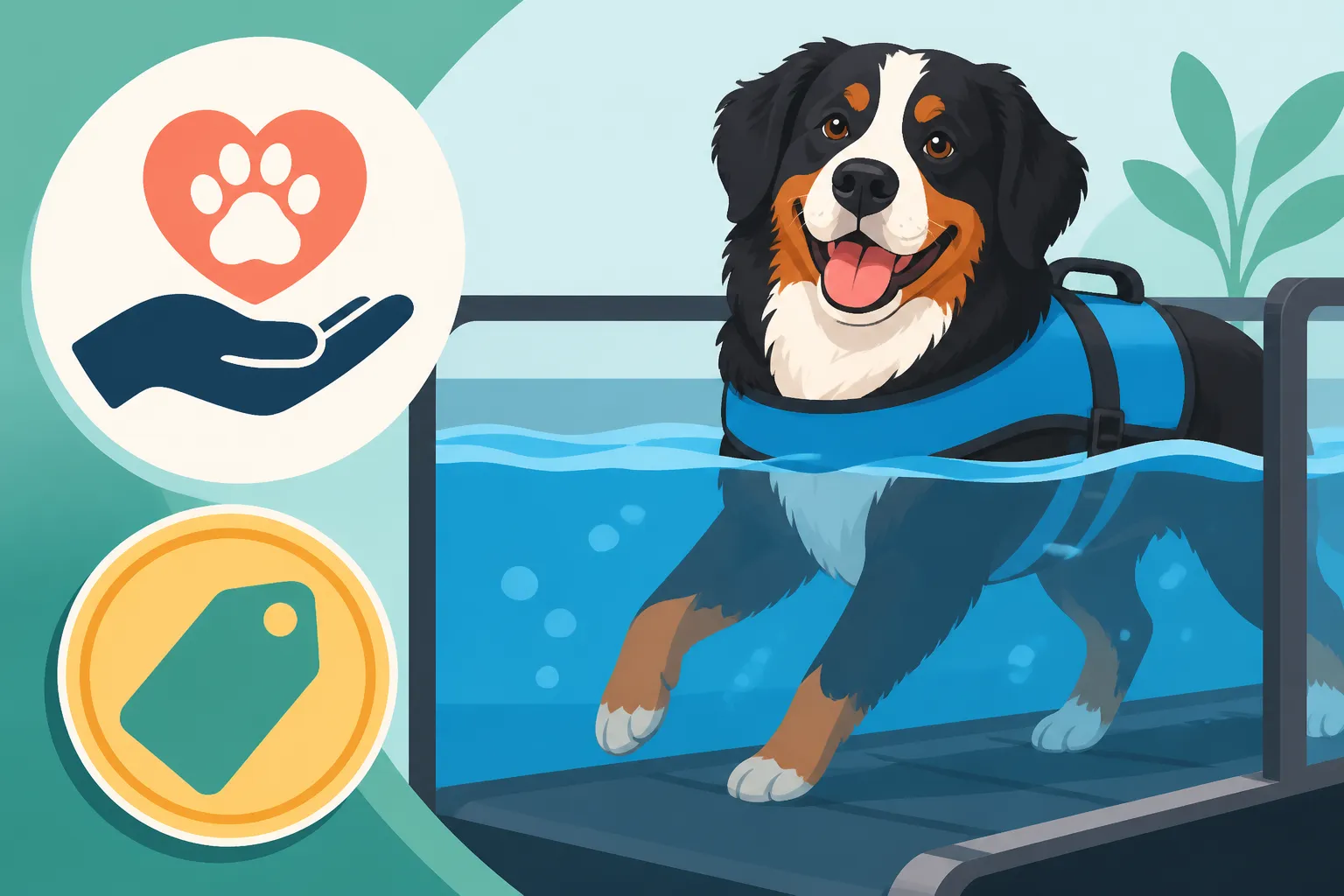
Then there's the session itself. Will your Berner be in a large pool, swimming freely with a therapist's guidance, or will they be using an underwater treadmill? Both have distinct benefits and often different pricing. Underwater treadmills allow for very controlled movement, where the water level can be adjusted to target specific muscle groups or to minimize weight-bearing even further. This precision can sometimes mean a higher individual session rate. Pool sessions offer more freedom of movement and can be great for overall conditioning and confidence building. The duration of the session also plays a role; typically, sessions range from 20 to 60 minutes, with the active time in the water being a part of that. Naturally, longer, more involved sessions will command a higher fee.
Another significant factor is the qualification and experience of the therapist working with your Berner. A highly certified and experienced hydrotherapist brings invaluable knowledge about canine anatomy, rehabilitation protocols, and how to safely and effectively work with a large breed like a Bernese Mountain Dog. Their expertise ensures that the exercises are tailored to your dog's specific condition and progress. This personalized, expert attention is vital for safety and effectiveness but will be reflected in the session rates. Some facilities also offer packages where you can buy multiple sessions at a slightly reduced per-session rate, which can be a good way to manage the ongoing expense if your Berner needs regular therapy.
Here's a breakdown of common factors influencing hydrotherapy rates:
| Factor | Influence on Rate | Considerations for Berners |
|---|---|---|
| Facility Type | Specialized centers vs. vet rehab vs. independent | Specialized care often means higher cost but better expertise for large breeds. |
| Session Type | Underwater treadmill vs. large pool | Underwater treadmills offer controlled gait training, pools offer more freedom. Both are beneficial for Berners. |
| Session Duration | Typically 20-60 minutes | Longer sessions generally mean higher cost; frequency is also key. |
| Therapist Expertise | Certified, experienced staff | Crucial for safety and effectiveness, especially with complex orthopedic issues. |
| Location | Urban vs. rural, cost of living | Rates vary significantly by geographic area. |
| Package Deals | Often a slight discount for buying multiple sessions | Can help reduce per-session cost for ongoing treatment. |
| Additional Services | Combined with laser, massage, acupuncture | Integrated rehab plans can increase overall cost but may yield better results. |
Making Swim Therapy Accessible and Affordable for Your Berner
The idea of ongoing specialized therapy can feel daunting, especially when you know that a Bernese Mountain Dog's overall care, from food to vet visits, already commands a significant budget. Don't despair; there are several ways to approach the financial side of swim therapy to ensure your Berner gets the help they need without completely breaking the bank.
One of the first avenues many Berner owners explore is pet insurance. Plans vary wildly, but many comprehensive pet insurance policies, like those offered by Healthy Paws, do cover rehabilitation therapies, including hydrotherapy, when prescribed by a veterinarian for a covered condition. It’s absolutely vital to review policy details carefully before committing. Look for what their reimbursement rate is (e.g., 70%, 80%, 90% of eligible costs), what the deductible is, and any annual limits on claims. The timing of when you enroll your Berner in insurance is also critical. Generally, once a condition is considered "pre-existing," it won't be covered. This means that if your Berner is already showing signs of hip dysplasia before you get insurance, hydrotherapy for that specific condition might be excluded. It's often wisest to get insurance when your Berner is a puppy or young adult, ideally before any major health issues arise, to give you the broadest coverage. You can learn more about managing future expenses in The Year the Bills Arrive for a Bernese Mountain Dog.
Another strategy is to discuss payment plans or package deals directly with the hydrotherapy center. Many facilities understand that these treatments can be expensive and are willing to work with dedicated owners. Buying a package of 5 or 10 sessions upfront might offer a slight discount per session compared to paying for each visit individually. Some clinics might also offer a graduated payment schedule. Don't be shy about asking what options they have available. Transparency about your financial situation can often lead to finding a workable solution.
Beyond direct payment, consider what other support systems you have. Some regional Bernese Mountain Dog clubs or breed-specific rescue organizations may have grants or funds available for owners struggling with significant veterinary bills for conditions common to the breed. It’s worth checking their websites or reaching out to local representatives. While perhaps not direct cash for therapy, reducing other costs can free up funds. For instance, reputable online retailers like Chewy often have competitive pricing on large bags of high-quality dog food, joint supplements, or even orthopedic beds, which can help manage other aspects of your Berner's care. Even considering fresh food delivery services like Ollie might seem like a premium, but sometimes a truly species-appropriate diet can contribute to overall health, muscle maintenance, and ideal weight, reducing the strain on joints over time. Pain Medication Costs for an Arthritic Bernese Mountain Dog can add up, so exploring all angles is smart.
What to Look for in a Quality Hydrotherapy Program
Beyond the cost, the quality and appropriateness of the hydrotherapy program are paramount for your Bernese Mountain Dog's well-being and successful recovery. You're investing time, emotion, and money, so you want to ensure it's a worthwhile endeavor. Finding the right fit for your Berner can make all the difference in their progress and comfort.
First and foremost, look for facilities with certified and experienced hydrotherapists. Canine hydrotherapy is a specialized field, and proper training in canine anatomy, physiology, and rehabilitation techniques is crucial. These professionals understand how to safely handle large, sometimes wary, dogs in water, and how to tailor exercises to individual needs. They should be able to clearly articulate the goals for your Berner's therapy, explain the techniques they'll use, and discuss how they will track progress. A good therapist will also be adept at reading your dog's body language in the water, ensuring they are comfortable and not overexerted. This is especially important for a breed as sensitive as the Berner, who can easily become overwhelmed if not handled patiently.
The facility itself should also meet high standards. Cleanliness is non-negotiable. The water quality in pools and underwater treadmills must be meticulously maintained to prevent skin infections or other health issues. Ask about their filtration systems and how often the water is tested and changed. The facility should also have appropriate safety measures, such as ramps or lifts for easy, stress-free entry and exit for a large dog like a Bernese Mountain Dog. Trying to wrestle a hundred-pound Berner in and out of a pool can be dangerous for both you and your dog. Proper non-slip surfaces around the aquatic areas are also essential to prevent accidents.
Finally, consider the holistic approach. A truly effective hydrotherapy program doesn't operate in a vacuum. The best facilities will work in conjunction with your primary veterinarian or veterinary specialist, ensuring a coordinated care plan. They should ask for your Berner's medical records and provide regular updates to your vet. They should also be able to offer advice on home exercises or lifestyle adjustments that can complement the in-clinic therapy, such as changes in diet or the introduction of certain Joint Supplements in a Bernese Mountain Dog's Bowl. This collaborative approach ensures that your Bernese Mountain Dog receives comprehensive care that extends beyond their time in the water. Remember, this isn't just about swimming; it's about giving your Berner a better, more comfortable life, and that requires a team effort.
What a Typical Hydrotherapy Session Entails
Once you've found a suitable facility and worked out the financial aspects, it's helpful to know what to expect during a typical hydrotherapy session for your Bernese Mountain Dog. This knowledge can help alleviate any anxieties you or your dog might have, ensuring a smoother experience.
Your first visit will often involve a thorough assessment. The hydrotherapist will review your Bernese Mountain Dog's veterinary records, discuss their specific condition, mobility issues, and overall health. They'll likely observe your Berner walking on land to gauge their gait, range of motion, and any areas of discomfort. This initial assessment is crucial for developing a personalized treatment plan, setting realistic goals, and determining the most appropriate type and duration of aquatic exercise. Don't be surprised if this first session is more about evaluation than extensive swimming.
During subsequent sessions, the focus shifts to the water work itself. If your Berner is using an underwater treadmill, they'll be gently guided into the tank, and the water level will be slowly raised to the therapist's desired height – perhaps shoulder height for muscle strengthening or lower for gait re-education. The treadmill will then start at a slow, controlled pace. The therapist will be right there, often in the water with your dog, encouraging them, guiding their movements, and monitoring their comfort and technique. For pool sessions, your Bernese Mountain Dog might wear a flotation vest for safety and support, especially if they are weak or new to swimming. The therapist will guide them through specific exercises, encouraging limb movement and building confidence. This might involve gentle massages, controlled retrieves, or simply supported swimming laps. The goal is always to maximize therapeutic benefit while minimizing stress.
A typical session usually includes a warm-up, the active therapy time in the water, and a cool-down period. After the water work, your Berner will be thoroughly rinsed to remove any chlorine or treatment chemicals and then carefully dried. This drying process is especially important for a double-coated breed like the Bernese Mountain Dog to prevent skin issues. Many facilities have powerful dryers to ensure they are dry right down to the undercoat. Throughout the session, the therapist will be observing your Berner's response, adjusting activities as needed, and noting their progress. They should be able to provide you with feedback on how your dog is doing, what improvements they've seen, and what to expect in the coming weeks. For a senior Berner, these sessions can offer immense comfort and a new lease on life, helping them with Living With a Bernese Mountain Dog Losing Its Back Legs.
Long-Term Benefits and Considerations for Your Berner
Investing in swim therapy for your Bernese Mountain Dog isn't just about temporary relief; it's about contributing to their long-term health, comfort, and overall quality of life. While the initial costs and commitment can seem significant, the enduring benefits often outweigh these concerns for many dedicated Berner owners.
One of the most profound long-term benefits is sustained pain relief and improved mobility. Regular hydrotherapy can help reduce chronic pain associated with conditions like arthritis, allowing your Berner to move more freely and comfortably in their daily life. This can translate to easier walks, less struggle getting up and down, and a generally happier demeanor. By strengthening the muscles around weakened joints, hydrotherapy essentially creates a natural brace, providing stability and reducing further degeneration. This can often lead to a reduction in the need for pain medications, which, while necessary, can have their own side effects and costs in the long run.
Moreover, hydrotherapy plays a crucial role in maintaining muscle mass, especially important for large breeds like Bernese Mountain Dogs who are prone to muscle atrophy with age or injury. Keeping those muscles strong helps support their massive frame and prevents secondary issues from developing due to muscle imbalance. This ongoing physical activity also contributes to better cardiovascular health and helps in maintaining a healthy weight, which is absolutely vital for reducing stress on joints. You can find more information about weight management in Taking Ten Pounds Off a Bernese Mountain Dog.
However, it's also important to consider the long-term commitment. For many conditions, hydrotherapy isn't a one-and-done solution; it often requires regular, ongoing sessions to maintain its benefits. This means budgeting not just for initial sessions, but for consistent appointments. The frequency might decrease over time as your Berner improves, moving from several times a week to once or twice a month for maintenance, but it remains a part of their care regimen. It's a commitment of both time and financial resources, but for many, the sight of their Berner moving without pain, enjoying life again, makes every bit of it worthwhile. Your Berner is a cherished family member, and supporting their well-being through challenges is what we do as devoted dog parents.
Disclaimer
This article is for general informational purposes only and does not constitute professional advice. Laws, prices and regulations vary by location and change over time. Consult a qualified professional for guidance on your specific situation.