Taking Ten Pounds Off a Bernese Mountain Dog
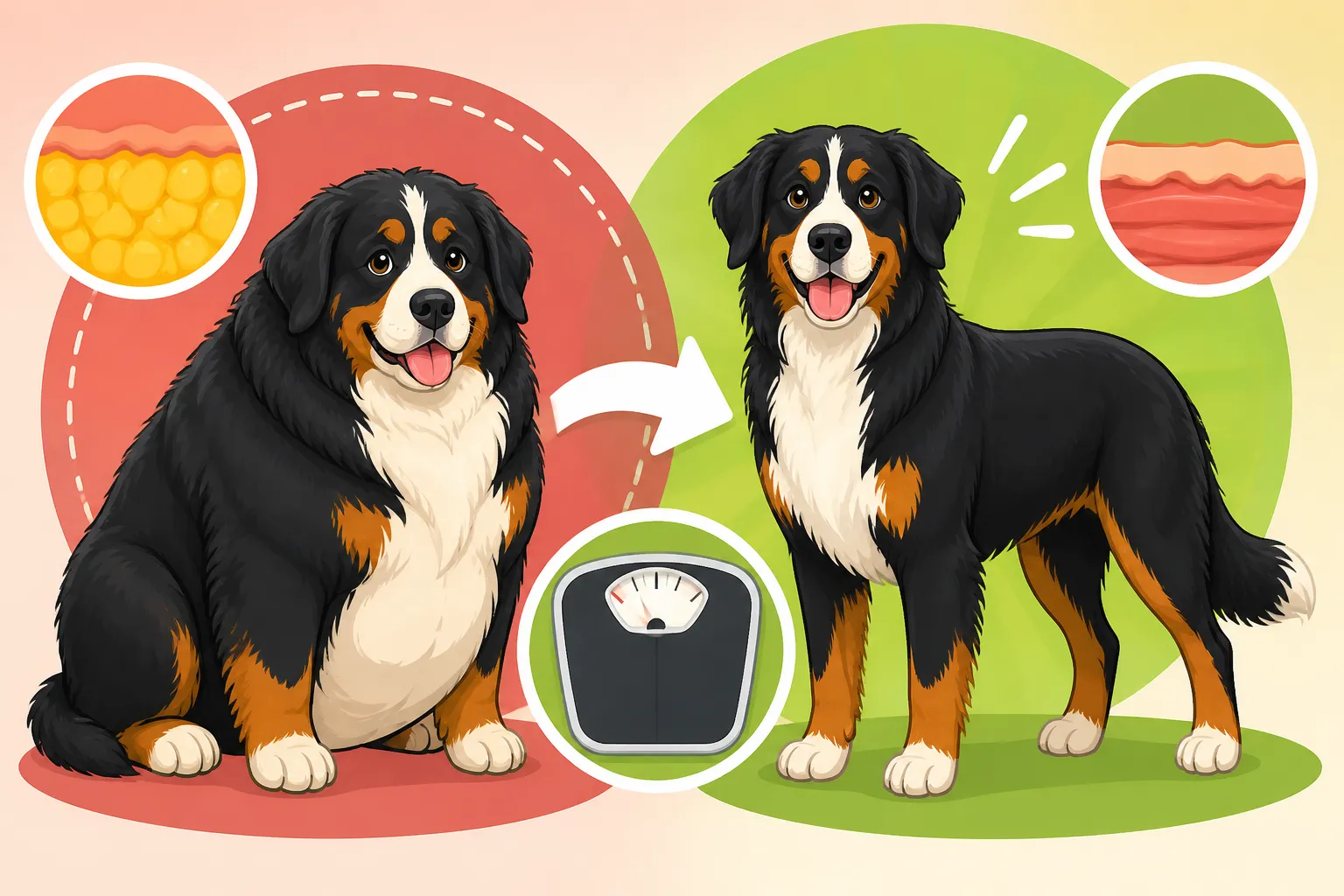
It’s a heart-sinking moment when you realize your beloved Bernese Mountain Dog, usually so full of life and lumbering joy, has packed on a few too many pounds. Those extra ten pounds might not seem like much on a dog of their stature, but for a breed already predisposed to joint issues and other health concerns, it can make a real difference to their comfort, mobility, and overall health. This guide is here to walk you through a practical, empathetic approach to safely and effectively help your Berner shed that excess weight, focusing on their well-being every step of the way.
Understanding Why Those Pounds Creep On
It's so easy for the weight to sneak up on us, isn't it? One day your Berner is a lean, active companion, and the next you notice they're a little slower getting up, or their harness feels a bit snug. For a breed as magnificent as the Bernese Mountain Dog, even a few extra pounds can put undue stress on their already hardworking joints and organs. Before we can tackle weight loss, it's really helpful to understand the common culprits behind that weight gain.
The Sedentary Lifestyle Trap
Life gets busy, the weather changes, or sometimes, as our Berners get a little older, their boundless puppy energy gives way to more sedate habits. A large dog like a Bernese Mountain Dog, even one past their prime, still needs consistent, appropriate exercise to maintain a healthy weight and muscle mass. When their activity level drops, but their food intake doesn't, those calories quickly accumulate. Imagine a week where your usual long walks are replaced by quick trips to the yard; over time, that deficit in energy expenditure becomes noticeable on the scale. We want our Berners to be active, but sometimes we forget how much activity they truly need. The Bernese Mountain Dog Whose Back Legs Give Out can be exacerbated by excess weight, making proactive management of their weight even more critical.
Portion Distortion and Sneaky Calories
Let's be honest, those big, soulful Bernese eyes are incredibly hard to resist. A little extra kibble here, a few too many treats there, and suddenly, you're unwittingly overfeeding your dog. What seems like a small addition to their bowl or a harmless extra biscuit can easily push them over their daily caloric needs, especially if they’re not as active as they once were. Think about that extra scoop you add "just because" they look hungry, or the high-calorie dental chews given daily. All of these seemingly minor additions add up. It's often not malicious, but simply a case of portion distortion. Even healthy snacks, if given in abundance, can contribute significantly to weight gain.
Age, Metabolism, and Medical Considerations
Just like humans, a Bernese Mountain Dog's metabolism can slow down as they age. A five-year-old Berner might not burn calories as efficiently as a two-year-old. Why a Bernese Mountain Dog Is Old at Six is a stark reminder that they mature quickly, and their needs change. Additionally, certain medical conditions, such as an underactive thyroid (hypothyroidism), can lead to unexplained weight gain despite a consistent diet and activity level. If you've noticed a sudden or persistent weight gain without an obvious dietary or lifestyle change, it's always wise to consult your veterinarian to rule out any underlying health issues that might be contributing. Bloodwork a Bernese Mountain Dog Should Have Yearly is a great way to monitor for these kinds of changes.
Crafting a Safe and Effective Weight Loss Plan
Once you understand why your Berner might have gained weight, it's time to put together a plan. This isn't about crash dieting or excessive exercise; it's about making sustainable, healthy changes that will benefit your dog in the long run. Remember, slow and steady wins the race, especially for a large breed like the Bernese Mountain Dog, whose joints need gentle care.
Re-evaluating Their Food Bowl
The first and often most impactful step is to take a hard look at what, and how much, your Bernese Mountain Dog is eating. Many commercial dog foods, while nutritious, can be calorie-dense. A good starting point is to reduce their current intake by about 10-20% and switch to a high-quality "weight management" or "light" formula. These foods typically have fewer calories and sometimes more fiber to help your dog feel full.
It’s crucial to measure your dog’s food precisely. Forget eyeballing it! Use a dedicated measuring cup. If your Berner is typically fed twice a day, stick to that schedule to avoid overfeeding in one sitting and help manage hunger. Consider using a slow-feeder bowl, especially if your Berner tends to gobble their food down quickly. This makes them work for their meal, extending mealtime and promoting a feeling of fullness. You can find excellent slow-feeder bowls and a wide variety of weight management dog foods on sites like Chewy or Amazon. Remember, The Daily Ration a Hundred Pound Berner Gets needs to be adjusted if they're overweight.
If you're unsure about the best food for your individual dog, a quick chat with your vet can provide tailored recommendations based on your Berner’s age, current weight, target weight, and any existing health conditions. For some owners, exploring fresh food options from services like Ollie can provide precisely portioned meals designed for weight loss, as they often come with detailed caloric breakdowns.
Smart Snacking and Treat Alternatives
Treats are often a major source of hidden calories. Those delicious, crunchy biscuits might be your Berner’s favorite, but they can quickly derail a weight loss plan. It’s not about eliminating treats entirely, but about making smarter choices.
Instead of high-calorie commercial treats, opt for low-calorie, healthy alternatives. Many vegetables make fantastic dog treats. Small pieces of carrots, green beans, or even apple slices (without seeds!) can be excellent rewards. Always introduce new foods slowly to avoid upsetting their stomach.
Here’s a table with some great low-calorie treat ideas:
| Treat Option | Calories (Approx.) | Notes |
|---|---|---|
| Baby Carrots | Very Low | Great crunch, good for dental health. |
| Green Beans | Very Low | Can be fed fresh or frozen, satisfying texture. |
| Apple Slices | Low | Remove seeds and core, feed in moderation. |
| Cucumber Slices | Very Low | Hydrating and refreshing, no strong flavor. |
| Bell Pepper Strips | Low | Avoid spicy peppers. |
| Steamed Sweet Potato | Moderate | Rich in vitamins, use small pieces sparingly. |
| Plain Air-Popped Popcorn | Low | No butter or salt, small amounts only, avoid kernels. |
| Ice Cubes | Zero | Simple, refreshing, and often a hit on hot days. |
You might also consider breaking larger treats into smaller pieces, or using a portion of their daily kibble as rewards during training sessions. This way, you’re not adding extra calories, but simply reallocating them. Remember, Whether Treats Push a Bernese Mountain Dog Over Weight is a very real concern, so be mindful of every morsel.
Gentle and Consistent Exercise
Exercise is vital, but for a Bernese Mountain Dog carrying extra weight, it needs to be approached with caution to protect their joints. High-impact activities or long, strenuous runs are generally not recommended, especially initially. The goal is consistent, moderate activity.
Start with shorter, more frequent walks. Instead of one long walk, try two or three shorter ones throughout the day. A brisk 15-20 minute walk morning and evening, possibly with another shorter stroll at midday, can be much more beneficial than an hour-long power hike that leaves them sore. Pay close attention to your dog’s cues – if they’re lagging behind, panting heavily, or showing signs of discomfort, it’s time to slow down or take a break.
Consider low-impact activities like swimming, if accessible and if your Berner enjoys it. Swimming is fantastic for building muscle and burning calories without stressing joints. Puzzle toys and interactive feeders can also provide mental stimulation and encourage movement indoors, even on days when outdoor exercise is limited.
Always be mindful of the weather. Bernese Mountain Dogs, with their thick coats, are prone to overheating. Avoid exercising during the hottest parts of the day, especially in summer. The Temperature a Bernese Mountain Dog Stops Coping highlights how crucial this is. Opt for early mornings or late evenings when it's cooler. Gradual increases in duration and intensity are key, building up their stamina slowly over weeks or months. Regular, gentle movement is far more effective and safer than sporadic, intense bursts.
Monitoring Progress and Overcoming Hurdles
Weight loss is a journey, not a destination, and it’s rarely a straight line. There will be good weeks and weeks where the scale doesn’t budge. The key is consistent monitoring, patience, and knowing when to seek professional help.
Regular Weigh-Ins and Body Condition Scoring
You can’t manage what you don’t measure. Regularly weighing your Bernese Mountain Dog is essential, but it can be tricky with such a large breed. Many vet clinics allow you to pop in just for a quick weigh-in, often for free. Aim for once a week or every two weeks at the same time of day. This will give you a clear picture of their progress.
Beyond the number on the scale, understanding your dog’s Body Condition Score (BCS) is incredibly important. The BCS is a visual and tactile assessment that helps you gauge their fat reserves. Ideally, you should be able to easily feel your Berner’s ribs without seeing them prominently, and they should have a discernible waist when viewed from above, with an abdominal tuck when viewed from the side. If their ribs are hard to feel under a layer of fat, or they look more like a barrel than a streamlined dog, they likely have more weight to lose. Your vet can show you how to accurately assess your dog’s BCS. Aim for a score of 4-5 on a 9-point scale. The Body Condition a Bernese Mountain Dog Should Carry is the ideal standard.
When Progress Stalls
It's natural for weight loss to slow down or even plateau after the initial few pounds come off. If your Bernese Mountain Dog isn’t losing weight despite your best efforts, or if they seem overly hungry or lethargic, it's time to revisit the plan with your veterinarian.
Your vet can help you fine-tune calorie intake, suggest alternative weight-loss diets, or recommend additional exercises. They can also rule out any underlying medical conditions that might be hindering weight loss. Sometimes, even a slight adjustment in diet or a small increase in activity can kickstart progress again. For instance, Whether a Neutered Bernese Mountain Dog Needs Less Food is a common consideration, as spaying or neutering can affect metabolism and calorie requirements.
Don't get discouraged! This is a common part of the process. Staying consistent and working closely with your vet will help you navigate these plateaus.
Maintaining a Healthy Weight for Life
Once your Bernese Mountain Dog reaches their target weight, the journey isn't over. Maintaining that healthy weight is just as important as losing it. This involves continuing the healthy eating habits and regular exercise routine you’ve established.
It’s often a delicate balance of increasing their food slightly from their weight-loss diet, but not returning to their old habits. Continue to monitor their weight and BCS regularly, making small adjustments as needed. Think of it as a lifestyle change, not a temporary fix.
Incorporate joint supplements into their routine, especially if they have a history of joint issues or are an older dog. Things like glucosamine and chondroitin can help support joint health, which is vital for a breed like the Berner, especially after being overweight. Joint Supplements in a Bernese Mountain Dog's Bowl can be a valuable addition.
By committing to these changes, you're not just taking ten pounds off your Bernese Mountain Dog; you're adding comfort, vitality, and potentially years to their life. The effort you put in now will pay dividends in their happiness and well-being for years to come.
Disclaimer
This article is for general informational purposes only and does not constitute professional advice. Laws, prices and regulations vary by location and change over time. Consult a qualified professional for guidance on your specific situation.