Hips That Fail Under a Bernese Mountain Dog’s Weight
It's heartbreaking to watch your beloved Bernese Mountain Dog struggle with mobility, especially when you know their large, powerful frame is supposed to carry them gracefully. Seeing them hesitate to jump, limp after a walk, or even wince when they stand up can be a truly gut-wrenching experience. This comprehensive guide is here to shed light on hip dysplasia in Bernese Mountain Dogs, a common and often debilitating condition, offering deep insights into its causes, symptoms, diagnosis, and the many ways we can help our gentle giants navigate this challenging health issue.
Understanding Hip Dysplasia in Bernese Mountain Dogs
To truly help your Bernese Mountain Dog, it's essential to first grasp what hip dysplasia actually is and why it's such a significant concern for this magnificent breed. It's not just a catch-all term for "bad hips"; it's a specific developmental condition that impacts their comfort and quality of life profoundly.
The Anatomy of a Healthy Bernese Hip
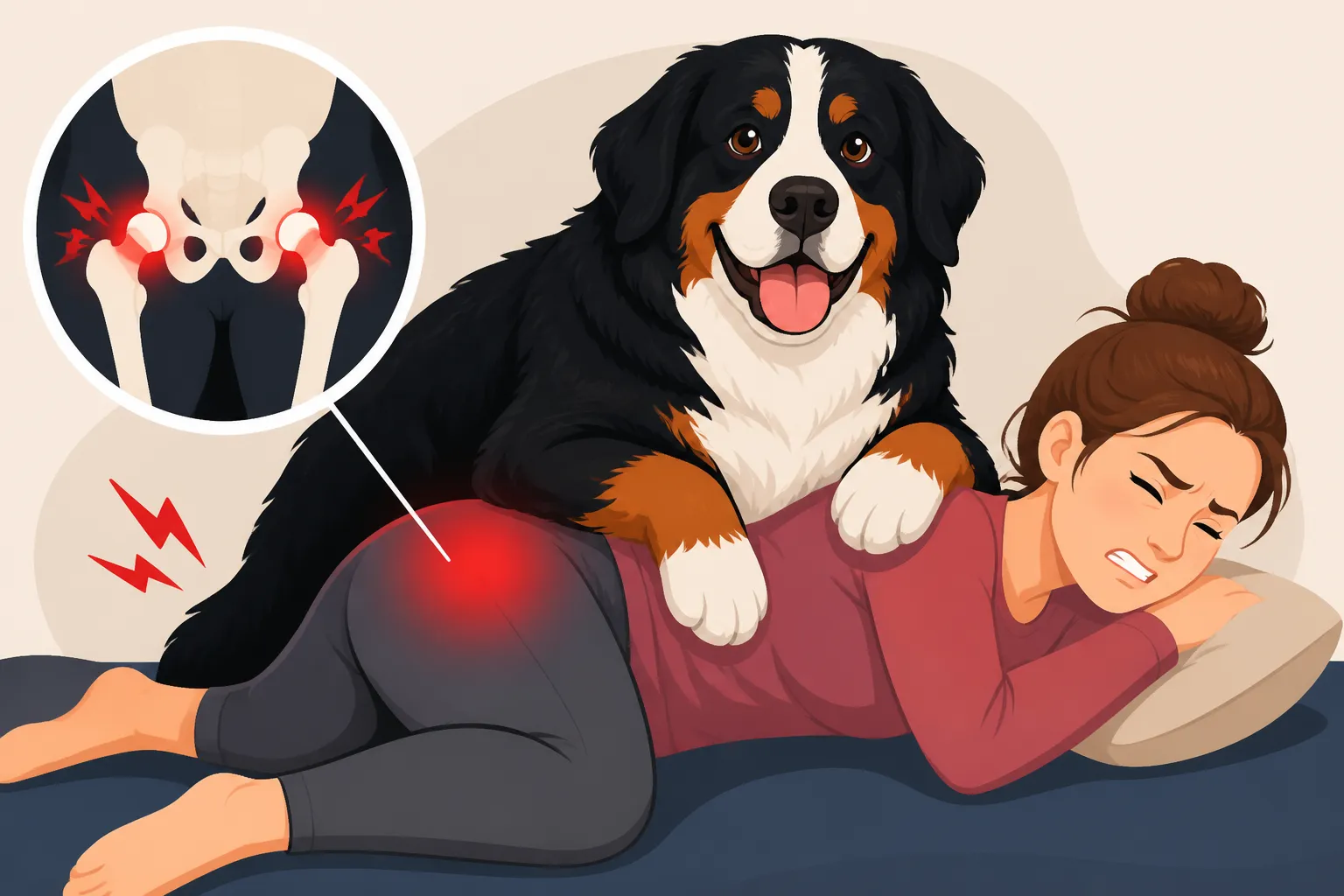
To truly grasp what goes wrong with hip dysplasia, it helps to understand what a healthy hip is supposed to look like and how it functions. Imagine a perfectly engineered ball-and-socket joint, a marvel of natural design that allows for smooth, fluid movement. In a Bernese Mountain Dog, each hip joint is formed by the head of the femur (the "ball") fitting snugly into the acetabulum (the "socket") of the pelvis. This connection is designed for optimal alignment, with the bones perfectly smooth and cushioned by articular cartilage, and held together by strong ligaments and surrounding muscles. When your Berner runs, jumps, or even just stands, this joint bears a significant amount of their impressive weight, distributing pressure evenly across the surfaces.
The integrity of this joint is paramount for a large breed like the Bernese Mountain Dog, which can easily reach over 100 pounds. The deep socket and round femoral head allow for a wide range of motion without friction or instability. Think of it like a well-oiled machine, where every component is precisely aligned and working in harmony. This ideal structure allows for their characteristic powerful stride and the athleticism they exhibit in activities like draft work, even if it's just a leisurely stroll through the park. Any deviation from this perfect fit can set the stage for long-term problems, particularly under the immense strain of their substantial body mass. Without proper joint formation, the very foundation of their mobility is compromised.
How Hip Dysplasia Develops
Hip dysplasia isn't something a Bernese Mountain Dog gets later in life, but rather a developmental condition where the hip joint doesn't form correctly during puppyhood. It's often inherited, though environmental factors play a huge role in its expression and severity. Instead of that snug, perfectly matched ball-and-socket, the joint becomes loose or lax. The "ball" might not fit deeply into the "socket," or the "socket" might be too shallow, allowing the femoral head to move excessively. This instability causes the bone surfaces to rub and grind against each other over time, rather than sliding smoothly. This abnormal friction and movement lead to the degeneration of the joint, causing inflammation, pain, and eventually the development of osteoarthritis.
The early stages of dysplasia might not even be apparent, as a young puppy's body is more resilient and adaptable. However, as the puppy grows and its joints are subjected to increasing stress from its rapidly expanding body size and weight, the subtle imperfections become more pronounced. This progressive wear and tear on the cartilage and bone leads to bone spurs, thickening of the joint capsule, and chronic pain. For a breed known for its rapid growth and substantial size, understanding How Fast a Bernese Mountain Dog Puppy Should Grow and managing it properly is crucial, as too rapid growth or excessive impact on immature joints can exacerbate an already predisposed condition. It's a cruel irony that their very charm—their majestic size—contributes to the challenges they face.
The Role of Genetics and Environment
It’s commonly accepted that hip dysplasia is primarily a polygenic trait, meaning multiple genes contribute to its inheritance, but it's not simply a matter of a single "dysplasia gene." This genetic predisposition is then heavily influenced by environmental factors. A puppy might inherit genes that make them susceptible, but proper nutrition, appropriate exercise, and a stable environment can significantly mitigate the severity of the condition, or even prevent clinical signs from emerging altogether. Conversely, a genetically predisposed puppy subjected to improper feeding, excessive high-impact exercise, or obesity can develop severe, debilitating symptoms much earlier in life.
Think about it this way: two Bernese puppies from the same litter might carry the same genetic risk. If one is raised on a carefully controlled diet designed for large breed growth and has its exercise strictly managed to prevent undue stress on developing joints, it might have a much better outcome than its sibling who is overfed, allowed to jump excessively, and gains weight too quickly. This is why reputable breeders prioritize not only genetic screening of their breeding stock but also educate new owners on proper puppy care. Understanding Whether Cancer Is Bred Into the Bernese Mountain Dog and other inherited conditions highlights the broader responsibility breeders have to promote overall health and longevity, including soundness of hips and elbows. It's a delicate balance of nature and nurture, where both sides need to be addressed to give our Berners the best chance at a pain-free life.
Early Warning Signs and Symptoms to Watch For
As loving owners, we spend so much time observing our Bernese Mountain Dogs that we often notice the smallest changes. When it comes to hip dysplasia, these subtle shifts are often the first, invaluable clues that something isn't right.
Subtle Changes in Gait and Activity
One of the first things you might notice, even if it’s just a nagging feeling, are subtle changes in your Bernese Mountain Dog’s movement. They might not be overtly limping, but their gait could appear slightly off, perhaps a bit stiff or uneven. You might observe a "bunny hop" when they run, where both back legs move together as if in a bound, rather than independently. This isn't just a cute quirk; it's often a dog's way of minimizing discomfort by shifting weight off one or both hips. They might also show a reluctance to engage in activities they once loved. The dog who used to eagerly chase a ball might now stop short, or prefer a slower, more deliberate walk instead of a vigorous run. Climbing stairs or jumping into the car, once effortless, might become a struggle, sometimes accompanied by a visible hesitancy or an awkward maneuver.
Pay close attention after periods of rest, especially first thing in the morning or after a long nap. A Bernese with early hip issues might take longer to "warm up," appearing stiffer for the first few minutes of movement. They might seem to drag their back feet slightly, or shift their weight more onto their front limbs to compensate for the discomfort in their rear. These seemingly minor alterations in how they move or interact with their environment are crucial indicators that something is amiss. As owners, our intuitive understanding of our dogs often picks up on these nuances before overt lameness sets in, so trust your gut if you feel something isn't quite right.
Pain and Discomfort Indicators
As hip dysplasia progresses, the subtle changes often give way to more overt signs of pain and discomfort. Your Bernese might vocalize when rising or attempting certain movements – a low groan, a whimper, or even a sharp yelp if the pain is acute. They might also react negatively to touch. If you try to pet their hindquarters or manipulate their legs, they might flinch, pull away, or even snap, which is completely out of character for these typically gentle dogs. This isn't aggression; it's a pain response. You might also notice them standing with their hind legs closer together, tucking them under their body more than usual, or shifting weight between their back legs frequently, seeking a more comfortable stance.
Another common sign is muscle atrophy in the hindquarters. Because they are subconsciously avoiding using their painful hip joints, the muscles in their thighs and glutes can begin to waste away, making their rear end appear less muscular and perhaps even narrower than their front. This uneven muscle development can further exacerbate their gait issues. Additionally, some dogs might lick or chew at their hindquarters excessively, a self-soothing behavior in response to chronic discomfort, even if there's no visible skin irritation. These are clear signals that your gentle giant is struggling, and it's time for a thorough veterinary examination to uncover the root cause.
Behavioral Shifts and Reluctance
Beyond physical indicators, hip dysplasia can manifest as significant behavioral changes. A Bernese Mountain Dog, known for its affectionate and people-oriented nature, might become withdrawn or less enthusiastic about playtime and interaction. They might prefer to lie down rather than stand or sit, and their normally eager greeting could be replaced with a more subdued response. A dog who once loved car rides might now resist jumping in, or even show signs of anxiety when approached with a leash for a walk. These shifts often stem from anticipating pain or simply feeling too unwell to engage.
You might also observe changes in their sleeping patterns or preferred resting positions. They might seek out softer surfaces, or struggle to get comfortable, constantly shifting to relieve pressure on their hips. A Berner that usually sleeps curled up might stretch out more to ease discomfort, or choose to sleep in odd positions. Remember, Whether a Bernese Mountain Dog Hides Discomfort is a crucial point; many dogs, being stoic by nature, will try to mask their pain until it becomes severe. This makes it even more important for observant owners to pick up on these subtle cues and changes in routine, ensuring that conditions like Arthritis in a Bernese Mountain Dog by Six are identified and addressed as early as possible. Early intervention can make a world of difference in managing the progression of this disease.
Diagnosis and Assessment of Hip Issues
If you've noticed any of the warning signs, the next step is a clear diagnosis. This involves more than just a quick look; a thorough evaluation by your veterinarian is crucial to pinpointing the exact issue and developing an effective plan.
The Importance of Veterinary Examination
When you suspect your Bernese Mountain Dog might be experiencing hip discomfort, the very first and most crucial step is a comprehensive veterinary examination. Don't delay, as early diagnosis can significantly impact the long-term management and prognosis. Your veterinarian will start by taking a detailed history, asking about any changes in your dog's activity level, gait, appetite, and behavior. They'll want to know when you first noticed symptoms, how often they occur, and what seems to make them better or worse. This initial conversation provides invaluable context for the physical exam.
During the physical examination, your vet will carefully observe your Bernese's gait, assess their posture, and palpate their hips and legs. They'll gently manipulate the hip joints through their range of motion, looking for signs of pain, instability, or crepitus (a grinding sound or sensation). They might perform specific orthopedic tests, such as the Ortolani sign or the Barden's sign, to detect hip laxity. These tests involve carefully positioning the dog and applying pressure to the hip joint to see if the femoral head slips in and out of the acetabulum. While these manual tests are suggestive, they are often just the first step in confirming a diagnosis, paving the way for more definitive imaging.
Imaging Techniques: X-rays and Beyond
The gold standard for diagnosing hip dysplasia in Bernese Mountain Dogs, and frankly, in most breeds, is radiography (X-rays). To get clear, diagnostic images, your Berner will need to be sedated or anesthetized. This ensures they are perfectly still and relaxed, allowing the vet to position them precisely for the required views, which often include a ventral dorsal extended view and possibly a frog-leg view. On these X-rays, the vet can assess the shape of the femoral head and acetabulum, the depth of the socket, the degree of joint laxity, and the presence of any secondary changes like osteoarthritis, bone spurs, or joint capsule thickening. These visual cues confirm the extent of the dysplasia and guide treatment decisions.
While X-rays are foundational, other advanced imaging techniques like CT scans or MRI can offer even more detailed insights, though they are less commonly used for routine hip dysplasia diagnosis unless complex surgical planning is involved. These modalities can provide three-dimensional views of the joint, helping identify subtle abnormalities that might be missed on standard radiographs. For a comprehensive picture of your Bernese Mountain Dog's overall health, especially if they are over five years old, regular Screening an Older Bernese Mountain Dog should also include baseline bloodwork and other age-appropriate tests, as joint issues can sometimes be compounded by other health concerns.
Understanding OFA Clearances a Bernese Mountain Dog Should Have
For anyone involved with Bernese Mountain Dogs, whether a breeder or an owner, understanding the Orthopedic Foundation for Animals (OFA) clearances is absolutely essential. The OFA is a central database that evaluates hip and elbow radiographs from dogs, providing a standardized grading system to help breeders make informed decisions and reduce the incidence of hip dysplasia. Dogs are typically x-rayed at two years of age or older to receive a final OFA certification for their hips, graded as Excellent, Good, Fair (all considered passing), Borderline, or Dysplastic (Mild, Moderate, Severe). These certifications are a critical tool in responsible breeding practices, helping to ensure that only dogs with healthy hips are used to produce future generations.
When looking for a Bernese Mountain Dog puppy, responsible breeders will readily provide the OFA certification numbers for both parents, which you can then verify on the OFA website. This transparency is a hallmark of ethical breeding. Even if you're not planning to breed, understanding Reading a Bernese Mountain Dog's Hip Certificate can give you peace of mind about your puppy's genetic predisposition and help you select a puppy from lines with a lower incidence of this devastating condition. While OFA clearances don't guarantee that a puppy will never develop hip dysplasia, they significantly reduce the risk and are a testament to a breeder's commitment to the long-term health of the breed. Reputable pet insurance providers like Healthy Paws often look for evidence of such clearances when underwriting policies for conditions like hip dysplasia, recognizing their importance in canine health.
Management and Treatment Options for Dysplastic Hips
Once a diagnosis is confirmed, the focus shifts to management and treatment. There's a wide spectrum of options available, from non-invasive therapies to advanced surgical procedures, all aimed at improving your Berner's comfort and mobility.
Conservative Management: Medications and Therapies
For many Bernese Mountain Dogs diagnosed with hip dysplasia, especially in its earlier stages or for those where surgery isn't an option, conservative management is the primary approach. The goal here is to alleviate pain, reduce inflammation, and improve mobility without invasive procedures. This often begins with Non-Steroidal Anti-Inflammatory Drugs (NSAIDs), such as carprofen, meloxicam, or galliprant, which can significantly reduce discomfort and improve quality of life. However, these medications often require regular monitoring of liver and kidney function, particularly for long-term use. Other medications, like gabapentin or amantadine, might be used in conjunction with NSAIDs for managing chronic pain.
Beyond medication, a multi-modal approach combining various therapies often yields the best results. Weight management is paramount; even a few extra pounds can put immense strain on compromised joints. Regular, low-impact exercise, such as controlled leash walks or swimming, helps maintain muscle strength without stressing the joints. Physical therapy, including therapeutic exercises, massage, and stretching, can improve range of motion and strengthen supporting muscles. Laser therapy, acupuncture, and even chiropractic adjustments are also gaining popularity for their potential to reduce pain and inflammation. Starting a Bernese Mountain Dog on Joint Medication Young or supplementing their diet with chondroprotectants like glucosamine and chondroitin can also be beneficial in supporting joint health and slowing cartilage degeneration.
Surgical Interventions: From FHO to Total Hip Replacement
When conservative management no longer provides adequate relief, or in severe cases, surgical intervention may be considered to improve a Bernese Mountain Dog's quality of life. There are several surgical options, each suited to different situations. A Femoral Head Ostectomy (FHO) involves removing the head and neck of the femur, allowing a "false joint" to form where scar tissue replaces the ball-and-socket. This procedure is generally more suitable for smaller dogs or those with less severe muscle atrophy, as it relies on strong surrounding musculature to maintain function, which can be challenging for a large Bernese. While it eliminates bone-on-bone pain, it can result in a somewhat altered gait.
For more severe cases, especially in large breeds like the Bernese Mountain Dog, a Total Hip Replacement (THR) is often considered the most effective solution, offering the best chance for a pain-free, fully functional joint. This procedure involves replacing both the femoral head and the acetabulum with prosthetic components. While expensive and requiring a specialized orthopedic surgeon, THR has a very high success rate when performed correctly. Another option for younger dogs, typically under a year of age, is a Triple Pelvic Osteotomy (TPO), which involves cutting and rotating the pelvic bones to improve the coverage of the femoral head within the acetabulum, providing a more stable joint. However, this is only viable if significant osteoarthritis hasn't already set in. The decision for surgery is a significant one, and owners often weigh the potential benefits against the costs and recovery time, with pet insurance plans like those from Healthy Paws proving invaluable for covering such major procedures.
The Case for Replacing a Bernese Mountain Dog's Hip
The decision to pursue total hip replacement for your Bernese Mountain Dog is monumental, both emotionally and financially. However, for many dogs, it can be a life-changing procedure, transforming a dog in chronic pain into one that can run, play, and live without debilitating discomfort. The primary "case" for THR lies in its ability to completely eliminate the source of pain by removing the diseased joint components and replacing them with smooth, artificial ones. This not only restores normal function but also significantly improves the dog's overall quality of life, allowing them to engage in activities they may have long given up.
Considering that Why a Bernese Mountain Dog Lives Only Seven or Eight Years is already a tough reality for owners, ensuring those years are as comfortable and active as possible becomes even more critical. While the surgery itself is complex and the recovery period demands dedication, the outcomes are often incredibly rewarding. Most dogs regain excellent use of their limb, and the improvement in their demeanor from being pain-free is often profound. Of course, this decision involves careful consultation with a board-certified veterinary orthopedic surgeon, a realistic understanding of the potential costs, and a commitment to the post-operative rehabilitation process. Recovery After a Bernese Mountain Dog's Hip Surgery is a journey, not a sprint, and requires patience, consistent care, and often, professional physical therapy.
Prevention and Proactive Care Strategies
While genetics play a role, there's a lot you can do as an owner to help prevent or mitigate the severity of hip dysplasia in your Bernese Mountain Dog. Proactive care starts long before symptoms ever appear.
Responsible Breeding and Genetic Screening
The most impactful way to prevent hip dysplasia is through responsible breeding practices. Since hip dysplasia has a significant genetic component, breeders play a pivotal role in reducing its incidence. This involves meticulously screening all potential breeding dogs for hip and elbow soundness using OFA evaluations or similar internationally recognized schemes. Only dogs with "Excellent," "Good," or "Fair" hip clearances should ever be considered for breeding. It's not enough to simply have "papers"; prospective owners should ask to see the actual OFA certificates for both parents and understand What a Fully Cleared Bernese Mountain Dog Litter Sells For to appreciate the investment a good breeder makes.
Beyond individual clearances, responsible breeders also delve into the pedigree of their dogs, looking at the hip health of ancestors, siblings, and offspring. This holistic view helps them make more informed decisions, aiming to improve the health of the breed over generations. They will also be transparent about the health history of their lines, including any incidence of hip dysplasia or other genetic conditions, as discussed in The Bernese Mountain Dog Health Panel. By actively selecting against this condition, dedicated breeders are the first line of defense in ensuring that fewer Bernese Mountain Dogs suffer from this painful ailment. This due diligence on the part of breeders is invaluable for future owners.
Nutritional Considerations for Healthy Joint Development
What you feed your Bernese Mountain Dog, especially during their critical growth phases, has a profound impact on their joint health. Large and giant breed puppies like Berners require specific nutritional profiles to support their rapid development without promoting excessive growth. The primary concern is feeding a diet formulated for large breed puppies that has carefully controlled levels of calcium and phosphorus, and a moderate protein content. Too much calcium can disrupt bone development, leading to skeletal abnormalities that exacerbate conditions like hip dysplasia. The goal is steady, controlled growth, not rapid weight gain.
Avoid free-feeding and ensure your puppy maintains a lean body condition throughout puppyhood. Regularly check What a Bernese Mountain Dog Weighs at Each Month against breed standards to ensure they aren't growing too quickly. Obesity at any age, but especially during puppyhood, places undue stress on immature joints and can trigger or worsen hip dysplasia. Consult with your veterinarian on the best commercial large breed puppy food for your Bernese and follow feeding guidelines diligently. While supplements might seem appealing, always discuss them with your vet first, as improper supplementation can do more harm than good, particularly with calcium. A balanced, appropriate diet is one of your most powerful tools in preventative care.
Controlled Exercise for a Growing Bernese Mountain Dog Puppy
It's tempting to let a playful Bernese puppy run and jump to their heart's content, but excessive or high-impact exercise during their formative months can significantly contribute to the development or worsening of hip dysplasia. Their growth plates are still open and their joints are incredibly vulnerable. Think of a Bernese puppy as a growing child; you wouldn't let a toddler run marathons or jump off high ledges. The same principle applies here. Activities like repetitive fetch, jumping off furniture or car seats, long runs on hard surfaces, or strenuous agility training should be strictly avoided until their growth plates have closed, typically around 12-18 months of age.
Instead, focus on controlled, low-impact exercise. Short, leashed walks on soft surfaces like grass, gentle play sessions, and supervised swimming are excellent ways to build muscle tone and cardiovascular fitness without putting undue stress on delicate joints. The "five-minute rule" is a good guideline: approximately five minutes of exercise per month of age, twice a day, up to their adult limit. For example, a four-month-old Bernese puppy should get about 20 minutes of exercise, twice a day. This ensures a gradual strengthening of muscles and ligaments that support the joints, giving them the best chance for healthy development. Remember that Joint Disease in a Hundred Pound Bernese Mountain Dog can be an early concern, and proper exercise from puppyhood is a critical preventative measure.
Living with a Bernese Mountain Dog with Hip Dysplasia
A diagnosis of hip dysplasia is certainly daunting, but it's not a death sentence. With proper care, environmental adjustments, and a compassionate approach, your Bernese Mountain Dog can still live a full, joyful life. It requires dedication, but your Berner is worth it.
Adapting the Home Environment
Once a Bernese Mountain Dog is diagnosed with hip dysplasia, especially if it's causing significant discomfort, adapting their home environment becomes paramount to their comfort and safety. Think about where your dog spends most of its time and identify potential hazards. Slippery floors, like hardwood or tile, can be a nightmare for a dog with compromised hips, leading to falls and further injury. Consider laying down runners, rugs, or non-slip mats in high-traffic areas. Stairs can also be a challenge; if possible, limit access to stairs, or use ramps to help your Berner navigate them safely. For multi-story homes, a strategically placed baby gate can prevent unsupervised stair climbing.
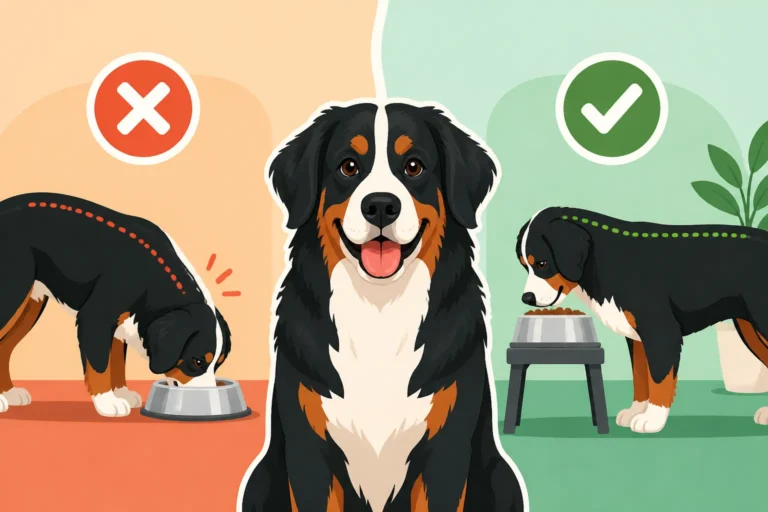
Sleeping arrangements are also crucial. Orthopedic beds with supportive, high-density foam are a must. These beds cushion joints, distribute weight evenly, and help alleviate pressure points, offering maximum comfort during rest. Make sure food and water bowls are elevated to a comfortable height to prevent strain on their neck and shoulders while eating or drinking. Small changes can make a massive difference in preventing unnecessary pain and promoting independence for your dog. For more specific guidance on providing comfort, you might find valuable information in posts like Bedding for an Arthritic Bernese Mountain Dog and Runners and Rugs for a Bernese Mountain Dog That Slips.
Supporting Mobility and Quality of Life
Beyond environmental adaptations, actively supporting your Bernese Mountain Dog's mobility is key to maintaining their quality of life. Regular, gentle exercise remains important, even with dysplasia, to prevent muscle atrophy and maintain joint flexibility. Think short, controlled walks on soft ground, or even better, hydrotherapy. Hydrotherapy for an Arthritic Bernese Mountain Dog offers buoyancy, reducing weight-bearing stress on joints while allowing muscles to strengthen effectively. Many specialized canine rehabilitation centers offer swimming pools or underwater treadmills specifically designed for this purpose.
Mobility aids can also be incredibly beneficial. Harnesses with handles, especially those designed to support the hindquarters, can help you assist your Bernese in getting up, navigating stairs, or getting into a car. For dogs with advanced mobility issues, a custom-fitted dog cart or wheelchair can provide incredible freedom, allowing them to remain active and engaged with their surroundings. These tools, combined with ongoing pain management from your vet, can significantly extend the period of active, comfortable life for your Berner. Always remember to discuss these options with your vet or a certified canine rehabilitation therapist to ensure the aids are appropriate and fitted correctly.
Emotional Support for Owners and Their Berner
Living with a Bernese Mountain Dog with hip dysplasia isn't just a physical challenge for the dog; it's an emotional journey for the owners too. Watching your once-vibrant companion struggle can be incredibly difficult, leading to feelings of sadness, frustration, and even guilt. It's vital to acknowledge these emotions and seek support if needed. Connect with other Bernese Mountain Dog owners who have experienced similar challenges, join online forums, or speak with your veterinarian about local support groups. Sharing experiences and strategies can provide comfort and practical advice.
For your Bernese, their emotional well-being is intrinsically linked to their physical comfort. Ensure they continue to receive plenty of affection, mental stimulation through puzzle toys or gentle training, and consistent routines. Even if they can't hike mountains anymore, quiet cuddles, car rides to new places (with help getting in and out), and short, sniff-filled walks can enrich their lives. Celebrating small victories—a slightly longer walk, a less painful rise from sleep—can help both you and your dog maintain a positive outlook. Dealing with significant veterinary expenses, especially for chronic conditions, can also be a source of stress, making pet insurance from companies like Healthy Paws a practical consideration for many Berner families, offering peace of mind when facing substantial treatment costs. Healthy Paws is just one option that many Berner owners consider for their peace of mind.
Common Treatment Options for Bernese Mountain Dog Hip Dysplasia
| Treatment Category | Specific Options (Examples) | Key Benefits | Considerations |
|---|---|---|---|
| Conservative (Non-Surgical) | NSAIDs (Carprofen, Meloxicam) | Pain relief, reduced inflammation | Potential side effects (GI, kidney), not curative |
| Joint Supplements (Glucosamine, Chondroitin, Omega-3s) | Cartilage support, anti-inflammatory | Variable efficacy, slow onset, not a cure | |
| Physical Therapy (Hydrotherapy, Laser, Acupuncture) | Muscle strengthening, improved range of motion, pain reduction | Requires commitment, specialized facilities, ongoing cost | |
| Weight Management | Reduces joint stress, improves mobility | Requires strict diet, consistent monitoring | |
| Controlled Exercise (Leashed walks, swimming) | Maintains muscle, prevents stiffness | Must avoid high-impact activity, monitor for pain | |
| Surgical | Femoral Head Ostectomy (FHO) | Eliminates bone-on-bone pain | Best for smaller dogs or lower activity, can alter gait |
| Triple Pelvic Osteotomy (TPO) | Improves joint congruence | Only for young dogs (under 1 year), no existing arthritis | |
| Total Hip Replacement (THR) | Restores near-normal function, eliminates pain | High cost, complex surgery, specialized surgeon, long recovery | |
| Palliative Care | Advanced Pain Management | Maximizes comfort in end stages | Focus on comfort, not cure |
| Mobility Aids (Harnesses, Carts) | Supports independence, improves quality of life | Requires adjustment, owner assistance |
Disclaimer
This guide provides general information and should not be considered a substitute for professional veterinary advice. Always consult with your veterinarian for diagnosis, treatment, and personalized care recommendations for your Bernese Mountain Dog.