Front-Clip Harnesses on a Hundred Pound Bernese Mountain Dog
When you have a majestic, hundred-pound Bernese Mountain Dog, walks can quickly turn from a joyful outing into a tug-of-war if your gentle giant decides to lead the way. It's a common frustration for many Berner owners – the sheer strength of these dogs means that a traditional collar or even a back-clip harness can leave you feeling dragged down the street. This guide is all about exploring how front-clip harnesses can be a game-changer for managing a powerful Bernese Mountain Dog on leash, helping you reclaim control and enjoy those walks again.
Why the Pulling? Understanding Your Bernese Mountain Dog's Mechanics
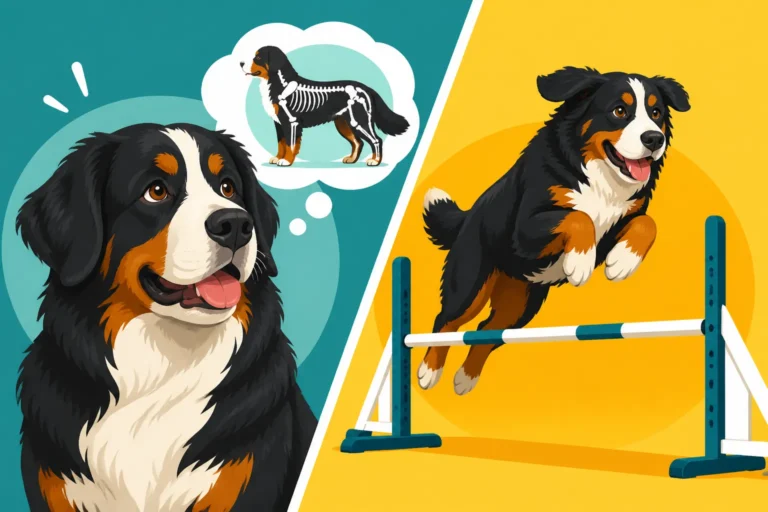
Before we dive into the wonders of the front-clip harness, let's take a moment to really understand why your big Berner might be pulling in the first place. It's not usually out of malice or disobedience; it's often simply because they're built for it, and it feels natural to them. These dogs were bred for draft work, pulling carts and moving livestock in the Swiss Alps, so pulling is literally in their DNA.
The Instinct to Pull and Breed Heritage
Think about the history of the Bernese Mountain Dog. These magnificent dogs were companions, farm dogs, and working animals. They pulled milk carts, helped with droving, and were strong, sturdy beasts of burden. That inherent strength, combined with their substantial weight, means they have an incredible natural leverage. When they put their shoulder into a traditional collar or back-clip harness, their entire body acts as a powerful engine. They feel a resistance, and their natural inclination is often to lean into it, moving forward with even more force. It's just how their magnificent bodies are designed to work. For a deeper look at their historical roles, you might find What a Bernese Mountain Dog Did on a Swiss Farm insightful.
How Traditional Gear Exacerbates the Problem
A standard collar, especially a flat buckle collar, puts all the pressure on your dog's neck and trachea. Not only is this uncomfortable and potentially harmful for your Berner, but it also does very little to deter pulling. In fact, for a strong dog, it can often become a cue to pull harder against the discomfort. Back-clip harnesses, while often more comfortable than collars, can inadvertently encourage pulling because they allow the dog to engage their entire torso in a natural pulling motion, much like a sled dog harness. The leash attachment point being on their back means their power is directed straight forward, giving them optimal leverage to haul you along. This is why many owners struggle so much, and why simply saying "no" or tugging back often has limited effect. You're fighting against centuries of selective breeding and natural mechanics.
The Magic of the Front-Clip Harness: Changing the Dynamics of the Walk
This is where front-clip harnesses really shine, especially for a large breed like the Bernese Mountain Dog. They don't stop your dog from wanting to pull, but they fundamentally change how your dog can pull and the leverage they have.
Redirecting Force for Better Control
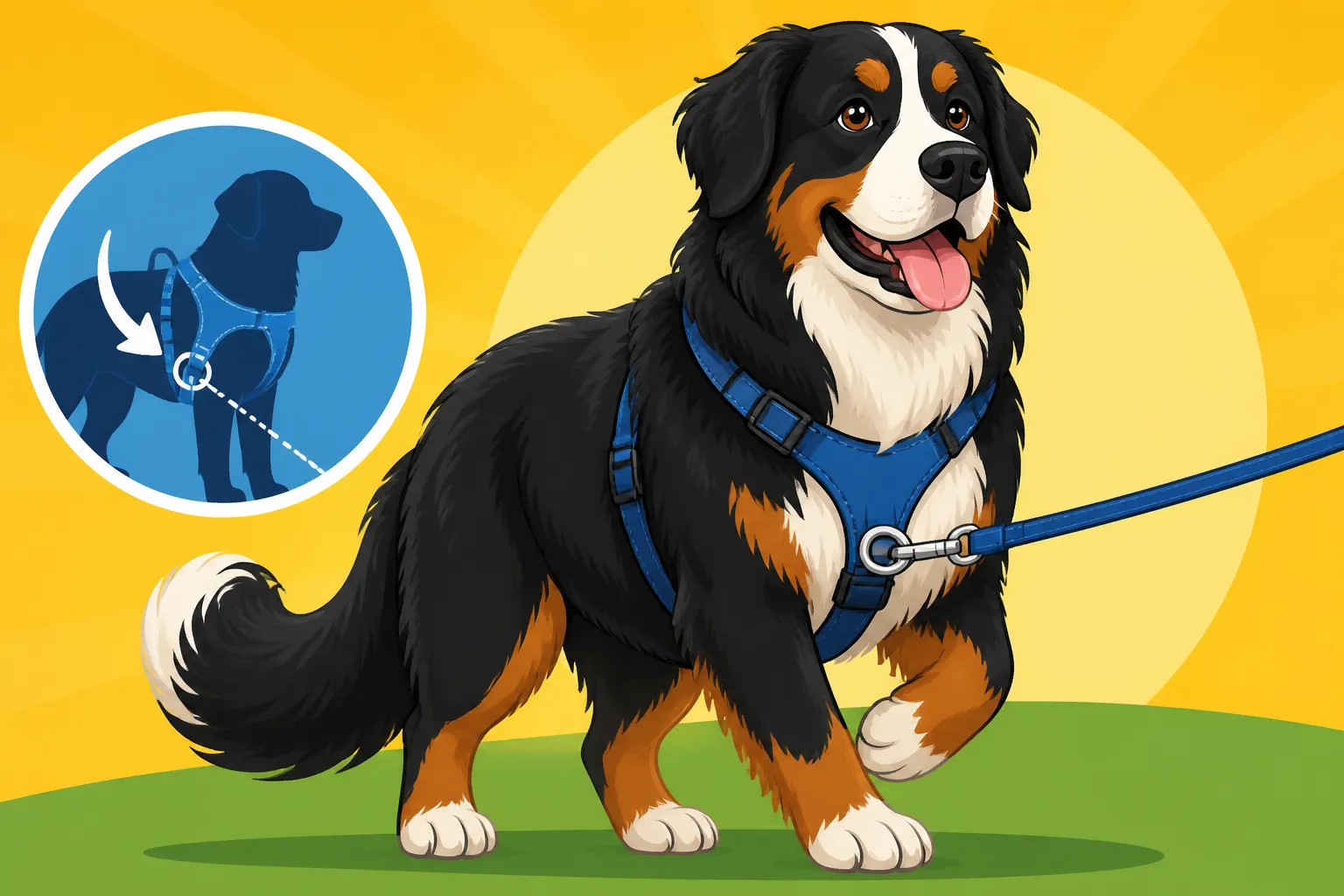
The core principle behind a front-clip harness is simple yet brilliant: the leash attaches at your dog's chest, rather than their back or neck. When your Bernese Mountain Dog pulls forward on a front-clip harness, instead of their power being directed straight ahead, the pressure from the leash attachment point gently turns them to the side. It's a natural, humane redirection that makes it much harder for them to maintain a straight, forceful pull. Imagine trying to pull a wagon from the side – it's far less efficient than pulling from the front. This subtle shift in mechanics is often enough to significantly reduce pulling, making walks much more manageable for you, and less strenuous for your Berner. It’s about working with physics, not against it.
Comfort and Safety Considerations
Unlike choke chains or prong collars, which use pain or discomfort to deter pulling, a front-clip harness works by redirection. This means it's generally a much safer and more humane option for your Bernese Mountain Dog. There's no pressure on their sensitive trachea, and it doesn't cause any undue strain on their neck or throat. This is particularly important for a deep-chested breed like a Berner, as any discomfort around the neck can lead to coughing or even gagging. When correctly fitted, a good quality front-clip harness distributes pressure across the chest and shoulders, allowing for free movement of their legs and preventing chafing. It’s an ideal tool when you're focusing on Leash Manners on a Hundred Pound Bernese Mountain Dog.
Choosing the Right Front-Clip Harness for Your Berner
Not all front-clip harnesses are created equal, especially when you're outfitting a robust, hundred-pound Bernese Mountain Dog. Finding the right one involves considering fit, material, adjustability, and overall durability.
Key Features to Look For
When you're shopping for a front-clip harness for your big Berner, here's what to keep in mind:
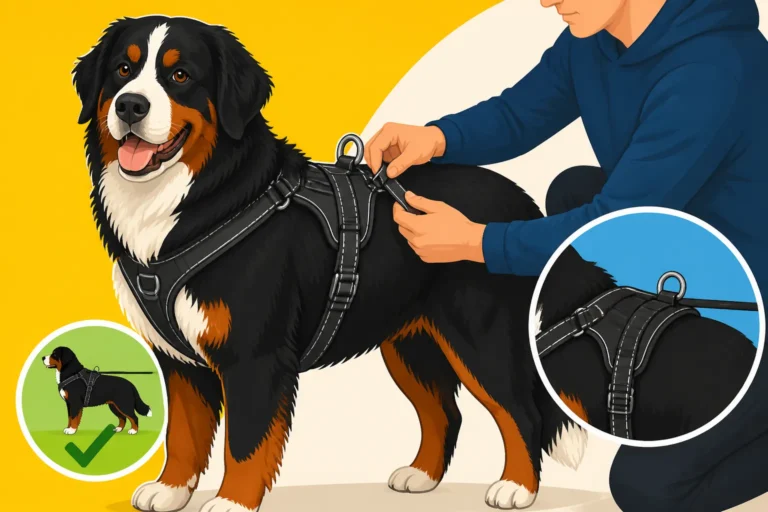
- Proper Fit and Adjustability: This is paramount. A harness that's too loose can allow your dog to slip out, which is a scary thought with a large dog. One that's too tight can cause chafing and restrict movement. Look for harnesses with multiple adjustment points – at least around the neck and chest, and ideally around the girth as well. You should be able to comfortably fit two fingers under all straps once the harness is on. Measure your dog carefully according to the manufacturer's instructions, especially their chest girth.
- Durable Materials: Your Bernese Mountain Dog is strong, so the harness needs to be equally robust. Look for strong nylon webbing, heavy-duty buckles, and sturdy D-rings for leash attachment. Plastic buckles should feel substantial, not flimsy. Reinforcing stitching is also a good sign of quality.
- Padding and Comfort: While the front-clip design itself is generally comfortable, extra padding in key areas like the chest strap or under the armpits can prevent chafing, especially for long walks or dogs with sensitive skin. This is particularly important with a thick-coated dog where friction can create hot spots.
- Reflective Strips: If you walk your dog in low light conditions, reflective stitching or strips can greatly enhance visibility and safety.
- Easy to Put On and Take Off: Wrestling a large, excited Bernese Mountain Dog into a complicated harness can be a chore. Look for designs that are intuitive and quick to secure. Many modern harnesses are designed with this in mind, often featuring buckles that are easy to snap.
Top Harness Brands and Where to Find Them
There are several brands that consistently get high marks for quality and effectiveness in controlling large dogs. While I can't name specific models or prices, I can suggest types and places to look.
Many owners find great success with harnesses that have a Y-shaped chest strap to avoid pressure on the throat, and a girth strap that sits further back to prevent chafing in the armpit area. Brands often focus on ergonomics and strong materials to withstand the pull of large breeds.
You can often find a wide selection of these harnesses on platforms like Amazon, where you can read reviews from other large dog owners and compare different features. Many dedicated pet supply stores also carry a good range of options, allowing you to try them on your Berner in-store (if permitted) to check the fit. Remember to consult their sizing guides meticulously, as a harness that doesn't fit correctly won't be effective. For advice on healthy growth and size considerations, you might refer to What a Bernese Mountain Dog Weighs at Each Month.
| Harness Feature | Benefit for a Bernese Mountain Dog | What to Look For |
|---|---|---|
| Front Leash Clip | Redirects pulling, reduces leverage | Sturdy metal D-ring, well-positioned on the chest |
| Multiple Adjustments | Ensures snug, comfortable, and secure fit | Adjustable neck, chest, and girth straps |
| Durable Materials | Withstands significant strength and wear | Heavy-duty nylon webbing, strong buckles, reinforced stitching |
| Padding | Prevents chafing, enhances comfort | Soft padding on chest strap and under armpits |
| Reflective Strips | Increases visibility during low-light walks | Integrated reflective stitching or strips |
| Easy On/Off Design | Simplifies getting harness on a large, active dog | Intuitive buckle system, minimal fuss |
Training and Acclimatization with Your New Harness
Getting the right harness is just the first step. To truly make a difference in your walks, you'll need to introduce it properly and use it consistently as part of your training routine. Remember that The Bernese Mountain Dog That Quits After One Correction can be sensitive, so a positive approach is key.
Introducing the Harness Positively
Your Bernese Mountain Dog should associate the harness with good things. Don't just clip it on and head out the door hoping for the best.
- Scent and Sight: Let your Berner sniff and investigate the new harness. Place it near their bed or food bowl. Reward them with treats or praise when they interact with it calmly.
- Short Sessions: Hold the harness up and give a treat. Then, gently drape it over their back, treat, and remove. Repeat this a few times over several sessions, gradually increasing the duration.
- Clipping Practice: Once they're comfortable with it on their back, try buckling one clip, then releasing and treating. Gradually work up to buckling both clips, allowing them to wear it for short periods around the house with supervision.
- Leash Introduction: Once they're comfortable wearing the harness, attach the leash. Let them drag the leash around indoors for a few minutes (again, supervised!). Then, pick up the leash and practice a few steps, rewarding for loose-leash walking even in the house.
Remember, patience is crucial. Make every interaction with the harness a positive one. You might even use a training program like BAXTER & Bella which often incorporates positive reinforcement methods that would pair well with introducing new gear.
Walking with the Front-Clip Harness: Technique Matters
The harness is a tool, but your technique with the leash still plays a huge role.
- Leash Position: Always hold the leash in the hand opposite to the side your dog is walking on. For example, if your Berner is on your left, hold the leash in your right hand. This allows you to give quick, gentle corrections by moving your hand across your body, which naturally guides your dog back towards you.
- Loose Leash, Not Tight: The goal is a loose leash. When your Berner starts to pull, stop walking immediately. Don't yank or drag them back. Simply stopping removes the forward momentum they're seeking. Wait for the leash to go slack, even for a second, then praise and continue walking. Consistency is key here. Your Berner will quickly learn that pulling stops the fun. This is a foundational step in preventing A Bernese Mountain Dog That Pulls Its Owner Over.
- Change Directions: If your dog is pulling, try changing direction frequently. A sudden turn to the left or right, or even a complete about-face, forces your dog to pay attention to you and break their forward focus. This also helps teach them that you're the leader, and they need to follow where you go.
- Reward Loose Leash Walking: Every time your Bernese Mountain Dog walks beside you with a loose leash, reward them! High-value treats, verbal praise, or a quick game of "find it" on the ground can reinforce the desired behavior. Make walking politely the most rewarding option. For ideas on motivation, check out What a Bernese Mountain Dog Will Actually Work For.
Potential Downsides and Considerations
While front-clip harnesses are incredibly effective for many Bernese Mountain Dogs, it's important to have a realistic understanding that they're not a magical fix, and there can be some considerations.
Not a Cure-All for All Pulling
A front-clip harness is a fantastic tool for managing pulling and making walks more enjoyable, but it doesn't solve the underlying issue of why your dog is pulling. For some Bernese Mountain Dogs, especially those with deeply ingrained pulling habits or high prey drives, the harness alone might not completely eliminate pulling without consistent training efforts. It's a mechanism for redirection, not a substitute for teaching loose-leash walking. Think of it as a crucial aid in your training journey, not the destination itself. Comprehensive training, potentially involving professional guidance, is still essential to truly master Leash Manners on a Hundred Pound Bernese Mountain Dog.
Fit Issues and Chafing
Even with the best intentions, if a front-clip harness isn't fitted perfectly, it can cause issues. The strap that goes across the chest needs to sit comfortably without restricting shoulder movement or riding up into the throat. The girth strap, if too close to the armpits, can cause chafing, especially in a thick-coated breed like a Bernese Mountain Dog. Regular checks of your dog's skin and coat under the harness are important, particularly in the initial weeks of use. If you notice redness, hair loss, or irritation, the harness might be ill-fitting or the material might not suit your dog's skin. Don't hesitate to try a different brand or style if you encounter these problems.
Potential for Tangles or Unwieldiness
For some owners, especially if their Bernese Mountain Dog is very boisterous or tends to weave, the leash can sometimes get tangled around their legs when attached to the front clip. This is usually a minor inconvenience that can be managed with practice and a slightly shorter leash hold. Additionally, some dogs might find the harness a bit unwieldy at first, or try to chew on the front strap if left unsupervised. It's a learning curve for both of you, and consistent supervision is crucial, especially when first introducing this new piece of equipment.
Ultimately, for many Bernese Mountain Dog owners grappling with a strong puller, a well-chosen and properly used front-clip harness can be a true blessing, transforming stressful walks into pleasant strolls. It's about finding the right tool and combining it with positive, patient training to bring out the best in your magnificent companion.
Disclaimer
This article is for general informational purposes only and does not constitute professional advice. Laws, prices and regulations vary by location and change over time. Consult a qualified professional for guidance on your specific situation.