What a Bernese Mountain Dog Weighs at Each Month
The rapid growth of a Bernese Mountain Dog puppy can be both exciting and a little nerve-wracking for new owners. Watching your tiny, fluffy companion transform into a majestic, hundred-pound dog seemingly overnight brings immense joy, but it also comes with a unique set of worries about their developing joints and overall health. This comprehensive guide will walk you through what to expect regarding your Bernese Mountain Dog's weight month-by-month, helping you understand healthy growth patterns and how to support your giant breed puppy every step of the way.
The Bernese Mountain Dog Growth Trajectory
Bringing home a Bernese Mountain Dog puppy is like adopting a furry little cloud, full of boundless energy and puppy breath. But those early weeks fly by, and before you know it, that adorable fluffball is rapidly becoming a substantial dog. Understanding this growth trajectory is key to ensuring they develop into healthy adults. It's not just about hitting certain numbers on a scale; it's about the quality and rate of that growth.
From Tiny Fluffball to Gentle Giant: The Early Weeks
When you first bring home a Bernese Mountain Dog puppy, typically around 8 to 12 weeks old, they are already quite substantial compared to puppies of smaller breeds. Weighing in usually between 15 to 25 pounds, they are bundles of soft fur and clumsy paws. At this stage, their energy levels are high, but their bone structure is incredibly delicate and still developing. They're exploring the world with an infectious curiosity, and it’s a crucial time for gentle socialization and foundational training. Their appetite will also be surprisingly robust for their size, laying the groundwork for the immense growth spurt that's just around the corner.
Many new Berner owners are surprised by how quickly their puppies gain weight in these initial weeks. One day they fit comfortably on your lap, and the next they seem to have doubled in size. This rapid initial growth makes it vital to manage their diet carefully, focusing on high-quality large breed puppy food designed to support controlled growth rather than simply fast weight gain. Avoiding over-exercise, especially on hard surfaces, is equally important to protect their soft, developing joints. This careful balance in the early weeks helps set the stage for a healthy adolescence.
The Rapid Growth Phase: Puppy to Adolescent
The period between about four months and ten months is often described as the "awkward adolescent" phase for Bernese Mountain Dogs. During these months, your puppy will experience an astonishing growth spurt, gaining several pounds each week and often looking gangly, with oversized paws and a somewhat unbalanced appearance. This is when they start to really fill out in height and length, sometimes appearing "all legs." It can feel like you can literally watch them grow, and keeping up with their increasing size can be a challenge in itself, from finding appropriate crates to simply lifting them for a vet visit.
This rapid physical development is also a critical time for their skeletal system. Their growth plates, the areas of cartilage at the end of long bones where new bone is formed, are still open and highly vulnerable to injury. Over-nutrition or excessive, high-impact exercise during this phase can put undue stress on these delicate areas, potentially leading to orthopedic issues like hip or elbow dysplasia later in life. It's a delicate balance: you want them to grow, but not too fast. Owners often consult with their veterinarians or experienced Berner breeders for guidance on How Fast a Bernese Mountain Dog Puppy Should Grow to ensure they are on a healthy track.
Maturation and Filling Out: Beyond the First Year
While a Bernese Mountain Dog might reach most of its adult height by 10-12 months, they are far from fully mature. The period extending well past their first birthday, often up to two or even three years of age, is dedicated to "filling out." This means gaining muscle mass, broadening in the chest, and developing that magnificent, powerful Berner silhouette. They might not be gaining height at the same rate, but their weight will continue to slowly climb as their bodies mature and solidify. This stage is less about rapid growth and more about gradual development.
During this phase, the energy levels might start to stabilize a bit, but your Berner will still require consistent exercise and mental stimulation. Their nutritional needs will also shift from puppy formulations to adult large breed dog food. This gradual filling out process is just as important as the initial rapid growth, as it solidifies their bone structure and builds strong musculature to support their large frame. Patience is key here; a Bernese Mountain Dog is a long-term commitment, and their physical development truly reflects that, taking its sweet time to achieve its full, glorious potential.
Monthly Weight Expectations: A Detailed Guide
Understanding general weight guidelines can provide peace of mind and help you monitor your Bernese Mountain Dog's development. Remember, these are averages, and every puppy is an individual. Factors like genetics, litter size, and even the individual puppy's metabolism can cause variations. However, having a benchmark is incredibly useful for responsible ownership.
Puppyhood: Months 2-6
This is the period of explosive growth where your Bernese Mountain Dog puppy goes from being a cute, cuddly armful to a substantial youngster. At two months, a Berner puppy will typically weigh between 15-25 pounds. By three months, they've often hit 25-40 pounds. The growth continues steadily, with many puppies reaching 40-60 pounds by four months, 55-75 pounds by five months, and often 70-90 pounds by six months.
During these months, you'll notice a dramatic change not just in their weight, but in their overall physical proportions. Their legs might seem disproportionately long, and they might appear a bit clumsy as they adjust to their rapidly changing size. It's vital to ensure they're on a diet specifically formulated for large breed puppies to support this intense growth without encouraging excessive weight gain, which could stress their developing joints. Regular, gentle exercise and avoiding strenuous activity are paramount during this stage. Many owners find a kitchen or bathroom scale becomes their most used gadget, tracking their little bear's weekly progress.
Adolescence: Months 7-12
As your Bernese Mountain Dog moves into adolescence, the rate of weight gain might start to slightly moderate compared to the earlier explosive months, but they will still be packing on pounds and filling out considerably. By seven months, a male Berner could be around 80-100 pounds, with females slightly less at 70-90 pounds. By the time they hit their first birthday at 12 months, males typically range from 95-115 pounds, and females from 80-100 pounds. Some larger individuals might even exceed these ranges.
At this stage, your Berner puppy is no longer a small pup, but a powerful, energetic adolescent. They might have reached most of their adult height, but they are still very much building muscle and bone density. Their curiosity and energy levels remain high, but their physical activities should still be carefully managed to avoid putting strain on their still-developing growth plates. Think long, steady walks rather than intense running or jumping. Many owners transition their dogs from puppy food to a high-quality large breed adult formula around this age, depending on their individual growth rate and veterinary advice, making careful choices from brands available on platforms like Chewy or Ollie.
Young Adult: Months 13-24
Beyond their first birthday, your Bernese Mountain Dog will continue to mature, though the dramatic weekly weight gains are largely behind them. This period is all about filling out, broadening, and solidifying their powerful structure. While height growth will mostly cease, they will continue to gain muscle and bone density, leading to a gradual increase in weight. By 18 months, a male might weigh 100-120 pounds, and a female 85-105 pounds. By two years of age, most Bernese Mountain Dogs have reached their full adult weight, with males typically ranging from 90-130 pounds and females from 70-110 pounds.
It's important to remember that some Berners can take up to three years to fully "fill out" and reach their peak physical maturity, especially the larger males. During this time, maintaining an appropriate body condition is crucial. You want to see a gentle tuck in their waist and be able to feel their ribs without seeing them prominently. Overfeeding a growing Berner, even subtly, can have significant long-term consequences for their joint health. Regularly checking their weight and body condition score, perhaps even with a large dog scale readily available on Amazon, becomes part of responsible ownership.
Here’s a general guide for average Bernese Mountain Dog puppy weights by month. Please remember these are approximations, and individual dogs will vary.
| Age (Months) | Male Weight Range (lbs) | Female Weight Range (lbs) | Key Developmental Notes |
|---|---|---|---|
| 2 | 15-25 | 15-22 | Entering rapid growth phase, puppy clumsiness, delicate joints. |
| 3 | 25-40 | 22-35 | Significant weight gain, growing paws, increased energy. |
| 4 | 40-60 | 35-50 | Legs lengthening, often lanky appearance, still fragile joints. |
| 5 | 55-75 | 50-65 | Continuing rapid growth, filling out somewhat. |
| 6 | 70-90 | 60-75 | Approaching adult height, still gaining significant mass. |
| 7 | 80-100 | 70-85 | Adolescent stage, body maturing, energy remains high. |
| 8 | 85-105 | 75-90 | Growth moderating, muscle development becoming more visible. |
| 9 | 90-110 | 80-95 | Nearing full height, body beginning to broaden. |
| 10 | 95-115 | 80-100 | Still adding weight, starting to look more mature. |
| 11 | 95-120 | 85-105 | Approaching adult build, but still developing density. |
| 12 | 100-125 | 85-110 | Generally at adult height and length, filling out continues. |
| 18 | 105-130 | 90-115 | Reaching full physical maturity, muscle development complete. |
| 24+ | 110-140 | 90-120 | Fully mature adult weight and build. |
Factors Influencing Your Berner's Weight and Size
While the table above provides useful averages, it's crucial to understand that several factors can significantly influence your Bernese Mountain Dog's individual growth curve. It's never a one-size-fits-all situation, and what's perfectly normal for one Berner might be atypical for another. Paying attention to these influences allows you to better tailor their care and address any potential concerns with your veterinarian.
Genetics and Parental Lineage
The most significant predictor of your Bernese Mountain Dog's adult size and eventual weight is their genetics, specifically the size and build of their parents and even grandparents. If your puppy comes from a line of exceptionally large Berners, it's reasonable to expect them to lean towards the higher end of the weight and height spectrum for the breed. Conversely, if their lineage is typically more moderately sized, your puppy will likely follow suit. A reputable breeder should be able to provide information on the parents' weights, heights, and general build, which can offer valuable insight into your puppy's potential.
This genetic blueprint not only dictates their ultimate size but also influences their growth rate. Some lines naturally grow a bit faster or slower, yet still within a healthy range. It’s also why good breeders prioritize health clearances for conditions like hip and elbow dysplasia, as genetic predisposition plays a huge role in these issues, which can be exacerbated by rapid, uncontrolled growth. Knowing your puppy's genetic background is like having a sneak peek into their future development, allowing for proactive care and appropriate expectations.
Nutrition Quality and Quantity
Beyond genetics, the quality and quantity of food you provide your growing Bernese Mountain Dog puppy are absolutely paramount. Feeding too much, or food that isn't formulated for large breeds, is one of the biggest mistakes owners can make. Large breed puppy foods are specifically designed with a balanced calcium-to-phosphorus ratio and a moderate protein and fat content to promote controlled, steady growth rather than rapid weight gain. Rapid growth, while seemingly impressive, puts immense stress on developing bones and joints, increasing the risk of orthopedic problems.
Conversely, underfeeding a Bernese Mountain Dog puppy can also be detrimental, leading to stunted growth and nutritional deficiencies that could impact their overall health and immune system. It’s about finding that sweet spot. Always follow the feeding guidelines on your chosen large breed puppy food, adjusting based on your puppy's individual activity level and body condition, not just their weight. A common pitfall is giving too many treats, which can contribute to excess caloric intake without providing balanced nutrition. Feeding a Bernese Mountain Dog Puppy to a Hundred Pounds is a detailed journey that requires careful dietary management from day one.
Exercise and Activity Levels
The type and amount of exercise your Bernese Mountain Dog puppy receives also play a crucial role in their development, particularly concerning their weight and joint health. While it might be tempting to let a rapidly growing puppy run and play endlessly, excessive or high-impact exercise can be detrimental. Activities like jumping, prolonged running on hard surfaces, or strenuous agility work are generally discouraged for Bernese Mountain Dogs during their prime growth phases, roughly up to 18-24 months of age, when their growth plates are still open.
Instead, controlled, low-impact exercise is key. Think multiple short walks on soft surfaces like grass, gentle play sessions, and mental stimulation. These activities help to build muscle tone and condition without putting undue stress on their developing joints. A physically well-conditioned puppy will carry their weight more healthily and develop stronger supporting muscles. Overweight puppies are more prone to joint issues, so balancing their caloric intake with appropriate exercise is essential. It's a dance between providing enough activity to be healthy and preventing overexertion that could lead to injury. Many recommend adhering to The Five Minute Rule and a Bernese Mountain Dog Puppy to protect their delicate structure.
Recognizing Healthy Growth and Identifying Concerns
As a Bernese Mountain Dog owner, you become an expert in their daily habits and physical appearance. Learning to distinguish between healthy, robust growth and potential red flags is a vital skill. It's not just about looking at a number on a scale; it's about observing their overall body condition, movement, and energy levels.
What "Healthy Weight" Looks Like for a Berner
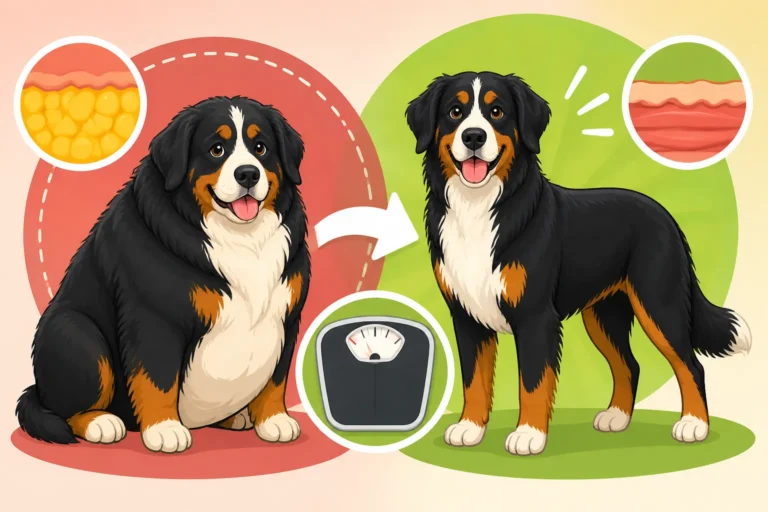
A healthy weight for a Bernese Mountain Dog isn't just a specific number, but a body condition where they are well-muscled, active, and proportionate. You should be able to easily feel your Berner’s ribs when you run your hands along their sides without pressing hard, but you shouldn't be able to see them prominently. They should have a visible waist when viewed from above, a gentle tuck-up from their rib cage to their hips when viewed from the side. Their coat should be shiny, their eyes bright, and their energy levels appropriate for their age.
A Bernese Mountain Dog that is too heavy will often lack a discernible waist, and feeling their ribs will require significant pressure. Their movements might appear more labored, and they could tire more easily. Conversely, a Berner that is too thin will have ribs, hips, and spine visibly protruding, with very little body fat. While a lean puppy is generally preferred over an overweight one for large breeds, being truly underweight can also indicate underlying health issues or insufficient nutrition. Regular assessments of What a Fit Bernese Mountain Dog Should Weigh will help keep your dog in optimal condition.
Signs Your Puppy Might Be Growing Too Fast or Slow
Observing your puppy's growth rate is crucial, and certain signs can indicate they might be growing either too quickly or too slowly. If your Bernese Mountain Dog puppy seems to be gaining weight at an alarming pace, appearing "chunky" or overly heavy for their age, this is a red flag for growing too fast. This often manifests as exaggerated clumsiness, reluctance to play, or an inability to keep up with littermates or other dogs. Overly fast growth, as mentioned, puts immense strain on developing bones and cartilage, predisposing them to orthopedic problems.
On the other hand, if your puppy seems consistently smaller than their age-mates, fails to gain weight steadily, or appears lethargic, it could indicate growth that is too slow. This might be accompanied by a dull coat, poor appetite, or persistent digestive issues. Both scenarios warrant immediate attention from your veterinarian. Your vet can assess their current condition, review their diet, and perform necessary checks to rule out any underlying medical conditions. Catching these issues early can make a significant difference in their long-term health.
The Dangers of Overfeeding a Growing Berner
The temptation to indulge a perpetually hungry Bernese Mountain Dog puppy can be strong, but overfeeding is arguably one of the most dangerous things you can do for a giant breed during their growth phase. The immediate consequence is excessive weight gain, which directly puts more pressure on their rapidly forming joints. Imagine a growing child carrying an extra 20 pounds all the time; it's not healthy for their knees and hips. For Berners, this stress can lead to or worsen severe orthopedic conditions such as hip and elbow dysplasia, osteochondritis dissecans (OCD), and other developmental bone diseases.
These conditions can cause chronic pain, lameness, and significantly impact their quality of life, often requiring expensive surgeries or lifelong medication. What Fast Growth Costs a Bernese Mountain Dog's Joints is a very real concern. Beyond joint issues, overfeeding can contribute to obesity in adulthood, which brings its own host of problems, including diabetes, heart disease, and a shortened lifespan. It's far better to err on the side of a lean, lanky puppy than a chubby one. Sometimes, simply reducing caloric intake by a small amount can make a big difference, without leaving your puppy feeling deprived.
Navigating Your Berner's Nutritional Needs
Feeding a Bernese Mountain Dog puppy isn't just about putting food in a bowl; it's a careful science, especially with their unique growth patterns. Making informed choices about their diet is one of the most impactful ways you can support their long-term health and prevent common breed-specific issues.
Choosing the Right Large Breed Puppy Food
Selecting the correct food for your Bernese Mountain Dog puppy is paramount. Look for formulas specifically labeled "large breed puppy" or "giant breed puppy." These diets are meticulously crafted to provide a controlled growth formula, meaning they have slightly lower fat and protein percentages and, critically, carefully regulated calcium and phosphorus levels. Why a Bernese Mountain Dog Puppy Needs Controlled Calcium is because too much calcium can interfere with bone development, leading to skeletal abnormalities. A good ratio is generally between 1.1:1 and 1.5:1 (calcium to phosphorus).
Beyond the specific nutrient ratios, choose a high-quality brand with easily digestible ingredients. Avoid foods with excessive fillers, artificial colors, or by-products. Reputable brands often conduct feeding trials and have veterinary nutritionists on staff. You can find excellent options on platforms like Chewy, which often carries a wide range of large breed-specific formulas from well-known manufacturers. Alternatively, if you're looking for more personalized options, some newer services like Ollie offer tailored meal plans, though you'd need to ensure their formulations meet the specific needs of a large breed puppy.
The Importance of Controlled Feeding
Once you've chosen the right food, how you feed your Bernese Mountain Dog puppy is just as important. Controlled feeding is key. This means measuring out each meal precisely according to the feeding guidelines on the bag, typically split into two or three meals a day. Avoid "free feeding," where food is left out all day, as this makes it easy for your puppy to overeat and gain weight too rapidly. Remember, a Berner puppy will almost always act hungry, even if they've had enough!
Portion sizes should be adjusted based on your puppy's age, activity level, and body condition. If your puppy is looking too thin, increase the portion slightly; if they're getting chunky, reduce it. Your veterinarian is your best resource for personalized feeding advice. Using slow-feeder bowls, which you can easily find on Amazon, can also be beneficial, as they prevent your puppy from scarfing down their food too quickly, which can reduce the risk of bloat (gastric dilatation-volvulus), a serious condition that Bernese Mountain Dogs are prone to.
Supplements: When Are They Necessary?
The topic of supplements for growing Bernese Mountain Dogs often comes up, particularly concerning joint health. Many owners wonder if glucosamine, chondroitin, or omega fatty acids should be added to their puppy's diet. Generally, if you are feeding a high-quality, large breed puppy food, it should already be nutritionally complete and balanced, making additional supplements unnecessary and potentially even harmful, especially when it comes to calcium.
Adding extra calcium, for example, can disrupt the carefully balanced calcium-to-phosphorus ratio in commercial foods and lead to serious skeletal issues. However, if your veterinarian identifies a specific deficiency or a predisposition to a particular joint issue, they might recommend certain supplements. Always consult with your vet before adding any supplements to your Bernese Mountain Dog's diet. They can advise on appropriate dosages and ensure that any additional supplements won't interfere with their primary diet or cause unintended side effects. Sometimes, for an older or arthritic Berner, Joint Supplements in a Bernese Mountain Dog's Bowl can be beneficial, but for growing puppies, it's often best to stick to a balanced food.
Monitoring Your Berner's Development Beyond Weight
While weight is an important metric, a Bernese Mountain Dog's development is a multifaceted journey that extends far beyond the numbers on a scale. A holistic approach to monitoring their growth includes observing their physical maturation, mental and behavioral changes, and ensuring regular veterinary check-ups.
Physical Maturity: Bone and Joint Development
The development of your Bernese Mountain Dog’s bones and joints is perhaps the most critical aspect of their physical maturity, given the breed’s predisposition to orthopedic issues. Their growth plates typically close between 12 and 18 months, though this can vary. Until then, these areas remain vulnerable. Beyond weight, pay close attention to their gait and movement. Any limping, stiffness, reluctance to play, or difficulty getting up and down warrants immediate veterinary attention. These could be early signs of joint problems like hip or elbow dysplasia.
Regular physical examinations by your veterinarian will include palpating their joints and assessing their range of motion. Responsible breeders often get OFA (Orthopedic Foundation for Animals) clearances for their breeding dogs to reduce the genetic risk of these conditions. As your Berner matures, maintaining a lean body condition and providing appropriate, low-impact exercise continues to be crucial for supporting healthy joints. Even after growth plates close, a massive dog’s joints are subject to significant stress, making lifelong care essential. You might want to learn about Hips That Fail Under a Bernese Mountain Dog's Weight for a deeper understanding.
Mental and Behavioral Milestones
A Bernese Mountain Dog's mental and emotional development often lags behind their physical growth. While they might look like an adult by 12-18 months, their brains are still very much in the "puppy" phase. They often don't fully mature mentally until two or even three years of age. This means they can still exhibit puppy-like behaviors, such as chewing, testing boundaries, and having bursts of adolescent energy, even when they're the size of a small pony.
During this extended adolescence, consistent training, socialization, and patience are paramount. They need clear rules, positive reinforcement, and continued exposure to new experiences in a safe and controlled manner. Don't mistake their large size for full maturity; they still need guidance and understanding as they navigate their world. Providing appropriate mental stimulation through puzzle toys, training games, and scent work can be just as important as physical exercise for a well-rounded Bernese Mountain Dog.
Regular Vet Check-ups for Growth Monitoring
Establishing a regular schedule of veterinary check-ups is non-negotiable for a growing Bernese Mountain Dog. Beyond their initial The Puppy Shot Series for a Bernese Mountain Dog and deworming schedule, these visits allow your vet to continuously monitor their growth, assess their overall health, and catch any potential issues early. Your vet will not only weigh your puppy but also perform a thorough physical examination, checking their joints, teeth, coat, and general body condition.
These check-ups are also your opportunity to discuss any concerns you have about your puppy's growth rate, diet, exercise regimen, or behavior. Your vet can provide tailored advice, recommend specific diets, or suggest further diagnostic tests if they suspect an issue. They can also help you understand developmental benchmarks specific to your dog's size and lineage. As your Berner gets older, you will also want to plan for Bloodwork a Bernese Mountain Dog Should Have Yearly to monitor their internal health as well. Regular professional oversight is key to nurturing a healthy, happy Bernese Mountain Dog from puppyhood through adulthood.
Disclaimer
This article is for general informational purposes only and does not constitute professional advice. Laws, prices and regulations vary by location and change over time. Consult a qualified professional for guidance on your specific situation.