The Twenty Pound Load a Novice Berner Carts
For many Bernese Mountain Dog owners, the dream of seeing their beautiful giant pull a cart, just like their ancestors did in the Swiss Alps, is a powerful one. However, the path to draft work can feel daunting, especially when you’re wondering how much weight is safe to start with for a novice Berner. There's a natural worry about injuring your beloved dog or overwhelming them before they even truly understand the job. This comprehensive guide will walk you through the specifics of starting your Berner in draft work, focusing on that crucial initial twenty-pound load for a novice, ensuring a safe, positive, and rewarding experience for both of you.
Understanding the Novice Draft Dog and Its Capabilities
Embarking on the journey of draft work with your Bernese Mountain Dog is incredibly exciting, but it’s vital to approach it with patience and a deep understanding of what makes a dog truly "novice." It’s not just about age; it’s about their physical and mental readiness, their training foundation, and ensuring every step builds confidence, not stress.
What "Novice" Truly Means in Draft Work
When we talk about a "novice" draft dog, we're really referring to a Berner who is new to the sport, regardless of their chronological age, within reason. While a dog typically needs to be at least 18-24 months old to even begin serious weight-pulling due to their developing joints and growth plates, "novice" primarily describes their experience level. A novice dog hasn't had extensive training with a cart, isn't familiar with the commands specific to drafting, and hasn't built up the physical conditioning required for heavier loads.
Think of it like a new gym-goer. You wouldn't hand them the heaviest weights on their first day, right? The same applies here. Your Berner needs to learn the mechanics, build muscle memory, and, most importantly, develop a positive association with the cart and the task. A solid foundation in basic obedience commands like "stay," "come," "heel," "whoa," and directional cues like "gee" (right) and "haw" (left) is absolutely paramount. Without these, you're not just trying to teach them to pull; you're trying to teach them how to listen while simultaneously pulling something behind them. That’s a recipe for frustration for both of you. Many experienced handlers emphasize that the dog's mental maturity and ability to focus under novel circumstances are just as important as their physical development.
Why Twenty Pounds Is the Recommended Starting Point
The recommendation to start a novice Bernese Mountain Dog with a twenty-pound load isn't an arbitrary number; it's a carefully considered guideline designed for safety and success. For a breed that can easily weigh 80 to 120 pounds or more, twenty pounds might seem insignificant, but its purpose is to introduce the concept of pulling without placing undue strain on their still-developing musculoskeletal system.
This initial, lighter load allows your Berner to get accustomed to the sensation of the cart trailing behind them, the pressure of the harness, and the gentle resistance. It helps them build the specific muscles used in pulling in a controlled, low-impact manner. Remember, Berners, like many large breeds, are prone to joint issues such as hip and elbow dysplasia. Joint Disease in a Hundred Pound Bernese Mountain Dog Starting with a minimal load helps protect these sensitive areas while strengthening the supporting structures. It's about conditioning, not testing limits. The twenty-pound marker is also a psychological one; it's light enough that the dog rarely feels truly "strained," making the experience positive and fun, which is crucial for building a willing draft dog. It allows for error in technique without causing harm, both for the dog and the handler. The Age a Bernese Mountain Dog Can Start Drafting
The Importance of a Well-Fitted Harness and Cart
Even if you're only pulling twenty pounds, an ill-fitting harness or an unbalanced cart can make that small load feel enormous and cause discomfort or even injury. This isn't an area where you want to cut corners; it's a fundamental safety and comfort issue.
A proper draft harness is specifically designed to distribute weight across your dog's chest and shoulders, rather than placing pressure on their throat or back. It should fit snugly without restricting movement or rubbing, allowing for a full range of motion. There are different styles, such as traditional freight harnesses or more modern sledding-style harnesses, but the key is the fit. Look for wide, padded straps that won't dig into their skin. A well-fitted harness will sit comfortably, allowing your dog to breathe freely and move naturally. When considering a harness, it’s often worth seeking advice from experienced draft dog enthusiasts or a reputable Bernese Mountain Dog club, as they can help guide you to brands known for quality and proper fit. Fitting a Draft Harness to a Bernese Mountain Dog
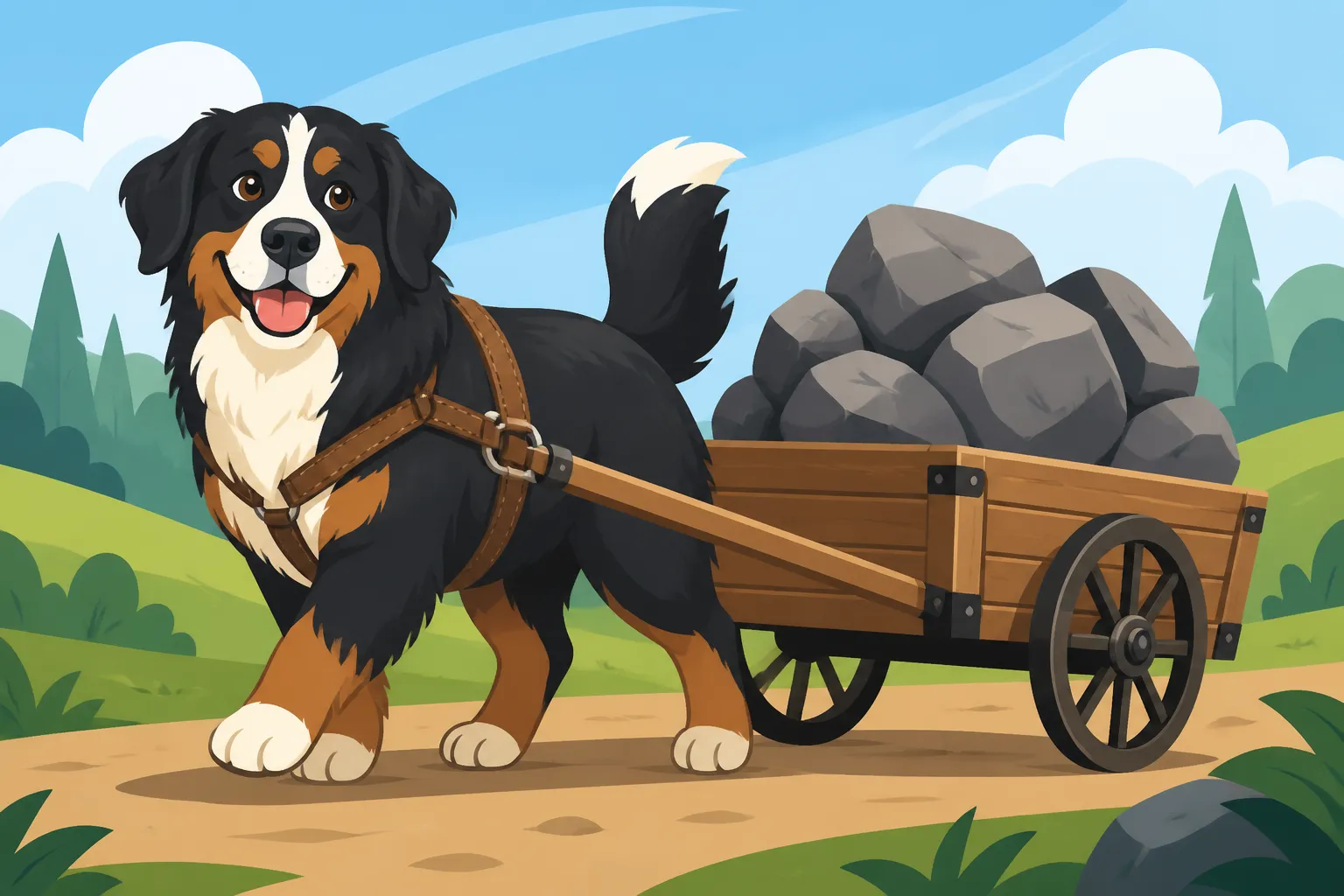
Beyond the harness, the cart itself plays a crucial role. A good cart should be lightweight for its size, sturdy, and, most importantly, balanced. An unbalanced cart can tilt, making the load shift and creating awkward pressure points on your dog's harness and body. The wheels should be appropriate for the terrain you'll be training on, and the shafts (the bars connecting the harness to the cart) should be correctly sized so they don't drag on the ground or pull up too high on your dog's back. Even for a novice, investing in a decent cart ensures that the twenty pounds you're adding is truly the only resistance your dog feels, rather than additional drag or leverage issues from poorly designed equipment.
Introducing Your Berner to the Concept of Pulling
Once you understand the 'why' behind the twenty-pound starting load and have your equipment ready, the next step is the actual introduction. This phase is all about positive reinforcement, short sessions, and building your dog's confidence incrementally. Remember, consistency and patience are your best tools here.
Building a Positive Association with the Harness
Before you even think about attaching a cart, your Bernese Mountain Dog needs to love their harness. This isn't just another piece of gear; it's the uniform for their new job, and you want them to associate it with good things. Start by simply showing them the harness, letting them sniff it, and offering a high-value treat. Repeat this a few times over several days.
Next, you can try gently putting the harness on them for very short periods, just a minute or two, followed immediately by praise, treats, and perhaps a favorite game. Don't attach anything to it initially. Let them walk around the house or yard in it. Supervise them closely to ensure they don't try to chew it or get tangled. The goal is for them to see the harness come out and think, "Yay! Good things are about to happen!" rather than "Oh no, what now?" Gradually increase the time they wear it, always ending on a positive note before they get bored or frustrated. You might even feed them their dinner while they’re wearing it, creating a powerful positive association. This groundwork is absolutely essential for a smooth transition to actual pulling.
The First Steps: Empty Cart or Light Training
With the harness happily accepted, it's time to introduce the cart – or at least the idea of it. Your very first sessions should involve an empty cart or even just the shafts attached to the harness, if your cart design allows for it to be easily detached. The aim here is to acclimate your Berner to the sensation of something rolling behind them, making noise, and bumping around a bit.
Choose a quiet, familiar area with minimal distractions. Have a helper if possible, especially for the very first few times, to hold the dog or steady the cart. Attach the empty cart to the harness. Don't worry about perfect form or commands yet. Just let them take a few steps. When they do, offer enthusiastic praise and a treat. Keep these initial sessions incredibly short—literally a minute or two of movement, then unharness and lots of rewards. This prevents overstimulation or negative experiences. Focus on basic forward movement. Commands like "walk on" and "whoa" are crucial here. You want them to understand that they move when you say "walk on" and stop immediately when you say "whoa." Introducing a Bernese Mountain Dog to Shafts and Noise Don't worry about turns or complex maneuvers yet. The entire point is building a comfortable, confident understanding that the cart is part of the experience, not something to be feared.
Gradually Adding Weight: The Twenty-Pound Milestone
Once your Bernese Mountain Dog is comfortable with the empty cart and responding reliably to basic commands while hitched, you can slowly begin to add weight. The twenty-pound load is your first significant milestone, but you don't have to jump straight to it.
Start with just a few pounds – maybe five or ten. Items like small bags of sand, water bottles, or even a few bricks, securely placed in the cart, work well. The key is to ensure the weight is evenly distributed and secured so it doesn't shift or fall out, which could spook your dog. As you add weight, pay close attention to your dog's response. Are they still moving confidently? Is their gait normal? Are they looking back at the cart with concern?
Continue to keep sessions brief and positive. Three to five minutes of actual pulling might be plenty for these early stages. Walk on flat, smooth terrain initially. As your dog shows consistent comfort and willingness, you can gradually increase the weight until you reach that twenty-pound mark. Remember, the goal of this twenty-pound load is not to challenge them, but to solidify their understanding and build foundational strength and confidence. It's about demonstrating that they can do it, and it's fun! This phase is also a great time to implement systematic training plans. Online programs, like those offered by BAXTER & Bella, can provide structured lessons and support for teaching your dog new skills, including those foundational obedience cues that will transfer directly to draft work.
Safety, Progression, and What to Watch For
As you progress with draft work, safety should always be your top priority. Bernese Mountain Dogs are eager to please, but their enthusiasm shouldn't come at the cost of their health or well-being. Knowing how to interpret their cues and when to push—or, more importantly, when to back off—is paramount.
Reading Your Dog's Body Language
Your Bernese Mountain Dog communicates constantly, and learning to understand their body language is critical, especially during physical activities like draft work. A happy, confident draft dog will often have a high tail carriage, ears up or relaxed, a loose, flowing gait, and be looking forward with purpose. They might even glance back at you occasionally with a joyful expression.
However, be vigilant for signs of stress, fatigue, or discomfort. These might include:
- Tail tucked low or clamped: A clear sign of anxiety or discomfort.
- Lagging behind or refusing to move: Indicates they're struggling or unwilling.
- Excessive panting (unrelated to ambient temperature): Could be a sign of overexertion or stress.
- Looking back at the cart constantly with wide eyes: They might be nervous about the cart or feeling overwhelmed.
- Stiff gait or limping: Immediately stop and check for injury.
- Drooling more than usual (again, unrelated to heat): Can be a sign of stress.
If you observe any of these signs, stop the session immediately. Give your dog a break, offer water, and assess the situation. It’s better to end a session early and positively than to push your dog into a negative experience that could set back your training significantly. Remember, they want to please you, and sometimes that means they’ll try to push through discomfort if you’re not attuned to their signals.
When to Increase the Load (and When Not To)
The progression from the twenty-pound novice load should be slow and deliberate. There's no rush to add more weight; consistency and proper form are far more important in these early stages. Generally, you should only consider increasing the load when your Berner is consistently pulling the current weight with ease, enthusiasm, and good form over varying terrains (though still starting with easy terrain).
Increase the weight by small increments—perhaps another five to ten pounds at a time. Never make big jumps. Continue to monitor their body language closely. Think about the "rule of thumb" that a well-conditioned adult Bernese Mountain Dog can comfortably pull about 1.5 to 2 times their own body weight, but that is for a highly trained and conditioned dog, not a novice. For reference, a Novice Draft Test from the Bernese Mountain Dog Club of America requires a dog to pull a cart with a minimum of 20 pounds for a certain distance, followed by more complex maneuvers, but still relatively light. What a Draft Test Asks of a Bernese Mountain Dog This reinforces that twenty pounds is a very reasonable starting point.
Factors that might tell you not to increase the load, or even to decrease it, include:
- Fatigue: If your dog seems tired after short sessions.
- Weather: Hot, humid weather makes any physical activity more strenuous. Training a Bernese Mountain Dog in Hot Weather Always err on the side of caution.
- Health: Any signs of lameness, illness, or general sluggishness. If in doubt, consult your vet.
- New Environment: When training in a new, distracting location, keep the load light until your dog adjusts.
Consistency in short, regular training sessions (a few times a week) is far more beneficial for building strength and endurance than sporadic, intense workouts. Building a Bernese Mountain Dog's Fitness for Draft Work
Common Mistakes to Avoid
Even with the best intentions, it's easy to make mistakes that can hinder your Berner's progress or enjoyment of draft work. Being aware of these pitfalls can help you steer clear of them:
- Rushing the Process: This is probably the most common mistake. Trying to add weight too quickly or move to complex maneuvers before your dog is ready will only lead to frustration, fear, or injury. Remember, the journey is just as important as the destination.
- Ignoring Proper Equipment Fit: As discussed, an ill-fitting harness or an unbalanced cart can cause pain, create chafing, and make even light loads feel heavy. Always double-check your equipment before each session.
- Forgetting Hydration and Breaks: Especially for a hard-working Berner, frequent water breaks are essential, even in cooler weather. Don't push them without adequate rest.
- Training in Inappropriate Conditions: Bernese Mountain Dogs are built for cold weather. Training in high heat or humidity is not only uncomfortable but dangerous due to the risk of overheating. Similarly, icy or uneven terrain can pose a slipping or injury risk.
- Losing Your Patience: Training can be challenging. If you're feeling frustrated, your dog will pick up on it. End the session, take a break, and try again later with a fresh perspective. Positive reinforcement should always be your default.
- Lack of Clear Communication: Use consistent commands and body language. If your commands are unclear or inconsistent, your dog will struggle to understand what you want them to do.
By avoiding these common mistakes, you’ll create a more positive, effective, and safer training environment for your novice Bernese Mountain Dog.
The Benefits Beyond the Title and Practical Applications
While earning a draft title is a wonderful achievement, the true value of introducing your Bernese Mountain Dog to carting extends far beyond ribbons and recognition. It’s about enhancing their quality of life, strengthening your bond, and even finding practical ways for them to contribute to your daily routine.
Mental and Physical Conditioning
Bernese Mountain Dogs are intelligent, powerful dogs that thrive on having a "job" to do. Draft work taps into their innate instincts and provides an unparalleled outlet for both their physical energy and mental prowess. Physically, regularly pulling a cart helps them develop and maintain strong muscles, improves their cardiovascular health, and enhances their proprioception – their awareness of their body in space. This balanced conditioning can contribute to their overall health and well-being, potentially helping to manage issues related to their size and helping to maintain good joint health through controlled exercise. Whether Pulling a Cart Hurts a Bernese Mountain Dog's Joints
Mentally, draft work is incredibly stimulating. It requires focus, problem-solving (especially when navigating turns or obstacles), and responsiveness to your commands. This mental engagement can reduce boredom, decrease destructive behaviors at home, and lead to a more calm, contented dog. The structured training involved, whether it's learning to back up the cart or navigate tight spaces, builds their confidence and gives them a sense of purpose. It’s truly remarkable to see a Berner light up when their harness comes out, knowing they're about to engage in meaningful work.
Everyday Applications and Fun
Once your Bernese Mountain Dog has mastered the basics of carting, even with a modest load, the practical applications are surprisingly varied and fun! Imagine your Berner helping you around the house or yard. They can pull a small wagon with gardening tools, bags of soil, or even fire logs. On a trip to the local farmer's market, they can proudly cart your produce back to the car. Many owners find joy in having their Berner pull children (safely supervised, of course, and within appropriate weight limits for the dog and cart) in a cart during walks or for special occasions like parades.
Draft work can also be a wonderful way to involve your Berner in community events, showcasing their impressive abilities and charming demeanor. People are always captivated by a well-trained Bernese Mountain Dog pulling a cart, whether it's during a local festival or just on a neighborhood stroll. This positive public interaction can also serve as excellent socialization for your dog, further reinforcing their good manners and calm temperament. Beyond the official titles, these everyday uses make draft training a truly enriching experience for both you and your furry companion.
Resources for Aspiring Carting Enthusiasts
If you and your Bernese Mountain Dog are enjoying the journey of draft work, there are numerous resources available to help you continue learning and progressing. Local and national Bernese Mountain Dog clubs are invaluable. They often host workshops, clinics, and informal practice sessions where you can learn from experienced handlers, get feedback on your technique, and connect with a supportive community. These clubs are usually fantastic resources for finding experienced mentors who can guide you. Where to Find a Bernese Mountain Dog Draft Club
Online communities, forums, and social media groups dedicated to Bernese Mountain Dog draft work are also great places to ask questions, share experiences, and find inspiration. Many websites, including those for organizations like the Bernese Mountain Dog Club of America, provide detailed information on draft test rules, training tips, and recommended equipment.
When it comes to gear, you'll find a wide range of products available. Online retailers like Amazon offer various types of carts, harnesses, and training accessories. Just be sure to read reviews and consult with experienced members of the drafting community to ensure you're investing in quality, safe equipment that's appropriate for your Berner. Remember, the journey into draft work is a continuous learning process, but with the right resources and a dedicated approach, you and your Bernese Mountain Dog can enjoy many years of rewarding teamwork.
| Stage of Training | Recommended Load | Primary Goal | Key Considerations |
|---|---|---|---|
| Introduction | 0 lbs (empty cart) | Acclimation to equipment and motion | Short sessions, positive association, quiet environment |
| Novice | 20 lbs | Build confidence, muscle memory, basic commands | Flat terrain, even weight distribution, read body language |
| Intermediate | 20-50 lbs | Increase endurance, introduce turns/obstacles | Gradual increase, varied terrain, consistent training |
| Advanced | 50-100+ lbs | Refine skills, prepare for competitions | Judge conditioning, vet checks, complex maneuvers |
| Working/Experienced | 1.5-2x body weight | Maintain fitness, perform real-world tasks | Proper warm-up/cool-down, hydration, consistent care |
Disclaimer
This article is for general informational purposes only and does not constitute professional advice. Laws, prices and regulations vary by location and change over time. Consult a qualified professional for guidance on your specific situation.