Whether a Shy Bernese Mountain Dog Grows Confident
Bernese Mountain Dog shyness analysis explains genetics, early socialization windows, and true fear behaviors for puppies.

Bernese Mountain Dog shyness analysis explains genetics, early socialization windows, and true fear behaviors for puppies.

Bernese Mountain Dog body language reveals subtle signs of fear when retreating, helping guardians recognize distress signals.

Bernese Mountain Dog behavior differences explain how owners distinguish normal aloofness from actual fear in their pets.

The breed standard definition for an aloof Bernese Mountain Dog explains the calm, discerning temperament of Swiss Alps farm dogs.
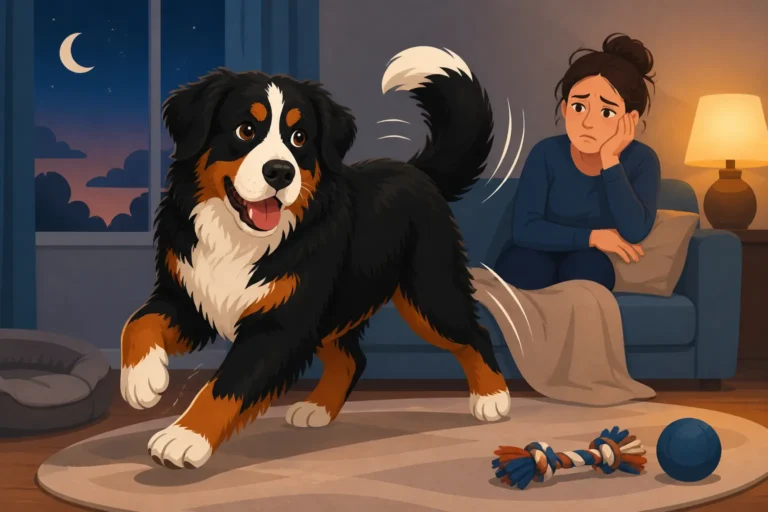
Bernese Mountain Dog evening restlessness stems from unmet physical and mental needs or unfulfilled working heritage habits.
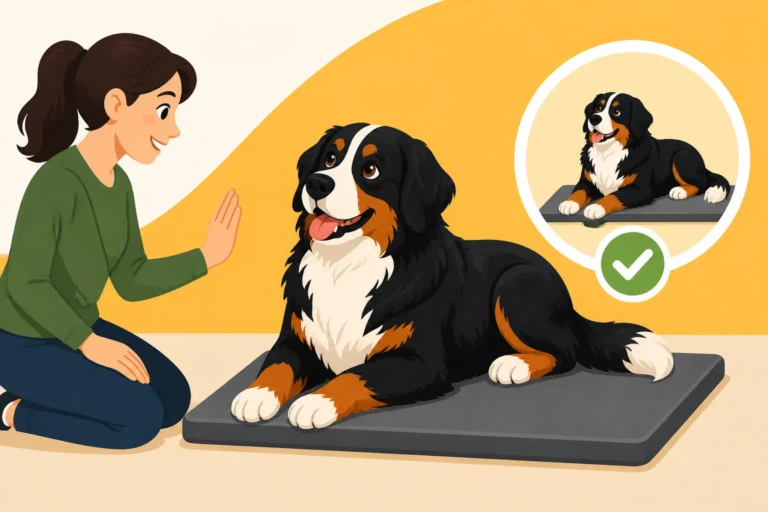
Teaching a 100-pound Bernese Mountain Dog to stay on a mat prevents household trip hazards during busy evening activities.

Bernese Mountain Dog sleeping arrangements involve balancing emotional pack instincts and the practical challenges of sharing bedroom space.
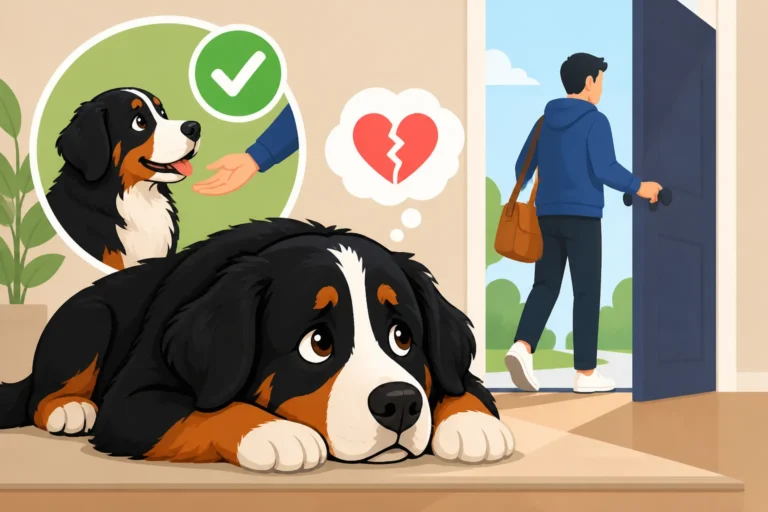
Bernese Mountain Dog separation anxiety, distress signs, and independence training methods for owners leaving home safely.

Bernese Mountain Dog alone time distress requires practical strategies to build confidence and stretch solitary hours safely.

Bernese Mountain Dogs need constant human companionship because their Swiss Alps farm history created a deeply social working breed.