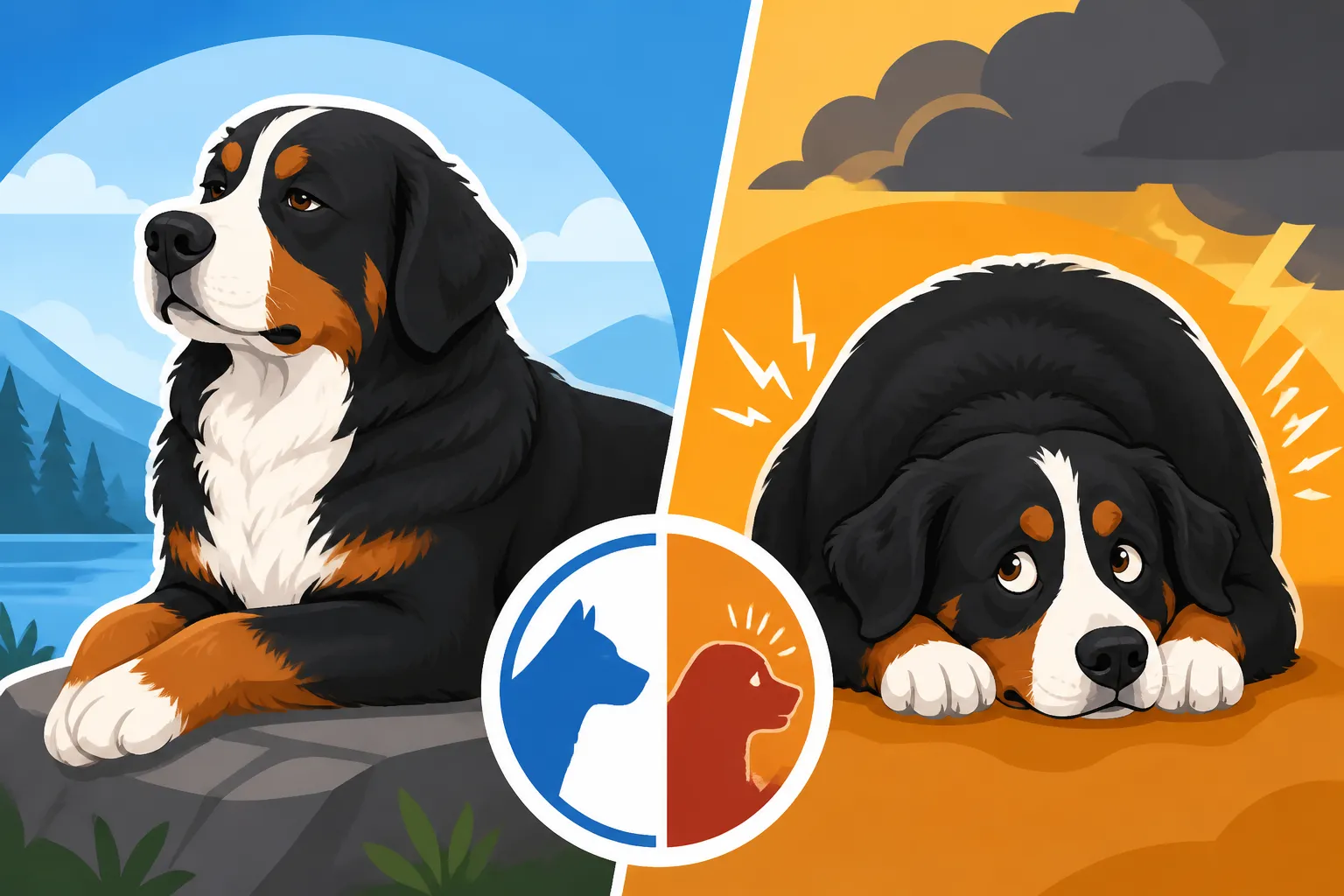
Telling Aloof From Fearful in a Bernese Mountain Dog
It’s a common dilemma for Bernese Mountain Dog owners: you see your beloved companion being a bit reserved or hesitant, and you instantly wonder, "Are they just being their usual independent Berner self, or are they genuinely scared?" It’s a crucial distinction, because how you interpret their behavior dictates your response, and getting it wrong can inadvertently make things worse. This guide is here to help you navigate those subtle cues, understand your Berner’s true feelings, and respond in a way that fosters confidence and security, whether they're merely aloof or truly experiencing fear.
Understanding the Bernese Mountain Dog's Natural Temperament
Bernese Mountain Dogs are often described as "gentle giants" with a generally good-natured disposition. However, like all breeds, they have a set of inherent traits and a breed standard that guides our understanding of their typical temperament. It's important to differentiate this natural predisposition from behavioral issues stemming from fear or anxiety.
The Breed Standard's View of Temperament
The official breed standard for the Bernese Mountain Dog typically describes them as "good-natured," "self-confident," and "peaceful." It also acknowledges a certain degree of "aloofness with strangers." This isn't a flaw; it's a characteristic. An aloof Berner isn't necessarily shy or fearful; they simply might not feel the immediate need to engage with every new person they meet. They observe, they process, and they decide if an interaction is warranted. Think of it less as disinterest and more as a dignified reserve. They aren't going to jump up and demand attention from everyone who walks by, which can be a relief when you have a hundred pounds of dog! This natural caution can sometimes be mistaken for something more concerning if you're not familiar with the breed's nuances. It's a hallmark of a sound Berner temperament to be watchful and discerning rather than overly boisterous or indiscriminately friendly.
A properly socialized Bernese Mountain Dog should be comfortable in various environments, even if they aren't initiating contact with every new face. They should be calm and steady, not panicky or reactive. The goal is a dog that is secure in itself, regardless of whether it's showering attention on strangers or quietly observing them. When you read What the Standard Means by an Aloof Bernese Mountain Dog, you'll see this distinction emphasized. It’s about a dog that is confident in its own skin, even if that skin prefers a bit of personal space with new acquaintances.
When "Aloof" Isn't a Problem
True aloofness in a Bernese Mountain Dog is usually expressed as a calm, observant demeanor. Your Berner might stand a few feet away from a new visitor, watching them with a relaxed posture and a soft gaze. They might sniff the air, gather information, and then perhaps eventually approach on their own terms, or just decide the new person isn't worth a full-body greeting. There's no tail tucked, no trembling, no frantic attempts to escape. Their ears are relaxed, their body is loose, and they might even lean slightly away if approached too quickly, but without showing panic. This is often just them taking their time, assessing the situation, and deciding how they want to interact. It’s a sign of a thoughtful, self-possessed dog, not a scared one.
Consider your Berner at the park. If they greet familiar friends with enthusiasm but simply walk past a new person without acknowledging them, that’s aloofness. If they calmly lie down near you while a group of strangers walks by, seemingly disinterested but not tense, that’s also aloofness. They're just not everyone's best friend on the first meeting, and that's perfectly fine. We want them to be Self-Confident and Good-Natured in the Bernese Mountain Dog Standard, and sometimes that means not being excessively effusive.
Recognizing Signs of Fear in Your Bernese Mountain Dog
While aloofness is a personality trait, fear is an emotional state that can manifest in various ways, from subtle body language to overt reactions. Missing these signs can lead to stress for your Berner and potentially escalate the behavior.
Subtle Cues and Body Language
Fear in Bernese Mountain Dogs, especially those with a naturally reserved nature, can often start with very subtle cues. These aren't always dramatic growls or frantic escapes. You might notice your Berner freezing in place, becoming rigid, or looking away intentionally when a perceived threat approaches. Their ears might be pulled back slightly, or their tail might be held lower than usual, perhaps tucked completely between their legs. Their eyes might dart around nervously, or show the whites (often called "whale eye"). They might yawn excessively, lick their lips, or suddenly start sniffing the ground intensely, almost as if trying to distract themselves or diffuse the situation. Some might even try to make themselves smaller, crouching or lowering their head.
A prime example is when a child, perhaps unfamiliar with large dogs, tries to rush up and pet them. An aloof Berner might simply step away, maintaining their distance. A fearful Berner, however, might freeze, lower its head, avoid eye contact, and perhaps even offer a quick lip lick or a low tail wag that isn't truly happy but rather an appeasement gesture. These are often precursors to more pronounced fear responses. Paying attention to these small details is key. You can find more on Reading Fear in a Bernese Mountain Dog That Retreats. It’s about understanding their silent language before it turns into a shout.
Overt Reactions to Stressors
When subtle cues are ignored, or if the stressor is particularly intense, a fearful Bernese Mountain Dog can exhibit more overt reactions. This might include trembling, shaking, or heavy panting even when not hot or exerting themselves. They might try to hide behind you, wedge themselves into a corner, or actively attempt to flee the situation. Some fearful dogs might even resort to defensive aggression – growling, barking, or snapping – if they feel cornered and unable to escape. This isn't malice; it's a desperate attempt to create distance and protect themselves from what they perceive as a threat.
Imagine a sudden loud noise, like a firework or a dropped pot. An aloof Berner might startle, glance towards the noise, and then settle back down. A fearful Berner might bolt under a table, whine, tremble uncontrollably, or even lose bladder control. If they encounter a strange dog that approaches too quickly, an aloof Berner might stand its ground, but a fearful one might cower, try to hide, or even lunge out of fear, causing a situation where Whether a Nervous Bernese Mountain Dog Snaps becomes a real concern. These are clear indicators that your dog is not just reserved but truly distressed and needs your reassurance and protection.
How to Approach a Reserved or Fearful Bernese Mountain Dog
Understanding the difference is the first step; the next is knowing how to respond appropriately. Your actions can either reinforce fear or help build confidence.
Respecting Their Space
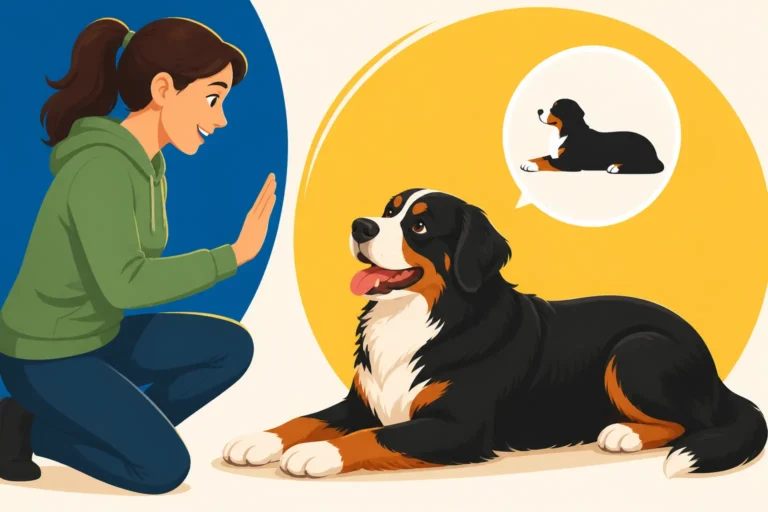
Whether your Bernese Mountain Dog is aloof or genuinely fearful, respecting their personal space is paramount. For an aloof Berner, it prevents them from feeling pressured, allowing them to engage on their own terms. For a fearful Berner, it provides a sense of safety and reduces the perceived threat. Never force an interaction. If your Berner is hesitant about a new person, instruct that person to ignore the dog initially. Encourage them to sit down, turn sideways, and avoid direct eye contact, allowing the Berner to approach if and when they feel comfortable. Teaching Strangers How to Greet a Bernese Mountain Dog covers this in detail.
When you're out and about, if your Berner shows signs of fear – even subtle ones – create distance from the stressor. Cross the street if another dog is approaching too fast, or calmly move to a quieter area if a crowd is overwhelming them. This isn't coddling; it's advocating for your dog and teaching them that you are their safe harbor. Products like a longer lead, easily found on Amazon, can give you more control to manage distance from triggers without dragging your dog along.
Building Positive Associations
The goal is to change your Bernese Mountain Dog's emotional response to perceived threats, replacing fear or anxiety with positive feelings. This involves creating enjoyable experiences in the presence of whatever makes them nervous, but at a low enough intensity that they don't feel overwhelmed. If your Berner is nervous around new people, have those people toss high-value treats (like small pieces of chicken or cheese) towards your dog without trying to pet them. This builds a positive association: new person = delicious food, without the pressure of physical interaction.
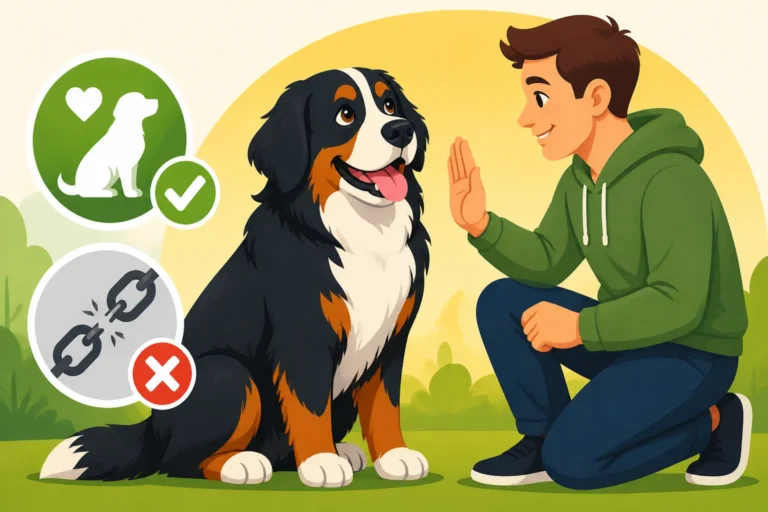
For sounds, play recordings of the scary noises at a very low volume while your dog enjoys a meal or a favorite chew toy. Gradually increase the volume over many sessions, always ensuring your dog remains relaxed. This process, often called desensitization and counter-conditioning, can be incredibly effective. Enrichment toys, available from retailers like Amazon, can also be used to distract and engage a slightly nervous Berner, giving them something positive to focus on. Consistent positive reinforcement, without any harsh corrections, is vital when dealing with a sensitive breed like the Bernese Mountain Dog. Remember, you want to train your Berner without breaking it.
Long-Term Strategies for Building Confidence
Addressing fear and managing aloofness is an ongoing journey that requires patience, consistency, and sometimes professional help.
Gentle Socialization and Exposure
Early, thoughtful socialization is crucial for Bernese Mountain Dog puppies to develop into confident adults. This means exposing them to a wide variety of sights, sounds, people, and other friendly dogs in a positive and controlled manner. For a reserved or fearful Berner, continued gentle exposure is still important, but it must be done carefully to avoid overwhelming them. Focus on quality over quantity. Instead of throwing them into a busy dog park, arrange one-on-one playdates with calm, well-socialized dogs. Take them to quiet public places just to observe, rewarding calm behavior.
Never force your Berner into situations they are clearly uncomfortable with. This can backfire and worsen their fear. Instead, find their threshold – the point at which they start to show signs of discomfort – and work below it. Keep exposures short, positive, and end them before your dog becomes stressed. For puppies, the article What a Bernese Mountain Dog Puppy Should Meet Early offers great advice on foundational experiences. Over time, as their confidence grows, you might see Whether a Shy Bernese Mountain Dog Grows Confident.
Professional Guidance and Support
If your Bernese Mountain Dog exhibits persistent or severe fear, or if their fear manifests as aggression, seeking professional help from a certified professional dog trainer or a veterinary behaviorist is essential. They can accurately assess the root cause of the behavior, rule out any underlying medical conditions, and develop a tailored behavior modification plan. Trying to address deep-seated fear on your own can be challenging and sometimes even dangerous.
A qualified professional can guide you through advanced techniques like desensitization, counter-conditioning, and behavior adjustment training (BAT), ensuring you implement them safely and effectively. They can also teach you how to read your dog's body language more precisely and provide strategies for managing challenging situations. Look for trainers who use positive reinforcement methods exclusively, as punishment-based techniques can exacerbate fear in sensitive dogs like Berners. Online training platforms, such as those offered by BAXTER & Bella, can also provide valuable resources and virtual coaching for owners seeking to build their dog's confidence from home, especially if local resources are limited.
Aloof vs. Fearful: A Quick Comparison
To help you quickly discern between typical Bernese aloofness and genuine fear, here's a comparative overview of key behaviors:
| Behavior Aspect | Aloof Bernese Mountain Dog | Fearful Bernese Mountain Dog |
|---|---|---|
| Body Posture | Relaxed, loose, sometimes slightly leaning away | Tense, rigid, crouched, trying to make themselves smaller |
| Tail Position | Neutral, low wag, or slight wag, not tucked | Tucked tightly between legs, or low and rigid |
| Eye Contact | Observant, soft gaze, might break contact to observe | Avoids eye contact, darting eyes, "whale eye" (whites visible) |
| Ears | Relaxed, natural position, might be slightly back | Pulled back flat against head, or flickering nervously |
| Movement | Calmly walks away, observes from a distance, approaches on own terms | Freezes, trembles, tries to hide, attempts to flee, may lunge |
| Vocalizations | Generally quiet, might offer a calm greeting bark | Whining, whimpering, growling, fearful barking |
| Mouth/Facial | Closed mouth, soft expression, relaxed muzzle | Lip licking, yawning, tight mouth, panting (when not hot/exercising) |
| Response to Touch | Tolerant, might lean into familiar touch, might move away from unwanted touch | Flitches, pulls away sharply, might snap if cornered |
This table is a general guide; individual dogs may show variations. Always consider the full context of the situation and consult a professional if you're unsure or concerned.
Conclusion
Understanding your Bernese Mountain Dog means learning to speak their subtle language. Distinguishing between a natural, dignified aloofness and genuine fear is not just about avoiding misinterpretations; it's about building a stronger, more trusting relationship with your beloved companion. By respecting their need for space, building positive associations, and seeking professional guidance when necessary, you can help your Berner navigate the world with greater confidence and security, ensuring they live a happy, well-adjusted life by your side. Remember, every Berner is an individual, and taking the time to truly see and respond to their unique needs is the greatest gift you can give them.
Disclaimer
This article is for general informational purposes only and does not constitute professional advice. Laws, prices and regulations vary by location and change over time. Consult a qualified professional for guidance on your specific situation.