What Ends a Bernese Mountain Dog’s Life
It’s a heartbreaking truth that often casts a shadow over the joy of owning a Bernese Mountain Dog: their relatively short lifespan. Many Berner parents grapple with the devastating reality that their beloved companions, despite their grand size and even grander hearts, often leave us far too soon. This comprehensive guide aims to shed light on the primary health challenges and causes of death in Bernese Mountain Dogs, helping you understand what to watch for, how to potentially mitigate risks, and how to cope with the unique heartbreak of their shorter years.
The Heartbreaking Reality of Bernese Mountain Dog Lifespan
Bringing a Bernese Mountain Dog into your home is an unparalleled experience filled with love, laughter, and a surprising amount of fur. Yet, from the very beginning, most Berner owners are acutely aware of one stark fact: these magnificent dogs have a notoriously short life expectancy. While other large breeds might live into their early teens, the average Bernese Mountain Dog often only reaches seven or eight years of age, leaving many families feeling robbed of precious time. It's a reality that can make every moment with them feel simultaneously more cherished and more fleeting, and it’s a frustration that binds many Berner enthusiasts together.
Why Berners Live Shorter Lives
The question "Why a Bernese Mountain Dog Lives Only Seven or Eight Years" is one that haunts many owners and breeders alike. While researchers continue to delve into the complex genetics and environmental factors at play, several key elements contribute to this shorter lifespan. Firstly, like many large and giant breeds, Bernese Mountain Dogs are prone to certain health conditions that accelerate aging and lead to early mortality. Their rapid growth as puppies, for instance, places significant stress on their developing skeletal system, often leading to joint issues later in life.
Beyond that, the breed’s genetic lineage, though beautiful and distinctive, has unfortunately concentrated certain predispositions. Unlike some breeds where a single, specific disease is the primary concern, Berners face a multi-faceted assault from several severe health conditions, with cancer being overwhelmingly prominent. This genetic vulnerability means that even with the best care, nutrition, and exercise, a Berner may still succumb to illnesses that are simply more prevalent in their breed. It's not a reflection of your care, but often a cruel genetic lottery that leaves us all longing for more years.
The Emotional Toll on Owners
The knowledge that your furry family member might only be with you for a handful of years can cast a long, heavy shadow. It's a different kind of grief, one that begins almost at the moment you welcome them home. Owners often feel a constant awareness that their time is limited, leading to an intensified experience of their dog's puppyhood, adolescence, and eventual senior years. Every gray hair, every slower walk, every joint stiffness becomes a poignant reminder of the inevitable.
This emotional burden can manifest in various ways, from a deep sadness that permeates daily life to an almost obsessive vigilance over their health. It's common for Berner owners to become experts in "The Bernese Mountain Dog Health Panel" and scour databases like Berner-Garde, trying to find any edge against the odds. The deep bond formed with these loving, gentle giants makes their loss particularly devastating, and the brevity of their lives only amplifies the sense of injustice. Knowing that many Berner owners face this same journey can, at least, offer some solace in shared experience, but it never truly lessens the ache of an impending farewell.
Cancer: The Undisputed Leading Cause of Death
If there's one word that strikes fear into the heart of a Bernese Mountain Dog owner, it's "cancer." This insidious disease is, by far, the most common cause of premature death in the breed, accounting for a staggering percentage of fatalities. It's not just a statistic; it's a lived nightmare for countless families who watch their vibrant, loving Berner decline far too quickly. This prevalence is what truly defines "What Ends a Bernese Mountain Dog's Life" for so many.
Histiocytic Sarcoma: The Berner's Nemesis
Among the various forms of cancer, Histiocytic Sarcoma in a Bernese Mountain Dog stands out as a particularly aggressive and unfortunately common foe. This is "The Cancer That Kills Half of All Bernese Mountain Dogs," a truly shocking statistic that underscores its devastating impact. Histiocytic sarcoma is a malignant tumor of cells called histiocytes, which are part of the immune system. It can appear anywhere in the body – on the skin, in the spleen, lungs, lymph nodes, bone marrow, or joints. Its aggressive nature means it spreads rapidly and often presents with vague symptoms, making early detection incredibly challenging.
For owners, the initial signs can be subtle, such as a slight limp that might be mistaken for a minor sprain or arthritis, or just a general "off" feeling in their dog. By the time a definitive diagnosis is made, the disease is often advanced, leaving little time for effective treatment. The prognosis is typically grim, with survival times often measured in mere weeks or a few months, even with aggressive interventions like chemotherapy. It's a cruel reality that hits hard, reminding us of the urgency to understand and support research into this devastating condition.
Other Common Cancers in Bernese Mountain Dogs
While histiocytic sarcoma takes a particularly heavy toll, Bernese Mountain Dogs are also highly susceptible to other forms of cancer, including lymphoma and mast cell tumors. Lymphoma, a cancer of the lymphatic system, can affect lymph nodes, spleen, liver, and bone marrow. It often presents as swollen lymph nodes, lethargy, or loss of appetite. While treatment options like chemotherapy can sometimes lead to remission, it's often a difficult and expensive battle.
Mast cell tumors, which originate from mast cells in the immune system, can develop anywhere on or under the skin, or internally in organs like the spleen, lymph nodes, or bone marrow. These tumors can be notoriously unpredictable, ranging from benign to highly malignant, and their appearance can vary greatly. What might seem like an innocent lump could be a rapidly spreading, life-threatening mass. This means that "Lumps a Bernese Mountain Dog Owner Should Not Watch" but instead get checked immediately. The high incidence of these various cancers means that vigilance and regular veterinary check-ups are absolutely crucial for any Berner.
Understanding the Genetic Predisposition
The overwhelming prevalence of cancer in Bernese Mountain Dogs isn't a random occurrence; it's deeply rooted in their genetics. Research has shown that a specific gene mutation, particularly in the CDKN2A gene, is strongly associated with an increased risk of histiocytic sarcoma and other cancers in the breed. This genetic vulnerability raises the difficult question of "Whether Cancer Is Bred Into the Bernese Mountain Dog." While responsible breeders strive to make informed decisions, the widespread nature of these cancer genes within the breed's gene pool makes eradication a monumental, if not impossible, task.
Breeders rely heavily on tools like the Berner-Garde Database to track health information, including cancer diagnoses and longevity, to make the best possible breeding choices. They also conduct genetic testing for other conditions, but cancer remains a complex challenge. For owners, understanding this genetic predisposition means that proactive health monitoring and early diagnostic screenings are paramount. It's a constant battle against their genetic lottery, and while we can't change their DNA, we can be their fiercest advocates in the face of this formidable foe.
Musculoskeletal Issues: When Their Legs Give Out
Beyond the pervasive threat of cancer, Bernese Mountain Dogs are also highly susceptible to a range of musculoskeletal issues. Their impressive size and rapid growth rate put immense strain on their joints, often leading to debilitating conditions that significantly impact their quality of life and, in some cases, can necessitate difficult end-of-life decisions. It's heartbreaking to watch a once-majestic Berner struggle with mobility, a common pathway to the end for many.
Hip and Elbow Dysplasia: A Lifetime of Pain
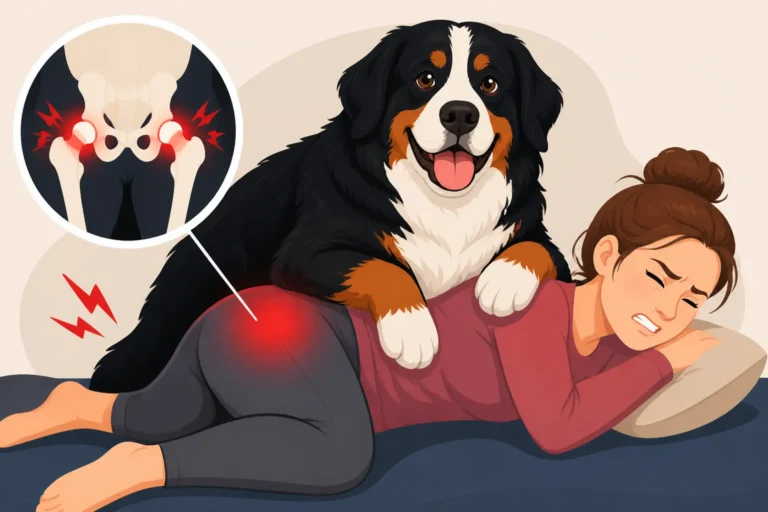
Perhaps the most well-known joint issues in large breeds like the Berner are hip and elbow dysplasia. These are developmental conditions where the hip or elbow joints don't form correctly, leading to looseness, instability, and eventually, painful arthritis. For a hundred-pound Bernese Mountain Dog, every single movement can become a source of discomfort. Signs can appear early, even in puppyhood, with a hesitant gait, difficulty rising, or a reluctance to play.
While severe cases may lead to surgical interventions like total hip replacement, these procedures are costly, involve lengthy recovery times, and aren't always a viable option, especially for a large dog like a Berner. Many owners find themselves managing "Joint Disease in a Hundred Pound Bernese Mountain Dog" with a combination of pain medication, anti-inflammatory drugs, supplements, and physical therapy. While these measures can improve comfort, the progressive nature of these conditions often means a gradual decline in mobility, eventually forcing owners to confront difficult choices about their dog's quality of life. Maintaining a healthy weight and ensuring controlled exercise during puppyhood are critical preventative steps, but genetics still play a huge role.
Degenerative Myelopathy: The Progressive Paralysis
Another devastating neurological condition that commonly affects Bernese Mountain Dogs is Degenerative Myelopathy (DM). This progressive disease attacks the spinal cord, leading to weakness, loss of coordination, and eventually paralysis, most notably affecting "The Bernese Mountain Dog Whose Back Legs Give Out." The initial signs are often subtle, such as a slight dragging of the back paws, scuffing of nails, or wobbling in the hindquarters.
DM is typically painless, which, in a way, makes it even more cruel because the dog's mind remains alert and engaged even as their body fails them. As the disease progresses, dogs lose the ability to walk, stand, and control their bladder and bowels. For a large dog, managing a paralyzed Berner requires immense physical and emotional commitment. While mobility carts and supportive care can extend their active life, the eventual full paralysis is a profound challenge, and deciding "Deciding When to Let a Paralyzed Bernese Mountain Dog Go" becomes an inevitable, wrenching decision. Genetic testing, specifically the SOD1 test, can identify dogs at risk, but there is currently no cure for DM.
Arthritis and Other Joint Ailments
Even if a Bernese Mountain Dog escapes the more severe forms of dysplasia or DM, they are still highly susceptible to developing general arthritis as they age. Their large size means more wear and tear on their joints over time. This chronic pain can severely impact their ability to move, play, and even perform basic functions like getting up from a lying position.
Beyond the major joints, other orthopedic issues like osteochondritis dissecans (OCD) or torn cruciate ligaments can also plague Berners. These conditions often require surgery and extensive recovery. Managing arthritis and other joint pain is a critical component of geriatric care for these dogs. This includes medications, supplements like glucosamine and chondroitin, cold laser therapy, acupuncture, and maintaining a lean body weight to reduce joint stress. While these measures can extend their comfort, the cumulative effect of joint issues often leads to a diminished quality of life, which eventually becomes a primary factor in end-of-life considerations for many Berner families.
Gastrointestinal Emergencies: The Sudden Threat of Bloat
One of the most terrifying and sudden threats to a Bernese Mountain Dog's life is a condition commonly known as bloat, or Gastric Dilatation-Volvulus (GDV). This acute, life-threatening emergency can strike without warning, turning a perfectly healthy dog into one fighting for its life within hours. The urgency of this condition means understanding its signs and acting quickly is paramount for any Berner owner.
Understanding Gastric Dilatation-Volvulus (GDV)
Gastric Dilatation-Volvulus, or bloat, is a condition where a dog's stomach fills with gas, food, or fluid (dilatation) and then twists upon itself (volvulus). This twisting cuts off blood flow to the stomach and often the spleen, and prevents gas from escaping, causing immense pain and rapid deterioration. The pressure from the distended stomach can also impair breathing and affect heart function. Deep-chested breeds like the Bernese Mountain Dog are particularly susceptible to this condition. It's a horrifying reality for many Bernese owners, earning GDV the somber nickname "Bloat in a Deep-Chested Bernese Mountain Dog."
Symptoms can include a distended abdomen, unproductive retching (trying to vomit but nothing comes up), excessive drooling, restlessness, pacing, an arched back, and signs of pain. As the condition progresses, the dog may collapse, their gums may turn pale, and their heart rate will accelerate. If you suspect bloat, it is an immediate veterinary emergency. Every minute counts, as the risk of organ damage and death increases exponentially without rapid intervention.
Prevention and Early Intervention
Given the sudden and life-threatening nature of bloat, prevention and swift action are crucial. One common preventive measure is a prophylactic gastropexy, a surgical procedure where the stomach is tacked to the abdominal wall to prevent it from twisting. This can be done as a stand-alone procedure or often at the same time as spaying or neutering. While it doesn't prevent the stomach from dilating (filling with gas), it drastically reduces the risk of the much more dangerous twisting (volvulus).
Other preventative strategies include feeding two or more smaller meals a day instead of one large meal, using slow-feeder bowls, avoiding vigorous exercise an hour before and after meals, and ensuring constant access to fresh water. While these measures can help, they are not foolproof, and bloat can still occur. For owners whose Berner displays any signs of bloat, immediate transportation to an emergency veterinary clinic is the only course of action. Time is truly of the essence, and swift medical attention is the only hope for survival in these terrifying situations. Many emergency vets recommend having the number for a 24-hour clinic readily available for any "The Half-Hour That Decides a Bloated Bernese Mountain Dog" situation.
Other Significant Health Concerns
While cancer, joint issues, and bloat are the major players in ending a Bernese Mountain Dog's life, other significant health concerns can also contribute to their shortened lifespan or necessitate difficult end-of-life decisions. These conditions may not always be as widely discussed but are no less impactful for the individual dogs and their families.
Heart Conditions and Their Impact
Bernese Mountain Dogs can be prone to various heart conditions, some congenital (present from birth) and others acquired later in life. Dilated cardiomyopathy (DCM) is a particularly concerning condition where the heart muscle becomes thin and weak, leading to an enlarged heart and reduced ability to pump blood effectively. Symptoms might include lethargy, coughing, difficulty breathing, and exercise intolerance.
While DCM can be managed with medication to improve heart function and quality of life, it is a progressive disease that ultimately leads to heart failure. Regular veterinary check-ups, including cardiac exams and potentially echocardiograms, especially as your Berner ages, are important for early detection. Conditions like subvalvular aortic stenosis (SAS) can also be seen, a narrowing below the aortic valve that obstructs blood flow from the heart. Though less common than in some other large breeds, these cardiac issues contribute to the overall health burden and can be a silent factor in a Berner's decline.
Kidney Disease and Its Silent Progression
Kidney disease, both acute and chronic, can also impact Bernese Mountain Dogs. The kidneys play a vital role in filtering waste products from the blood, and when their function is compromised, toxins can build up in the body, leading to a host of health problems. Chronic kidney disease often progresses silently in its early stages, with symptoms only becoming apparent when a significant amount of kidney function has already been lost.
Signs of kidney disease can include increased thirst and urination, decreased appetite, weight loss, lethargy, and vomiting. While dietary changes and medications can help manage the condition and slow its progression, kidney disease is ultimately irreversible. Regular bloodwork, especially as your Bernese Mountain Dog ages, can help detect changes in kidney function early, allowing for intervention to prolong their life and improve comfort. This is one of the reasons "Bloodwork a Bernese Mountain Dog Should Have Yearly" is so important.
Bleeding Disorders and Anesthesia Risks
Bernese Mountain Dogs, like many purebred dogs, can be predisposed to certain bleeding disorders. One such condition is Von Willebrand's Disease (vWD), a common inherited bleeding disorder caused by a deficiency in a specific protein (Von Willebrand factor) essential for blood clotting. While many affected dogs live normal lives with no obvious symptoms, they can experience excessive bleeding during surgery, injury, or even routine procedures like nail trims.
For a Bernese Mountain Dog, understanding if they carry this trait is crucial, especially before any planned surgeries, including spaying or neutering. Breeders should screen their breeding dogs for vWD, and owners should inform their veterinarian about their dog's breed history. This knowledge allows vets to take precautions, such as administering a cryoprecipitate transfusion before surgery, to minimize bleeding risks. While not a direct cause of death in most cases, a severe bleeding event, particularly during an emergency surgery, could become life-threatening, making proper testing and communication with your vet critical.
The Role of Genetics and Responsible Breeding
Given the significant genetic predispositions to serious health conditions in the Bernese Mountain Dog, the role of genetics and responsible breeding practices cannot be overstated. Understanding a dog's lineage and health clearances is paramount for anyone considering bringing a Berner into their family. This proactive approach by breeders and buyers alike is the primary hope for improving the breed's health and longevity.
The Importance of Health Testing and Pedigree Research
Responsible breeders invest heavily in extensive health testing for their breeding stock. For Bernese Mountain Dogs, this typically includes certifications from organizations like the Orthopedic Foundation for Animals (OFA) for hips, elbows, shoulders, and patellas, as well as eye clearances from the Canine Eye Registry Foundation (CERF), now part of OFA Eye Certification Registry. Additionally, genetic tests are available for conditions like Von Willebrand's Disease (vWD) and Degenerative Myelopathy (DM). A breeder who performs "The Bernese Mountain Dog Health Panel" and openly shares these results demonstrates a commitment to the health of their puppies.
Beyond individual health clearances, reputable breeders also meticulously research pedigrees, looking at the health and longevity of ancestors and siblings. They strive to identify lines with a lower incidence of cancer and other common diseases. While no breeder can guarantee a puppy will never develop health issues, choosing a puppy from parents with clear health certifications and a lineage known for reasonable longevity significantly increases the chances of a healthier, longer-lived companion. This due diligence is critical to finding a healthy puppy.
How the Berner-Garde Database Helps
The Berner-Garde Foundation operates an invaluable open database that serves as a cornerstone for improving Bernese Mountain Dog health. This voluntary registry collects and compiles health information, including pedigrees, health clearances, and causes of death, for thousands of Bernese Mountain Dogs worldwide. For breeders, it's a vital tool for making informed decisions, allowing them to assess the health history of potential mates and identify trends in specific lines. "What the Berner-Garde Database Records" is a wealth of information that can guide thoughtful breeding practices.
For prospective owners, the Berner-Garde database provides an unprecedented level of transparency. You can research the health history of a puppy's parents, grandparents, and other relatives, giving you a clearer picture of potential genetic predispositions. While the database is a powerful tool, it relies on breeders and owners submitting information, particularly regarding causes of death. The more data submitted, the more comprehensive and effective the resource becomes in guiding efforts to improve the breed's overall health and extend "The Average Age a Bernese Mountain Dog Reaches."
Hope for the Future: Research and Longevity Efforts
Despite the heartbreaking health challenges, there is continuous hope driven by dedicated research and ongoing longevity efforts. Veterinarian scientists and breed clubs are actively working to understand the genetic basis of diseases like histiocytic sarcoma and degenerative myelopathy, striving to develop more accurate genetic tests, earlier diagnostic methods, and more effective treatments. Organizations like the Bernese Mountain Dog Club of America (BMDCA) often fund research into these breed-specific health issues.
Efforts also focus on identifying and promoting breeding practices that prioritize longevity. By tracking the age at death and causes of death in various lines through tools like Berner-Garde, breeders can subtly shift the gene pool towards greater resilience. While the average lifespan may not dramatically increase overnight, these concerted efforts offer the best hope for future generations of Bernese Mountain Dogs to live healthier, longer, and more comfortable lives. It's a testament to the dedication of the community that, even with such profound challenges, the pursuit of a healthier future for these beloved dogs continues.
Making the Difficult Decisions: Palliative Care and End-of-Life
The reality of a Bernese Mountain Dog's lifespan means that many owners will face end-of-life decisions sooner than they might with other breeds. This is a profoundly difficult journey, often fraught with guilt, sadness, and the overwhelming desire to do what's best for their beloved companion. Understanding the options for palliative care and knowing when it's time to say goodbye are crucial aspects of responsible Berner ownership.
Recognizing Signs of Decline
Identifying the subtle signs that your Bernese Mountain Dog is declining can be challenging, as these stoic dogs often try to hide their discomfort. However, there are several key indicators that it might be time to consider their quality of life. These include:
- Persistent Pain or Discomfort: Unmanaged pain from arthritis, cancer, or other conditions that no longer responds well to medication.
- Loss of Appetite and Weight Loss: A sustained disinterest in food, leading to significant weight loss and muscle wasting.
- Decreased Mobility: Significant difficulty walking, standing, getting up, or navigating stairs, even with assistance, indicating "Living With a Bernese Mountain Dog Losing Its Back Legs" or severe joint pain.
- Loss of Interest in Activities: No longer enjoying walks, toys, or interaction with family members, or showing signs of withdrawal.
- Incontinence: Inability to control bladder or bowel functions, leading to discomfort and hygiene issues.
- Respiratory Distress: Labored breathing, frequent coughing, or gasping for air.
- Chronic Vomiting or Diarrhea: Persistent gastrointestinal upset that isn't resolving with treatment.
It's important to differentiate between a "bad day" and a consistent decline in overall quality of life. Keeping a journal can sometimes help you objectively track these changes.
Supporting Your Berner in Their Golden Years
Providing "Palliative Care for a Bernese Mountain Dog" means focusing on comfort, dignity, and maximizing their remaining quality of life, rather than pursuing curative treatments that may no longer be effective or humane. This approach can include a variety of interventions tailored to your dog's specific needs:
- Pain Management: Working closely with your veterinarian to find the right combination of pain relievers, anti-inflammatories, and other medications to keep your Berner as comfortable as possible. This might involve exploring alternative therapies like acupuncture or hydrotherapy.
- Mobility Aids: Using orthopedic beds, ramps, harnesses designed for assistance, or even a doggy wheelchair to help them move around more easily and maintain some independence.
- Nutritional Support: Offering highly palatable foods, hand-feeding if necessary, and ensuring they stay hydrated.
- Environmental Adjustments: Making their living space more accessible and comfortable, ensuring easy access to food, water, and outdoor potty breaks.
- Emotional Support: Continuing to provide love, gentle petting, and familiar routines to keep them mentally engaged and feeling secure.
The goal is to alleviate suffering and allow them to enjoy their remaining time with minimal stress and maximum comfort, maintaining their personality and connection with the family for as long as possible.
When It's Time to Say Goodbye
This is undoubtedly the most agonizing decision any pet owner faces, particularly when their Berner's love and loyalty have been so profound. "Deciding When to Stop Treating a Bernese Mountain Dog" or when to opt for euthanasia is a deeply personal choice, but it’s one that should ultimately prioritize your dog's welfare and relief from suffering. Many veterinarians use a "quality of life scale" that helps owners objectively assess their pet's condition across various parameters like pain, appetite, hydration, hygiene, happiness, and mobility.
Consulting openly and honestly with your veterinarian, who can provide an objective assessment of your Berner's medical condition and prognosis, is invaluable. They can help you understand if the bad days are outweighing the good, and if further treatment is likely to cause more stress than benefit. Ultimately, the decision comes from a place of profound love – the ultimate act of kindness is to spare them prolonged suffering when there is no longer hope for a reasonable quality of life. Whether at home with a mobile vet or at the clinic, ensuring a peaceful, pain-free transition is the final, most loving gift we can give to our cherished Berners.
| Primary Cause of Death | Average Age Range | Key Characteristics/Impact |
|---|---|---|
| Cancer (e.g., Histiocytic Sarcoma, Lymphoma, Mast Cell Tumors) | 4-8 years | Rapidly aggressive, spreads quickly, often poor prognosis. |
| Musculoskeletal (e.g., Hip/Elbow Dysplasia, Degenerative Myelopathy, Arthritis) | 6-9 years | Progressive pain, loss of mobility, paralysis, reduced quality of life. |
| Bloat (GDV) | Any age, but higher risk in middle-aged/senior | Sudden onset, life-threatening emergency, requires immediate surgery. |
| Cardiac Conditions (e.g., Dilated Cardiomyopathy) | 6-9 years | Progressive heart failure, lethargy, coughing, breathing difficulties. |
| Kidney Disease | 7-10 years | Progressive organ failure, increased thirst, weight loss, lethargy. |
Disclaimer
Please remember that the information provided in this guide is for educational purposes only and should not be considered a substitute for professional veterinary advice. Always consult with a qualified veterinarian regarding your Bernese Mountain Dog's specific health concerns and treatment options. Every dog is an individual, and their health journey will be unique.