The One in Four Bernese Mountain Dogs With Histiocytic Sarcoma
Few things hit harder than hearing that devastating word: cancer. And for us Bernese Mountain Dog families, the heartbreak is often amplified by the brutal reality of histiocytic sarcoma, a particularly aggressive form of cancer that, tragically, affects an astonishing one in four of our beloved companions. This guide aims to shed light on this devastating disease, helping you understand its nature, recognize its early signs, and navigate the difficult path of diagnosis and treatment, should you ever face it with your cherished Berner.
Understanding the Shadow: What is Histiocytic Sarcoma?
Histiocytic sarcoma, often abbreviated as HS, is a truly formidable opponent in the world of canine cancers. Unlike some other forms of cancer that might grow slowly or respond predictably to treatment, HS is known for its aggressive nature and rapid progression. It arises from cells called histiocytes, which are part of the immune system. These cells normally play a vital role in defending the body, but when they turn cancerous, they multiply uncontrollably and can spread quickly throughout the body.
The Aggressive Nature of This Cancer
Imagine a silent, stealthy enemy that can pop up almost anywhere. That's a good way to picture histiocytic sarcoma. It’s notorious for its rapid onset and ability to metastasize, or spread, very quickly. While some cancers might give you a bit of a grace period, HS often doesn't. Owners frequently report a sudden decline in their dog's health, seemingly overnight, with symptoms worsening at an alarming rate. This aggressive characteristic is what makes early detection so critically important, though often incredibly challenging, as we'll discuss. It's a cruel twist that this particular cancer is so prevalent in a breed already known for a shorter lifespan. It’s part of the reason discussions around topics like The Cancer That Kills Half of All Bernese Mountain Dogs are so vital for our community.
Different Forms of Histiocytic Sarcoma
Histiocytic sarcoma isn't a single, uniform entity; it manifests in a few different forms, each with its own characteristics and typical locations. Understanding these variations can help paint a clearer picture of what you might be dealing with.
The most common forms are localized histiocytic sarcoma and disseminated (or systemic) histiocytic sarcoma. Localized forms tend to appear as single masses, often on a limb or in an internal organ like the spleen or lung. While they start in one spot, their aggressive nature means they can still spread quickly if not addressed. Disseminated HS, on the other hand, is much more insidious. It involves multiple sites simultaneously, often affecting internal organs like the spleen, liver, lymph nodes, lungs, and bone marrow, or even the skin and central nervous system. This form is particularly devastating because it's already widespread by the time symptoms become apparent, making treatment incredibly difficult. There's also a rarer form known as hemophagocytic histiocytic sarcoma, which primarily affects the spleen and bone marrow, leading to severe anemia and blood abnormalities. Each form presents unique challenges, and recognizing which type your Berner might be facing is crucial for the veterinary team to formulate any potential treatment plan.
The Stark Reality: One in Four Berners Affected
The statistic is chilling for any Bernese Mountain Dog owner: one in four Berners will be affected by histiocytic sarcoma. It's not just a number; it represents countless families facing unimaginable heartbreak. This breed-specific predisposition is one of the most heartbreaking aspects of owning a Bernese Mountain Dog. It means that while you can take every precaution, feed the best food, and provide the most loving home, the genetic lottery still plays a significant role.
Why Bernese Mountain Dogs Are So Vulnerable
The staggering prevalence of histiocytic sarcoma in Bernese Mountain Dogs isn't just bad luck; it's a deeply ingrained genetic issue. Through extensive research, scientists have identified specific genetic markers that are strongly associated with an increased risk of developing this cancer in Berners. This means the susceptibility is literally written into their DNA. It's a cruel legacy, born partly from the breed's historical bottleneck and the breeding practices that focused on specific traits, inadvertently concentrating these harmful genes.
This genetic predisposition is a constant source of concern for breeders and owners alike, leading to crucial conversations about Whether Cancer Is Bred Into the Bernese Mountain Dog. While no responsible breeder wants to propagate disease, the complexity of canine genetics means that even with careful screening, eliminating these genes entirely is a monumental task. Researchers are working tirelessly to pinpoint the exact genes and develop more effective screening tools, but for now, the vulnerability remains a stark reality for the breed.
The Statistical Impact on the Breed
To say "one in four" is to really grasp the pervasive nature of this disease within the Bernese Mountain Dog population. It means that if you own multiple Berners, or if you're part of a Berner community, you will almost certainly know a dog affected by HS. It reshapes expectations for longevity, often overshadowing other common health issues that large breeds face. When you talk about The Age Histiocytic Sarcoma Reaches a Bernese Mountain Dog, it often strikes in their prime, adding to the tragedy.
This high incidence drives significant research efforts and highlights the immense financial and emotional burden on owners. The possibility of facing such an aggressive cancer means that pet insurance, from providers like Healthy Paws, becomes less of a luxury and more of a critical safety net for many Berner families. It ensures that when the time comes, financial constraints don't dictate the impossible decisions about a beloved family member's care. This pervasive risk underscores why comprehensive health testing and transparent breeding practices are so incredibly important, even if they can't entirely eliminate the threat.
Recognizing the Early Whispers: Signs and Symptoms
One of the most frustrating aspects of histiocytic sarcoma is how cunningly it can present itself. The initial signs are often vague, mimicking less serious ailments, which makes early detection a true challenge. As a Berner parent, you’re always attuned to your dog’s subtle shifts, and with HS, those shifts can be incredibly subtle at first.
Subtle Changes That Signal Trouble
It’s easy to dismiss a bit of lethargy or a slightly decreased appetite as just a "bad day" for your big, lovable Berner. But these non-specific symptoms can often be the first, quiet whispers of something far more serious like histiocytic sarcoma. You might notice your dog seems a little less enthusiastic about walks, slower to get up, or perhaps not finishing their meals with their usual gusto. A slight, unexplained weight loss, even just a pound or two at first, can also be a red flag. Sometimes, it’s just a change in their general demeanor – perhaps a bit more withdrawn, less playful, or simply "off."
Because these signs are so general, it's easy to second-guess yourself. "Are they just getting older?" "Did they eat something they shouldn't have?" "Maybe it's just the weather?" These are natural thoughts, but with a breed so prone to HS, it’s crucial to take even these subtle, persistent changes seriously. Don't dismiss your gut feeling if something just doesn't seem right. These are often The First Signs of Histiocytic Sarcoma in a Bernese Mountain Dog, and while they might not scream "cancer," they warrant a prompt visit to your vet.
Localized vs. Systemic Manifestations
The specific symptoms your Berner might exhibit often depend on where the histiocytic sarcoma has decided to set up shop. This is where understanding What Histiocytic Sarcoma Does Inside a Bernese Mountain Dog becomes incredibly important.
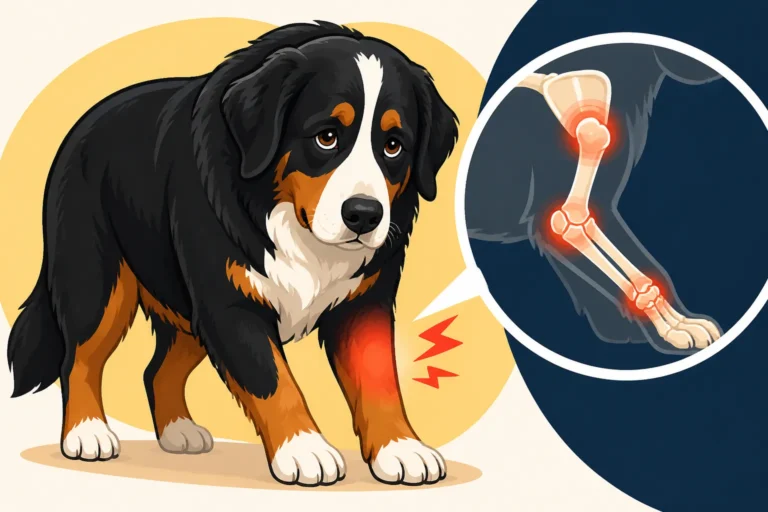
If the cancer is a localized form affecting a limb, you might see lameness that doesn't resolve, perhaps intermittent at first, then becoming more constant. Swelling around a joint that seems disproportionate to any injury, or persistent pain when the area is touched, could indicate bone involvement. For example, if it's in the joint, your Berner might favor one leg, or even refuse to bear weight, similar to severe arthritis.
When HS becomes systemic or disseminated, the symptoms can be much more varied and widespread, reflecting the multiple organs affected. You might observe:
- Respiratory issues: If the lungs are involved, you could notice coughing, difficulty breathing, or increased panting, especially after mild exertion.
- Abdominal discomfort: If the spleen or liver is affected, you might see a distended abdomen, vomiting, diarrhea, or a decreased appetite leading to significant weight loss.
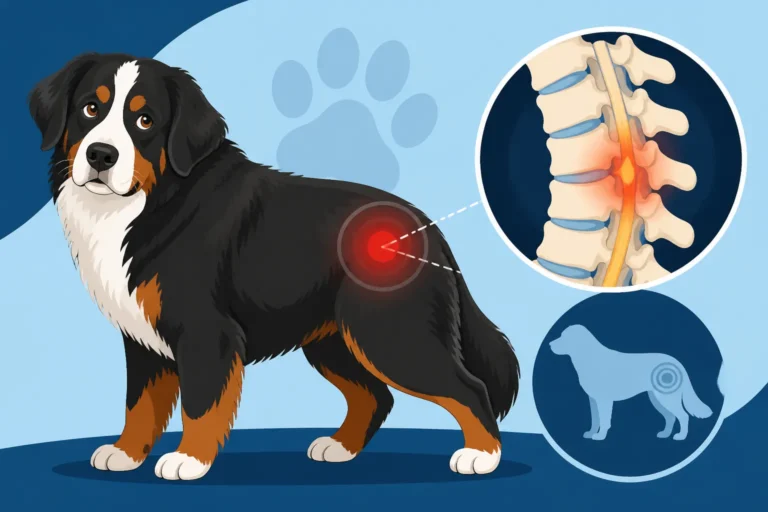
- Neurological signs: In rarer cases where the brain or spinal cord is involved, you might see seizures, changes in gait, weakness, or even behavioral shifts.
- Skin lesions: Occasionally, HS can present as firm, non-painful lumps or nodules on or under the skin. These might feel distinct from the fatty benign lumps Berners can get.
- Anemia: General weakness, pale gums, and extreme lethargy can point to the hemophagocytic form, where the cancer cells destroy red blood cells in the bone marrow and spleen.
The key is the persistence and progression of these signs. While a single cough or a day of reduced appetite might not be alarming, if these symptoms continue or worsen, it's absolutely time to seek veterinary attention and specifically discuss the possibility of histiocytic sarcoma.
The Diagnostic Journey: Getting a Confirmed Answer
Receiving a diagnosis of histiocytic sarcoma is often a long, agonizing process, and it's not for the faint of heart. The disease's tricky nature means that getting a definitive answer often requires multiple tests and a dedicated veterinary team.
The Challenge of Diagnosis
The biggest hurdle in diagnosing histiocytic sarcoma is its ability to masquerade as other, less severe conditions. A dog limping could have arthritis or an injury. A dog coughing could have kennel cough or allergies. A dog losing weight could have kidney disease or gastrointestinal upset. This makes HS a true diagnostic chameleon, often delaying the definitive diagnosis while precious time slips away. Vets are often working through a process of elimination, which can be frustrating and costly for owners already under immense emotional strain. The tests can be extensive and the results sometimes ambiguous, requiring further investigation.
Key Diagnostic Tools and Procedures
Because HS can appear anywhere, a comprehensive diagnostic approach is usually necessary. Here's a look at the tools vets use to try and get that crucial confirmation:
- Physical Examination: This is always the starting point. Your vet will feel for lumps, check lymph nodes, listen to heart and lungs, and assess your dog's overall condition.
- Bloodwork: Routine blood tests can reveal abnormalities like anemia (especially with the hemophagocytic form), elevated liver enzymes, or changes in white blood cell counts, which can be suggestive but not definitive for cancer.
- Imaging:
- X-rays: Thoracic (chest) X-rays can show lung involvement, while abdominal X-rays might reveal enlarged organs like the spleen or liver. However, HS lesions, particularly in early stages or certain locations, don't always show up clearly on X-rays. This is why questions like Whether Histiocytic Sarcoma Shows on an X-Ray are so common – the answer is often "sometimes, but not always definitively."
- Ultrasound: An abdominal ultrasound provides a more detailed view of internal organs, helping to identify masses or abnormalities in the spleen, liver, lymph nodes, or intestines.
- CT Scan (Computed Tomography) or MRI (Magnetic Resonance Imaging): These advanced imaging techniques are often the most effective for detecting soft tissue masses, bone lesions, and assessing the extent of metastasis. A CT scan, for instance, can provide a much clearer picture of what's happening in the lungs or within bone than a standard X-ray.
- Biopsy and Histopathology: This is almost always the gold standard for definitive diagnosis. A biopsy involves taking a small tissue sample from a suspected tumor or affected organ. This sample is then sent to a specialized veterinary pathologist who examines the cells under a microscope. This is where the specific characteristics of histiocytic sarcoma cells are identified, confirming the diagnosis. Without this step, most other tests are just pointing to a possibility. This is why The Biopsy That Confirms a Bernese Mountain Dog's Diagnosis is such a critical and often nerve-wracking moment for owners.
Here’s a quick overview of typical diagnostic steps:
| Diagnostic Test | What it Involves | What it Reveals for HS | Limitations |
|---|---|---|---|
| Physical Exam | Hands-on check, listening, palpation | Lumps, pain, lethargy, enlarged lymph nodes | Non-specific, cannot confirm internally located tumors |
| Blood Tests | Samples drawn from vein | Anemia, abnormal liver values, blood cell changes | Suggestive, but not definitive for cancer type or location |
| X-rays | Radiographic images of internal structures | Lung masses, enlarged organs, some bone lesions | Can miss early lesions, soft tissue masses, or lesions hidden by other structures |
| Ultrasound | Sound waves create images of internal organs | Masses/changes in spleen, liver, lymph nodes, GI tract | Operator-dependent, doesn't always show bone or lung detail clearly |
| CT/MRI Scan | Detailed cross-sectional images | Precise location and extent of tumors (soft tissue, bone) | Requires anesthesia, expensive, not always available |
| Biopsy | Tissue sample taken (needle aspirate or surgical) | Definitive identification of cancer cells | Invasive, may require sedation/anesthesia, takes time for pathology results |
Navigating Treatment Options: Hope and Hard Realities
Once a diagnosis of histiocytic sarcoma is confirmed, the conversation inevitably turns to treatment. For Berner owners, this is often a difficult crossroads, balancing the desire to fight for every moment with the harsh realities of an aggressive disease and its potential impact on their dog's quality of life.
Traditional Approaches: Chemotherapy and Radiation
For many types of cancer, chemotherapy and radiation therapy are cornerstones of treatment. With histiocytic sarcoma, they are often considered, but their effectiveness can vary greatly depending on the form of HS and how early it's detected.
Chemotherapy for HS typically involves specific protocols designed to target rapidly dividing cells. Lomustine (CCNU) is one of the most commonly used chemotherapy drugs for HS in Bernese Mountain Dogs. While chemotherapy aims to kill cancer cells, it also affects healthy cells, leading to potential side effects like gastrointestinal upset, decreased appetite, or bone marrow suppression, which can lower a dog's white blood cell count and increase infection risk. The goal of chemotherapy in HS is often to slow progression and improve quality of life, rather than achieve a complete cure, especially in disseminated cases. Many owners agonize over Whether Chemotherapy Helps a Bernese Mountain Dog and if the side effects are worth the potential extension of life. This is a deeply personal decision, made in close consultation with a veterinary oncologist. These treatments can be incredibly costly, and it’s during these times that a good pet insurance plan, perhaps from a reputable provider like Healthy Paws, can make a significant difference in what options are financially feasible.
Radiation therapy is generally more localized and is primarily used for specific, localized tumors that are surgically difficult to remove or to alleviate pain from bone lesions. It uses high-energy rays to damage cancer cells and shrink tumors. While effective for specific sites, radiation is not suitable for disseminated HS and requires multiple treatment sessions under anesthesia, adding to the complexity and cost of care.
Surgical Intervention and Palliative Care
Surgical intervention can be a powerful tool, particularly for localized forms of histiocytic sarcoma. If the tumor is in a single, accessible location and hasn't spread, surgical removal can be curative. For example, a tumor on a limb might warrant amputation to fully remove the cancerous tissue and prevent metastasis. This is a drastic decision, and owners often wonder Whether Amputation Buys a Bernese Mountain Dog Time and what their dog's quality of life will be like afterward. For some Berners, especially those with good general health, adapting to three legs is entirely possible, offering a chance at a longer, comfortable life. However, if the cancer has already spread to distant sites, surgery might only provide temporary relief or be deemed unfeasible.
When aggressive treatment options are not possible, not desired, or not effective, palliative care becomes paramount. The focus shifts entirely to maintaining the best possible quality of life for your Berner, managing pain, and ensuring comfort. This can involve pain medications, anti-inflammatory drugs, appetite stimulants, and supportive care to address symptoms like nausea or lethargy. Palliative care acknowledges the reality of the disease while honoring the bond with your dog, prioritizing their comfort above all else. It's a compassionate approach, and knowing when to make that shift is perhaps one of the hardest decisions any Berner owner will face, leading many to grapple with Deciding When to Stop Treating a Bernese Mountain Dog.
Supporting Your Berner: Life After Diagnosis
A diagnosis of histiocytic sarcoma turns your world upside down. The path forward is often challenging, but focusing on your Berner’s comfort and well-being, and taking care of yourself, is paramount.
Managing Symptoms and Maintaining Comfort
After a diagnosis, your primary goal becomes maximizing your Berner's comfort and quality of life for whatever time remains. This is where a team approach with your vet, focusing on symptom management, truly shines.
- Pain Management: Pain is a significant concern with many cancers, especially if bones or vital organs are affected. Your vet can prescribe appropriate pain medications, which might include NSAIDs (non-steroidal anti-inflammatory drugs), gabapentin, or even stronger opioids, depending on the severity. It’s important to monitor their effectiveness and adjust dosages as needed.
- Nutritional Support: A good diet is crucial. If your Berner's appetite is waning, discuss appetite stimulants with your vet. Offering palatable, high-calorie foods, or even warming their food slightly, can encourage them to eat. Maintaining a healthy weight helps them retain strength and muscle mass.
- Activity Adjustments: While Berners love to be active, a dog battling HS may not have the energy for long walks or strenuous play. Adjust activity levels to what they can comfortably manage. Short, gentle strolls are often still appreciated. Consider orthopedic beds to provide maximum comfort for aching joints.
- Environmental Comfort: Ensure your Berner has a comfortable, quiet, and easily accessible resting spot. Minimize stress and provide a consistent routine. For dogs with mobility issues, ramps or supportive harnesses can make a huge difference, making it easier for them to move around the house or get into a car. Remember, Treating Cancer in a Bernese Mountain Dog extends far beyond just medication; it's about holistic care.
The Emotional Toll on Owners
Let's be real: facing a histiocytic sarcoma diagnosis in your Bernese Mountain Dog is absolutely gut-wrenching. It’s a profound emotional journey that often comes with immense grief, anxiety, and guilt. You might question every decision you've made, from their food to their exercise, wondering if you could have done something differently. The rapid progression of HS, combined with the breed's already shorter lifespan, means you often feel cheated out of precious time.
It's okay to feel overwhelmed, angry, and incredibly sad. Give yourself permission to grieve. This is a significant loss, and your feelings are valid. Lean on your support system – friends, family, or online communities of Berner owners who understand this specific heartbreak. Your vet team, including veterinary oncologists, can also be a valuable resource, not just for medical advice but for emotional support as well. They've seen countless families go through this. Remember, you are doing your best for your beloved companion, and that's all anyone can ask.
The Future of Prevention and Research
Despite the grim statistics, there is hope. Dedicated researchers, breed clubs, and passionate owners are working tirelessly to understand histiocytic sarcoma better, with the ultimate goal of prevention and more effective treatments.
Breeding Responsibly: The Role of Genetic Screening
Because of the strong genetic component, responsible breeding practices are absolutely critical in the fight against histiocytic sarcoma. Reputable breeders are keenly aware of the prevalence of HS and strive to make informed decisions to reduce its incidence. This involves:
- Pedigree Research: Carefully studying the health and longevity of a dog’s ancestors, particularly looking for patterns of HS in their lines. While not a guarantee, long-lived ancestors with no history of HS are a positive indicator.
- Genetic Testing: While a definitive genetic test for HS isn't widely available yet, researchers are making strides. Breeders work with researchers to participate in studies that aim to identify genetic markers for susceptibility. These efforts are part of the broader push for Research Funding for Bernese Mountain Dog Cancer.
- Transparent Health Clearances: Beyond HS, responsible breeders conduct all recommended health screenings for Berners (hips, elbows, eyes, heart) and are transparent about these results. They also track the health and longevity of their litters, providing valuable data back to researchers and the breed community.
- Selective Breeding: Avoiding breeding dogs from lines with a high incidence of early-onset HS, or individuals that themselves developed the disease. This is a long-term strategy that requires commitment and cooperation across the entire breed community. The goal isn't just to produce beautiful dogs, but healthy ones.
Contributing to the Cause: Berner-Garde and Beyond
For owners, one of the most powerful ways to contribute to the fight against histiocytic sarcoma is through participation in health databases and research initiatives. The Berner-Garde Foundation is an invaluable resource and a shining example of owner and breeder collaboration.
Berner-Garde maintains a comprehensive, open database of health information for Bernese Mountain Dogs. Owners can submit their dog's health records, including diagnoses of conditions like HS, along with longevity information. This aggregated data allows researchers to:
- Identify genetic patterns: By analyzing thousands of pedigrees and health outcomes, researchers can pinpoint families and lines with higher or lower incidences of HS, helping to identify potential genetic links.
- Track disease progression: Understanding how the disease develops and progresses across a large population.
- Evaluate treatment efficacy: While not a clinical trial, collective data can offer insights into what treatments seem to have the most impact.
Submitting your dog's records to Berner-Garde, even after they have passed, is a profound way to honor their memory and help future generations of Bernese Mountain Dogs. This commitment is detailed in guides like What the Berner-Garde Database Records and Submitting a Bernese Mountain Dog's Records to Berner-Garde. Every piece of information helps paint a clearer picture and brings us closer to a future where histiocytic sarcoma is no longer the devastating threat it currently is. Initiatives like these, often supported by grants and even pet insurance companies like Healthy Paws through their charitable giving, are our best hope for positive change.
Disclaimer
Please remember that the information provided in this guide is for informational purposes only and is not a substitute for professional veterinary advice. Always consult with a qualified veterinarian regarding any health concerns or before making any decisions about your pet's medical care.