Swollen Glands on a Bernese Mountain Dog
Discovering a lump or swelling on your beloved Bernese Mountain Dog can immediately send a shiver down your spine. Our big, fluffy companions are so full of life and joy, and any unexpected change can trigger a whirlwind of worry. If you've noticed swollen glands on your Berner, you're right to be concerned. This comprehensive guide will walk you through understanding your dog's lymphatic system, the various reasons these glands might swell, and what steps you need to take to ensure your furry family member gets the best care.
Understanding Lymph Nodes in Your Bernese Mountain Dog
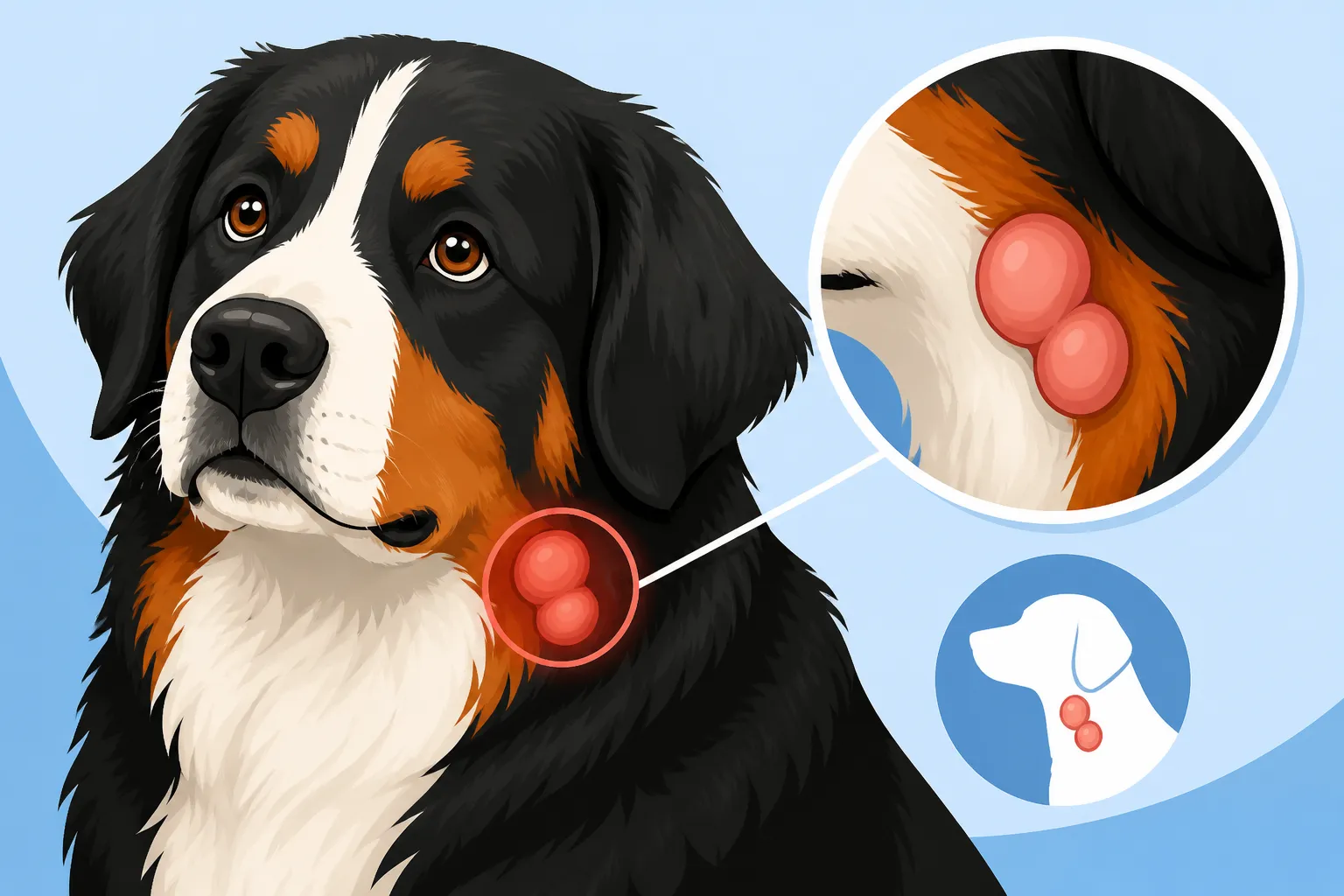
When we talk about "swollen glands" in dogs, we're typically referring to enlarged lymph nodes. These tiny, bean-shaped structures are an integral part of your Bernese Mountain Dog's immune system, constantly working behind the scenes to keep them healthy.
What Lymph Nodes Are and Where They're Located
Lymph nodes are small organs scattered throughout your dog's body, acting as filters for the lymphatic fluid. They're usually quite small and soft, generally not easily felt unless your dog is very lean or they're enlarged. However, there are several groups of lymph nodes that you might be able to feel, especially if they're swollen. The most commonly palpable ones are:
- Submandibular lymph nodes: Located under the jaw, near the angles of the mandible. These are often the first ones people notice swelling.
- Prescapular lymph nodes: Found in front of the shoulders.
- Axillary lymph nodes: Located in the armpits. These are deeper and harder to feel.
- Inguinal lymph nodes: Situated in the groin area.
- Popliteal lymph nodes: Found behind the stifles (knees) in the hind legs.
These superficial nodes are the ones owners are most likely to detect during petting or grooming. Other lymph nodes exist internally in the chest and abdomen, but their swelling would typically be discovered through veterinary examination and imaging.
The Role of Lymph Nodes in Your Dog's Health
Think of lymph nodes as critical checkpoints in your dog's immune defense system. They contain specialized immune cells, like lymphocytes and macrophages, which are designed to trap and destroy harmful invaders such as bacteria, viruses, fungi, and even abnormal cells like cancer cells.
When an infection or inflammation occurs in a particular area of the body, the lymph nodes draining that region will activate, producing more immune cells to fight the threat. This increase in cellular activity causes the nodes to swell and become noticeable. It's a sign that your Bernese Mountain Dog's immune system is actively working hard. A healthy lymphatic system is crucial for overall well-being, but when things go wrong, these nodes can also become a site where serious diseases, like cancer, manifest. Understanding this basic function is key to recognizing why a swollen gland is a signal that needs attention.
What Causes Swollen Glands in Bernese Mountain Dogs
While a swollen gland often indicates your Bernese Mountain Dog's immune system is doing its job, the cause can range from something minor to a serious, life-threatening condition. Given the breed's predispositions, it's particularly important to investigate thoroughly.
Infections and Inflammations
One of the most common reasons for enlarged lymph nodes is a localized infection or inflammation. When bacteria, viruses, or fungi enter the body, the regional lymph nodes will swell as they work to filter out and fight these pathogens.
- Dental Disease: An abscessed tooth or severe gum disease can cause the submandibular lymph nodes to swell quite dramatically. Imagine the discomfort! This is a common, often overlooked cause of swelling under the jaw. Regular dental care can help prevent this.
- Skin Infections: Hot spots, deep pyodermas, or even severe flea bite dermatitis can lead to swollen lymph nodes in the area where the skin is affected. For example, a large infection on a paw might cause the popliteal nodes on that leg to enlarge.
- Ear Infections: Persistent or severe ear infections, especially in a breed like the Bernese Mountain Dog with their floppy ears, can sometimes lead to localized lymph node swelling around the head and neck.
- Systemic Infections: While less common for just one node, a widespread viral or bacterial infection could cause multiple lymph nodes to swell throughout the body.
If the swelling is due to an infection, your vet will likely prescribe antibiotics or anti-inflammatory medication, and the nodes should return to normal size once the infection is cleared.
Allergic Reactions and Autoimmune Issues
Sometimes, the immune system can overreact or mistakenly target the body's own tissues, leading to lymph node enlargement.
- Severe Allergic Reactions: While less common than infections, a severe localized allergic reaction, perhaps to an insect bite or sting, could cause regional lymph node swelling. Think of a bee sting on the nose leading to swollen submandibular nodes.
- Autoimmune Diseases: In certain autoimmune conditions, the immune system is hyperactive, which can result in generalized lymph node enlargement. Although less specific to Bernese Mountain Dogs than other conditions, these diseases can certainly affect them.
It's crucial to consult your veterinarian if you suspect an allergic reaction or an autoimmune issue, as these require specific diagnosis and management to prevent further complications for your dog.
The Alarming Reality: Cancer in Bernese Mountain Dogs
This is often the fear that grips us when we find swollen glands, and unfortunately, it's a very real concern for Bernese Mountain Dogs. This breed has a heartbreakingly high predisposition to certain types of cancer, making any unexplained lump or swelling a red flag that warrants immediate veterinary attention. Swollen lymph nodes can be a primary site of cancer or indicate that cancer has spread from another part of the body.
- Lymphoma: This is one of the most common cancers in dogs, and it originates in the lymphatic system itself. Swollen lymph nodes are a hallmark sign of lymphoma, often appearing firm, rubbery, and non-painful. They can be generalized, meaning multiple nodes are affected, or localized to one area. This is a particularly aggressive cancer, and early detection is vital. If you've ever had a scare, you know how crucial it is to get this checked out promptly.
- Histiocytic Sarcoma: This is a particularly aggressive and devastating cancer highly prevalent in Bernese Mountain Dogs. While it can manifest in various organs, it often involves the lymph nodes and spleen, leading to enlargement. Recognizing What Histiocytic Sarcoma Does Inside a Bernese Mountain Dog is paramount for any Berner owner. The progression of this cancer can be incredibly fast, making quick action essential.
- Metastatic Cancer: Lymph nodes are like collection points for the body. If cancer is present elsewhere in the body (e.g., a tumor in the lung, bone, or skin), cancer cells can travel through the lymphatic system and get trapped in the regional lymph nodes, causing them to swell. This indicates that the cancer has metastasized, or spread, which significantly impacts prognosis and treatment options. Knowing The Cancer That Kills Half of All Bernese Mountain Dogs highlights the grave importance of investigating any suspicious swelling.
Given the breed's genetic propensity for these diseases, any persistent or rapidly growing swollen gland must be treated as suspicious for cancer until proven otherwise. This is where pet insurance from providers like Healthy Paws can truly be a lifesaver, helping to cover the often astronomical costs associated with cancer diagnostics and treatment.
When to Seek Veterinary Care for Swollen Glands
It's understandable to feel overwhelmed when you find something unusual on your Bernese Mountain Dog. The key is to know when to monitor and when to rush to the vet. For a breed like the Berner, almost any swollen gland is worth a vet visit, but certain signs make it an absolute emergency.
Accompanying Symptoms to Watch For
While a swollen gland itself is a concern, other symptoms accompanying it can provide crucial clues to your vet about the underlying cause. Keep an eye out for any of these:
- Changes in Appetite or Thirst: Is your Berner refusing meals, eating less, or drinking more than usual? These are non-specific but important indicators of illness.
- Lethargy or Weakness: A sudden decrease in energy, reluctance to play or go for walks, or noticeable weakness could signal a serious systemic issue.
- Weight Loss: Unexplained weight loss, especially if your dog is eating normally, is a significant red flag for many serious conditions, including cancer.
- Fever: Your vet will check for this, but if your dog feels unusually warm, it could indicate an infection.
- Pain or Discomfort: If the swollen gland is painful to the touch, or your dog is limping or favoring a limb, it suggests inflammation or infection in that area. For example, The Bernese Mountain Dog Whose Back Legs Give Out might have underlying issues that could manifest with regional lymph node involvement.
- Coughing or Difficulty Breathing: If internal lymph nodes in the chest are affected, it could lead to respiratory symptoms.
- Vomiting or Diarrhea: Gastrointestinal signs can also accompany systemic illnesses.
- Other Lumps or Bumps: Are there other strange growths on your dog's body? Note them all. Lumps a Bernese Mountain Dog Owner Should Not Watch is a vital guide to understanding which skin changes need immediate attention.
Even if your Bernese Mountain Dog seems perfectly fine otherwise, a persistent swollen gland should still prompt a vet visit. They are masters at hiding discomfort until it's very advanced.
The Importance of Timely Veterinary Consultation
For a Bernese Mountain Dog, timely veterinary consultation for swollen glands isn't just a recommendation, it's a necessity. Their genetic predisposition to aggressive cancers like Histiocytic Sarcoma means that "waiting to see" can have dire consequences.
- Early Detection is Key: For many serious conditions, especially cancer, early diagnosis significantly impacts treatment success and prognosis. Every day counts. Getting an accurate diagnosis quickly means treatment can start sooner, potentially extending your dog's quality of life. Understanding How Fast Histiocytic Sarcoma Moves in a Bernese Mountain Dog underscores this urgency.
- Accurate Diagnosis: Only a veterinarian can properly diagnose the cause of the swelling. They have the tools and expertise to differentiate between a simple infection and a more sinister underlying disease. They won't just guess; they'll conduct tests to get real answers.
- Peace of Mind (or Prompt Action): Even if it turns out to be something minor, getting a professional opinion offers immense peace of mind. And if it is serious, you'll be on the path to treatment, which is the best thing you can do for your Berner. Pet health insurance plans, like those offered by Healthy Paws, are designed to alleviate the financial stress during these critical times, allowing you to focus on your dog's care without hesitation. Don't let fear of cost delay getting your Bernese Mountain Dog checked out.
Diagnosis and Treatment Approaches for Swollen Glands
Once you've noticed swollen glands on your Bernese Mountain Dog and brought them to the vet, a thorough diagnostic process will begin. This isn't a one-size-fits-all situation; the path forward depends heavily on the initial findings.
Initial Examination and Bloodwork
Your veterinarian will start with a comprehensive physical examination, meticulously checking all palpable lymph nodes, and assessing your dog's overall health, temperature, and any other symptoms you've observed. They'll feel the swollen node—is it firm, soft, painful, movable? These details offer initial clues.
Following the physical exam, several initial diagnostic tests are typically recommended:
- Complete Blood Count (CBC): This test evaluates red blood cells, white blood cells, and platelets. An elevated white blood cell count (leukocytosis) often indicates infection or inflammation. Certain types of white blood cell changes can also raise suspicion for specific cancers, like lymphoma.
- Chemistry Panel: This blood test assesses organ function (kidneys, liver) and electrolyte balance. While not directly diagnosing swollen nodes, it provides a broader picture of your dog's health and can reveal systemic impacts of an illness.
- Urinalysis: A urine test can help detect kidney issues, infections, or other metabolic problems that might be contributing to your dog's overall condition.
These initial tests help narrow down the possibilities and guide the next steps. They are essential to understanding the big picture of your Bernese Mountain Dog's health. You might also want to discuss The Bernese Mountain Dog Health Panel your vet recommends for regular screening.
Further Diagnostics: Biopsies and Imaging
If initial bloodwork points to something more serious, or if the physical exam raises significant concerns, your vet will likely recommend more targeted diagnostics. This is where we get specific answers about the nature of the swollen gland.
- Fine Needle Aspirate (FNA): This is often the first, least invasive step. A very fine needle is inserted into the swollen lymph node, and a small sample of cells is aspirated. These cells are then spread on a slide and examined under a microscope by a veterinary pathologist. An FNA can often differentiate between inflammation, infection, and certain types of cancer (like lymphoma), or at least indicate the need for a more definitive biopsy.
- Biopsy (Incisional or Excisional): If an FNA is inconclusive or suggests a more aggressive cancer like Histiocytic Sarcoma, a surgical biopsy may be necessary. This involves removing a larger piece of the lymph node (incisional) or the entire node (excisional) for histopathological examination. This provides a definitive diagnosis and allows the pathologist to classify the type of cancer, which is critical for guiding treatment. Knowing The Biopsy That Confirms a Bernese Mountain Dog's Diagnosis is crucial for understanding this procedure.
- Imaging (X-rays, Ultrasound, CT Scan):
- Radiographs (X-rays): Chest X-rays can help determine if there's any internal lymph node enlargement in the chest or if there's evidence of metastatic cancer in the lungs.
- Ultrasound: An abdominal ultrasound can visualize internal lymph nodes (e.g., in the spleen or abdomen) and assess other organs for signs of disease or metastasis. This is particularly important for checking the spleen and liver, common sites for Histiocytic Sarcoma.
- CT Scans: These advanced imaging techniques provide highly detailed cross-sectional images of the body, offering a comprehensive view of the extent of disease, including internal lymph node involvement and potential metastasis that might be missed on X-rays or ultrasound. This is often the gold standard for staging cancer. What a Bernese Mountain Dog CT Scan Costs is an important consideration, and again, having a good insurance plan like Healthy Paws can help cover these expensive but necessary diagnostics.
This battery of tests can seem daunting, but each step is designed to pinpoint the exact cause of the swelling, which is the only way to formulate an effective treatment plan.
Managing and Treating Swollen Glands
Once your veterinarian has a definitive diagnosis for your Bernese Mountain Dog's swollen glands, the focus shifts to treatment. The approach will vary dramatically depending on whether the cause is an infection, an autoimmune issue, or, unfortunately, cancer.
Treatment Options Based on Diagnosis
- For Infections: If the swollen glands are due to a bacterial infection, the primary treatment will be antibiotics. This might be a course of oral medication for several weeks. If there's an abscess, it may need to be drained. For fungal infections, antifungal medications will be prescribed. Addressing the root cause, such as dental disease or skin infections, is also critical to prevent recurrence.
- For Inflammatory/Autoimmune Conditions: If the swelling is due to inflammation or an autoimmune reaction, treatment often involves anti-inflammatory drugs (like NSAIDs or corticosteroids) to suppress the immune response. Your vet will carefully monitor your dog for side effects and adjust dosages as needed.
- For Cancer (Lymphoma, Histiocytic Sarcoma, Metastasis): This is the most complex and challenging scenario.
- Chemotherapy: For cancers like lymphoma, chemotherapy is often the mainstay of treatment. It aims to kill cancer cells throughout the body. While it sounds scary, modern veterinary chemotherapy protocols are often designed to minimize side effects and maintain a good quality of life for the dog. Whether Chemotherapy Helps a Bernese Mountain Dog is a common question, and for many, it can offer valuable remission time.
- Radiation Therapy: In some cases, localized radiation therapy might be used, particularly for specific types of tumors or to target affected lymph nodes.
- Surgery: If a single lymph node is affected by a tumor that can be surgically removed (and hasn't spread), surgery might be an option. However, for widespread cancers like lymphoma or aggressive ones like Histiocytic Sarcoma, surgery alone is rarely curative, but it can be part of a multimodal approach.
- Palliative Care: When curative treatment isn't possible or desired, palliative care focuses on managing pain, improving comfort, and maintaining the best possible quality of life for as long as possible. This might involve pain medication, anti-inflammatory drugs, and supportive therapies.
It's a tough road, and the choices are intensely personal. Many Bernese Mountain Dog owners face the difficult decision of Deciding When to Stop Treating a Bernese Mountain Dog when dealing with advanced cancer. Support from your veterinary team and understanding the potential outcomes for your specific dog's diagnosis is vital.
Prognosis and Long-Term Care Considerations
The prognosis for your Bernese Mountain Dog with swollen glands depends entirely on the underlying cause.
- Infections: With appropriate treatment, the prognosis for infections is generally excellent, and the lymph nodes should return to normal size.
- Autoimmune Conditions: These often require long-term management with medication, but many dogs can live full, happy lives with proper care.
- Cancer: The prognosis for cancer varies greatly depending on the type, stage, and how well your dog responds to treatment.
- For lymphoma, with chemotherapy, some dogs can achieve remission for months to a year or more.
- For aggressive cancers like Histiocytic Sarcoma, unfortunately, the prognosis is often guarded to poor, even with aggressive treatment. Understanding The Weeks Left After a Bernese Mountain Dog's Diagnosis can be heartbreaking, but it's important to be realistic about expectations to make informed decisions about your dog's care and quality of life.
Long-term care involves regular veterinary check-ups to monitor for recurrence or progression of disease, particularly for cancer survivors. This might include routine bloodwork, imaging, and physical examinations. For any Bernese Mountain Dog, keeping them at a healthy weight, providing a balanced diet, and ensuring regular, appropriate exercise are cornerstones of good health that can support their immune system.
Navigating swollen glands in a Bernese Mountain Dog is undeniably stressful. By being informed, vigilant, and working closely with your veterinarian, you can ensure your beloved companion receives the best possible care, no matter the challenge.
Disclaimer
This article is intended for informational purposes only and does not constitute veterinary advice. Always consult with a qualified veterinarian for any health concerns or before making any decisions about your pet's medical care.