When the Bernese Mountain Dog Reached Britain
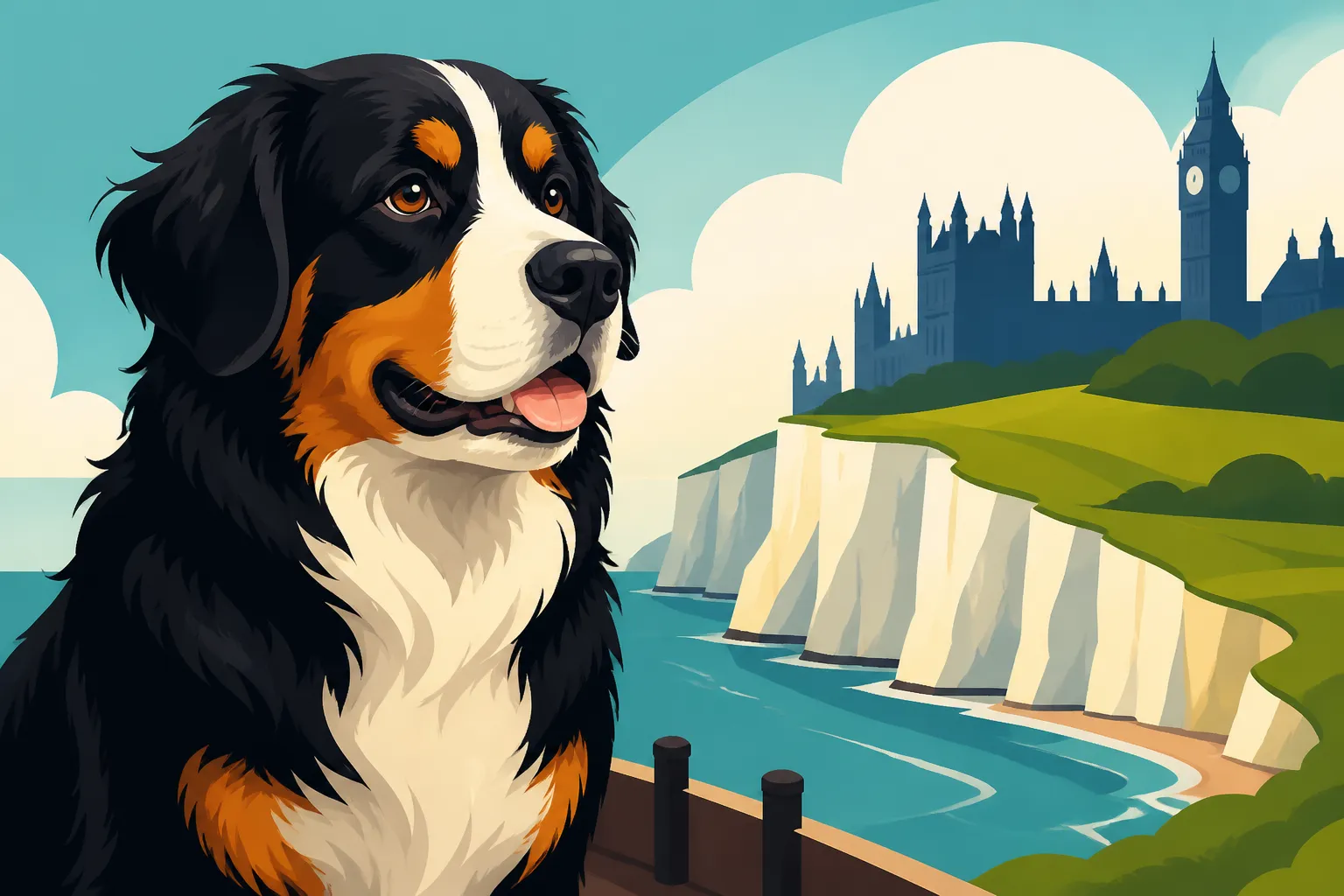
It can be surprisingly difficult to pinpoint the exact moment a beloved dog breed, especially one with such a rich history as the Bernese Mountain Dog, truly established itself in a new country. Often, the journey is a quiet, gradual affair, starting with a handful of dedicated enthusiasts rather than a grand, public arrival. This guide delves into the fascinating history of how the Bernese Mountain Dog made its way to Britain, exploring the efforts of early adopters, the challenges they faced, and how the breed ultimately carved out a cherished place in British homes and hearts.
The Early Days: Bernese Mountain Dogs in the UK
The story of the Bernese Mountain Dog's arrival in Britain isn't a single, dramatic event, but rather a slow and steady infiltration by devoted breed enthusiasts. For many years, these magnificent dogs were relatively unknown outside their native Switzerland, working tirelessly on farms as drovers, guardians, and cart-pullers. Their gentle nature and striking appearance eventually captured attention beyond the Alpine valleys.
Tracing the Breed's European Roots to British Shores
Before the Bernese Mountain Dog truly found its footing in the United Kingdom, it had already undergone a significant resurgence and standardization in its homeland. Figures like Franz Schertenleib and the Bernese Mountain Dogs He Found and Albert Heim and the Name Berner Sennenhund were instrumental in saving the breed from near extinction and giving it the recognition it deserved in Switzerland. This foundational work in Europe laid the groundwork for its eventual export. The breed's initial recognition by kennel clubs on the continent meant that when individuals began to travel or show interest, there was already a defined standard for these dogs.
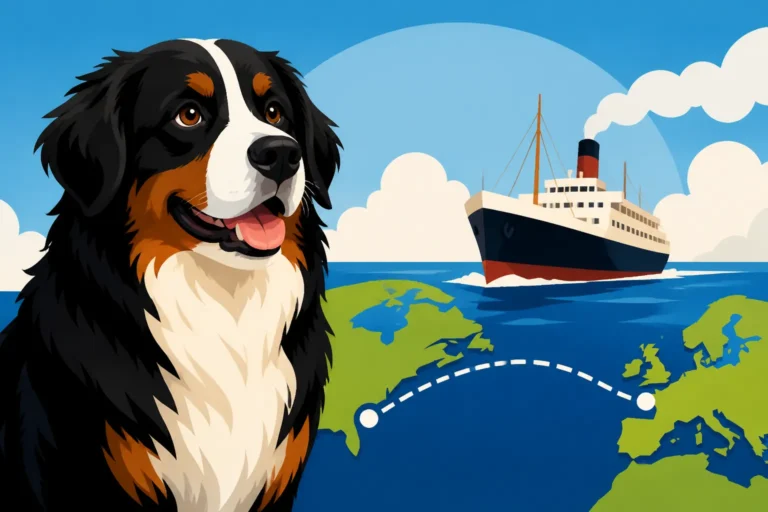
The first documented imports to Britain likely occurred in the years leading up to the mid-20th century, though exact records from those early days can be sparse and difficult to verify. Typically, passionate individuals, often returning from travels or with connections to European breeders, would bring the first few specimens across the Channel. These were not mass imports but rather carefully selected dogs, chosen for their type, temperament, and health. The desire to share the unique charm of the Bernese Mountain Dog with a wider audience was a powerful motivator for these early pioneers. They saw beyond the working heritage and recognized the breed's potential as a wonderful companion.
Initial Challenges and Public Perception
Bringing any new breed to a different country presents its own set of hurdles. For the Bernese Mountain Dog in Britain, one of the primary challenges was simply a lack of awareness. Most people had never seen such a dog, with its distinctive tricolor coat and imposing yet gentle presence. Education was key. These early owners had to advocate for the breed, explaining its origins, temperament, and needs to a public more accustomed to native British breeds or more common European imports.
Another challenge lay in establishing a breeding program with a limited gene pool. The initial imports meant a small number of available breeding pairs, making careful selection paramount to avoid genetic bottlenecks. Early breeders would have faced the pressure of ensuring healthy offspring while adhering to the emerging breed standard. This was a painstaking process that required dedication, patience, and often, significant financial investment. Unlike today, where resources like Berner-Garde Records and What They Cost to Check offer comprehensive health data, early breeders relied more heavily on direct communication and observational knowledge of their dogs' lineage. Getting the word out involved showing dogs at local events and talking to anyone who would listen, slowly but surely building a small, devoted following for the breed.
Establishing the Breed: Key Figures and Early Clubs
The true establishment of any breed in a new country relies on more than just initial imports; it requires organization, dedication, and a shared vision among enthusiasts. For the Bernese Mountain Dog in Britain, this meant the formation of breed clubs and the establishment of formal recognition processes.
The Dedicated Pioneers
The story of the Bernese Mountain Dog in Britain is inextricably linked to the individuals who championed the breed in its formative years. These were often people with a deep love for dogs, an appreciation for the breed's unique qualities, and the drive to see it thrive. They spent countless hours researching pedigrees, importing new bloodlines, and meticulously planning breeding programs. Their homes became the nurseries for the first generations of British-bred Berners, and their passion was infectious. They weren't just breeding dogs; they were cultivating a community.
These pioneers faced the immense task of not only introducing the breed but also demonstrating its viability and health in a new climate and environment. They had to prove that the Bernese Mountain Dog could adapt and flourish outside of its Swiss homeland. This involved careful monitoring of health, temperament, and conformation, always striving to produce dogs that embodied the true spirit of the breed as defined by the European standard. Their efforts laid the essential groundwork for what would become a strong and vibrant Bernese Mountain Dog community across the UK.
Formation of Breed Clubs and Registration Efforts
As the number of Bernese Mountain Dogs in Britain slowly grew, so did the need for a formal organization to oversee the breed's development. This led to the formation of dedicated breed clubs, which played a crucial role in promoting the breed, providing guidance to new owners, and maintaining breed standards. These clubs became a hub for enthusiasts, offering a platform for sharing knowledge, organizing events, and collectively advocating for the breed's welfare.
The ultimate goal for these clubs was official recognition by the Kennel Club, Britain's largest organization dedicated to dog health and welfare. Kennel Club recognition meant that the Bernese Mountain Dog would have its own breed standard, allowing it to compete in official dog shows and ensuring that pedigrees could be formally registered. This process was rigorous, requiring a sufficient number of dogs, a stable breeding population, and a clear demonstration of breed type and health. While The Dürrbach Club Founded in 1907 had already done this for the breed in Switzerland, the British enthusiasts had to build their case from the ground up. This formal recognition by the Kennel Club was a turning point, signaling the Bernese Mountain Dog's official arrival and acceptance within the British canine landscape, setting it on a path to greater visibility and popularity.
| Key Event | Approximate Period | Significance for British Bernese Mountain Dogs |
|---|---|---|
| Early Imports | 1930s – 1960s | First individual Bernese Mountain Dogs brought to the UK by private enthusiasts. |
| Breed Club Formation | 1960s – 1970s | Dedicated groups formed to promote, support, and standardize the breed in Britain. |
| Kennel Club Recognition | Mid-1970s onwards | Official acceptance by the UK Kennel Club, allowing for formal registration and showing. |
| Increased Popularity | 1980s – Present | Growing public awareness and demand for the breed across the UK. |
Growth and Popularity: From Niche to Notoriety
Once officially recognized and supported by dedicated breed clubs, the Bernese Mountain Dog began its slow but steady climb in popularity throughout Britain. What started as a niche breed known only to a few enthusiasts blossomed into a beloved companion animal across the country.
Post-War Resurgence and Kennel Club Recognition
The mid-20th century saw a general increase in dog ownership in Britain, and as people sought out new and interesting breeds, the Bernese Mountain Dog began to gain traction. The stability provided by post-war recovery allowed for more leisure activities, including dog showing and breeding. The breed's striking appearance, combined with its reputation for a calm and gentle temperament, made it an appealing choice for families and individuals alike.
The formal recognition by the Kennel Club in the mid-1970s was a monumental step. This validation opened doors for breed clubs to organize championship shows, further elevating the Bernese Mountain Dog's profile. Suddenly, the breed was not just a curiosity but a legitimate contender in the world of purebred dogs. This recognition also led to clearer guidelines for breeders, encouraging responsible practices and contributing to the overall health and quality of the British Bernese population. With this official stamp of approval, more people felt confident in acquiring a Berner, knowing they were investing in a recognized and supported breed. You can imagine the excitement of seeing your beloved breed finally step into the spotlight at major events.
The Bernese Mountain Dog's Enduring Appeal in Britain
Today, the Bernese Mountain Dog enjoys a strong and devoted following in Britain. Its gentle giants, with their beautiful tricolor coats and warm personalities, have become a common sight in parks and family homes. The breed's suitability for a variety of roles, from therapy dogs to loyal companions, has only enhanced its appeal. Their calm demeanor around children and their innate desire to be part of the family make them ideal pets for many households, provided those households understand the commitment involved in owning a large breed.
The enduring appeal also stems from the dedication of modern breed clubs and responsible breeders who continue the work of the early pioneers. These groups focus not just on maintaining the breed standard, but also heavily on health and welfare initiatives. They provide invaluable resources for prospective and current owners, from advice on training to support groups for those dealing with health challenges. Owners can easily find comprehensive care guides, specialized large breed food options, and sturdy equipment for their Berners through major pet supply retailers, similar to what you’d find on Chewy's extensive offerings. This widespread support and access to quality products means that owning a Bernese Mountain Dog in Britain today is a much more supported and informed experience than it was for those original enthusiasts decades ago.
The British Bernese Mountain Dog Today
The journey from a rare import to a beloved and recognized breed has been long and multifaceted for the Bernese Mountain Dog in Britain. Today, the breed stands firmly established, with a strong community and ongoing efforts to ensure its future well-being.
Health and Welfare Initiatives
One of the most critical aspects of any established breed is the focus on health and welfare. Knowing that breeds like the Bernese Mountain Dog can face specific health challenges, such as joint issues or certain types of cancer, has led to concerted efforts within the British Berner community to promote responsible breeding and health screening. Joint Disease in a Hundred Pound Bernese Mountain Dog is a real concern, as is The Cancer That Kills Half of All Bernese Mountain Dogs. Responsible breeders regularly undertake health checks, including hip and elbow scoring, and genetic testing for conditions like degenerative myelopathy.
Breed clubs and health foundations in the UK actively support research into common Bernese Mountain Dog ailments, aiming to improve longevity and quality of life for these wonderful dogs. They encourage transparent health reporting and provide educational resources to help owners understand the importance of early detection and preventative care. This proactive approach is vital, as it empowers owners to make informed decisions for their dogs and contributes to the overall health improvement of the breed. Discussions about Whether Longevity Is Improving in Bernese Mountain Dogs are ongoing, reflecting a deep commitment to the breed's future.
The Modern British Berner Community
The modern British Bernese Mountain Dog community is a vibrant and active one, comprising dedicated breeders, enthusiastic owners, and supportive rescue organizations. Regional breed clubs, like those described in What a Regional Bernese Mountain Dog Club Offers, play a pivotal role, hosting events, training days, and health clinics. These gatherings offer a fantastic opportunity for owners to connect, share experiences, and learn from experts. It's a place where you can swap stories about your Berner's latest antics, seek advice on managing their thick coat, or simply enjoy the company of other Berner lovers.
Furthermore, online forums and social media groups have created an even broader network of support, allowing owners from all corners of the UK to share tips, celebrate successes, and offer comfort during difficult times. This sense of community is invaluable, especially for first-time owners navigating the unique aspects of owning a large, long-coated breed. Whether it's finding the best food, debating the merits of different grooming tools, or just sharing adorable puppy photos, the collective knowledge and camaraderie of the British Berner community ensure that these magnificent dogs continue to receive the love and care they deserve. This supportive network, coupled with readily available resources for everything from specialized food to grooming supplies (easily found on comprehensive platforms like Chewy for our US friends, or similar large retailers in the UK), truly makes a difference in the lives of Bernese Mountain Dog owners.
Disclaimer
This article is for general informational purposes only and does not constitute professional advice. Laws, prices and regulations vary by location and change over time. Consult a qualified professional for guidance on your specific situation.