Whether a Bernese Mountain Dog Still Belongs on Land
A Bernese Mountain Dog can still thrive on a farm or rural property, but owning land is neither a requirement nor a substitute for companionship, training, and care. The breed’s Swiss farming history explains why Berners enjoy having a purpose; it doesn’t mean every modern dog needs livestock or a cart. This guide looks at what “belonging on land” means for a Berner today.
What “belonging on land” means for a Bernese Mountain Dog
A farm background, not a requirement for acreage
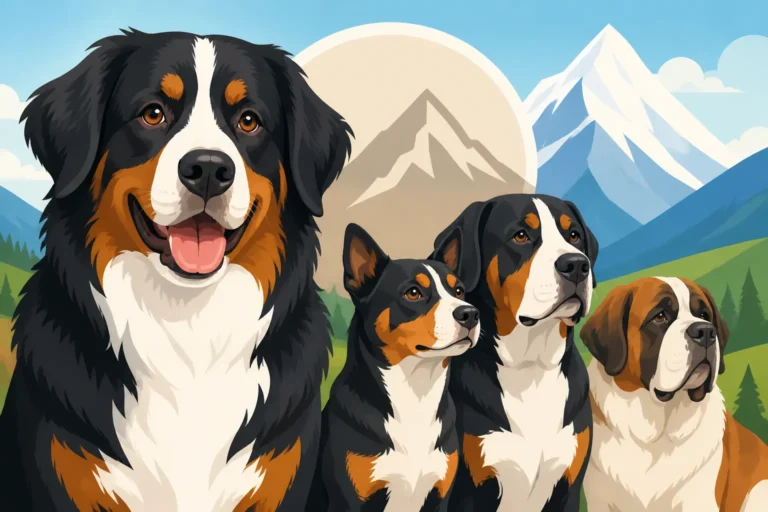
Bernese Mountain Dogs come from the canton of Bern in Switzerland, including the agricultural areas around the Dürrbach Valley and the Emmental. Farmers valued versatile dogs that could accompany the family, help move cattle, and pull loads such as milk carts. Those working roots are part of the breed’s story, but they don’t mean a Berner must live on a farm to be fulfilled. What Swiss Farmers Used Bernese Mountain Dogs For
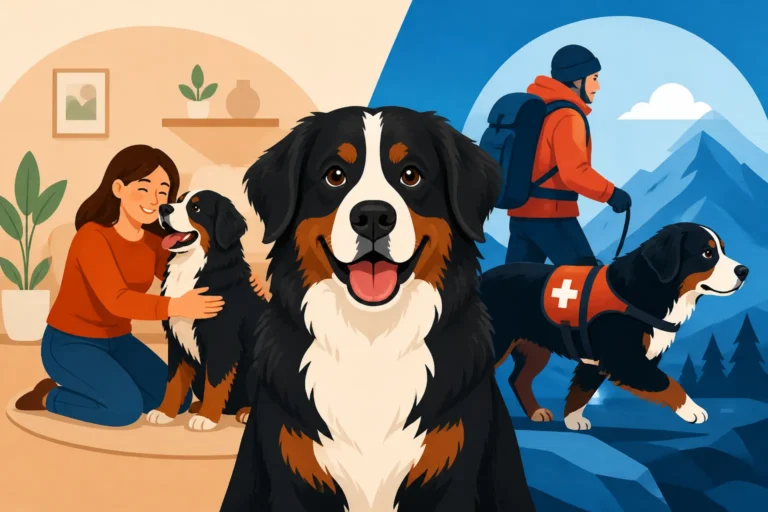
In a modern home, “having a job” can mean walking calmly with the family, learning basic manners, practicing a scent game, or helping pull a properly fitted cart under suitable conditions. A suburban dog with regular interaction and activities can have a richer daily life than a farm dog left alone in a yard. The important ingredients are engagement, security, and time with people—not the number of acres.
Land can make some activities easier. A safe, enclosed space is handy for supervised play or training, and rural trails may offer peaceful walks. But an open field is not automatically a safe place to let a dog roam. A Berner may follow an interesting scent, approach livestock, or wander toward a road. The same good-natured dog who seems content to stay close in the kitchen may make a different choice when a deer crosses the pasture.
Companionship still matters more than the property
Berners are often closely attached to their people. A dog that lives outside or spends long stretches alone may miss the contact and routine it needs, even if it has room to run. A large yard can be useful, but it does not replace walks, training, rest indoors, and ordinary companionship. If the household is busy, plan who will spend time with the dog and how its needs will be met throughout the day.
This is worth considering before choosing a Berner for a rural home. Someone might picture a dog happily watching over a farm while they work, then discover the dog waits at the back door to come inside and follow them. That is not a failure of the property or the dog. It is a reminder that the breed is a companion as well as a former working farm dog. The Kind of Home a Bernese Mountain Dog Belongs In
What a Bernese Mountain Dog can do on rural land
Give the dog a safe, useful routine
A rural routine can offer plenty of satisfying activities without asking the dog to perform demanding farm work. Start with everyday skills: walking on a loose leash, coming when called, settling while chores happen, and waiting calmly at gates. Practice in low-distraction settings before expecting reliable behavior around moving animals, machinery, or visitors.
If you want to introduce carting, begin with foundational training and speak with a veterinarian about whether your dog is physically ready. Cart work should be gradual, appropriately fitted, and suited to the individual dog. It should not become a way to make a puppy pull heavy loads or to exercise a dog through pain. Teaching a Bernese Mountain Dog to Pull a Cart
Land can also create opportunities for low-key enrichment. You might hide a few treats in a safe area for a supervised scent game, practice a short recall session, or let your dog explore a quiet trail on leash. Keep sessions short enough that the dog stays interested, and provide water and breaks. A long hike across exposed fields in warm weather may be far less suitable than a brief outing in the cool morning.
The dog’s activity needs change with age, health, and fitness. A young dog needs controlled exercise while growing; an older dog may need shorter routes and more rest. If your Berner begins lagging behind, limping, or hesitating at steps, don’t assume it is simply being stubborn. Adjust the activity and ask your veterinarian about a change that persists. Whether a Bernese Mountain Dog Still Has Herding Instinct
Introduce livestock and farm equipment carefully
A Berner’s history around cattle does not guarantee that an individual dog will know how to behave around cows, sheep, horses, poultry, or other animals. Dogs vary, and even a calm dog may startle livestock by running, barking, or approaching too quickly. Begin with distance and supervision, use a leash or secure barrier, and reward calm behavior. Give the other animals room to move away.
Do not rely on a fence alone as proof that an introduction is safe. Check that gates latch, fencing is appropriate for the animals present, and there are no gaps through which a large dog can squeeze or become stuck. Keep the dog away from feed, chemicals, tools, and machinery. Teach a reliable “leave it” and recall, but treat those cues as backup skills rather than a substitute for physical supervision.
Farm equipment and vehicles bring their own risks. A dog can be hard to see from a tractor or truck, and loud machinery may frighten it. Make a predictable resting area away from work zones, and avoid letting the dog trail close behind vehicles or livestock being moved. If children or visitors are present, explain the household rules clearly: the dog should not be encouraged to chase, crowd, or “help” with animals.
Rural living benefits and trade-offs
A quick comparison of land, suburb, and town living
There is no single ideal setting for every Bernese Mountain Dog. The best fit depends on how the household uses its space and meets the dog’s needs.
| Living situation | Potential benefits | Common challenges | Helpful approach |
|---|---|---|---|
| Farm or rural property | Room for supervised exploration and outdoor activities | Livestock, machinery, wildlife, open gates, and long periods alone | Use secure boundaries, active supervision, and a daily routine with people |
| Suburban home | Easier access to neighbors, classes, and veterinary services | Smaller yards and close encounters with traffic or other dogs | Provide planned walks, training, and indoor enrichment |
| Town or apartment | Convenient access to services and structured outings | Less private outdoor space and more stairs or busy sidewalks | Plan frequent outings, teach calm leash skills, and choose suitable routes |
A fenced yard may be useful in any of these settings, but it should be treated as one part of the setup. It doesn’t make a dog self-exercising, and it does not remove the need to inspect the space for hazards. In a rural area, that means checking gates and fencing; in town, it might mean checking for damaged boards, unsecured trash, or access to a driveway.
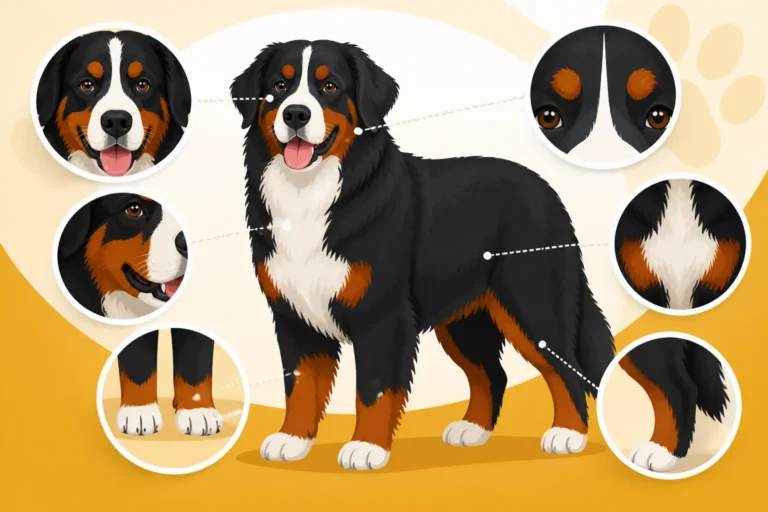
Every setting also has practical day-to-day needs. A thick-coated dog may need regular brushing, and rural outings can add burrs, mud, and debris to the coat. Keep basic grooming supplies accessible and make coat checks part of the routine after walks. If you’re ordering supplies through Chewy, a reminder on a household calendar can help keep brushing tools and other everyday essentials from being forgotten. Grooming a Bernese Mountain Dog's Long Tricolor Coat
Think about heat, mobility, and access to care
Rural life can mean long distances between home, a regular veterinary clinic, and emergency care. Before an urgent situation arises, identify where you would take a large dog and how you would transport it. It is also sensible to consider who can help if the dog is injured or too weak to get into a vehicle. A Berner’s size can make an otherwise simple lift or evacuation a real challenge.
Heat deserves special attention. A Bernese Mountain Dog’s thick coat and dark coloring can make warm-weather activity harder, so provide shade, fresh water, and access to a cool indoor space. Avoid treating a big field as an invitation for strenuous exercise during hot parts of the day. If you need help planning a safer summer routine, see Heat and the Bernese Mountain Dog's Black Coat.
Age and joint comfort can also change what a dog can do on land. Uneven ground, slippery floors in a barn, steep slopes, and long distances may become difficult for a dog with pain or reduced mobility. Keep paths to water and resting areas manageable, and use rugs or other stable footing where a dog might slip. A rural home can remain a good fit for an older Berner, but the layout and routine may need to change. Joint Disease in a Hundred Pound Bernese Mountain Dog
How to decide whether your property suits a Berner
Check the whole routine, not just the yard
Before bringing a Bernese Mountain Dog home, walk through a typical day in your mind. Where will the dog rest? Who will provide company and exercise? Can you safely manage introductions to livestock and visitors? Is there a secure place for the dog while equipment is moving or gates are open? These practical questions often tell you more than the size of the property.
It can help to make a simple checklist:
- Confirm that the dog will have regular time with people, including when household members are busy.
- Inspect fencing, gates, outbuildings, and access to roads or livestock areas.
- Plan walks and training that match the dog’s age, health, and the weather.
- Decide where the dog will rest indoors and how it will stay cool.
- Identify a veterinary clinic and a way to transport a large dog in an emergency.
- Make sure every person in the household follows the same rules around animals, gates, and work zones.
If you’re still researching breeders or rescue options, ask about the individual dog’s temperament, health, and experience with other animals. A property that works for one Berner may not suit another. A dog raised around livestock may still need careful introductions, while a dog without that experience can learn to live safely on a farm with management and training. Visiting a Bernese Mountain Dog Litter Before Choosing
Choose the dog’s welfare over the romantic picture
It’s easy to imagine a Berner trotting beside a tractor or resting in a sunny field. That picture can be lovely, but daily life is usually more ordinary: cleaning muddy feet, keeping the dog away from a gate during deliveries, brushing out burrs, and bringing it inside when the weather or work makes outdoor time unsafe. A good rural home is built around those details.
Chewy may be one place owners look for routine supplies such as food or grooming tools, but supplies are only one piece of responsible care. The bigger commitment is having time for the dog, a plan for its health, and a safe way to manage its size and surroundings. If your farm schedule means the dog would spend most of the day isolated, rethink the arrangement before assuming the land itself will keep it happy.
The same principle applies to a city home. A Berner does not need a farm to have a purposeful, enjoyable life. It needs dependable care, appropriate activity, and a close relationship with its people. Whether your home is in a Swiss-style countryside setting or a neighborhood with a small yard, the question is not simply whether the dog belongs on land. It is whether the life you can provide is safe, social, and suited to that particular dog.
For an overview of the breed’s roots and modern expectations, What a Bernese Mountain Dog Asks of a New Owner is a useful next read. You can also explore Whether a Bernese Mountain Dog Is Right for You while weighing the daily realities of size, coat care, exercise, and companionship.
Disclaimer
This article is for general informational purposes only and does not constitute professional advice. Laws, prices and regulations vary by location and change over time. Consult a qualified professional for guidance on your specific situation.