The Age a Bernese Mountain Dog Comes Off Puppy Food
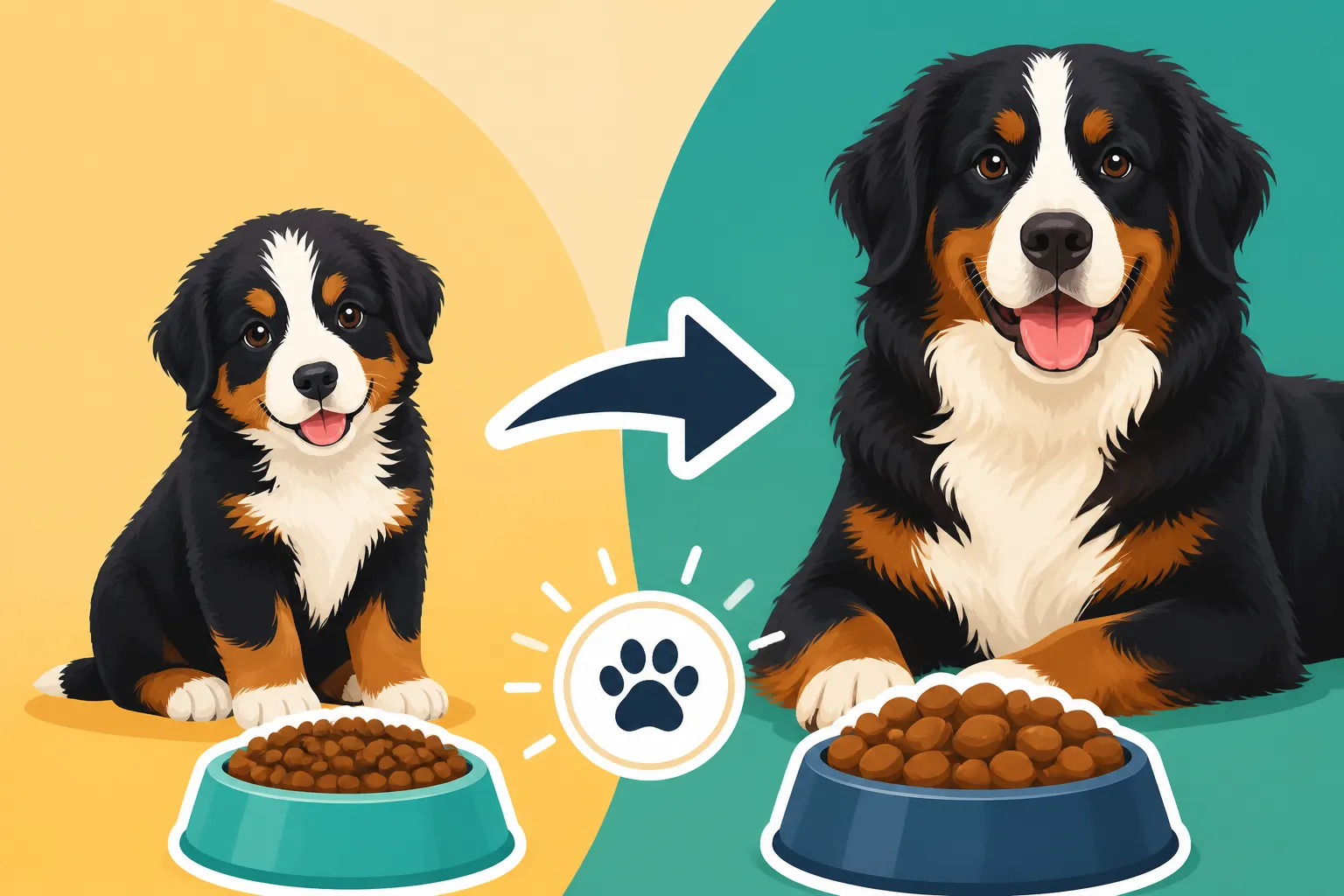
One of the most common questions I hear from new Bernese Mountain Dog owners is about their puppy's food. It’s easy to feel overwhelmed, seeing your adorable fluffball grow so fast yet still behave like a giant toddler. Knowing exactly when to transition your Bernese from puppy food to an adult formula isn't just about saving money; it's a critical decision for their long-term health, especially given their unique growth patterns and predispositions to joint issues. This guide will walk you through the signs, timing, and best practices to ensure a smooth and healthy dietary shift for your beloved Berner.
Understanding the Bernese Mountain Dog's Growth Journey
Bringing home a Bernese Mountain Dog puppy means signing up for a journey of rapid, yet prolonged, growth. Unlike smaller breeds that might hit their adult weight in under a year, a Berner takes its sweet time, and understanding this slower maturation is paramount to their health. It's not just about getting bigger; it's about building a robust skeletal structure that can support their eventual hundred-plus pounds.
Why Bernese Mountain Dogs Grow Differently
Your Bernese Mountain Dog isn't just a big dog; they're a giant breed, and that label comes with its own set of developmental rules. Their bones and joints are subjected to immense stress during their growth phases. While a Labrador might be considered an adult by 12-18 months, a Bernese Mountain Dog often continues to grow, both in height and particularly in filling out, well into their second, and sometimes even their third, year. This means their nutritional needs remain those of a "growing puppy" for much longer than you might initially expect. Think of it like a teenager's growth spurt versus a child's; the Berner is still building critical infrastructure long after other breeds have finished. This extended growth period requires a specific nutritional profile that supports slow, steady development, rather than rapid weight gain, which can be detrimental.
The Dangers of Rushing Growth
It’s tempting to want your Berner puppy to reach their majestic adult size as quickly as possible, but trust me, rushing it is one of the biggest mistakes you can make. The rapid growth spurred by inappropriate nutrition – often high-calorie, high-protein diets designed for faster-maturing breeds – can have devastating consequences for a Bernese Mountain Dog's developing joints. Their bones, especially in their hips and elbows, are still soft and forming, and excessive weight or accelerated growth can put undue strain on these delicate structures. This can exacerbate genetic predispositions to conditions like hip dysplasia and elbow dysplasia, which are already unfortunately common in the breed. Joint Disease in a Hundred Pound Bernese Mountain Dog is a real concern. We're talking about conditions that can lead to chronic pain, expensive surgeries, and a significantly reduced quality of life for your dog later on. The goal isn't to make them grow fast, but to help them grow well and soundly.
Key Indicators for Transitioning to Adult Food
So, how do you know when your Bernese Mountain Dog is truly ready to switch from puppy to adult food? It's less about hitting a magic number on the calendar and more about observing a combination of factors related to their physical and behavioral maturity.
Age as a General Guideline
While age isn't the only factor, it's definitely a primary one. For most large and giant breeds like the Bernese Mountain Dog, the transition typically happens between 18 and 24 months of age. Some Berner lines, especially larger males, might even benefit from staying on large breed puppy food a little longer, up to 30 months, if they're still visibly filling out. The key here is large breed puppy food, which is formulated to control growth rates and calcium/phosphorus ratios, unlike regular puppy food that can be too rich for a giant breed. If your puppy has been on a standard puppy food (not specifically "large breed"), a transition might need to happen earlier to avoid over-nutrition. Always check with your vet for personalized advice, as every dog is an individual.
Physical Maturity Signals
Beyond their age, your Berner will start to show physical signs that they're approaching adulthood. You'll notice they've likely reached their full adult height, or very close to it. When you look at them, their legs won't seem quite so gangly anymore. Instead, their overall frame will start to look more substantial, and they'll begin to "fill out" across their chest and loin, gaining muscle mass rather than just growing taller. Run your hands over their ribs: while you should still be able to feel their ribs easily, they shouldn't be protruding. Their overall body condition should be lean, not overweight, as carrying extra pounds puts unnecessary stress on those still-developing joints. Watch for the broadening of their chest and the deepening of their body; these are signs that the major growth plates have likely closed or are very close to it.
Behavioral and Activity Level Changes
It's not just their body; their mind starts to mature too, albeit sometimes frustratingly slowly! As your Berner approaches the adult food transition window, you might notice a subtle shift in their energy levels. That boundless, often clumsy, puppy energy might begin to temper slightly. They might still have bursts of playfulness, but they might also be more inclined to settle down and relax, perhaps spending more time napping contentedly at your feet. Their coordination will improve significantly, and they’ll appear less awkward in their movements. You might also notice a decrease in their ravenous puppy appetite, as their intense growth demands start to plateau. They might not seem quite as desperate for every morsel, or they might leave a bit of food in the bowl, which would have been unheard of just a few months prior. This doesn't mean they're unwell; it often indicates their metabolism is slowing as growth stabilizes. Why a Bernese Mountain Dog Stays a Puppy Until Three definitely rings true for mental maturity, but physical maturity often precedes it!
Choosing the Right Adult Food and Making the Switch
Once you've decided it's time to transition, the next steps involve selecting the right adult food and implementing the change smoothly to prevent any digestive upset. This is where quality really counts for your big friend.
Selecting a Large Breed Adult Formula
Just as you chose a large breed puppy food, you'll want to opt for a large breed adult formula. These foods are specifically formulated to meet the needs of large and giant breeds, meaning they typically have slightly lower calorie densities, appropriate protein levels, and precisely balanced calcium and phosphorus ratios to maintain bone health without promoting excessive growth. Look for brands that have undergone feeding trials and are transparent about their ingredient sourcing. Many reputable brands offer specific large breed adult formulas, and companies like Ollie even customize meal plans to your dog's specific needs, including age and breed. Don't just grab any "adult dog food" off the shelf; ensure it's tailored for the unique requirements of a large breed like your Bernese. High-quality animal protein should be a primary ingredient, not fillers.
Here's a quick comparison of what to look for in puppy vs. adult food for large breeds:
| Feature | Large Breed Puppy Food | Large Breed Adult Food |
|---|---|---|
| Protein Content | Moderately high (25-30%) for muscle development | Moderate (20-26%) for maintenance and lean muscle |
| Fat Content | Moderately high (12-18%) for energy and growth | Moderate (10-15%) for energy and coat health |
| Calcium/Phos. | Carefully balanced, slightly lower for controlled growth | Balanced for adult bone maintenance |
| Calorie Density | Higher to fuel growth, but controlled | Lower to prevent obesity and maintain ideal weight |
| Kibble Size | Often larger for chewing, but still digestible | Larger, encouraging slower eating and dental health |
The Gradual Transition Process
Switching foods abruptly is a recipe for an upset stomach, especially for a dog with a sensitive digestive system. The key is to make the transition gradual, over a period of 7 to 10 days. This allows your Bernese Mountain Dog's digestive system to adjust slowly to the new ingredients and nutrient profile.
Here’s a common schedule:
- Days 1-2: Mix 75% old food with 25% new food.
- Days 3-4: Mix 50% old food with 50% new food.
- Days 5-6: Mix 25% old food with 75% new food.
- Days 7-10: 100% new food.
Some dogs might need an even longer transition period, especially if they have sensitive stomachs. If you notice any soft stools, gas, or vomiting, slow down the process and maintain the current ratio for an extra day or two. Remember to keep their meal schedule consistent and ensure they always have access to fresh water. Many owners find it convenient to order their dog's food from retailers like Chewy or Amazon, making it easy to get both the old and new food for a smooth transition.
Monitoring Your Berner Post-Transition
After the full transition to adult food, your job isn't over. You'll want to continue monitoring your Bernese Mountain Dog closely for several weeks. Pay attention to their appetite – are they finishing their meals with enthusiasm, or are they leaving food behind? Observe their energy levels; they should remain consistent and healthy. Most importantly, keep an eye on their stool quality. It should be firm and well-formed. Any persistent diarrhea, constipation, or changes in behavior could indicate that the new food isn't agreeing with them, or that you might need to adjust the feeding amount. Also, regular weight checks are crucial. A Bernese Mountain Dog should maintain a lean body condition to minimize joint stress, so adjust portion sizes as needed to prevent them from becoming overweight. The Body Condition a Bernese Mountain Dog Should Carry is vital for their longevity.
Common Misconceptions and Troubleshooting
Even with the best planning, transitioning your Bernese Mountain Dog to adult food can bring up a few unexpected questions or challenges. It's totally normal, and there are ways to navigate them.
"My Berner Still Acts Like a Puppy!"
This is perhaps the most common sentiment among Bernese owners, and honestly, it’s part of their charm! While their physical growth slows, their mental and emotional maturity often lags behind. A Bernese Mountain Dog can look like a full-grown adult at 18 months but still have the goofy, playful, and sometimes clumsy demeanor of a puppy well into their second or even third year. Don't confuse their puppy-like antics with a need for puppy food. The physical development of their bones and joints is the primary driver for the food transition, not their mental age. Continuing to feed an adult-sized Berner puppy food past the appropriate physical maturity can lead to them becoming overweight, which, as we discussed, is detrimental to their joints. So, embrace the eternal puppy spirit, but feed the adult body!
Dealing with Picky Eaters or Digestive Upset
Sometimes, even with a gradual transition, your Berner might develop a bit of an upset tummy, or suddenly turn their nose up at the new food. It happens! If you notice persistent soft stools, diarrhea, or vomiting, slow the transition down significantly. You might need to extend the 7-10 day period to two weeks or even more. Ensure the new food is a good quality, large-breed specific formula. If your Berner is being picky, try adding a little warm water to the kibble, or a small dollop of plain canned pumpkin (not pumpkin pie filling!) to make it more appealing and aid digestion. Moving a Bernese Mountain Dog Onto a New Brand can sometimes be tricky. Sometimes, simply rotating between two different high-quality large breed adult foods can keep things interesting for them. If the pickiness or digestive issues persist, it's definitely time to call your vet.
When to Consult Your Vet
Your veterinarian is your best partner in your Bernese Mountain Dog's health journey. If you're unsure about the exact timing for the food switch, or if your dog is exhibiting any unusual symptoms during or after the transition, don't hesitate to reach out. They can assess your dog's individual growth, body condition, and overall health to provide tailored recommendations. They might even suggest specific diagnostic tests if there are concerns about growth plates or underlying digestive sensitivities. Remember, every Bernese is unique, and while guidelines are helpful, professional veterinary advice is invaluable for ensuring your gentle giant thrives on their new adult diet. They can also help determine What a Fit Bernese Mountain Dog Should Weigh as they mature.
Disclaimer
This article is for general informational purposes only and does not constitute professional advice. Laws, prices and regulations vary by location and change over time. Consult a qualified professional for guidance on your specific situation.