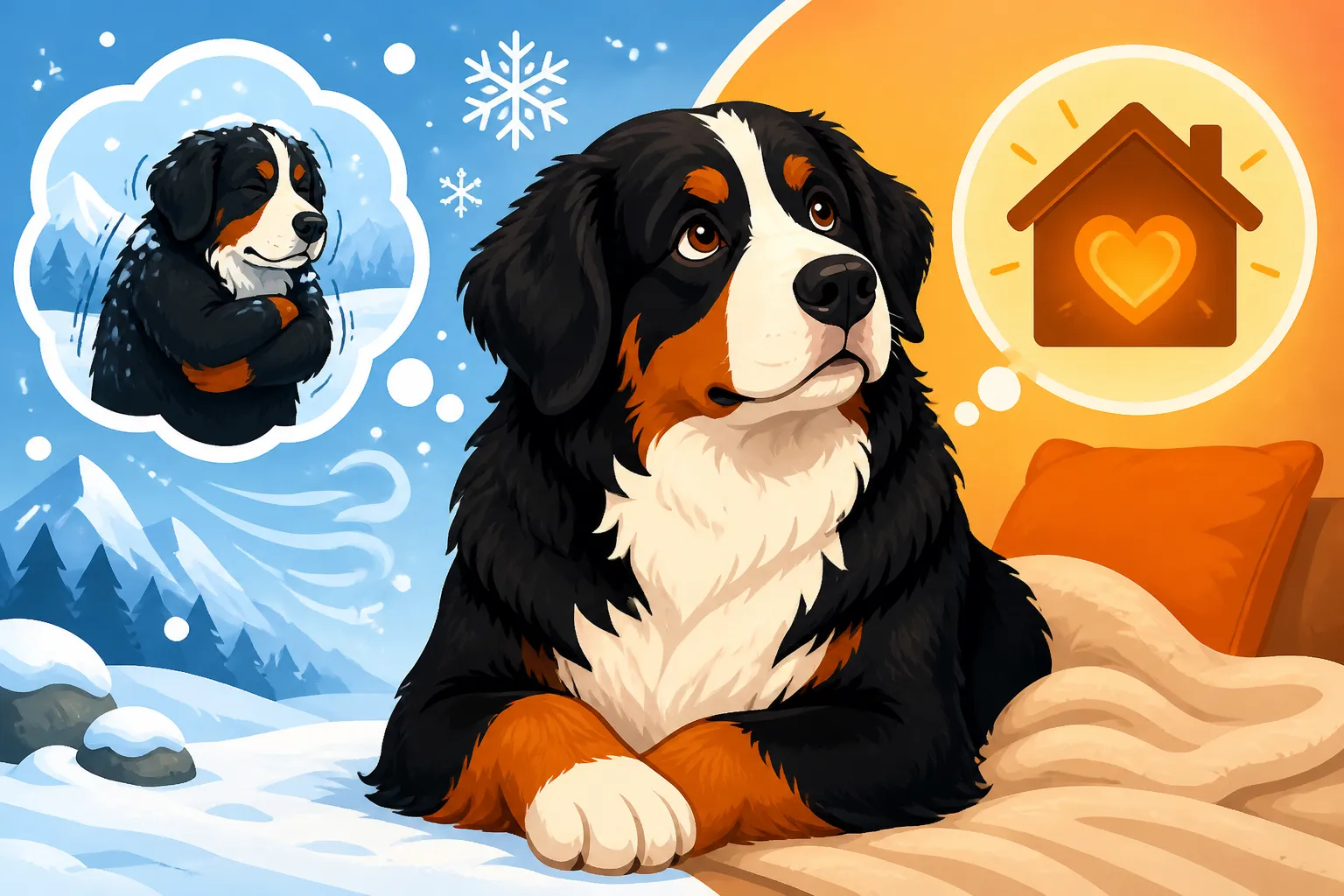
Whether a Bernese Mountain Dog Notices the Cold at All
It's a common misconception that because Bernese Mountain Dogs hail from the snowy Alps, they are immune to the cold or somehow "love" all winter weather. The truth is far more nuanced, and understanding your Berner's individual tolerance is crucial to their health and happiness, especially when those bitter winds start to blow and the temperatures plummet. This guide will help you decipher whether your beautiful, fluffy companion is truly enjoying the chill or secretly shivering their way through an uncomfortable outing.
The Bernese Mountain Dog's Ancestral Climate and Their Incredible Coat
When you think of a Bernese Mountain Dog, you probably picture them frolicking in a pristine blanket of snow, their thick coat seemingly impervious to the biting cold. And while it’s true that their heritage is rooted in the high, cold mountain pastures of Switzerland, their tolerance for cold isn't limitless, nor is it the same for every individual. Their glorious coat, however, is definitely a marvel of natural engineering, built for protection.
The Double-Coated Marvel
The Bernese Mountain Dog possesses a magnificent double coat, a defining characteristic that allowed their ancestors to thrive in harsh Alpine conditions. This isn't just one layer of hair; it's two distinct layers working in harmony. The outer coat, often called the guard coat, consists of longer, somewhat coarser hair that is slightly wavy or straight. This layer is primarily responsible for repelling water, snow, and dirt, acting like a waterproof, wind-resistant shell. It's the first line of defense against the elements.
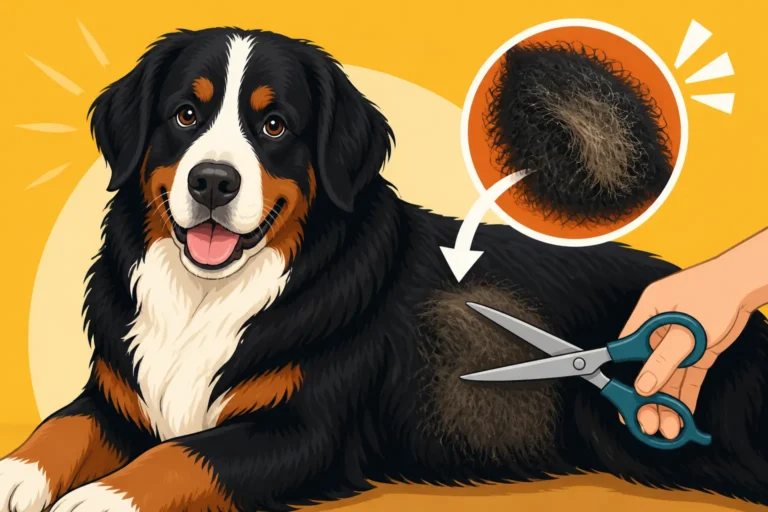
Beneath this impressive outer layer lies the undercoat, a dense, soft, and woolly layer. This is the true insulating powerhouse. It traps a layer of air close to the dog's body, which is then warmed by their body heat, creating a natural thermal barrier. Think of it like wearing a high-tech winter jacket over a thick fleece sweater; each layer serves a specific purpose, and together they provide incredible warmth. This is why you'll often see clumps of dense undercoat coming out during shedding season, especially in spring, as they shed their winter insulation. You can learn more about The Bernese Mountain Dog Shed and What It Fills to understand this process better.
More Than Just Fluff: Insulation and Protection
This dual-layer system is incredibly efficient, but it's important to remember that it’s not an impenetrable force field. The effectiveness of their coat depends on its condition, the dog’s overall health, and the type of cold. A dry, fluffy coat offers excellent insulation because of the trapped air. However, if the coat gets thoroughly soaked in icy water, much of that insulating capacity can be lost. Imagine if your down jacket got completely waterlogged – it wouldn't keep you warm anymore.
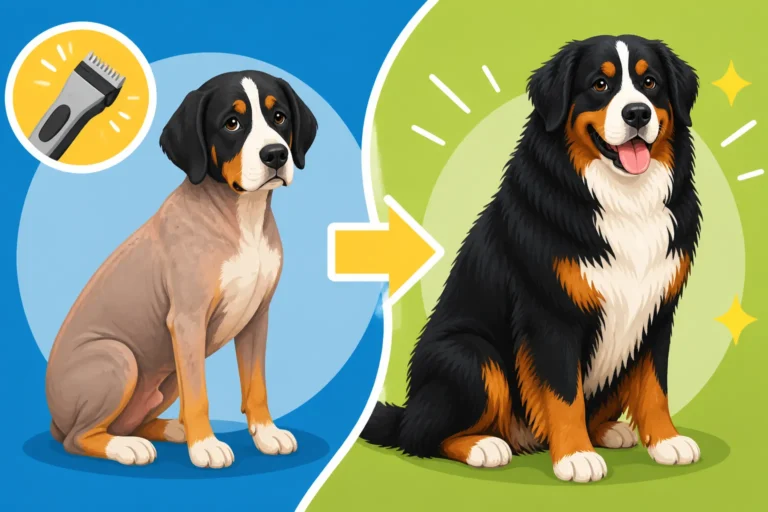
Beyond just insulation, the Bernese Mountain Dog's coat also protects their skin from windburn, frostbite, and even harsh UV rays when the sun reflects off snow. It’s a complete environmental protection system, but it relies on being well-maintained and free of mats, which can compress the undercoat and reduce its insulating ability. Owners often ask about The Case for Leaving a Bernese Mountain Dog Untrimmed because understanding the purpose of their coat is so vital to their well-being in all seasons.
How a Bernese Mountain Dog's Body Reacts to Cold
Despite their robust coats, a Bernese Mountain Dog's internal processes and individual factors play a huge role in how they perceive and handle cold weather. They aren't just giant fluff balls impervious to low temperatures; their bodies are constantly working to maintain a comfortable internal temperature, and this takes energy.
The Internal Thermostat: Metabolism and Energy
A Bernese Mountain Dog's large body mass and metabolism certainly give them an advantage in cold weather compared to a smaller, short-coated dog. Their sheer size means they have a lower surface area to volume ratio, which translates to less heat loss. However, maintaining that internal warmth still requires energy. In very cold conditions, their metabolism will naturally increase to produce more body heat, similar to how our own bodies shiver to generate warmth. This increased metabolic rate means they're burning more calories.
If your Berner is spending significant time outdoors in cold weather, especially if they are active, their caloric intake might need to be adjusted. They’ll be burning through their reserves faster. This isn't just about feeling "cold" – it's about their body expending precious resources to stay warm. A well-nourished Berner with a healthy fat layer will naturally cope better than one who is underweight or underfed. Think about the difference a good meal makes for you on a cold day; it's similar for them. Consider a high-quality food like some of the options found on Ollie to ensure they're getting adequate nutrition for these demands.
Age, Health, and Individual Sensitivity
Just like people, not all Bernese Mountain Dogs have the same tolerance for cold. Age is a significant factor. Puppies, especially very young ones, have less body fat and less developed thermoregulation systems. Their coats, while thick, might not be as dense as an adult's, making them more vulnerable to extreme cold. Similarly, senior Bernese Mountain Dogs, particularly those dealing with Arthritis in a Bernese Mountain Dog by Six or other health conditions, will feel the cold much more acutely. Their circulation might not be as efficient, and they may struggle to move around and generate their own body heat. You might find yourself needing to look into Caring for a Bernese Mountain Dog After Six to ensure their comfort in colder months.
Existing health conditions can also compromise a Berner's ability to cope. A dog with an underlying heart condition, kidney issues, or even a simple infection might be more susceptible to the cold. Pay close attention to your individual dog's behavior. Some Berners, despite their heritage, simply dislike very cold or wet conditions and will make it known by being reluctant to go outside or quickly asking to come back in. Their past experiences can also influence their preferences; a dog who had a negative experience in the cold might be warier.
Recognizing the Signs a Bernese Mountain Dog is Too Cold
Even with their magnificent coats, Bernese Mountain Dogs can get too cold. It's crucial for us, as their caretakers, to recognize the subtle (and not-so-subtle) signs that they're uncomfortable or, worse, entering a dangerous hypothermic state. You might think "they're a Berner, they'll be fine," but that mindset can lead to serious issues.
Subtle Cues You Might Miss
Bernese Mountain Dogs can be remarkably stoic, often trying to please us even when they're not feeling their best. This means we need to be extra vigilant and look for less obvious indicators of discomfort. One of the first signs you might notice is a change in their posture or gait. Are they hunched over, trying to make themselves smaller? Is their tail tucked tight against their body? Are they walking more slowly or stiffly than usual, perhaps lifting their paws off the cold ground more frequently?
You might also observe subtle shivering or trembling, which could be intermittent at first. Look closely at their ears and paw pads; if they feel unusually cold to the touch, it's a red flag. Some Berners might become unusually quiet or withdrawn, or conversely, agitated and restless, trying to find a warmer spot. If they are usually enthusiastic about walks but seem reluctant to go out or rush their business, it could be their way of telling you "it's too cold for me today, thanks!" Remember, A Bernese Mountain Dog That Refuses to Move might not just be stubborn; they could be genuinely cold.
When to Seek Shelter Immediately
There are times when the signs are much more pronounced, indicating that your Bernese Mountain Dog is dangerously cold and needs immediate attention. Prolonged, uncontrollable shivering, where their whole body is shaking, is a serious sign. If their gums or tongue appear pale, blue, or grayish, it indicates poor circulation and is an emergency. Their breathing might become shallow and slow, and their heart rate could drop.
Disorientation, weakness, or stumbling are also critical indicators of hypothermia. If your Berner collapses or becomes unresponsive, get them to a warm place, wrap them in blankets, and contact your veterinarian immediately. These are not symptoms to ignore, even in a breed known for its cold tolerance. It's a matter of life or death. Learning about The Temperature a Bernese Mountain Dog Stops Coping can give you a better idea of environmental factors, but always prioritize your dog's specific signals.
Practical Tips for Winter Care and Cold Weather Activities
Having a Bernese Mountain Dog doesn't mean you can just let them roam outside for hours in a blizzard. Responsible ownership involves understanding how to protect them from the elements and ensure their comfort and safety, no matter the weather. Winter brings unique challenges, and proactive care is key.
Winter Exercise and Duration
While your Berner might seem to enjoy romping in the snow, especially if it's fresh and powdery, prolonged exposure to extreme cold can still be detrimental. Shorter, more frequent outings are often better than one long, extended period outdoors when temperatures dip. During walks, keep them moving to generate body heat. Standing still for long periods, like waiting for you while you chat with a neighbor, can cause them to cool down quickly.
On days with freezing rain, sleet, or high winds, it's often best to keep outdoor excursions brief and focus on indoor enrichment. Remember that the wind chill factor significantly reduces the effective temperature. Pay attention to their energy levels. If they start to slow down, shiver, or seem eager to head back, it’s time to call it a day. While they might love Whether a Bernese Mountain Dog Loves Snow, moderation is key, especially as they get older.
Here’s a general guideline for cold weather activity:
| Temperature Range | Activity Level & Duration | Considerations |
|---|---|---|
| Above 32°F (0°C) | Normal Activity | Most Berners are comfortable. Monitor for wetness/wind chill. |
| 20°F – 32°F (-7°C – 0°C) | Moderate Activity | Shorter walks, keep moving. Watch for shivering, reluctance to walk. Paw protection may be needed on icy surfaces. |
| 10°F – 20°F (-12°C – -7°C) | Brief Outings Only | Potty breaks and very short, active play. Paw protection essential. Monitor closely for signs of cold. |
| Below 10°F (-12°C) | Minimize Outdoor Time | Only quick potty breaks. Risk of frostbite/hypothermia increases rapidly, especially with wind chill. |
Note: These are general guidelines. Always factor in wind chill, wetness, cloud cover, and your individual dog's health and age.
Gear for Cold Weather Comfort
While a Bernese Mountain Dog’s coat is impressive, there are still ways we can enhance their comfort and safety in cold weather. Paw protection is paramount. Icy pavements, road salt, and even packed snow can be abrasive and cause frostbite or painful cracking on paw pads. Dog booties can offer excellent protection, though getting a Berner used to them takes patience! Alternatively, a paw balm or wax applied before walks can create a protective barrier. Brands like Musher's Secret or similar products available on Amazon are popular choices.
For older, arthritic, or health-compromised Berners, a dog coat or sweater might actually be beneficial, especially for short outings or when transitioning from a warm house to cold outdoor air. While it might seem counterintuitive for such a fluffy dog, an extra layer can help retain crucial body heat, particularly around their core. This is especially true if they have Joint Disease in a Hundred Pound Bernese Mountain Dog and benefit from keeping their muscles warm.
Post-Walk Care and Warmth
After a winter walk, especially if it was a bit slushy or snowy, a thorough post-walk routine is essential. Check their paws meticulously for ice balls that can form between their toes, which are incredibly uncomfortable. Road salt and chemicals can irritate their skin, so rinsing their paws with warm water (and thoroughly drying them!) is a good habit. You don't want them licking off harmful substances. Consider keeping a towel by the door, maybe even one from Chewy, for quick wipe-downs.
Ensure they have a warm, dry place to rest indoors. A cozy, orthopedic bed, especially for an older Berner, can make a world of difference. Even if they don't seem outwardly cold, their body has been working harder to maintain temperature, and a chance to truly warm up and relax is vital. Providing fresh, cool water is also important, as dehydration can occur even in cold weather. Just because it's cold doesn't mean they don't get thirsty after exertion!
Disclaimer
This article is for general informational purposes only and does not constitute professional advice. Laws, prices and regulations vary by location and change over time. Consult a qualified professional for guidance on your specific situation.