What the Berner-Garde Database Records
It's a bittersweet reality for many Bernese Mountain Dog owners: our beloved, gentle giants often face a shorter lifespan and a higher incidence of specific health challenges compared to many other breeds. The uncertainty and the sheer volume of information (and misinformation) out there can feel overwhelming, leaving you wondering where to turn for reliable data. This guide aims to shine a light on the Berner-Garde Foundation database, a vital resource diligently compiled by dedicated volunteers, showing you exactly what invaluable records it holds and how this collective knowledge helps shape a healthier future for our Berners.
The Berner-Garde Foundation: A Collaborative Effort for Breed Health
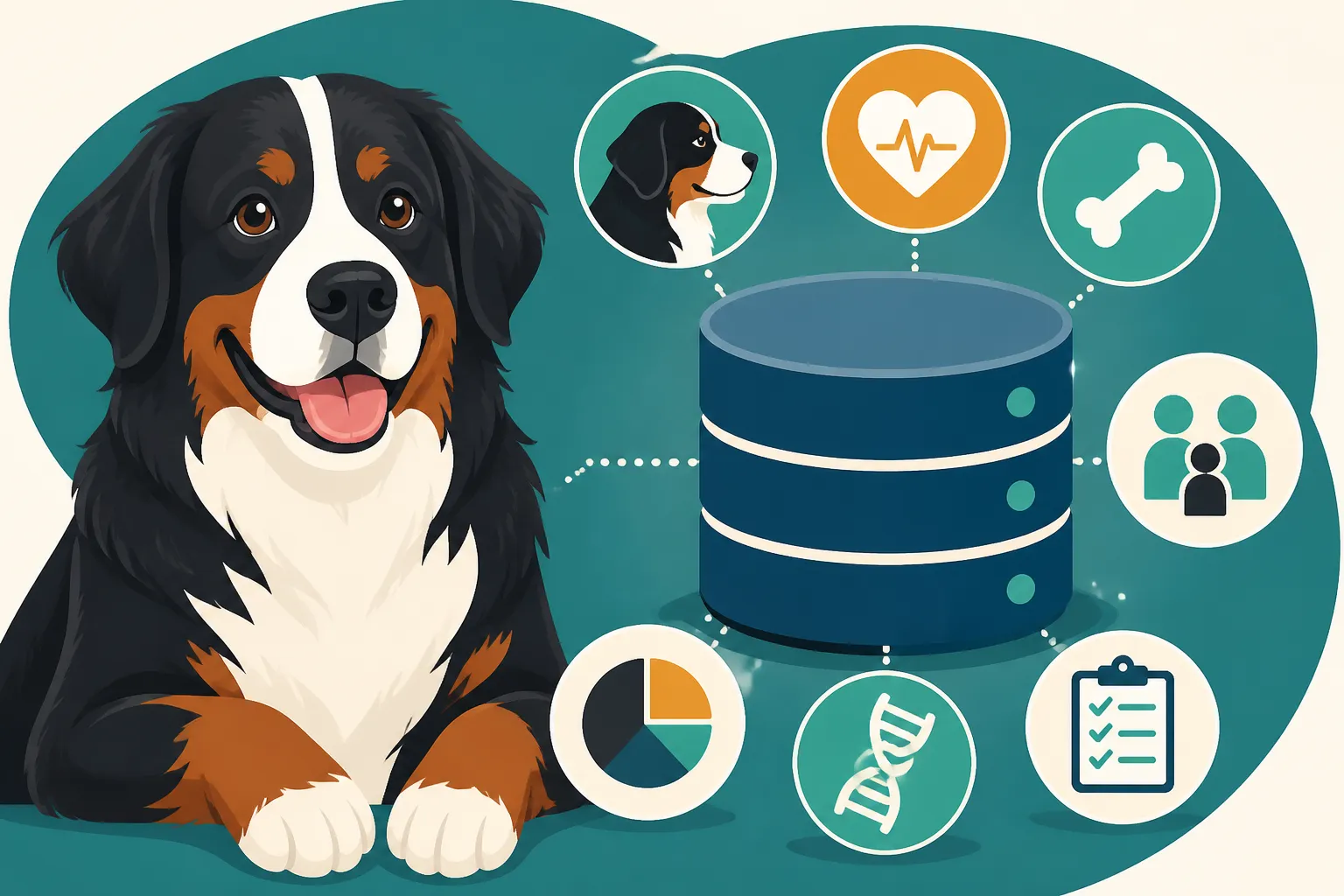
Imagine a world where every piece of health information, every pedigree, every cause of death for a Bernese Mountain Dog, was meticulously recorded and made accessible. That's the ambitious, yet profoundly impactful, vision behind the Berner-Garde Foundation. It's not just a dusty archive; it's a living, breathing testament to the love and dedication of countless individuals committed to improving the breed's health and longevity. For anyone navigating the complexities of Bernese Mountain Dog ownership, especially when it comes to health, understanding Berner-Garde is absolutely essential.
More Than Just a Database: Its Mission and History
The Berner-Garde Foundation began as a grassroots effort, born out of a deep concern for the health issues plaguing the Bernese Mountain Dog breed, particularly the devastating prevalence of cancer. In the face of a breed average lifespan that was—and still is—disturbingly low, a group of passionate owners and breeders recognized the critical need for comprehensive data. They understood that without centralized, accessible information, it would be impossible to identify trends, pinpoint genetic predispositions, and make informed breeding decisions.
This non-profit organization is entirely volunteer-run, a true labor of love. Its mission is clear: to gather, store, and provide open access to health, pedigree, and longevity information for Bernese Mountain Dogs. This transparency is what sets it apart. Unlike some closed registries, Berner-Garde aims to empower everyone—from seasoned breeders to prospective puppy owners and veterinary researchers—with the knowledge they need to make the best choices for the breed. It acts as a collective memory for the breed, ensuring that the health stories of individual dogs contribute to the greater understanding of the breed's genetic landscape.
A Collaborative Effort for Transparency
The strength of the Berner-Garde database lies in its collaborative nature. It relies heavily on submissions from individual owners, breeders, and veterinarians. This means that every time a dog's health record, a diagnosis, a longevity report, or even a cause of death is submitted, it adds another crucial piece to the overall puzzle. It’s a powerful example of how a community can come together to address significant challenges.
For new Berner owners, or those simply researching the breed, the database offers an unparalleled level of transparency. You can look up a potential puppy's parents, grandparents, and even great-grandparents, often seeing their full health histories, including any diseases they developed or how long they lived. This kind of open information is a stark contrast to simply relying on a breeder's word or limited paperwork. It means you can proactively research pedigrees and make more informed decisions when choosing a breeder, helping you avoid lines with known, prevalent health issues.
Unpacking the Health Records: What's Inside?
When you delve into the Berner-Garde database, you'll find an astonishing amount of detail, meticulously categorized to provide the most comprehensive picture possible of a Bernese Mountain Dog's health journey. It’s a place where individual stories merge into collective statistics, allowing us to understand the true health landscape of the breed.
The Shadow of Cancer: Recording Every Case
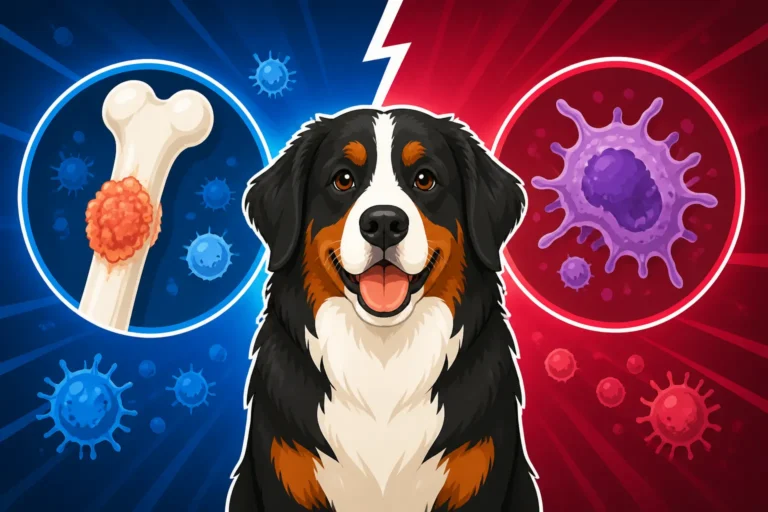
It’s a heartbreaking reality for many Bernese Mountain Dog owners that cancer is a leading cause of death, earning the breed the unfortunate nickname "a veterinarian's retirement plan" in some circles. Berner-Garde takes this challenge head-on by documenting every reported instance of cancer with incredible detail. You’ll find records detailing the specific type of cancer, such as Histiocytic Sarcoma in a Bernese Mountain Dog, lymphoma, osteosarcoma, and mast cell tumors. This also includes the age at diagnosis, the location of the tumor, and, crucially, the outcome of the disease.
This extensive cancer data is vital. By aggregating these records, researchers can study prevalence rates, identify common tumor types, and investigate potential genetic links. For example, understanding cancer in a Bernese Mountain Dog or knowing Whether Cancer Runs in Bernese Mountain Dog Lines means breeders can make more informed decisions to try and reduce its occurrence in future generations. This data is the bedrock for much of the research aimed at finding better treatments and, ultimately, a cure for the cancers that disproportionately affect our beloved Berners.
Joint and Structural Health: Beyond Hips and Elbows
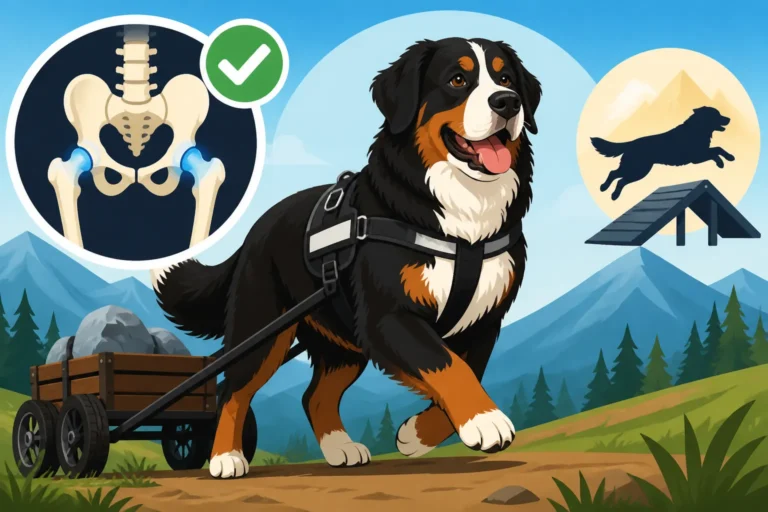
Beyond cancer, orthopedic issues are another significant concern for large breeds like the Bernese Mountain Dog. The Berner-Garde database provides extensive records on joint and structural health, which are crucial for assessing a dog's quality of life and breeding suitability. It meticulously documents official clearances for hips and elbows, often from organizations like the Orthopedic Foundation for Animals (OFA) or PennHIP. But it doesn't stop there.
You'll also find records of other structural conditions, such as osteochondritis dissecans (OCD), patellar luxation (kneecap dislocation), and spinal issues. For instance, the database can help illustrate patterns in joint issues in a Hundred Pound Bernese Mountain Dog, allowing owners and breeders to track how frequently certain issues appear in specific lines. This helps individuals understand the hereditary nature of these problems and aids breeders in selecting pairings that might produce healthier offspring. It's not just about knowing if a dog has an issue, but understanding the severity and how it might impact their life and their potential as a parent.
Other Vital Health Concerns: Bloat, Eyes, and Hearts
While cancer and joint issues often dominate discussions about Bernese health, Berner-Garde’s records extend to a wide array of other serious conditions that can affect the breed. For example, it tracks instances of gastric dilatation-volvulus (GDV), commonly known as bloat, a life-threatening emergency common in deep-chested breeds. Knowing the incidence of bloat within a specific lineage can be an important factor for breeders and owners, especially when considering preventive measures like gastropexy.
Furthermore, the database includes information on eye conditions like entropion (inward-rolling eyelids) and ectropion (outward-rolling eyelids), as well as cataracts, which can significantly impact a dog's vision and quality of life. Cardiac conditions, such as subvalvular aortic stenosis (SAS) or other heart murmurs, are also documented. This holistic approach to health record-keeping ensures that researchers and breeders have a complete picture of the challenges the breed faces, allowing for a multifaceted strategy to improve overall health. It also means that when you’re looking into a puppy's general health, a comprehensive resource is available.
Longevity and Causes of Death: A Crucial Puzzle Piece
One of the most heart-wrenching aspects of owning a Bernese Mountain Dog is their relatively short lifespan. The Berner-Garde database directly confronts this reality by meticulously recording longevity data and specific causes of death, providing invaluable insights that are difficult to obtain elsewhere.
Understanding the Bernese Lifespan: Age at Death Data
The average lifespan of a Bernese Mountain Dog is a topic that weighs heavily on every owner's heart. Berner-Garde collects and displays the age at death for a vast number of dogs, offering a clearer, data-driven perspective on The Average Age a Bernese Mountain Dog Reaches and variations within different family lines. This isn't just a cold statistic; it's a critical tool for identifying dogs and lines that demonstrate exceptional longevity, as well as those that consistently fall short of the breed average.
For breeders, this information is paramount. While there are no guarantees in genetics, selecting breeding pairs from lines with a history of living longer, healthier lives is a responsible step toward improving the breed's future. For prospective owners, it allows for a more realistic understanding of the commitment they are making and the potential heartbreaks they might face. Knowing the typical lifespan helps you prepare both emotionally and practically for the duration of your Bernese companion's journey.
Deciphering the "What Died Of": Identifying Key Threats
Simply knowing when a dog passed away isn't enough; understanding why is equally, if not more, important. The Berner-Garde database goes into extensive detail regarding the reported causes of death for each dog. This data illuminates the primary health threats to the breed, allowing resources to be focused on the most pressing issues.
As mentioned earlier, cancer accounts for a significant portion of deaths, and the database helps to quantify this, breaking down which specific cancers are most prevalent. Beyond that, it helps track other causes such as kidney disease, bloat, and degenerative neurological conditions like degenerative myelopathy. This granular data helps both researchers and the breed community understand the most common health pitfalls, fostering research and informing strategies to mitigate these risks. It's about empowering everyone to contribute to extending and improving the lives of Berners everywhere.
The Power of Health Clearances and Genetic Testing
In the world of responsible dog breeding and ownership, health clearances and genetic testing are non-negotiable. The Berner-Garde database acts as a central repository for these crucial documents, transforming them from individual pieces of paper into a collective, searchable resource that guides informed decisions.
Official Clearances: OFA, PennHIP, and More
Before a Bernese Mountain Dog is considered for breeding, responsible breeders will obtain a suite of official health clearances to screen for hereditary conditions. The Berner-Garde database diligently records these results, making them easily verifiable for anyone doing their due diligence. This includes, but isn't limited to, certifications from the Orthopedic Foundation for Animals (OFA) for hips and elbows, which assess for dysplasia. You'll also find eye certifications (from organizations like the Canine Eye Registry Foundation, or CERF, now part of OFA) to screen for hereditary eye diseases, and cardiac clearances to check for congenital heart defects.
Knowing The Four OFA Clearances on a Bernese Mountain Dog is vital information, as these are hereditary conditions that can significantly impact a dog's quality of life and necessitate costly treatments. For instance, a clear OFA hip rating means that, at the time of evaluation, the dog's hips were deemed free of evidence of hip dysplasia. When you're looking at a dog's entry in Berner-Garde, you can see not just their own clearances but often those of their parents and even further back, painting a clearer picture of genetic health within a line. This level of transparency allows prospective buyers to verify claims and ensures accountability among breeders.
Diving Deep with DNA: Genetic Predispositions
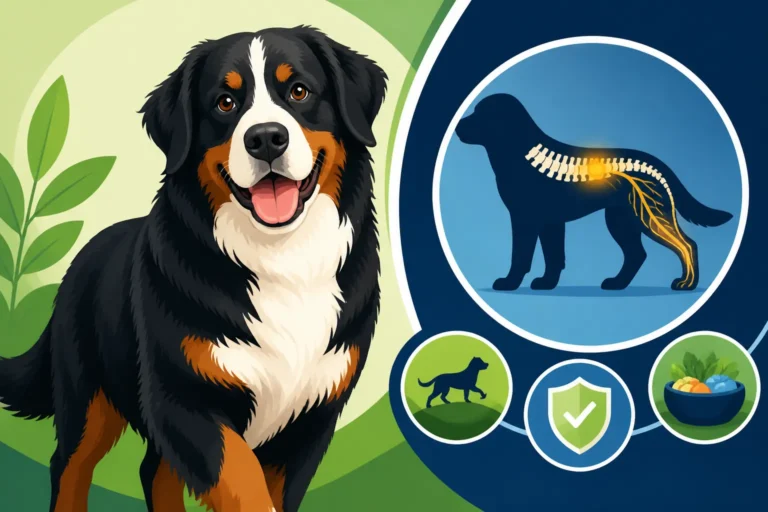
Beyond physical clearances, advancements in genetic testing allow us to peer even deeper into a dog's genetic makeup. The Berner-Garde database incorporates results from various DNA tests, helping to identify carriers or affected dogs for specific hereditary diseases. A prime example is The SOD1 Test for a Bernese Mountain Dog (SOD1-A), which screens for a genetic mutation associated with Degenerative Myelopathy (DM), a progressive neurological disease that affects the spinal cord.
Knowing a dog's DM status (clear, carrier, or at-risk) is incredibly important for responsible breeding practices, as it allows breeders to avoid producing affected puppies. The database also tracks other genetic tests that become available for the breed as research progresses. This commitment to recording DNA results demonstrates a proactive approach to breed health, enabling breeders to use scientific tools to make more informed choices and ultimately reduce the incidence of preventable genetic diseases in future generations. Many proactive owners also use these insights to discuss potential future care with their vets, and knowing a dog's genetic predisposition can be valuable information for pet insurance providers like Healthy Paws.
How Berner-Garde Empowers Owners and Breeders
The true power of the Berner-Garde database lies not just in its existence, but in how it’s actively used by the Bernese Mountain Dog community. It’s a tool for education, advocacy, and direct action, creating a ripple effect that benefits individual dogs and the breed as a whole.
Contributing to the Collective Knowledge
The database is only as strong and comprehensive as the data it contains, which means owner participation is crucial. This includes submitting health clearances, medical diagnoses, and especially longevity information and causes of death. Even if your Berner lived a full, healthy life, that information is just as valuable as the record of a dog that succumbed to illness early.
The process of submitting records is straightforward and user-friendly, and every entry makes a difference. Imagine if every Berner owner took the time to contribute; the depth and breadth of the data would be immense, offering an even more accurate and powerful resource. This collective effort ensures that the stories of individual dogs are not lost but instead contribute to the greater understanding and improvement of the breed. It’s a way for every owner to leave a legacy that benefits future generations of Berners.
Making Informed Decisions: Researching Pedigrees
For anyone considering bringing a Bernese Mountain Dog into their home, Berner-Garde is an indispensable research tool. It empowers prospective owners to move beyond pretty puppy pictures and delve into the health history of a potential puppy's lineage. You can search by a dog's name, registration number, or even a specific breeder, allowing you to trace pedigrees and review the health clearances and longevity records of ancestors.
For example, when looking at a potential puppy, you can search for both parents, their parents, and so on. This allows you to see if there's a pattern of early onset cancer, severe hip or elbow dysplasia, or other recurring health issues in their family tree. This invaluable information helps you have deeper, more informed conversations with breeders, asking specific questions based on the data you’ve reviewed. It’s about being proactive and ensuring you're making the most responsible choice for your family and for the well-being of the puppy. The database becomes a powerful ally in the journey of finding a healthy, well-bred Bernese Mountain Dog.
Driving Research and Progress: The Future of the Breed
Ultimately, the comprehensive data housed within Berner-Garde serves a higher purpose: driving scientific research and progress for the breed. Researchers regularly access this anonymized data to study disease patterns, investigate genetic markers, and develop better diagnostic tools and treatments. For instance, studies on cancer are heavily reliant on the detailed records submitted by owners. This leads to a virtuous cycle: more data leads to better research, which in turn leads to improved health outcomes for the breed.
The foundation also partners with veterinary colleges and research institutions, providing them with the raw material needed to unlock the mysteries of Bernese Mountain Dog health. This collaboration is absolutely critical for tackling complex issues like cancer predisposition, which likely involves multiple genes and environmental factors. By supporting Berner-Garde, either through contributions of data or financial donations, you're directly contributing to a brighter, healthier future for these magnificent dogs. This long-term investment in breed health can also indirectly benefit owners who might need to rely on pet insurance like Healthy Paws, as a healthier breed overall may face fewer unexpected, costly health crises. The database helps us move from reacting to problems to actively preventing them.
A Crucial Resource for Every Bernese Mountain Dog Lover
The journey of owning a Bernese Mountain Dog is filled with immense joy, but it also comes with unique responsibilities and, often, significant challenges due to their specific health predispositions. The Berner-Garde Foundation database stands as a testament to the dedication of the Bernese community, providing a transparent, comprehensive, and continuously evolving resource that is absolutely vital for anyone involved with the breed. From prospective owners researching their first puppy to seasoned breeders making critical decisions, and from researchers seeking to unravel genetic mysteries to veterinarians looking for breed-specific patterns, Berner-Garde truly is the heart of health information for the Bernese Mountain Dog. It represents our collective hope and tireless effort to ensure these wonderful dogs live longer, healthier, and happier lives by our sides.
| Category | Types of Records Recorded | Significance for Breed Health |
|---|---|---|
| Cancer | Specific type (e.g., Histiocytic Sarcoma, Lymphoma), age at diagnosis, location, treatment, outcome | Identifies genetic predispositions, informs research into causes and cures, guides breeding decisions to reduce incidence. |
| Orthopedic Health | OFA/PennHIP scores for hips & elbows, OCD, patellar luxation, spinal issues | Tracks hereditary joint diseases, helps breeders select sound parents, informs puppy buyer choices, supports efforts to reduce lameness. |
| Longevity | Age at death, cause of death (detailed breakdown) | Reveals average lifespan, highlights common causes of mortality, identifies long-lived lines for breeding, informs research priorities. |
| Genetic Testing | DNA test results (e.g., SOD1 for Degenerative Myelopathy) | Identifies carriers and affected dogs for specific genetic diseases, allows for responsible breeding to avoid producing affected offspring. |
| Other Conditions | Bloat (GDV), eye conditions (entropion, cataracts), cardiac conditions, kidney disease | Provides a holistic view of breed health challenges beyond major concerns, aids in understanding prevalence and impact of various diseases. |
| Pedigree Information | Ancestral health data, sire/dam health, offspring health | Allows for in-depth research into family lines, helps identify health trends across generations, empowers informed breeding and purchasing decisions. |
Disclaimer
The information provided in this article is for educational and informational purposes only and does not constitute veterinary advice. Always consult with a qualified veterinarian for any health concerns or before making any decisions about your Bernese Mountain Dog's care. The Berner-Garde Foundation is a valuable resource, but it should be used in conjunction with professional veterinary guidance.