The Four OFA Clearances on a Bernese Mountain Dog
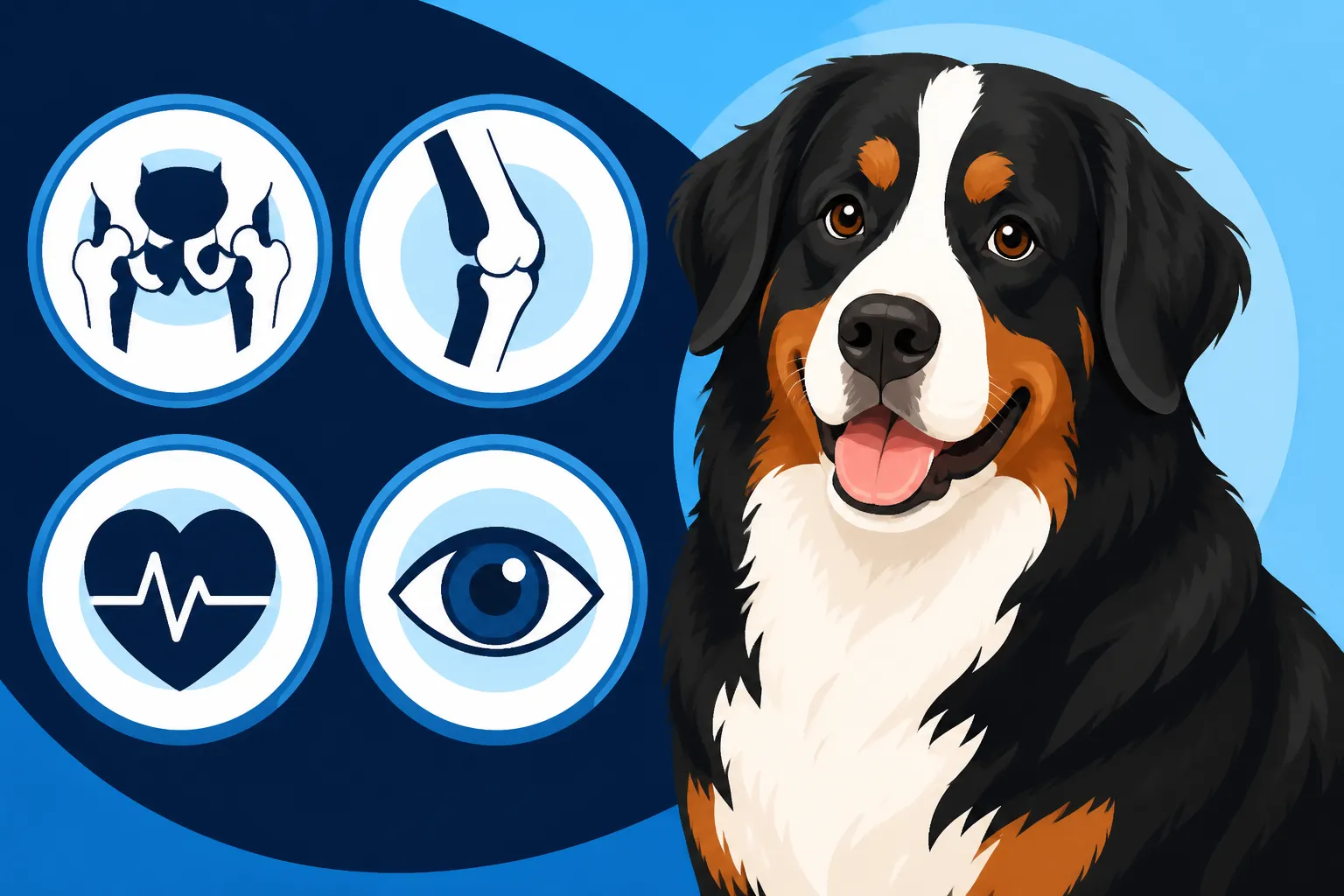
Many Bernese Mountain Dog owners find themselves swimming in a sea of acronyms and medical jargon when researching the health of this beloved breed, with "OFA" often being one of the most prominent yet perplexing. It’s completely understandable to feel overwhelmed, but understanding these critical health certifications is paramount for any current or prospective Berner parent. This comprehensive guide will illuminate the four essential OFA clearances recommended for Bernese Mountain Dogs, breaking down their importance and what they truly signify for your cherished companion's health and happiness.
The Foundation of OFA Clearances for Bernese Mountain Dogs: What Every Owner Needs to Know
Bringing a Bernese Mountain Dog into your life is an immense joy, but it also comes with a significant responsibility to safeguard their health. These majestic dogs, while beautiful and loving, are unfortunately predisposed to a number of genetic health conditions. This is where the Orthopedic Foundation for Animals (OFA) steps in, providing a vital service that helps breeders make informed decisions and gives owners peace of mind.
The Critical Role of the Orthopedic Foundation for Animals OFA
The Orthopedic Foundation for Animals (OFA) is a not-for-profit organization dedicated to improving the health and well-being of companion animals through a reduction in the incidence of genetic disease. For decades, OFA has been collecting and disseminating information concerning orthopedic and genetic diseases of animals. Think of them as a central hub where health data for specific conditions is evaluated by expert veterinary radiologists and ophthalmologists, then recorded in a public database. This transparency is key, allowing anyone to verify the health certifications of a dog.
For a breed like the Bernese Mountain Dog, which faces unique health challenges, the OFA's work is particularly crucial. Without standardized, verifiable testing, breeders would be left guessing, and debilitating conditions could proliferate unchecked. The OFA provides a system that encourages responsible breeding practices, helping to improve the overall genetic health of the breed one generation at a time. It’s not just about passing a test; it's about building a healthier future for all Berners.
Beyond Good Intentions: Why Clearances Are Essential for Berners
It's easy to assume that if a dog "looks healthy" or comes from a "good home," it must be free of genetic issues. However, many inherited diseases are sneaky; they don't show obvious signs in young puppies or even in adult dogs until the condition has progressed significantly. Relying solely on good intentions or anecdotal evidence just isn't enough when it comes to the long-term health of a Bernese Mountain Dog. These dogs already face a relatively short lifespan compared to many breeds, as highlighted in topics like Why a Bernese Mountain Dog Lives Only Seven or Eight Years, making every effort to improve their quality of life absolutely vital.
OFA clearances provide objective, scientific data on specific genetic conditions that are prevalent in the Bernese Mountain Dog breed. By requiring certain tests for breeding stock, OFA ensures that breeders are actively trying to minimize the risk of passing on these diseases. While no test can guarantee a puppy will be perfectly healthy for its entire life, it significantly stacks the odds in favor of better health. For prospective owners, it means you can research a puppy's parents and grandparents, verifying that careful, health-conscious decisions were made, rather than just taking a breeder's word for it. This due diligence is fundamental to finding a healthy puppy and avoiding heartbreaking and costly health battles later on.
The Broader Bernese Mountain Dog Health Panel
While this guide focuses on the four primary OFA clearances, it’s important to understand that responsible breeding encompasses an even broader health panel for Bernese Mountain Dogs. These additional tests often include genetic screenings for conditions like Degenerative Myelopathy (DM) and Von Willebrand Disease (vWD), which are equally important for the breed's well-being. OFA also provides an avenue to record these results.
A truly comprehensive approach to Berner health involves not just these initial clearances but also ongoing veterinary care, proper nutrition, and appropriate exercise throughout the dog's life. Think of the OFA clearances as the crucial baseline, the starting point for a lifetime of good health management. If you're looking into The Bernese Mountain Dog Health Panel in its entirety, you'll see a range of proactive steps breeders and owners can take, with OFA clearances forming a cornerstone.
OFA Hip Dysplasia: Ensuring Soundness from the Ground Up
Hip dysplasia is perhaps the most well-known and feared orthopedic condition in large breed dogs, and Bernese Mountain Dogs are unfortunately no exception. It’s a painful, debilitating disease that can severely impact a dog's quality of life.
The Harsh Reality of Hip Dysplasia in Large Breeds
Hip dysplasia is a malformation of the hip joint, where the ball (femoral head) and socket (acetabulum) don't fit together properly. Instead of smoothly gliding, they grind and rub, leading to breakdown of the joint over time, painful arthritis, and often severe lameness. For a magnificent, hundred-pound Bernese Mountain Dog, whose entire weight rests on these joints, the consequences can be devastating. Owners describe seeing their once-active dogs struggle to rise, limp after walks, or even refuse to play. It's a progressive condition that can lead to chronic pain, expensive medications, and potentially invasive surgery.
The thought of your gentle giant suffering from constant pain is truly heartbreaking. This is why screening for hip dysplasia is considered one of the most fundamental health clearances for Berners. Early signs might be subtle, like a slight hesitation to jump or climb stairs, but as the condition advances, the impact on their mobility and overall happiness becomes profound. You might observe a pronounced limp or difficulty getting up after resting, which are clear indicators of discomfort. This condition directly relates to Hips That Fail Under a Bernese Mountain Dog's Weight, as the sheer size and bulk of the breed exacerbate the stress on poorly formed joints.
Decoding OFA Hip Ratings
The OFA evaluates hip radiographs (X-rays) and assigns a rating based on the conformation of the joint. These ratings are crucial for breeders and owners to understand the structural integrity of a dog's hips. The seven categories are:
- Excellent: Superior hip conformation, minimal laxity, excellent joint congruence.
- Good: Well-formed, congruous hips, slightly more laxity than excellent.
- Fair: Passable hip conformation, some minor irregularities, but still within acceptable limits for breeding.
- Borderline: Minor structural changes, difficult to determine if dysplastic. OFA recommends re-evaluation in 6-12 months.
- Mild Dysplasia: Significant laxity, shallow acetabulum, early arthritic changes.
- Moderate Dysplasia: Obvious signs of dysplasia, considerable laxity, significant arthritic changes.
- Severe Dysplasia: Extreme laxity, flattened femoral heads, pronounced arthritic changes.
For a dog to receive an OFA "passing" grade for breeding purposes, their hips must be rated "Fair," "Good," or "Excellent." Anything classified as Borderline or below is considered dysplastic and should not be bred. Understanding these grades is vital when looking up a potential puppy's lineage or evaluating your own Berner's health. You can find detailed explanations of these criteria and more on the OFA website itself, which emphasizes transparency in its rating system.
The X-ray Process and Age Requirements
The OFA hip evaluation involves a specific radiographic procedure. Your veterinarian will take X-rays of your Bernese Mountain Dog's hips while the dog is positioned in a very precise way – lying on its back with hind legs extended straight and parallel. This positioning can be uncomfortable, so sedation is almost always necessary to ensure the dog is relaxed, still, and correctly positioned for an accurate image. The quality of the X-ray is paramount; a poor image can lead to an inconclusive reading or an inaccurate grade.
For final OFA certification, a Bernese Mountain Dog must be at least 24 months (two years) of age. This minimum age is critical because hip joint development is typically complete by this time. While preliminary evaluations can be done on younger dogs, these are estimates and not considered final certifications for breeding. A responsible breeder will always wait until their dogs are fully mature before obtaining these final, definitive clearances. This adherence to age requirements demonstrates a commitment to genetic health. For more detailed insights into all the necessary tests, check out OFA Clearances a Bernese Mountain Dog Should Have.
OFA Elbow Dysplasia: A Common Companion Joint Issue
Just like hip dysplasia, elbow dysplasia is a significant concern for Bernese Mountain Dogs, causing pain and limiting mobility, particularly in their front limbs. It’s another condition that demands careful screening.
What Elbow Dysplasia Entails for Bernese Mountain Dogs
Elbow dysplasia is a general term encompassing several inherited developmental abnormalities of the elbow joint. Unlike hip dysplasia, which is a single condition, elbow dysplasia often involves multiple components, including ununited anconeal process (UAP), fragmented coronoid process (FCP), osteochondritis dissecans (OCD), and elbow incongruity. These issues cause abnormal development and accelerated wear and tear on the joint surfaces, inevitably leading to painful osteoarthritis, often at a surprisingly young age.
A Bernese Mountain Dog suffering from elbow dysplasia might exhibit a shifting lameness, difficulty extending or flexing the elbow, a reluctance to play, or stiffness, especially after resting or rigorous exercise. Because Berners are large, heavy dogs, the stress on their elbows is immense, and even minor abnormalities can become very painful over time. This condition is a primary cause of The Front-End Lameness a Bernese Mountain Dog Develops, which can be debilitating and requires ongoing management.
Understanding Elbow Grades and Their Implications
Similar to hips, OFA evaluates elbow radiographs to determine the presence and severity of dysplasia. The grading system is simpler, focusing on the degree of arthritic changes present:
- Normal (Grade 0): No evidence of elbow dysplasia.
- Grade I: Mild elbow dysplasia (minimal bone changes, small osteophytes).
- Grade II: Moderate elbow dysplasia (more significant bone changes, moderate osteophytes).
- Grade III: Severe elbow dysplasia (extensive bone changes, severe osteophytes, potential joint incongruity).
For breeding purposes, only dogs with a "Normal" (Grade 0) rating should be considered. Any dog with Grade I, II, or III elbow dysplasia should not be bred, as they carry the genetic predisposition to pass this painful condition to their offspring. This strict standard helps to gradually reduce the incidence of elbow dysplasia within the Bernese Mountain Dog population, protecting future generations from this often-crippling ailment.
Proactive Steps for Elbow Health
Beyond the initial OFA clearance, owners can take proactive steps to support their Bernese Mountain Dog's elbow health throughout their life. Controlled exercise during puppyhood is crucial to prevent excessive stress on rapidly developing joints. This means avoiding strenuous activities, excessive jumping, and long, forced walks until their growth plates have closed. Maintaining a healthy weight is also paramount, as every extra pound adds strain to the joints. Ensuring your Berner receives balanced nutrition, perhaps even customized meal plans from services like Ollie, can play a huge role in supporting overall joint health and preventing obesity.
Additionally, many Berner owners start their dogs on joint supplements as they age, even those with clear elbows, to support cartilage health and reduce inflammation, especially once they reach middle age. Conditions like Arthritis in a Bernese Mountain Dog by Six are unfortunately common, making early, proactive care a wise investment. Regular veterinary check-ups are also essential to monitor for any signs of discomfort or lameness, allowing for early intervention if issues arise.
OFA Cardiac Clearances: Listening to the Heartbeat of the Breed
While hip and elbow issues are often top of mind for large breed owners, heart health is another critical area that requires careful attention and screening in Bernese Mountain Dogs. Undetected cardiac conditions can have serious, even fatal, consequences.
Why Cardiac Screening is a Must for Berners
Cardiac conditions can sometimes be silent, meaning a dog might appear outwardly healthy even while suffering from a serious heart defect. This is particularly concerning in breeds like the Bernese Mountain Dog, where certain inherited heart conditions can occur. Conditions such as Subvalvular Aortic Stenosis (SAS) or other congenital heart diseases can impact a dog's longevity and quality of life, sometimes leading to sudden collapse or heart failure. Early detection is crucial, not just for breeders to make informed decisions, but also for owners to manage any detected conditions, potentially extending their dog's life and improving its comfort.
Even seemingly minor heart murmurs, especially in a puppy, warrant further investigation. While some murmurs are "innocent" and resolve on their own, others can indicate an underlying structural problem with the heart. For this reason, cardiac screening should be a standard part of a Bernese Mountain Dog's health panel, ensuring that any potential issues are identified before they become life-threatening. This screening is a fundamental part of Heart Screening for a Bernese Mountain Dog, which ensures the health of breeding lines.
The Two-Tiered Cardiac Evaluation Process
The OFA offers two levels of cardiac evaluation for dogs. The first, and most basic, is an auscultation performed by a general practitioner veterinarian. This involves listening to the dog's heart with a stethoscope to detect any murmurs or arrhythmias. If a murmur is detected, it should be followed up with a more advanced evaluation.
The second, and highly recommended, level of evaluation for breeding stock is an examination by a board-certified veterinary cardiologist (a specialist in diseases of the heart, designated by ACVIM – American College of Veterinary Internal Medicine). This advanced exam typically includes a detailed auscultation, palpation of pulses, and most importantly, an echocardiogram (an ultrasound of the heart). An echocardiogram allows the cardiologist to visualize the heart's structure and function in real-time, detecting even subtle abnormalities that a stethoscope alone might miss. For a definitive OFA "Advanced Cardiac" clearance, this specialist examination is required. The minimum age for a final OFA cardiac clearance is 12 months.
Interpreting Cardiac Results and Ongoing Monitoring
A "Normal" OFA cardiac certification means that no significant murmurs or other heart abnormalities were detected during the examination. This provides a valuable baseline of health. However, it's important to remember that some cardiac conditions can develop later in life. Therefore, regular veterinary check-ups throughout your Berner's life remain crucial for monitoring heart health. Your general veterinarian will continue to auscultate your dog's heart at annual exams, listening for any changes that might warrant further investigation by a cardiologist.
For dogs that do receive a diagnosis of a cardiac condition, a clear understanding of the prognosis and management plan is essential. With appropriate veterinary care, medication, and lifestyle adjustments, many dogs with heart disease can still live good quality lives. Having this information upfront allows owners to make the best decisions for their dog's welfare and ensure they receive any necessary treatments. Investing in pet insurance, like a policy from Healthy Paws, early on can be a lifesaver, helping to cover the often-high costs associated with specialized cardiac diagnostics and long-term medications.
OFA Eye Certification: Protecting Vision and Quality of Life
Our Bernese Mountain Dogs rely on their keen senses, including their sight, to navigate the world and enjoy life to the fullest. Eye conditions can range from mildly irritating to severely debilitating, making thorough eye screening an important component of responsible breeding.
Common Eye Conditions in Bernese Mountain Dogs
Bernese Mountain Dogs can be prone to several inherited eye conditions that can affect their vision and comfort. Some of the more common concerns include:
- Entropion: A condition where the eyelid rolls inward, causing the eyelashes and fur to rub against the cornea. This is incredibly painful and can lead to corneal ulcers, infections, and even blindness if left untreated.
- Ectropion: The opposite of entropion, where the eyelid rolls outward, exposing the conjunctiva and leaving the eye vulnerable to irritation, dryness, and infection.
- Cataracts: Opacities in the lens of the eye that can lead to blurred vision and eventually blindness. Inherited cataracts can appear at various ages.
- Progressive Retinal Atrophy (PRA): A group of genetic diseases that cause the degeneration of the retina, leading to progressive vision loss and ultimately blindness.
- Distichiasis: An inherited condition where extra eyelashes grow from abnormal locations on the eyelid, often irritating the cornea.
Each of these conditions can significantly impact a Berner's quality of life, causing discomfort, pain, and potentially loss of independence. Early detection through specialized eye exams allows for appropriate management or, in the case of breeding animals, prevents the passing on of these undesirable traits. More broadly, looking into Eye Conditions in a Bernese Mountain Dog can give you a deeper understanding of what to watch for.
The Annual ACVO Examination
For OFA eye certification, dogs must undergo an examination by a board-certified veterinary ophthalmologist (ACVO – American College of Veterinary Ophthalmologists). This comprehensive examination, known as a CAER (Companion Animal Eye Registry) exam, involves dilating the pupils and carefully examining all parts of the eye – from the eyelids and conjunctiva to the cornea, lens, retina, and optic nerve. The ophthalmologist looks for any signs of inherited eye disease.
A key difference with eye clearances is that they are typically recommended annually. This is because some eye conditions can develop later in a dog's life and may not be present when they are young. Therefore, a dog may have a "clear" eye certification one year but develop an issue the next. For breeding animals, it's essential that these exams are current. The ophthalmologist records their findings, and if the eyes are found to be normal for breeding, an OFA certification number is issued, often valid for a year from the date of the exam. This ongoing vigilance helps protect the breed's vision health.
Beyond the Exam: Owner Vigilance and Support
While annual specialist eye exams are crucial, owners also play a significant role in monitoring their Bernese Mountain Dog's eye health. Regularly observing your dog's eyes for any changes—such as redness, discharge, cloudiness, squinting, or pawing at the face—can help catch potential problems early. If you notice any such signs, it's important to contact your veterinarian promptly.
For serious eye conditions that require ongoing treatment or specialized care, having pet insurance can be an invaluable resource. Companies like Healthy Paws offer plans that can help alleviate the financial burden of specialist consultations, medications, and potential surgeries, allowing you to provide the best possible care for your Berner's precious sight. Many eye problems, if detected early, can be managed effectively, preserving vision and comfort for your dog.
Navigating the OFA Database and Making Informed Decisions
Understanding what the four OFA clearances entail is just one part of the equation. The next crucial step is knowing how to use this information to make the best decisions for your Bernese Mountain Dog, whether you're selecting a puppy or caring for an adult.
Becoming a Savvy Consumer: Researching Potential Puppies
When you're searching for a Bernese Mountain Dog puppy, a reputable breeder won't just tell you their dogs are health tested; they'll provide concrete evidence. This is where the OFA public database becomes your best friend. You can visit the OFA website and search for a specific dog by its registered name or OFA number. The database will show you all the OFA certifications that dog has received, including the hip, elbow, cardiac, and eye clearances, along with their respective grades and dates.
This transparency empowers you to verify claims and assess the health background of a puppy's parents (and ideally, grandparents). Don't settle for a breeder who says "we test our dogs" without offering verifiable OFA numbers. Seeing an actual public record, confirming good ratings, is an absolute must. Resources like Searching Berner-Garde Before Buying a Bernese Mountain Dog can further guide you on how to delve into the health history of Bernese Mountain Dog lines, providing an even broader picture than just OFA. This diligence in your research significantly reduces the risk of bringing home a puppy predisposed to serious genetic health issues.
The True Cost of Health Testing and Breeder Accountability
Reputable Bernese Mountain Dog breeders invest a considerable amount of time, effort, and money into conducting these essential OFA clearances, along with other recommended health screenings. This isn't a cheap process; each test involves veterinary fees, specialist consultations, and sometimes sedation. This investment is ultimately reflected in the price of a well-bred puppy, but it is an investment that pays dividends in the long run by reducing the likelihood of costly and heartbreaking health problems down the road.
A breeder who cuts corners on health testing might offer puppies at a lower initial price, but this often comes at a much higher cost to the owner in terms of veterinary bills and emotional distress when genetic issues inevitably surface. Always inquire about What Health Testing a Bernese Mountain Dog Breeder Pays For to understand the dedication involved. Furthermore, comparing this to What a Fully Cleared Bernese Mountain Dog Litter Sells For can give you a realistic expectation of fair pricing for a healthy puppy. Responsible breeders are transparent about their health testing protocols and are happy to discuss the results and their implications with prospective puppy buyers.
| OFA Clearance | Minimum Age for Final Certification | Conditions Screened (Examples) | OFA Passing Grades (for Breeding) |
|---|---|---|---|
| Hips | 24 Months | Hip Dysplasia | Fair, Good, Excellent |
| Elbows | 24 Months | Elbow Dysplasia (UAP, FCP, OCD) | Normal (Grade 0) |
| Cardiac | 12 Months | SAS, other congenital defects | Normal (Practitioner or Advanced) |
| Eyes | 12 Months (Annual Re-cert. Recommended) | Entropion, Ectropion, PRA, Cataracts, Distichiasis | Normal (for current year) |
Empowering Your Berner's Future
Ultimately, understanding and utilizing OFA clearances is a powerful way to promote the health and longevity of your Bernese Mountain Dog. Whether you're carefully selecting a puppy from a reputable breeder or managing the ongoing health of an adult Berner, this knowledge empowers you to make informed decisions that directly impact their well-being. By choosing dogs from lines with solid health clearances, you are actively contributing to the overall health of the breed and giving your own companion the best possible start in life.
Beyond genetics, continuing to provide your Berner with high-quality care—including appropriate nutrition (perhaps from services like Ollie that focus on tailored, healthy meals), regular exercise suited to their joint health, and routine veterinary check-ups—will support them throughout their life. And for those times when unexpected health issues do arise, knowing you have robust pet insurance, such as from Healthy Paws, in place can offer invaluable financial and emotional support. You might find specialized supplements, orthopedic beds, or other supportive items on platforms like Chewy that can further enhance your Berner’s comfort and health. By being an educated and proactive owner, you become the best advocate for your Bernese Mountain Dog's health and happiness.
Disclaimer
This article is for general informational purposes only and does not constitute professional advice. Laws, prices and regulations vary by location and change over time. Consult a qualified professional for guidance on your specific situation.