Whether a Bernese Mountain Dog With Fair Hips Can Work
It's a common worry for any Bernese Mountain Dog owner: you get those hip clearance results back, and while they're "passing," the rating is "Fair." Suddenly, all your dreams of carting or long mountain hikes with your beloved Berner come into question. You're left wondering if those fair hips will hold up to any real "work" or if you're setting your dog up for pain down the line. This guide is here to unravel what a "Fair" hip rating truly means for your Bernese Mountain Dog and to help you understand how to approach activities and work responsibly, ensuring their comfort and well-being every step of the way.
Understanding "Fair" Hip Ratings in Bernese Mountain Dogs
When you invest in a Bernese Mountain Dog, especially from a responsible breeder, you'll hear a lot about health clearances. One of the most important is for hip dysplasia, typically evaluated by the Orthopedic Foundation for Animals (OFA). Getting that rating back can feel like waiting for exam results, and seeing "Fair" can certainly raise an eyebrow or two. But what does "Fair" truly signify in the grand scheme of Bernese Mountain Dog health and capability?
Deciphering OFA's Hip Grading Scale
The OFA uses a seven-point grading scale for hips: Excellent, Good, Fair, Borderline, Mild, Moderate, and Severe. The first three – Excellent, Good, and Fair – are all considered passing grades, meaning the dog is not dysplastic. Excellent hips are incredibly tight with minimal laxity, which is often seen as the gold standard. Good hips are well-formed and congruous, also with a good, tight fit.
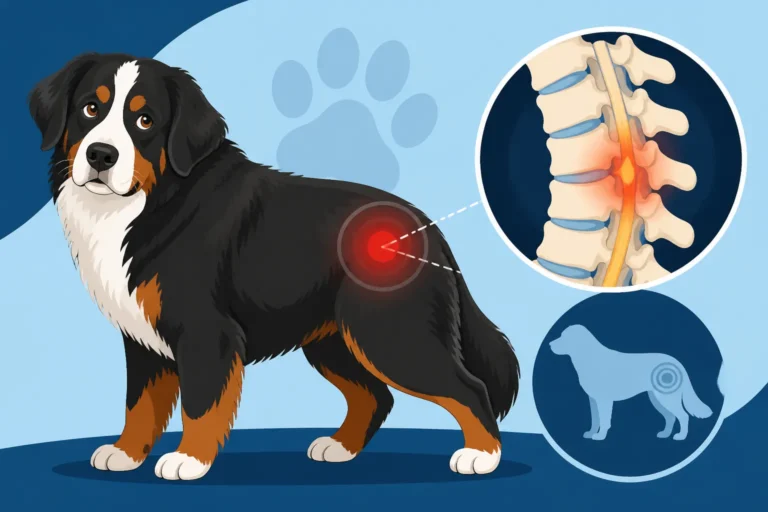
"Fair" hips, however, suggest that there's a slight looseness or minor irregularities in the hip joint. This means the ball (femoral head) doesn't sit quite as snugly in the socket (acetabulum) as it would in an "Excellent" or "Good" hip. It's not outright hip dysplasia, which is a condition where the hip joint is malformed, leading to instability and often painful arthritis. Instead, "Fair" is on the acceptable end of the spectrum, but it does flag a degree of laxity that might warrant extra consideration, especially for a large, heavy breed like the Bernese Mountain Dog. For more context on the types of health checks often performed, you might find information on the full "OFA Clearances a Bernese Mountain Dog Should Have" helpful.
Why a "Fair" Rating Isn't Necessarily a Showstopper for Activity
It's easy to panic when you see "Fair," envisioning a future of pain and limited mobility for your furry companion. However, a "Fair" rating does not automatically doom your Bernese Mountain Dog to a sedentary life. Many dogs with "Fair" hips live full, active, and comfortable lives without ever showing clinical signs of pain or lameness. The X-ray is a snapshot, a diagnostic tool, but it doesn't always tell the whole story of an individual dog's comfort or ability.
Think of it like this: some people have knees that aren't perfectly aligned, but they can still run marathons without issue. Others might have anatomically "perfect" knees but struggle with pain. A "Fair" rating means you need to be mindful and proactive, but it doesn't necessarily mean your Berner can't participate in many of the wonderful activities Bernese Mountain Dogs are known for. It simply means you'll need to pay closer attention to their comfort, manage their activities wisely, and support their joint health with extra diligence. Many owners consider pet insurance from providers like Healthy Paws right from puppyhood to help cover potential future joint issues, regardless of initial clearances.
Matching Work and Activities to a Bernese Mountain Dog's Hip Health
Understanding the "Fair" rating is just the first step. The real art is in knowing how to apply that knowledge to your individual Bernese Mountain Dog. Every dog is different, and what one Berner with fair hips can comfortably do, another might find challenging. It's about finding that sweet spot between healthy activity and overexertion.
Evaluating Your Dog's Clinical Comfort and Propensity
The most important factor isn't just the X-ray, but your dog's real-world behavior. Does your Bernese Mountain Dog show any signs of discomfort after exercise? Are they reluctant to jump into the car, or do they "bunny hop" when they run? Do they seem stiffer in the mornings or after resting? These are all clinical signs that your dog might be experiencing discomfort, even with a "Fair" hip rating.
Observe their gait carefully. Do they shift weight, or does one leg seem weaker? Are they always leaning on you a bit more than usual? Pay attention to their enthusiasm for activities they once loved. A Berner who suddenly seems less interested in going for a walk or playing fetch might be trying to tell you something. Your veterinarian is your best partner in this, as they can perform physical exams, assess range of motion, and help you distinguish normal aging from early signs of discomfort. It's also critical to ensure your Bernese Mountain Dog maintains a lean body condition, as every extra pound adds stress to their joints. Understanding "What a Bernese Mountain Dog Weighs at Each Month" can help you track their growth and ideal weight.
Appropriate Low to Moderate Impact Activities
For a Bernese Mountain Dog with fair hips, the focus should be on activities that provide mental stimulation and physical conditioning without excessive impact or strain.
- Therapy Dog Work: Berners excel at being gentle, comforting companions. Therapy dog visits to hospitals or nursing homes are wonderful, low-impact ways for them to "work" and utilize their calm, affectionate nature. The mental engagement and gentle interaction are highly beneficial.
- Casual Walks on Soft Surfaces: Regular, moderate walks are great for maintaining muscle tone and joint mobility. Opt for grass, dirt trails, or sand whenever possible, as these surfaces provide more cushion than pavement. Avoid long, strenuous hikes up steep inclines.
- Basic Obedience and Trick Training: Engaging their minds with obedience and trick training builds confidence and strengthens the bond between you. Many tricks, like 'bow' or 'weave,' can be adapted to be low-impact.
- Swimming and Hydrotherapy: This is often an ideal activity for dogs with joint concerns. Swimming provides excellent cardiovascular exercise and builds muscle mass without putting any weight-bearing stress on the hips. Hydrotherapy, a more structured form of water exercise, can be particularly beneficial for strengthening supporting muscles. You can explore the benefits of "Hydrotherapy for an Arthritic Bernese Mountain Dog" for more details.
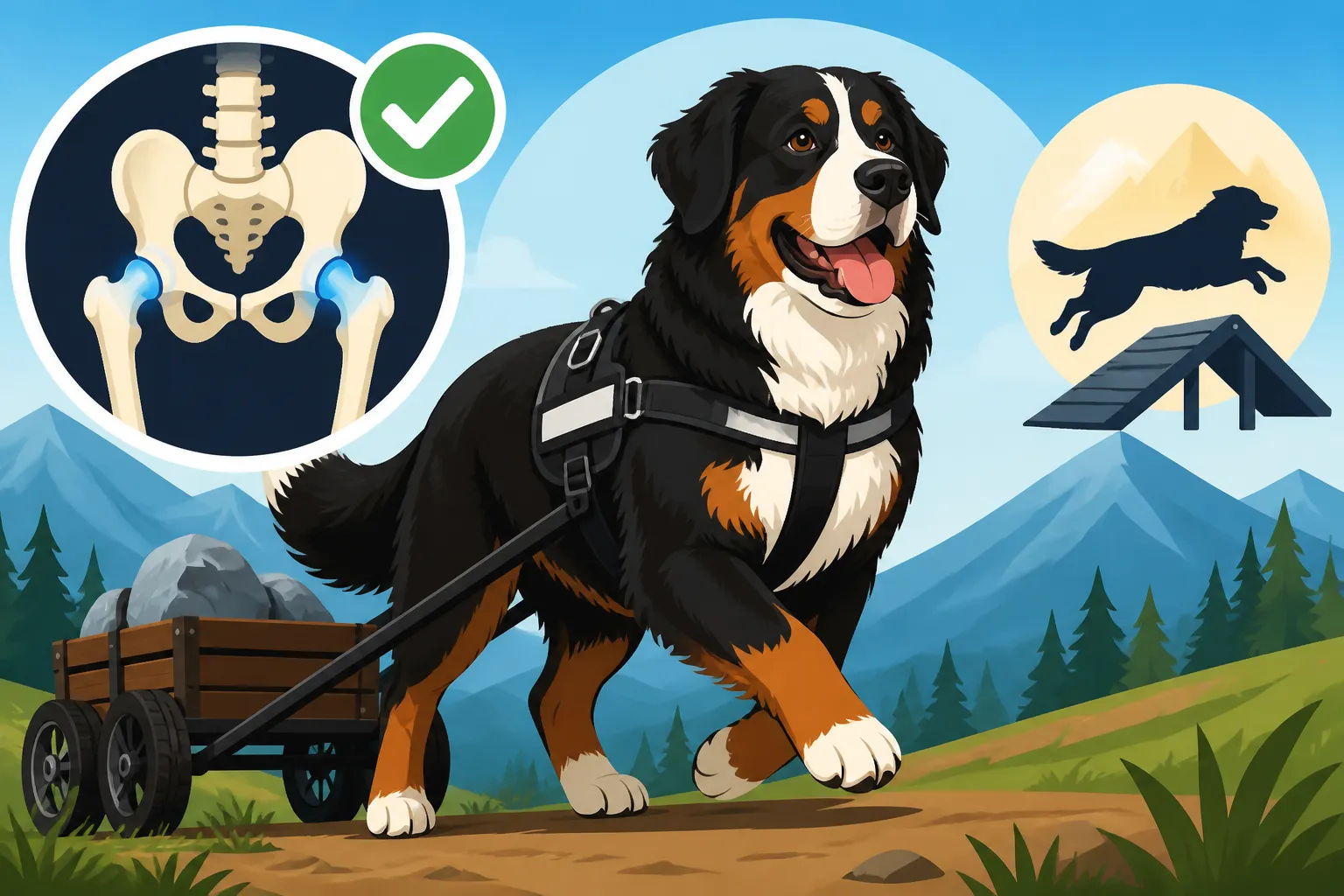
When considering activities like draft work (carting), which is a traditional Bernese Mountain Dog activity, a "Fair" hip rating requires careful assessment. Many Berners with "Fair" hips can still enjoy pulling a cart, but it's crucial to start slowly, use appropriate harnesses, and keep loads light. Focus on flat, even terrain and short sessions. Always monitor your dog for any signs of fatigue or discomfort. For those interested in draft work, understanding the demands of something like "The Half-Mile Freight Haul in a Bernese Mountain Dog Test" can help you gauge the intensity and build up to it safely, if at all.
Activities to Approach with Caution or Avoid Entirely
While encouraging activity is important, some forms of exercise can be detrimental to a Bernese Mountain Dog with fair hips, potentially leading to pain or accelerating the onset of conditions like arthritis.
- High-Impact Sports: Activities that involve sudden stops, starts, quick turns, and jumping, such as agility, flyball, or intensive fetch sessions with hard landings, should generally be avoided or severely limited. These movements can put immense stress on the hip joints and cartilage.
- Prolonged Running on Hard Surfaces: Long jogs or runs on asphalt or concrete can create repetitive impact, which is not ideal for looser hip joints.
- Excessive Jumping: Repetitive jumping, whether off furniture, out of vehicles, or during play, should be minimized. Always provide ramps or steps for access to elevated surfaces if your Berner loves to be on the couch or in your car.
- Long, Strenuous Mountain Hikes: While a Berner might love the outdoors, steep ascents and descents can be very taxing on hips. If you do hike, keep it moderate, consider a dog backpack to distribute weight, and give frequent breaks.
The goal is to provide a fulfilling life without overtaxing their joints. Being mindful of these limitations can help your Bernese Mountain Dog enjoy a longer, more comfortable "working" life. Healthy Paws is a popular option for owners planning for these kinds of long-term health management needs.
Proactive Care and Long-Term Management for Fair Hips
Living with a Bernese Mountain Dog that has "Fair" hips means adopting a proactive, lifelong approach to their care. It's not just about managing potential problems when they arise, but actively working to prevent or delay them. This holistic strategy focuses on physical condition, nutrition, and environmental factors.
The Critical Role of Weight Management and Muscle Building
This cannot be stressed enough: maintaining your Bernese Mountain Dog at a lean, healthy weight is perhaps the single most impactful thing you can do for their joint health. Every extra pound increases the load on their hips, exacerbating any existing laxity and contributing to wear and tear. You should be able to easily feel your Berner's ribs without seeing them, and they should have a discernible waist when viewed from above.
Alongside weight management, building strong core and hindquarter muscles is paramount. Strong muscles act as natural shock absorbers and stabilizers for the joints.
Activities like consistent, gentle walks (as discussed above), swimming, and controlled leash exercise can help build and maintain this crucial muscle mass. Consider incorporating some simple, low-impact exercises at home, like slow leash walks up a slight incline or gentle tug-of-war (ensuring good posture) to engage their rear muscles. This focus on leanness and muscle development is also a key factor when considering "Whether a Lean Bernese Mountain Dog Lives Longer".
Dietary Support, Supplements, and Regular Veterinary Check-ups
Nutrition plays a supporting role. Ensure your Bernese Mountain Dog is on a high-quality large breed dog food appropriate for their life stage. Some owners find that foods formulated for joint health, containing ingredients like glucosamine, chondroitin, and Omega-3 fatty acids, can be beneficial.
Speaking of supplements, many owners of Bernese Mountain Dogs with "Fair" hips opt to start them early on joint supplements. Glucosamine and chondroitin are widely used, believed to help support cartilage health and reduce inflammation. Omega-3 fatty acids, found in fish oil, also have anti-inflammatory properties that can ease joint discomfort. Always discuss any supplements with your veterinarian to ensure they are appropriate for your dog and won't interact with any other medications. For more detailed information, check out "Joint Supplements in a Bernese Mountain Dog's Bowl".
Regular veterinary check-ups are non-negotiable. Your vet can monitor your dog's gait, assess their pain levels, and recommend appropriate interventions as needed. These check-ups are crucial for catching any signs of discomfort early, as Berners are often stoic and might not show obvious pain until a condition is quite advanced. This proactive monitoring can help delay or mitigate the onset of conditions like "Arthritis in a Bernese Mountain Dog by Six".
Adapting the Environment and Monitoring for Changes
Making your home a safe and comfortable environment can significantly reduce strain on your Berner's hips.
- Non-Slip Surfaces: Hardwood floors or tiles can be treacherous for dogs with loose hips, as they require more effort to maintain traction and can lead to slips and falls. Consider runners, rugs, or non-slip mats in high-traffic areas.
- Ramps and Steps: Provide ramps or pet steps for your dog to access elevated surfaces like cars, beds, or couches. This eliminates the need for jumping, which is highly impactful on joints.
- Orthopedic Beds: A high-quality orthopedic dog bed provides crucial support and cushioning for aging or compromised joints, ensuring comfortable rest.
- Temperature Control: Keep your Bernese Mountain Dog comfortable in all seasons. While they love the cold, extreme heat can make any dog lethargic and less inclined to move, potentially leading to stiffness. Conversely, cold, damp weather can exacerbate joint discomfort.
Be vigilant about monitoring your dog for changes. Watch for shifts in gait, reluctance to perform certain movements, changes in energy levels, or any signs of pain. If you notice a persistent limp or a sudden change in behavior, consult your vet immediately. Early intervention, whether through medication, physical therapy, or even lifestyle adjustments, can make a huge difference in managing discomfort and improving their quality of life. Sometimes, if lameness becomes persistent or severe, further diagnostics like X-rays might be needed to differentiate hip issues from other problems, such as "The Front-End Lameness a Bernese Mountain Dog Develops". In severe cases, discussions about more invasive options like "The Case for Replacing a Bernese Mountain Dog's Hip" might even come up, but proper management often helps avoid this. For long-term care and financial planning, many find pet insurance plans, like those offered by Healthy Paws, invaluable.
Recommended Activities for Bernese Mountain Dogs with "Fair" Hips
| Activity Type | Recommendation | Considerations for Fair Hips |
|---|---|---|
| Low-Impact | Highly Recommended | Minimal joint stress. Focus on mental stimulation and gentle physical exercise. Great for overall well-being. |
| Casual Walking | Daily, 20-30 min on soft surfaces (grass, dirt). | Avoid hard surfaces (pavement), steep inclines/declines. Monitor for stiffness after. |
| Swimming | Frequent, supervised sessions. | Excellent for building muscle without impact. Ensure warm-up/cool-down. Use a life vest if needed. |
| Therapy Work | Regular visits, gentle interactions. | Low physical demand, high mental and social benefit. |
| Obedience/Trick | Short, positive sessions. | Focus on stationary commands or slow movements. Avoid quick turns or jumps. |
| Moderate-Impact | Evaluate Individually with Vet Guidance | May be suitable with modifications and strict monitoring. Risk of exacerbation if overdone. |
| Draft Work (Carting) | Start very light, short sessions on flat, even ground. | Use appropriate, well-fitted harness. Loads should be minimal. Avoid hills or uneven terrain. Gradually increase duration, not weight. Monitor closely. |
| Hiking | Short, moderate trails on soft ground. | Avoid steep or rocky paths. Use a harness for support if needed. Frequent breaks. Hydration is key. |
| High-Impact | Generally Avoid or Severely Limit | High risk of injury or accelerated joint degeneration. The stress on the hips outweighs potential benefits for a dog with fair hips. |
| Agility | Avoid. | Involves intense jumping, weaving, sharp turns, and quick stops. |
| Intense Fetch/Frisbee | Avoid. | Leads to high-speed running, sudden stops, jumps, and hard landings. |
| Long-distance Running | Avoid. | Repetitive impact and sustained exertion on joints. |
Remember, the quality of life for your Bernese Mountain Dog with fair hips hinges on a partnership between you, your veterinarian, and a deep understanding of your dog's unique needs and limits. With attentive care and responsible activity choices, your Berner can lead a wonderfully fulfilling and active life.
Disclaimer
The information provided in this guide is for general educational purposes only and should not be considered a substitute for professional veterinary advice. Always consult with a qualified veterinarian regarding your Bernese Mountain Dog's health, diagnosis, and treatment options, especially concerning hip ratings and appropriate activities.