Slowing Degenerative Myelopathy in a Bernese Mountain Dog
Watching your beloved Bernese Mountain Dog, a breed known for its majestic presence and joyful spirit, begin to falter in their steps is absolutely heartbreaking. The gradual loss of coordination and strength, especially in their hind legs, can signal the onset of a challenging condition known as Degenerative Myelopathy (DM). This progressive neurological disease can feel overwhelming, but thankfully, there are proactive steps and supportive measures we can take to potentially slow its progression and ensure our cherished companions maintain the best possible quality of life. This guide will walk you through understanding DM, diagnostic options, and practical strategies to help your Berner navigate this journey with comfort and dignity.
Understanding Degenerative Myelopathy in Bernese Mountain Dogs
Degenerative Myelopathy is one of those conditions that hits different for Berner owners. Unlike a sudden injury, it's a slow, insidious process that attacks the spinal cord, leading to a gradual loss of nerve function. It’s incredibly frustrating because you can see your dog wants to move, wants to play, but their body just isn't cooperating. This isn't just a physical challenge; it's an emotional one for both dog and owner. Recognizing what DM is and how it unfolds is the first crucial step in managing it effectively.
The Genetic Component and Early Indicators
One of the most challenging aspects of DM is its strong genetic link, particularly in breeds like our Bernese Mountain Dogs. It's often associated with a mutation of the SOD1 gene, which means it’s something responsible breeders are keenly aware of and test for. While not every dog with two copies of the mutated gene will develop DM, the vast majority are at a significantly higher risk. This knowledge underscores the importance of understanding your dog's genetic background, even if they're already part of your family. If you're considering a Bernese Mountain Dog, learning about The SOD1 Test for a Bernese Mountain Dog can offer valuable insights.
Early signs of DM can be subtle and often mistaken for other common issues like arthritis or hip dysplasia, especially in a large breed prone to joint problems. You might notice your Berner starting to drag their back paws, scuffing their nails on walks, or stumbling more often. They might stand with their hind legs closer together or exhibit an odd, swaying gait. Sometimes, their tail wags might seem less vigorous, or they might struggle a bit more to get up from a lying position. These early changes, no matter how small, are really critical to observe and mention to your vet. Don't dismiss them as just "getting old" too quickly.
How DM Affects the Spinal Cord
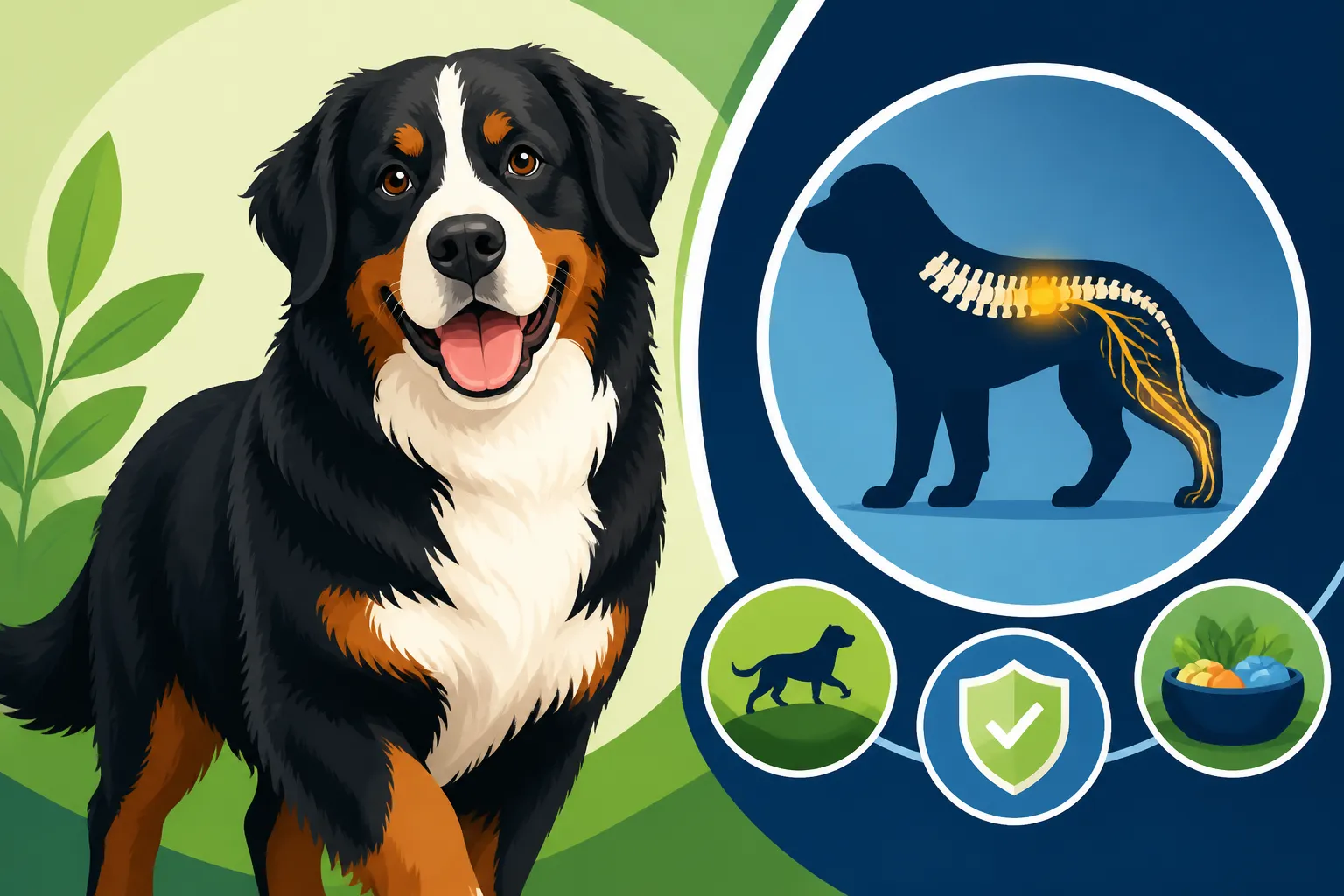
At its core, Degenerative Myelopathy is a disease of the white matter in the spinal cord. Imagine the spinal cord as a superhighway for nerve signals traveling between the brain and the rest of the body. The white matter forms the protective insulation around these nerve fibers, much like the coating around an electrical wire. In DM, this insulation starts to break down, disrupting the smooth flow of these vital signals. It's like having static on a phone line; the message gets garbled or doesn't get through at all.
This breakdown typically starts in the thoracic (mid-back) region of the spinal cord, which is why you see the initial symptoms primarily affecting the hind limbs. As the disease progresses, more and more nerve pathways become damaged, leading to increasing weakness and paralysis. It's not a painful condition in itself, which can be both a blessing and a curse. While your dog isn't suffering from direct nerve pain, the compensatory strain on other parts of their body and the frustration of lost mobility can certainly impact their comfort and spirit. It's a cruel twist that a dog can still feel everything, yet be unable to move their body as they wish.
Early Intervention and Diagnostic Steps
The moment you suspect something isn't quite right with your Bernese Mountain Dog's gait or hind leg strength, it's time to act. While there's no cure for DM, early and accurate diagnosis is paramount for implementing strategies that can genuinely help slow its progression and improve your dog's quality of life. Don't wait; every day counts when it comes to neurological conditions.
The Importance of a Timely Diagnosis
Getting a diagnosis quickly is vital, not just for your peace of mind, but for your Berner's well-being. The symptoms of DM can mimic other conditions like severe arthritis, intervertebral disc disease (IVDD), or even certain types of spinal tumors. A thorough veterinary examination, including neurological assessments, is crucial to differentiate between these possibilities. Misdiagnosing DM as arthritis, for instance, might lead to treatments focused solely on pain management for joints, missing the opportunity to address the neurological component. Prompt action means you can start interventions sooner, potentially extending your dog's comfortable mobility. If your Bernese Mountain Dog is losing its back legs, a timely diagnosis will guide the specific supportive measures needed.
Think of it this way: if you start noticing your Berner living with a Bernese Mountain Dog losing its back legs and dismiss it as just old age, valuable time is lost. A vet can conduct a series of tests to evaluate proprioception (awareness of limb position), reflexes, and muscle tone. They'll look for signs like knuckling over, where the dog walks on the top of their paw rather than the pad, or an exaggerated high-stepping gait as they try to compensate for weakness. These subtle cues are the building blocks of an accurate diagnosis, and the sooner they're identified, the better.
Genetic Testing and Veterinary Consultation
Genetic testing for the SOD1 mutation is a non-invasive, often buccal swab (cheek swab) test that can confirm if your Bernese Mountain Dog is genetically predisposed to DM. While a positive test doesn't guarantee the disease will manifest, it does provide critical information, especially if your dog is showing early symptoms. It helps your veterinarian narrow down the diagnostic possibilities and provides a clearer path forward. If you're dealing with early degenerative myelopathy in a Bernese Mountain Dog, this test becomes a powerful tool.
Alongside genetic testing, your vet will likely recommend a comprehensive physical and neurological exam. This might include X-rays of the spine to rule out orthopedic issues, or in some cases, more advanced imaging like an MRI or CT scan to get a detailed look at the spinal cord and rule out compressive lesions. Your vet might also refer you to a veterinary neurologist who specializes in these complex conditions. They can perform more detailed neurological assessments and provide tailored advice. When discussing potential treatments or management plans, don't hesitate to ask about long-term prognosis, even though how fast degenerative myelopathy moves in a Bernese Mountain Dog can vary significantly between individuals. Reputable pet insurance providers like Healthy Paws can be a lifesaver when these specialized diagnostics and consultations come with substantial costs, helping you make the best decisions without financial strain being the primary concern.
Nutritional Support and Supplementation
When dealing with a condition like Degenerative Myelopathy, every little bit of support helps. While diet alone won't cure DM, a thoughtfully chosen nutritional plan and targeted supplements can play a crucial role in supporting overall neurological health, maintaining muscle mass, and even potentially slowing the progression of nerve degeneration. It's about giving your Bernese Mountain Dog's body all the tools it needs to fight back and maintain function for as long as possible.
Dietary Considerations for Spinal Health
Feeding your Bernese Mountain Dog a high-quality, balanced diet is always important, but it becomes even more critical with DM. Focus on easily digestible protein sources to help maintain muscle mass, which is vital when their nervous system isn't supporting their movement effectively. Look for foods with ingredients like real meat (chicken, beef, lamb, fish) as the first few items on the list. Some vets and holistic practitioners advocate for diets rich in antioxidants and anti-inflammatory ingredients, which can help combat oxidative stress in the body, a factor that might contribute to nerve damage.
Consider incorporating foods rich in Omega-3 fatty acids, such as salmon oil or flaxseed oil. These healthy fats are renowned for their anti-inflammatory properties and their role in brain and nerve health. You might also explore fresh, whole foods like leafy greens (pureed for better absorption), blueberries, and carrots, which are packed with vitamins and antioxidants. Remember, any significant dietary change should always be discussed with your veterinarian or a veterinary nutritionist, especially when managing a complex condition like DM. They can help you tailor a plan that's safe and effective for your individual Berner, ensuring they get the right balance of nutrients without over-supplementing.
Key Supplements to Consider
The world of canine supplements can be a maze, but for Bernese Mountain Dogs with DM, several stand out for their potential benefits. The most commonly discussed include:
- Antioxidants: Vitamins E and C, CoQ10, and N-acetylcysteine (NAC) are powerful antioxidants that can help protect cells from damage. Given that oxidative stress is implicated in neurodegenerative diseases, these can be a valuable addition.
- B Vitamins: Especially B12 (methylcobalamin), which plays a critical role in nerve function and repair. Your vet might suggest injections for better absorption, particularly if your dog has trouble absorbing it orally.
- Omega-3 Fatty Acids: As mentioned earlier, their anti-inflammatory effects can be beneficial for overall neurological health. Fish oil supplements are a popular and effective way to deliver these.
- Acetyl-L-Carnitine: This amino acid derivative is thought to support mitochondrial function and potentially protect nerve cells.
- N-acetyl L-cysteine (NAC): Another powerful antioxidant and precursor to glutathione, the body's master antioxidant, it helps protect cells from damage.
It’s crucial not to start a cocktail of supplements without consulting your vet. They can help you choose the most appropriate ones, determine the correct dosages for your large Bernese Mountain Dog, and advise on potential interactions with any other medications your dog might be on. While these supplements are not a cure, they are often part of a multi-modal approach to slowing degenerative myelopathy in a Bernese Mountain Dog, aiming to support the nervous system and maintain as much function as possible. Healthy Paws can also cover prescribed supplements when deemed medically necessary, so it’s worth checking your policy details.
Physiotherapy and Exercise Regimens
One of the most impactful strategies for slowing the progression of Degenerative Myelopathy in Bernese Mountain Dogs is consistent and targeted physical therapy. It might sound intense, but it's really about maintaining muscle strength, flexibility, and proprioception for as long as possible. Without proper nerve signals reaching the muscles, they can quickly atrophy, accelerating the decline in mobility. A good physiotherapy program is your Berner's best defense against this muscle loss.
Tailored Exercise for Maintaining Muscle Mass
The goal with DM is to keep your Berner moving, but smartly. High-impact activities or long, strenuous walks are often counterproductive as the disease progresses and can lead to frustration or injury. Instead, focus on exercises that promote controlled movement and build core and hindquarter strength. A certified canine physical therapist is invaluable here; they can design a program specifically for your dog's stage of DM.
Exercises might include targeted muscle strengthening drills like controlled walking on different surfaces (grass, pavement, sand), low-impact stair climbing (if safe and supervised), or cavaletti poles – small obstacles your dog has to step over. These activities encourage deliberate foot placement and engage muscles that might otherwise weaken. Even simple standing exercises, where you help your Berner stand for short periods and encourage slight weight shifting, can make a difference. The key is consistency and ensuring every session is positive and pain-free. Remember, the challenge is not just physical but also mental, as your Berner tries to coordinate their movements.
Hydrotherapy and Other Low-Impact Activities
Hydrotherapy, or underwater treadmill therapy, is a game-changer for many Bernese Mountain Dogs with DM. The buoyancy of the water reduces the stress on their joints, making movement easier and less painful, while the water resistance still provides an excellent workout for muscle building. It allows dogs to move their limbs through a greater range of motion without bearing their full weight, which can be incredibly empowering for a dog struggling on land. Watching a Berner who can barely walk on the ground stride confidently in an underwater treadmill is often a truly moving experience for owners.
Beyond hydrotherapy, other low-impact activities can be beneficial. Passive range of motion (PROM) exercises, where you gently move your dog's limbs through their natural range, can help maintain joint flexibility and prevent stiffness. Massage therapy can improve circulation, reduce muscle tension, and provide comfort. Acupuncture, though not a direct treatment for DM, can sometimes help with associated discomfort or secondary issues. The goal is to keep their body as limber and strong as possible to compensate for the neurological deficits. Finding a facility that offers physiotherapy for an arthritic Bernese Mountain Dog can be a huge asset, even if your dog's primary issue is DM, as the techniques overlap and can help maintain mobility.
Environmental Modifications and Mobility Aids
As Degenerative Myelopathy progresses, your Bernese Mountain Dog will inevitably need more support to navigate their daily life. This isn't a sign of failure on your part, but rather a loving adaptation to their changing needs. Thoughtful modifications to your home environment and the introduction of appropriate mobility aids can dramatically improve their safety, comfort, and independence. It's about empowering them to live their best life, even with challenges.
Creating a Safe and Accessible Home Environment
One of the first things you'll notice as DM advances is how slippery hard floors become for your Berner. Their compromised proprioception means they struggle to grip, leading to falls and instability. Laying down non-slip runners, yoga mats, or carpet tiles in high-traffic areas is crucial. Focus on paths from their bed to food and water bowls, and to the door for potty breaks. This small change can prevent serious injuries and build their confidence.
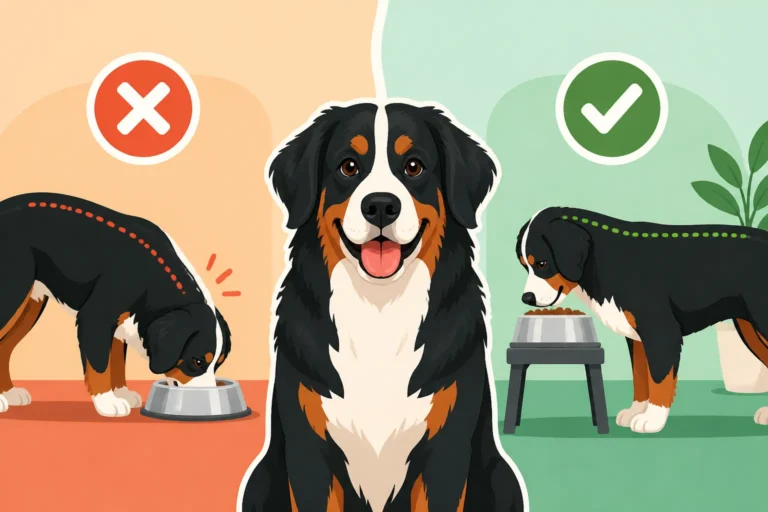
Consider ramps or steps for accessing furniture or getting in and out of the car. Lifting a full-grown Bernese Mountain Dog is no easy feat, and it's safer for both of you to have a structured solution. Block off stairs if they become a falling hazard. Elevating food and water bowls can also make meal times more comfortable, as they won't have to bend as much. Think about their favorite resting spots and ensure they have easy access to orthopedic beds that provide ample support for their large, weakening bodies. These changes are about making their world manageable and reducing their frustration.
Exploring Harnesses, Carts, and Braces
Mobility aids become indispensable as DM progresses. A supportive harness, specifically designed for rear-end support, is often the first step. Brands like Ruffwear or Help 'Em Up Harness are popular choices among large breed owners. These harnesses allow you to assist your Berner in standing, walking, and going up or down stairs, giving you a safe way to support their weight without straining your back. They distribute pressure evenly and are typically comfortable for long-term wear.
As hind leg weakness becomes more pronounced, a dog wheelchair or cart can be a life-changing solution. It allows your Bernese Mountain Dog to remain active, get exercise, and explore the outdoors, all while taking the weight off their weakening rear legs. Companies like Walkin' Wheels or K9 Carts offer custom-fit options that can be adjusted as your dog's needs change. It’s a common misconception that a cart means giving up; in reality, it often means gaining independence and joy. Introducing a cart for a Bernese Mountain Dog losing its legs can revitalize their spirit and extend their active life significantly. Some dogs even benefit from custom-made braces for specific joints, though this is often evaluated on a case-by-case basis by a veterinary orthopedist. Insurance from Healthy Paws often covers these types of mobility aids when prescribed by a vet, helping ease the financial burden of managing this condition.
Pain Management and Quality of Life
While Degenerative Myelopathy itself is not a painful condition in terms of nerve sensation, the secondary effects on your Bernese Mountain Dog's body can certainly lead to discomfort. Compensating for weak hindquarters puts immense strain on their front legs, shoulders, and back, which can result in muscle soreness, joint pain, and other issues. Moreover, the emotional and mental toll of losing mobility can significantly impact their overall quality of life. Addressing these aspects is just as important as managing the physical progression of DM.
Addressing Discomfort and Secondary Issues
Because DM doesn't cause direct pain, it can be easy to overlook the discomfort your Berner might be experiencing. Watch for subtle signs like increased restlessness, reluctance to move, changes in appetite, or excessive licking at certain areas. These could indicate muscle strain, compensatory arthritis in their front limbs, or even skin irritation from urine scald if incontinence becomes an issue. Regular check-ups with your vet are essential to identify and manage these secondary problems.
Your veterinarian might prescribe anti-inflammatory medications (NSAIDs), muscle relaxants, or other pain relief options to keep your Berner comfortable. Physical therapy, as discussed earlier, isn't just for maintaining muscle; it also helps alleviate tension and improve circulation, which contributes to comfort. Ensuring your dog has soft, supportive bedding is also crucial to prevent pressure sores and provide a restful place to lie. Remember, whether a Bernese Mountain Dog with myelopathy is in pain is a complex question, but focusing on their comfort and managing any secondary issues is always a top priority.
The Emotional Toll and Support Systems
Living with a Bernese Mountain Dog affected by DM is emotionally taxing for both you and your dog. Your Berner, who once bounded with joy, may become frustrated, anxious, or even depressed as their body fails them. They might struggle with tasks that were once second nature, like getting to their favorite sunny spot or greeting you at the door. It’s vital to acknowledge and validate their emotional experience, offering patience, encouragement, and continued mental stimulation through puzzle toys, scent work, or gentle interaction.
For you, the owner, it's a journey filled with love, grief, and often, guilt. Seeing your majestic companion decline is heartbreaking. It’s okay to feel overwhelmed and to seek support. Connecting with other Berner owners who have experienced DM can provide invaluable advice and emotional solidarity. Online forums, breed-specific groups, or even local pet loss support groups can offer a safe space to share your feelings. Your veterinary team is also a crucial support system, not just for medical advice but for compassionate guidance as you navigate the difficult decisions that may arise, including deciding when to let a paralyzed Bernese Mountain Dog go. Remember, you are doing your best for your beloved companion, and that's all anyone can ask.
Comparative Overview of Mobility Aids
| Mobility Aid | Description | Pros | Cons | Best Used For |
|---|---|---|---|---|
| Rear Support Harness | A harness designed to support and lift the hindquarters. Often adjustable. | Provides immediate assistance; good for short lifts, walks, stairs; relatively inexpensive. | Requires human assistance; doesn't fully restore independent mobility. | Early to moderate DM; assisting with standing, walking, or potty breaks; post-op support. |
| Full Body Harness | Supports both front and rear ends, with handles for lifting. | Distributes weight evenly; ideal for full body support; useful for total lift. | Can be bulky; may restrict natural movement slightly; requires more human effort. | Moderate to advanced DM; total lift assistance; preventing falls. |
| Dog Wheelchair/Cart | A wheeled frame that supports the hindquarters, allowing forelegs to propel. | Restores significant independence; allows exercise and outdoor activity; takes pressure off joints. | Can be cumbersome indoors; requires adaptation period; initial investment can be high. | Moderate to advanced DM; maintaining activity and quality of life; long-term mobility. |
| Paw Protectors/Boots | Non-slip boots or covers for paws to prevent scuffing and provide grip. | Protects paws from dragging injuries; improves traction on slippery surfaces. | Can be uncomfortable for some dogs; may need frequent replacement; not a primary mobility aid. | Early DM; preventing paw injury; improving grip on slick floors. |
| Ramps/Steps | Portable or permanent structures for accessing elevated surfaces. | Reduces strain on joints; increases safety for car/furniture access. | Can be bulky; may require training for dog to use; not all dogs will take to them. | Any stage of DM; safe access to vehicles, beds, or outdoor areas. |
Disclaimer
The information provided in this article is intended for general knowledge and informational purposes only, and does not constitute medical advice. Always consult with a qualified veterinarian or veterinary specialist for any health concerns or before making any decisions about your Bernese Mountain Dog's care, diet, or treatment. The information here is not a substitute for professional veterinary care.