Whether an Aloof Bernese Mountain Dog Can Still Win
It's a common dilemma for Bernese Mountain Dog owners with show ring aspirations: you adore your dog's calm, dignified presence, but when it comes to the bustling environment of a dog show, that cool composure can sometimes look a lot like disinterest. Many worry that an "aloof" Berner, while perfectly embodying the breed's gentle nature at home, might be misunderstood by judges and lose out on ribbons. This guide will explore what the breed standard truly says about temperament, how to distinguish acceptable reserve from disqualifying shyness, and strategies for success with your dignified companion in the ring.
Understanding the Bernese Mountain Dog Temperament Standard
The Bernese Mountain Dog breed standard isn't just about physical appearance; it also explicitly describes the ideal temperament. This is where the nuance between "aloof" and "shy" becomes critical, especially when you're hoping your beautiful Berner will catch a judge's eye.
What "Self-Confident and Good-Natured" Truly Means
When the breed standard talks about a Bernese Mountain Dog being "self-confident and good-natured," it paints a picture of a dog that is secure in itself, not easily rattled, and friendly without being overly demonstrative. Think of it as a quiet strength. A truly self-confident Berner isn't going to be jumping all over a judge or demanding attention. Instead, it will stand calmly, allow examination, and perhaps offer a soft gaze or a gentle tail wag when approached. They should be accepting of strangers touching them, even if they aren't showering them with kisses. This calm acceptance is key. It's about being comfortable in their own skin and with new situations, rather than being boisterous or exuberant.
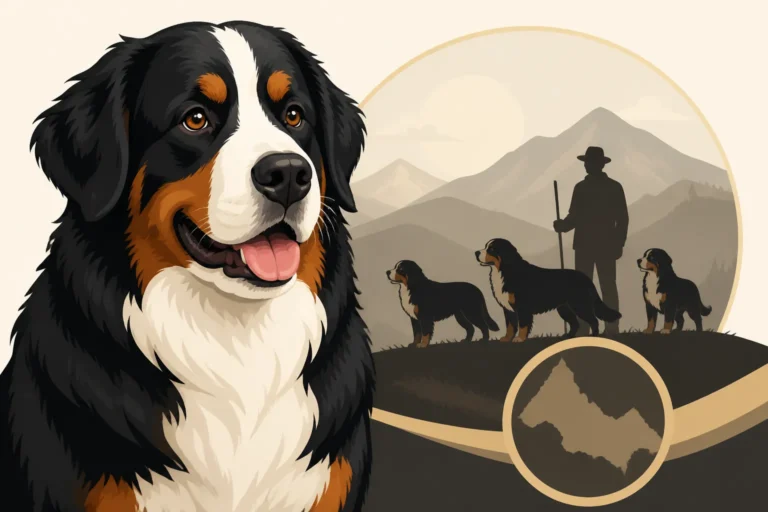
This "good-natured" aspect also means they should not be aggressive, fearful, or overly timid. They are meant to be stable and reliable companions. For centuries, these dogs worked alongside people and livestock in the Swiss Alps, needing to be trustworthy and even-tempered. A dog that is too "up" or too "down" emotionally doesn't fit this historical role or the desired modern temperament. Their confidence should translate into a serene demeanor, not a need to prove themselves or shrink away. You can learn more about this in Self-Confident and Good-Natured in the Bernese Mountain Dog Standard.
The Difference Between Aloofness and Fear/Shyness
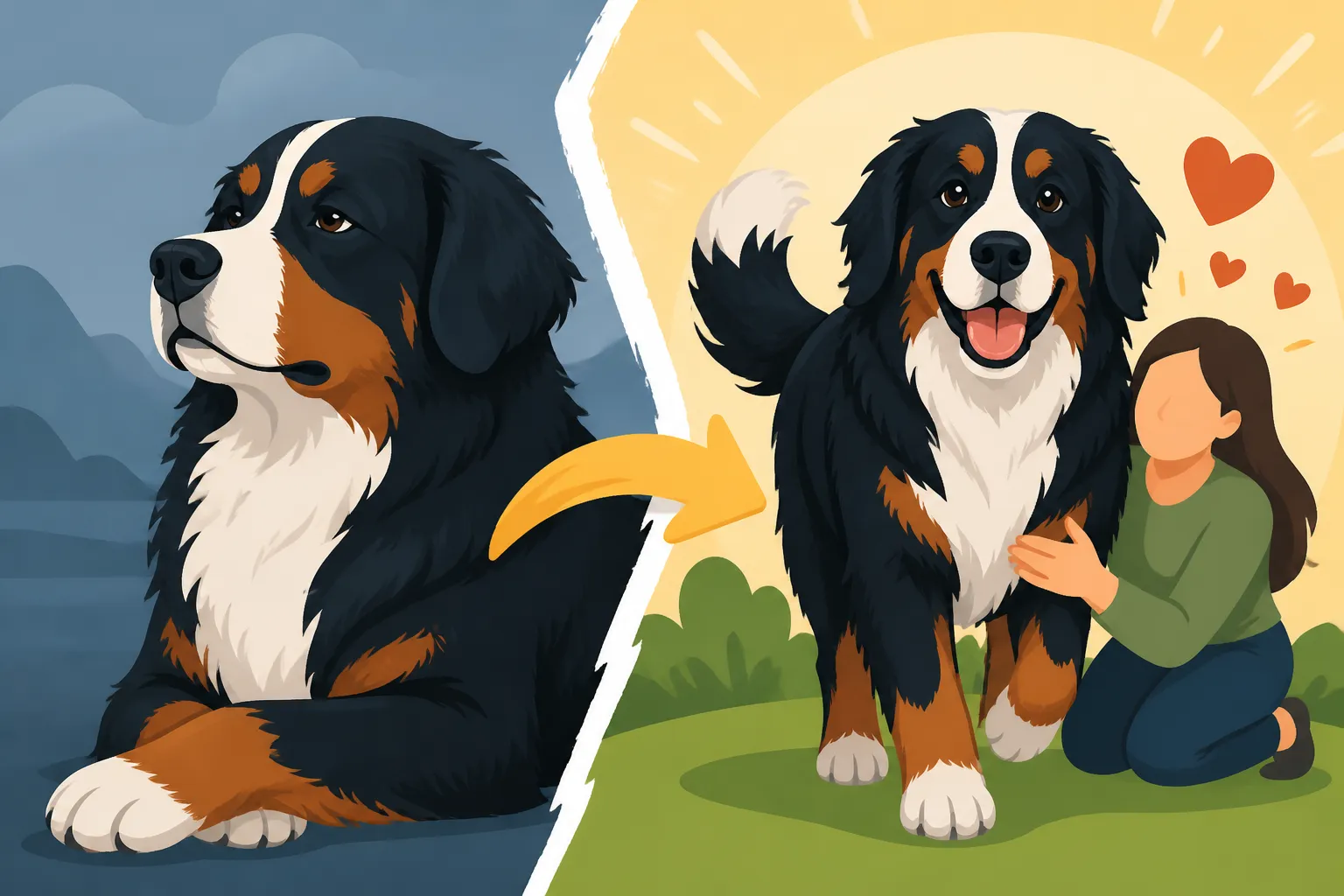
This is perhaps the most misunderstood aspect of Bernese temperament when it comes to showing. True aloofness in a Bernese Mountain Dog isn't a fault; it's a characteristic. An aloof Berner is simply reserved. They might take a moment to assess a new person or situation, choosing to observe rather than immediately engage. They might not initiate contact with a stranger but will respond politely when approached. They're not necessarily unfriendly, just not overtly fawning. This quiet dignity is part of their charm.
However, there's a fine line between dignified reserve and genuine shyness or fear. A shy or fearful dog will often show signs of anxiety: tucking its tail, trying to pull away from the judge, leaning away, cowering, avoiding eye contact, or even exhibiting trembling. These are distinct from aloofness. A truly shy dog might refuse to allow examination, shy away from hands, or even snap if pushed too far. The breed standard explicitly penalizes shyness or fear, stating these are serious faults. An aloof dog allows the examination calmly, even if they don't seem thrilled about it. A shy dog resists or reacts negatively to the examination. It's a critical distinction that judges are trained to spot. If you're wondering about your dog's specific behaviors, it might be helpful to review What the Standard Means by an Aloof Bernese Mountain Dog and Reading Fear in a Bernese Mountain Dog That Retreats.
How Aloofness Manifests in the Show Ring
When you step into the show ring with your Bernese, the judge is looking for a complete package – physical conformation, movement, and temperament. How your dog presents itself temperamentally can significantly impact their placement.
Acceptable Reserve vs. Unacceptable Disinterest
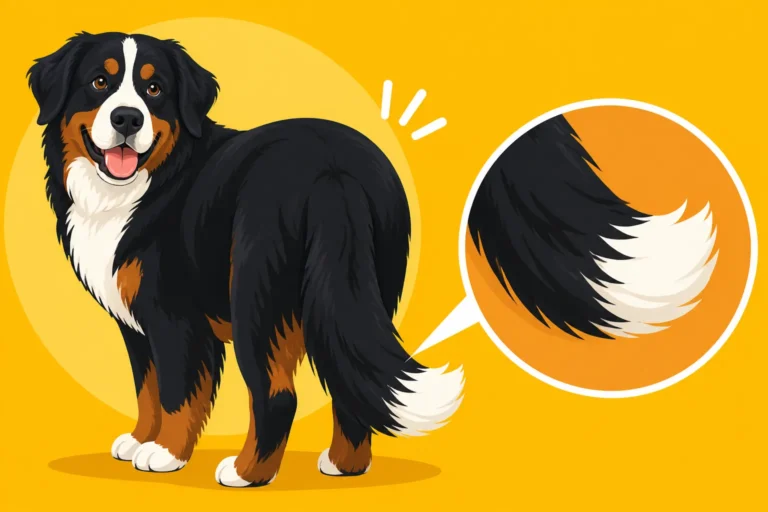
An "acceptable reserve" means your Bernese stands quietly for examination, allows the judge to go over them, open their mouth, and check their bite without fuss. They might not be wagging their tail furiously or trying to lick the judge's face, but they tolerate the process with good grace. Their body language should remain relaxed: ears soft, tail in a natural position (not tucked), and eyes observing without appearing panicked or evasive. This demonstrates the self-confidence the standard calls for. They are present and cooperative, even if not overly enthusiastic.
"Unacceptable disinterest," on the other hand, can sometimes verge on sullenness or a complete lack of cooperation. While a Berner isn't expected to be a high-energy showman, a dog that acts bored, tries to sit down during gaiting, resists being stacked, or actively pulls away from the judge's touch can be penalized. This isn't just about being reserved; it's about not participating in the required performance for the show ring. Judges want to see a dog that, even if quiet, is engaged enough to complete the tasks asked of it. It’s important to remember that dog shows are, in a way, a performance, and some level of engagement is necessary.
The Judge's Perspective on Temperament
Judges evaluate temperament based on a few key interactions. First, during the initial approach and physical examination: does the dog stand still? Does it allow the judge to touch its head, body, and legs? Does it tolerate having its mouth opened for a bite check? A truly aloof but confident Berner will often stand like a statue, accepting all touches without complaint. They might not lean into the judge's hand for a pet, but they won't pull away either.
Secondly, during the gaiting portion: does the dog move freely and willingly with its handler? Does it acknowledge the handler's cues? A dog that is too distracted, fearful, or stubbornly resistant can certainly lose points. Judges are looking for an even temperament that allows for a smooth, cooperative presentation. If your dog freezes or refuses to move, that's a problem. If it moves beautifully but simply doesn't make eye contact with the judge, that's often acceptable. Many judges actually appreciate a calm, steady dog that isn't overly excitable, as long as that calm doesn't mask a deeper fear. The overall impression should be one of a balanced, well-adjusted animal. For more on what judges look for, consider The Bernese Mountain Dog Breed Standard and The Faults That Cost a Bernese Mountain Dog a Placement.
Training and Handling an Aloof Bernese for Success
Success with an aloof Bernese in the show ring isn't about changing their core personality but about enhancing their confidence and refining their ring manners. It requires patience, consistency, and a deep understanding of your dog.
Building Confidence and Positive Associations
The foundation of a successful show dog, especially one with a naturally reserved temperament, is confidence. This starts from puppyhood with proper socialization. Exposing your Bernese puppy to a wide variety of sights, sounds, people, and other calm dogs in a positive and controlled manner helps them build a robust sense of security. Enroll in puppy classes and then advanced obedience. These environments provide structured exposure and positive experiences. Remember, a reserved puppy needs gentle, encouraging exposure, not overwhelming forced interactions. Socializing a Reserved Bernese Mountain Dog Puppy offers excellent guidance on this.
When practicing for the show ring, make every interaction with "strangers" (your friends or other handlers playing the role of a judge) a positive one. Use high-value treats and praise generously. If your dog is wary of being touched by strangers, start with quick, gentle touches followed immediately by a treat. Gradually increase the duration and intensity of the touch. Think of it as desensitization and counter-conditioning. You want your dog to associate the judge's examination with good things happening. A favorite treat from Chewy, for example, can become a powerful motivator for a dog to tolerate being touched by someone new. Avoid any harsh corrections or force, as this can shatter a reserved Berner's confidence and make them even more withdrawn. Training a Bernese Mountain Dog Without Breaking It is a vital resource here.
Strategic Presentation and Handler Skills
As the handler, you are your Bernese's anchor in the ring. Your calm, confident demeanor will directly influence your dog's comfort level. If you're nervous, your dog will pick up on it. Practice ring patterns, stacking, and gaiting until it feels natural to both of you. The goal is for your dog to feel so comfortable and familiar with the routine that the presence of a judge is just another part of the game.
When the judge approaches, present your dog professionally. A subtle cue to "stand" or "stay" can help your Berner hold its position. If your dog is truly aloof, you might need to use bait (treats) strategically to keep their head up and focused, or to entice them to engage briefly with the judge's hand for a sniff before the examination. Some handlers will hold a small, tasty treat near the dog's nose to encourage an alert, attentive expression, or a "soft" stack. Remember, it’s not about making your dog "fake" friendliness, but about ensuring they present themselves as cooperative and secure. Practice having friends mimic a judge's examination, including opening their mouth, checking teeth, and going over their body, always rewarding positive responses. Don't forget that Grooming a Bernese Mountain Dog for the Show Ring can also play a subtle role in presentation, as a well-groomed dog often looks more confident.
When Aloofness Becomes a Hindrance
While a reserved temperament is acceptable, there are situations where it crosses the line from a charming characteristic to a serious fault that can prevent a Bernese Mountain Dog from winning, or even from being shown.
Disqualifying Temperament Faults
The Bernese Mountain Dog breed standard is quite clear on disqualifying temperament faults. Any dog that exhibits shyness, fear, or viciousness should not be placed in the ring. "Shyness" is often described as a dog that shrinks away from the judge, tries to hide behind the handler, or attempts to avoid examination. A fearful dog might tremble, urinate submissively, or even snap out of anxiety. "Viciousness" is any aggressive behavior, whether directed at the judge, handler, or other dogs.
These are not merely preferences; they are considered fundamental flaws that go against the very essence of the Bernese Mountain Dog's character. A dog with such a temperament is not only unsuitable for the show ring but also potentially challenging in a home environment. It's crucial for breeders and owners to prioritize sound temperament, as it's far more important than any physical attribute. If you suspect your Berner's aloofness might be shading into shyness or fear, it’s best to address it with a professional trainer experienced in positive reinforcement, even if it means stepping away from the show ring for a while. You should explore What Sharp or Shy Means for a Bernese Mountain Dog for further clarification.
Weighing Show Success Against Well-being
Ultimately, your dog's well-being should always come first. If showing your Bernese causes them undue stress or anxiety, even if they aren't technically displaying a disqualifying fault, it might not be the right path for them. A dog that is miserable in the ring, even if they're trying to be cooperative, isn't enjoying the experience, and that's not fair to them. Sometimes, a naturally reserved dog simply doesn't enjoy the hustle and bustle, the close proximity of strangers, or the constant examination.
There are many other wonderful activities you can do with your Bernese Mountain Dog that celebrate their unique qualities without putting them under the stress of competition. Draft work, for example, allows them to use their natural strength and love of pulling, often in a less crowded, more focused environment. Therapy work, for a truly stable and good-natured but reserved Berner, can be incredibly rewarding, allowing them to offer calm comfort in settings like hospitals or nursing homes. The Kind of Home a Bernese Mountain Dog Belongs In and Whether a Bernese Mountain Dog Is Right for You can help you consider other avenues. The joy of owning a Bernese comes from their companionship, their gentle nature, and their unwavering loyalty, not solely from ribbons or titles. If your dog's aloofness means they are happier and healthier pursuing other interests, that's a win in itself.
| Temperament Trait | Description for Showing | Judge's Interpretation | Potential Show Outcome |
|---|---|---|---|
| Aloof (Acceptable Reserve) | Reserved, dignified, not overly demonstrative, but cooperative and allows examination. | Appreciated as true to breed standard; indicates self-confidence and a stable nature. | Can Win/Place Well |
| Shy (Unacceptable Fault) | Actively attempts to avoid contact, cowering, tail tucked, pulling away from judge. | Indicates fear, insecurity; a serious fault that goes against breed character. | Penalized/Disqualified |
| Fearful (Disqualifying Fault) | Trembling, submissive urination, panic, snapping due to anxiety, refusing to move. | Clear sign of an unsound temperament; an outright disqualification. | Disqualified |
| Overly Exuberant/Boisterous | Jumping, excessive licking, high energy, difficult to control or keep still. | Can be seen as lacking dignity or control; not ideal for the breed's calm standard, may be penalized for poor manners. | Penalized for Manners |
| Good-Natured/Confident | Calm, steady, allows examination, responds to handler, friendly but not fawning. | Ideal Bernese temperament; shows excellent character and poise. | Highly Favored |
Disclaimer
This article is for general informational purposes only and does not constitute professional advice. Laws, prices and regulations vary by location and change over time. Consult a qualified professional for guidance on your specific situation.