The SOD1 Test for a Bernese Mountain Dog
It's an utterly heartbreaking scenario for any Bernese Mountain Dog owner: seeing their beloved companion, once so full of life and vigor, slowly lose the ability to use their back legs. This progressive weakness and lack of coordination can be a terrifying and confusing experience, often signaling the onset of Degenerative Myelopathy (DM), a devastating neurological disease. Understanding the genetic underpinnings of this condition is crucial, and that’s where the SOD1 test comes in. This guide will walk you through everything you need to know about the SOD1 test for Bernese Mountain Dogs, from what it is to how it can help you make informed decisions for your furry family member.
Understanding Degenerative Myelopathy in Bernese Mountain Dogs
Degenerative Myelopathy is a cruel disease, often mistaken for arthritis or other age-related mobility issues in its early stages. For Bernese Mountain Dog owners, recognizing the subtle differences is key to early intervention and management.
What Degenerative Myelopathy Is
At its core, Degenerative Myelopathy is a progressive neurodegenerative disease affecting the spinal cord. Think of it like a short circuit in the electrical wiring system of a house. In DM, the protective myelin sheath that covers the nerve fibers in the spinal cord begins to break down. This damage prevents the brain from sending clear signals to the limbs, particularly the hind legs. It's not painful for the dog, which in some ways makes it even more insidious, as they don't cry out in discomfort. Instead, it’s a gradual loss of function, coordination, and strength that eventually leads to paralysis. It's a condition that can steal a dog's dignity and independence, leaving owners feeling helpless as they watch their once-robust Berner struggle.
How DM Progresses in Bernese Mountain Dogs
The progression of DM is usually slow and insidious, often beginning with subtle signs that might be dismissed as general aging or minor injuries. You might notice your Bernese Mountain Dog dragging their back paws slightly, scuffing their nails on walks, or swaying when they stand still. They might have difficulty rising from a lying position or navigating stairs. Over time, this progresses to a more noticeable wobbly gait, often described as drunken or uncoordinated. As the disease advances, muscle wasting in the hindquarters becomes apparent, and the dog will start to stumble, fall, and eventually lose the ability to walk. Bladder and bowel control can also be affected in later stages. The speed of progression can vary, but typically, from the first noticeable symptoms, a dog can lose mobility within 6 to 12 months. It's vital to know "How Fast Degenerative Myelopathy Progresses in a Berner" so you can prepare and adapt.
The Heartbreaking Reality for Affected Dogs
Witnessing a Bernese Mountain Dog suffer from DM is truly heartbreaking. Their minds remain sharp, full of their characteristic gentle and affectionate nature, but their bodies betray them. They want to play, to walk with you, to greet visitors, but they simply cannot. This can be incredibly frustrating for the dog and emotionally taxing for the family. The daily struggle to move, the loss of independence, and the eventual need for assistance with every aspect of mobility can be overwhelming. Many owners find themselves grappling with the profound ethical questions of quality of life versus quantity of life, especially as their beloved Berner becomes completely paralyzed. It's a journey filled with love, immense effort, and profound grief as you watch your cherished friend slowly fade away physically, even as their spirit remains. For those facing this, resources on "Living With a Bernese Mountain Dog Losing Its Back Legs" can be a lifeline.
The Role of the SOD1 Gene in Berners
Understanding the genetic component of Degenerative Myelopathy is crucial for both current owners and prospective puppy buyers. The SOD1 gene holds significant clues about a Bernese Mountain Dog's risk.
Connecting SOD1 to Canine Degenerative Myelopathy
For years, DM was a mystery, an unyielding foe. Then, researchers identified a specific genetic mutation in the SOD1 gene as a primary cause of Degenerative Myelopathy in several dog breeds, including the Bernese Mountain Dog. This gene codes for superoxide dismutase 1, an enzyme that plays a critical role in protecting cells from damage by harmful free radicals. When a mutation occurs in this gene, it leads to a misfolded protein that accumulates and becomes toxic to motor neurons in the spinal cord, initiating the degenerative process. It's not the only cause, as DM is a complex disease, but it's the most common and well-understood genetic risk factor. Think of it as a significant vulnerability in their genetic blueprint that, under certain circumstances, can be activated.
Understanding the Alleles and Inheritance Patterns
The SOD1 gene mutation is inherited in an autosomal recessive pattern. This means a dog must inherit two copies of the mutated gene (one from each parent) to be at risk of developing DM. The results of a SOD1 genetic test will typically classify a dog into one of three categories:
- N/N (Clear): The dog has two normal copies of the gene and is highly unlikely to develop DM related to this specific SOD1 mutation. They cannot pass the mutation to their offspring.
- N/A (Carrier): The dog has one normal copy and one mutated copy of the gene. These dogs are generally asymptomatic and will not develop DM themselves. However, they can pass the mutated gene to approximately 50% of their offspring. This is where understanding "Whether a Carrier Bernese Mountain Dog Will Get Symptoms" becomes important; typically, they don't, but they are crucial for breeding decisions.
- A/A (At-Risk): The dog has two copies of the mutated gene. These dogs are at a significantly higher risk of developing DM during their lifetime. However, it's important to remember that 'at-risk' does not mean 'will definitely develop DM.' Other factors, both genetic and environmental, can influence whether an at-risk dog actually manifests the disease and when. They will pass two mutated copies to all their offspring.
This genetic distinction is vital for responsible breeding, as two carrier dogs, when bred together, can produce offspring that are clear, carriers, or at-risk for DM.
Here's a quick overview of the inheritance patterns:
| Parent 1 Status | Parent 2 Status | Offspring Possibilities (Percentages) | Risk for Offspring |
|---|---|---|---|
| N/N (Clear) | N/N (Clear) | 100% N/N | No Risk |
| N/N (Clear) | N/A (Carrier) | 50% N/N, 50% N/A | No At-Risk |
| N/N (Clear) | A/A (At-Risk) | 100% N/A | No At-Risk |
| N/A (Carrier) | N/A (Carrier) | 25% N/N, 50% N/A, 25% A/A | At-Risk Possible |
| N/A (Carrier) | A/A (At-Risk) | 50% N/A, 50% A/A | At-Risk High |
| A/A (At-Risk) | A/A (At-Risk) | 100% A/A | All At-Risk |
Why Carriers Matter for Breeding Programs
For ethical Bernese Mountain Dog breeders, understanding the SOD1 status of their breeding stock is non-negotiable. While carrier dogs (N/A) typically don't show symptoms themselves, they are silent transmitters of the gene. If a carrier is bred with another carrier or an at-risk dog, there's a significant chance of producing puppies that are at-risk (A/A) for DM. This is why responsible breeders utilize the SOD1 test as part of their comprehensive "The Bernese Mountain Dog Health Panel" and carefully select mates to avoid producing affected offspring. The goal isn't necessarily to eliminate carriers from the gene pool entirely, as that could severely limit genetic diversity, but rather to make informed choices. By only breeding a carrier with a clear (N/N) dog, all offspring will either be clear or carriers, but none will be at-risk for developing DM due to this specific gene. This strategic breeding helps to mitigate the spread of this debilitating disease while preserving valuable genetic lines.
How the SOD1 Test Works
Getting your Bernese Mountain Dog tested for the SOD1 mutation is a straightforward process, providing invaluable information for their health and future.
Collecting Samples for Genetic Testing
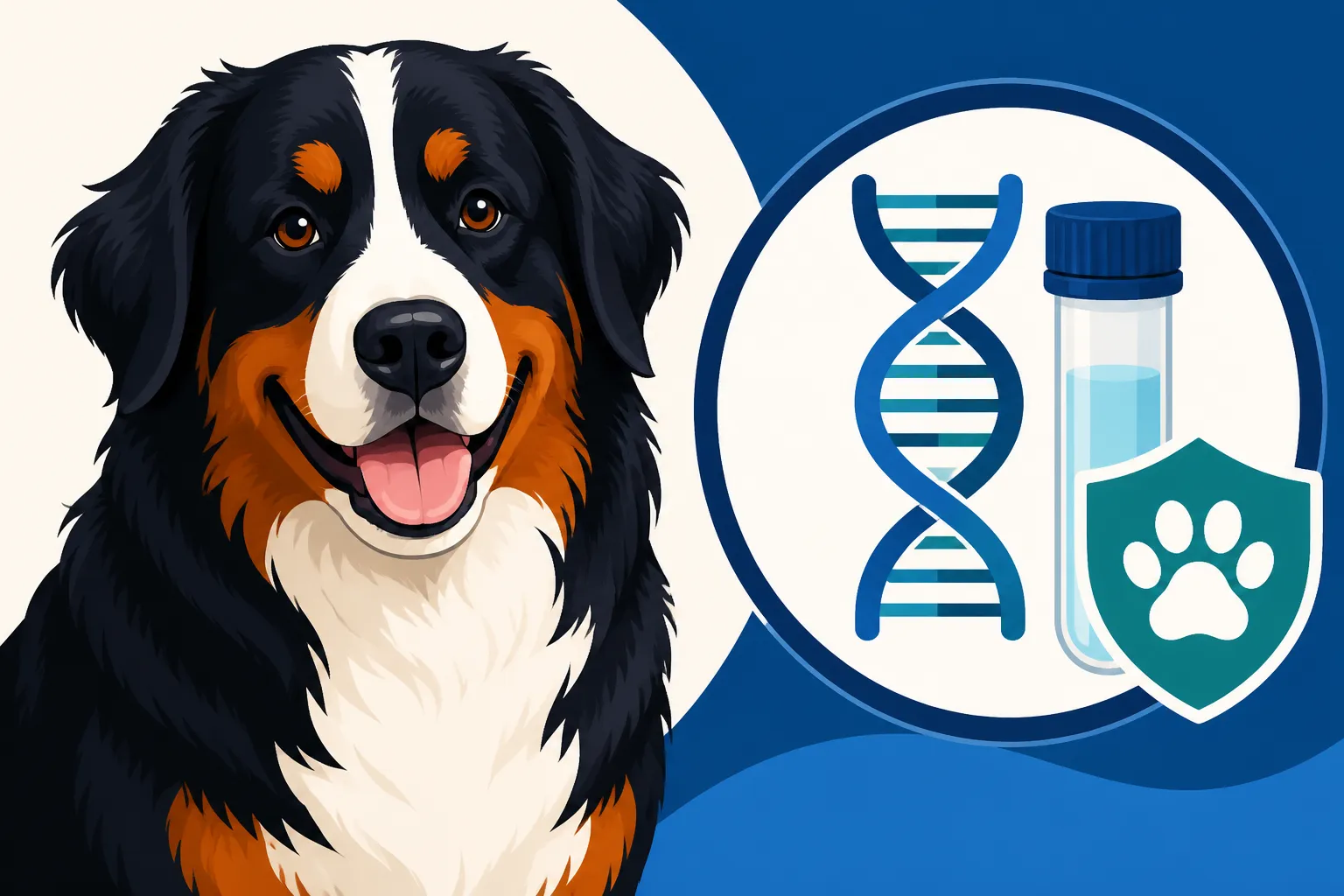
The beauty of modern genetic testing is its simplicity. To test your Bernese Mountain Dog for the SOD1 mutation, all that's typically required is a cheek swab or a small blood sample. Many reputable veterinary genetic testing laboratories offer at-home kits where you can collect the sample yourself using sterile buccal swabs provided. You simply rub the swab firmly along the inside of your dog's cheek for about 30-60 seconds to collect enough epithelial cells, then let it air dry before packaging it according to the lab's instructions. Some owners prefer to have their veterinarian collect the sample, especially if a blood draw is preferred or if they are performing other health screenings concurrently. Once collected, the sample is sent to a specialized laboratory for analysis. The process is minimally invasive and causes no discomfort to your dog, making it an accessible screening tool for all Bernese owners.
Interpreting the Test Results
Once the lab receives your sample, they extract DNA and analyze the SOD1 gene for the specific mutation associated with Degenerative Myelopathy. Results are usually returned within a few weeks, providing the designation of N/N (Clear), N/A (Carrier), or A/A (At-Risk). It's crucial to understand "What the SOD1 Result Means for a Bernese Mountain Dog" beyond just the letters. An N/N result brings immense peace of mind regarding DM, while an N/A result requires careful consideration if breeding, but poses no direct health threat to the individual dog. An A/A result, while concerning, is not a death sentence; it simply means your dog carries a significantly higher genetic predisposition. This information then becomes a powerful tool, allowing you to partner with your vet to monitor for early signs, and in the case of breeders, to make responsible choices for future generations.
Where to Get Your Bernese Mountain Dog Tested
Several highly reputable veterinary genetic testing laboratories offer the SOD1 test for Bernese Mountain Dogs. Wisdom Panel and Embark Veterinary are two of the most well-known and widely used companies that provide comprehensive genetic health screenings, including the SOD1 test. These companies often offer breed-specific panels that include multiple genetic tests relevant to Bernese Mountain Dogs, which can be a more cost-effective and thorough approach than testing for individual conditions. You can also consult with your veterinarian, who may have preferred labs they work with or can assist you in ordering the correct test. Always choose a lab that uses peer-reviewed science and is transparent about their methodologies. While the cost of these tests might seem like an extra expense, especially considering "What Health Testing a Bernese Mountain Dog Breeder Pays For" already, the peace of mind and the ability to proactively manage your dog's health or plan breeding accordingly is invaluable.
Implications of a Positive SOD1 Test Result
Receiving an "at-risk" (A/A) or even a "carrier" (N/A) result for the SOD1 gene can be unsettling. However, it’s not a signal for despair but rather a call to action and informed preparation.
Living With a Bernese Mountain Dog Losing Its Back Legs
If your Bernese Mountain Dog receives an A/A (at-risk) result, or if they begin to show symptoms of DM, the reality of "Living With a Bernese Mountain Dog Losing Its Back Legs" becomes a pressing concern. This path, while challenging, is also an opportunity to demonstrate immense love and commitment. As the disease progresses, you'll need to adapt your home and routine to support your dog's diminishing mobility. This might involve adding non-slip rugs, ramps instead of stairs, and supportive orthopedic beds. Mobility aids like harnesses, slings, and even special carts for dogs that have lost full use of their hind legs, such as "A Cart for a Bernese Mountain Dog Losing Its Legs", can significantly improve their quality of life. Regular veterinary check-ups become crucial to manage any secondary issues, like skin sores from dragging or urinary tract infections. Remember, an at-risk dog's mind often remains alert and loving, so providing mental stimulation, gentle exercise adapted to their capabilities, and plenty of affection is paramount to their well-being. Pet insurance providers like Healthy Paws can be a huge asset in covering these ongoing medical and support costs, ensuring you can provide the best care without financial strain.
Making Responsible Breeding Decisions
For breeders, a positive SOD1 test result for an N/A (carrier) or A/A (at-risk) dog in their breeding program demands careful, ethical decision-making. The overarching goal is to reduce the incidence of DM in future generations while maintaining genetic diversity within the Bernese Mountain Dog breed. Breeding two N/A carriers together should be strictly avoided to prevent producing A/A at-risk puppies. Similarly, an A/A dog should not be bred. If a valuable dog tests as N/A (carrier), they can still be responsibly bred, but only with an N/N (clear) mate. This ensures that all puppies produced will either be N/N or N/A, but none will be A/A and at-risk for developing DM from this specific mutation. Every puppy from such a breeding should also be tested, and owners informed of their status. This meticulous approach to genetic screening, coupled with transparent communication with prospective puppy buyers, is the hallmark of a truly responsible breeder, safeguarding the health of the breed for years to come.
Supporting Research for Degenerative Myelopathy
Regardless of your dog's SOD1 status, supporting research into Degenerative Myelopathy is vital for the future of the Bernese Mountain Dog breed. While the SOD1 mutation is a major factor, researchers are still working to understand all the genetic and environmental influences that contribute to DM development and progression. Funding organizations like the Bernese Mountain Dog Club of America (BMDCA) and university veterinary research programs (such as those at the University of Missouri or the AKC Canine Health Foundation) are continuously seeking donations to advance their studies. This research could lead to more effective treatments, therapies, or even preventive measures in the future. Contributing to databases like "What the Berner-Garde Database Records" by submitting your dog's health and genetic information, regardless of outcome, also aids scientists in painting a clearer picture of DM's prevalence and impact. Every piece of information, every donation, helps bring us closer to understanding and eventually conquering this devastating disease.
Managing the Risk of Degenerative Myelopathy
While a SOD1 test provides crucial genetic insight, managing the risk of DM in your Bernese Mountain Dog involves a multi-faceted approach, combining proactive monitoring, supportive care, and lifestyle adjustments.
Screening an Older Bernese Mountain Dog for DM
Even if your Bernese Mountain Dog wasn't SOD1 tested as a puppy or you adopted an older dog with an unknown history, it's never too late to be vigilant. "Screening an Older Bernese Mountain Dog" for signs of DM is critical, as early detection, even without a prior genetic test, can help you prepare and implement supportive measures sooner. If your older Berner starts exhibiting any subtle changes in gait, hind leg weakness, or scuffing of paws, a visit to your veterinarian is imperative. Your vet will conduct a thorough neurological exam to differentiate DM from other conditions common in older large breeds, such as arthritis, hip dysplasia (like "Hips That Fail Under a Bernese Mountain Dog's Weight"), or spinal compression. They might recommend imaging like X-rays or MRI to rule out other causes. While there isn't a definitive diagnostic test for DM in a living dog beyond post-mortem examination of the spinal cord, a comprehensive clinical evaluation, coupled with a positive SOD1 test (if performed), can strongly suggest a DM diagnosis. This proactive monitoring allows you to make informed decisions about comfort care and mobility support before the disease progresses too far.
Slowing Degenerative Myelopathy in a Bernese Mountain Dog
Currently, there is no cure for Degenerative Myelopathy, but that doesn't mean we're entirely powerless. There are strategies focused on "Slowing Degenerative Myelopathy in a Bernese Mountain Dog" and maximizing their quality of life for as long as possible. The cornerstones of management include:
- Consistent, Moderate Exercise: While strenuous activity should be avoided, regular, gentle exercise helps maintain muscle mass, strengthens supporting structures, and promotes overall well-being. Short, controlled walks, swimming (if your Berner enjoys it and it's safe), or hydrotherapy can be beneficial.
- Physical Therapy: Working with a certified canine rehabilitation therapist can be incredibly helpful. They can develop personalized exercise programs focusing on balance, core strength, and maintaining range of motion. Techniques like massage, stretching, and acupuncture might also be incorporated.
- Nutritional Support: While no specific diet can prevent or cure DM, a high-quality, balanced diet rich in antioxidants and Omega-3 fatty acids may support neurological health. Some vets recommend supplements like B vitamins, Vitamin E, and N-acetylcysteine, though scientific evidence for their efficacy in slowing DM progression is still emerging. Always discuss supplements with your vet.
- Mobility Aids: As mentioned, slings, harnesses, and carts can significantly aid mobility as the disease progresses, preventing secondary injuries and allowing your dog to remain active and engaged for longer.
- Environmental Modifications: Making your home DM-friendly by providing non-slip surfaces, easy access to food and water, and comfortable, supportive bedding can make a huge difference in your dog's daily comfort and safety.
It’s important to manage expectations; these strategies aim to slow progression and improve comfort, not to reverse the disease. However, every extra moment of comfortable, mobile time with your beloved Berner is priceless. This is where having robust pet insurance, such as a plan from Healthy Paws, can really make a difference, covering the costs of ongoing physical therapy, veterinary visits, and potential mobility equipment.
The Future of DM Research and Prevention
The future of managing and preventing Degenerative Myelopathy holds promise, largely due to ongoing research efforts. Scientists are continually exploring additional genetic markers that might contribute to DM, beyond the known SOD1 mutation. They are also investigating potential environmental triggers and developing novel therapeutic approaches, including gene therapy and stem cell treatments, although these are still in experimental stages. For Bernese Mountain Dog owners and breeders, continued vigilance in genetic testing and responsible breeding practices remains the most powerful tool for prevention. By breeding N/A carriers only with N/N clear dogs and avoiding breeding A/A at-risk dogs, the incidence of DM can be significantly reduced over time. Furthermore, widespread adoption of the SOD1 test and transparent reporting of results within breed databases will continue to provide invaluable data for researchers, paving the way for a future where Bernese Mountain Dogs can live longer, healthier lives free from the burden of this challenging disease.
Disclaimer
This article is intended for informational purposes only and does not constitute veterinary advice. Always consult with a qualified veterinarian for any health concerns or before making any decisions about your pet's health or treatment plan. Genetic testing results should always be discussed with your veterinarian or a canine genetic counselor to fully understand their implications for your individual dog.