Whether a Fast-Eating Bernese Mountain Dog Bloats More
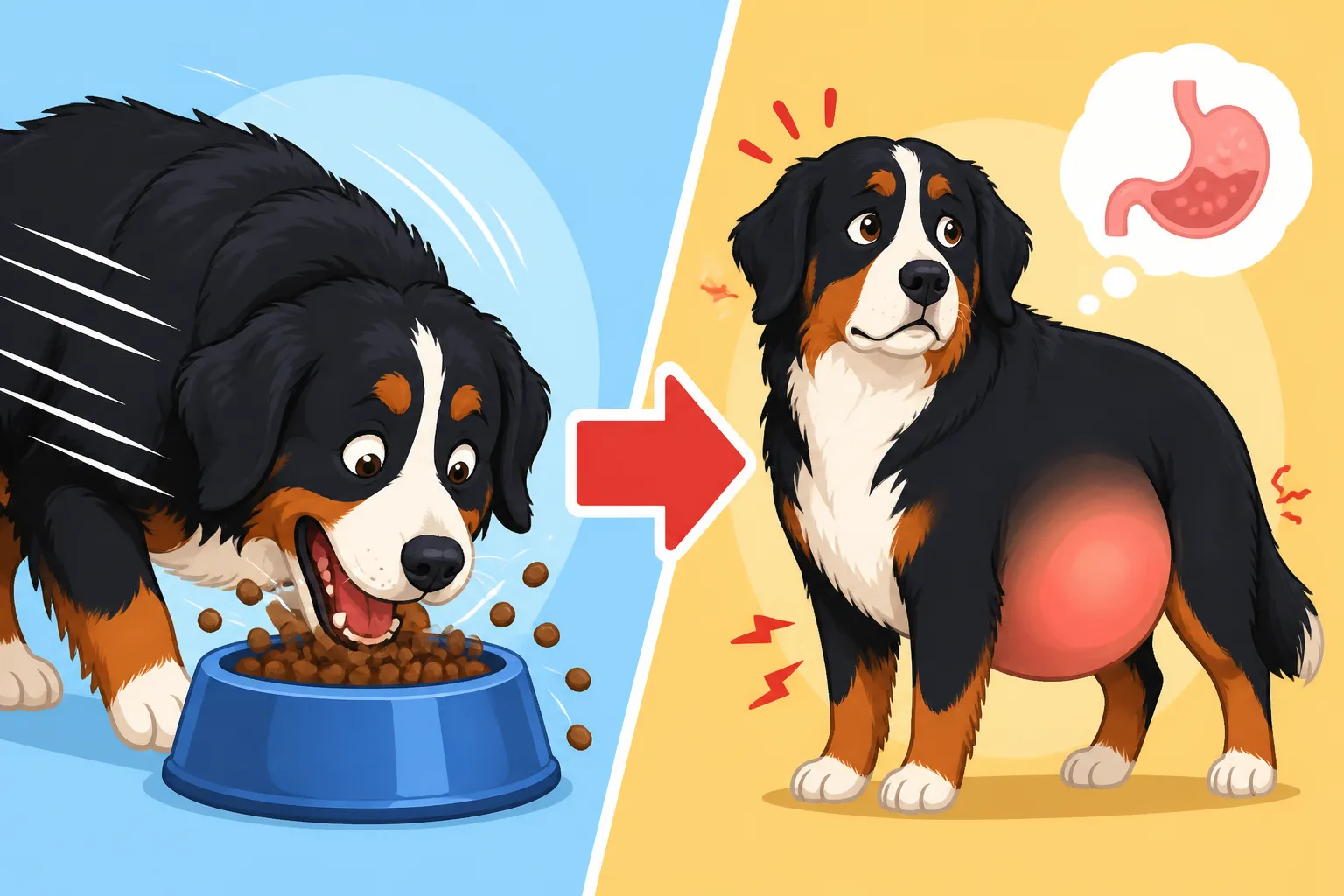
It’s a heart-stopping moment for any Bernese Mountain Dog owner: watching your beloved giant devour their meal at warp speed, only to remember the terrifying specter of bloat. We all worry if that enthusiastic gobbling could be putting them at a higher risk for this life-threatening condition. This comprehensive guide will deep-dive into the connection, if any, between how quickly your Berner eats and their susceptibility to bloat, offering insights and actionable steps to help mitigate the risks.
Understanding Gastric Dilatation-Volvulus (GDV) in Bernese Mountain Dogs
Before we even begin to unpack the "fast eating" question, it’s crucial to truly grasp what Gastric Dilatation-Volvulus (GDV), commonly known as bloat, actually is. For Bernese Mountain Dog owners, this isn't just a clinical term; it's a waking nightmare, a silent predator that can strike without much warning. It's an emergency that demands immediate, decisive action.
The Terrifying Reality of Bloat
Bloat is terrifying because of its speed and severity. One moment, your Berner might seem a little restless, perhaps pacing or trying to vomit without success. The next, they could be in severe distress, their abdomen distended, struggling to breathe, and going into shock. It’s a race against time, where every minute counts. Owners often describe the sudden onset, the feeling of helplessness as their dog's condition deteriorates rapidly. You might notice your Bernese Mountain Dog appears uncomfortable, repeatedly looking at their abdomen, or stretching in an unusual way. They might attempt to vomit but only bring up foamy saliva. This is a critical sign that something is terribly wrong internally. It's a situation where panic can easily set in, but staying calm and acting swiftly is paramount for your dog's survival. The clock truly starts ticking the moment you suspect something is amiss, because the condition can escalate dramatically.
How GDV Unfolds Internally
At its simplest, bloat involves the stomach filling with gas and fluid (dilatation), causing it to expand like a balloon. But the truly deadly part is the "volvulus"—the twisting of the stomach on its axis. Imagine a balloon tied at both ends and then twisted in the middle. This twisting cuts off the blood supply to the stomach and often the spleen, and prevents gas and food from escaping either through vomiting or passing into the intestines. The pressure from the distended stomach then impairs breathing by pressing on the diaphragm, and it can compress major blood vessels, leading to cardiovascular collapse and shock. It’s a cascade of events that, without surgical intervention, is almost always fatal. The pain is immense, and the systemic effects on the body are rapid and devastating. This is why when you hear discussions about How Fast Bloat Kills a Bernese Mountain Dog, it’s not an exaggeration—it can be mere hours from initial symptoms to irreversible damage.
Why Deep-Chested Breeds are at Higher Risk
Bernese Mountain Dogs, with their majestic, deep chests, are unfortunately among the breeds at highest risk for GDV. Other breeds like Great Danes, Standard Poodles, German Shepherds, and Weimaraners also share this predisposition. The prevailing theory suggests that the deep, narrow chest cavity allows the stomach more room to swing and twist within the abdomen. In breeds with broader, shallower chests, the stomach might be more constrained and less prone to rotating. While genetics certainly play a significant role, the physical conformation of a deep chest is considered a key anatomical factor. This inherent vulnerability is why every Berner owner needs to be hyper-aware of bloat, regardless of their dog's eating habits. Knowing Which Bernese Mountain Dogs Are Most at Risk of Bloat can help you assess your individual dog’s susceptibility.
The Link Between Eating Speed and Bloat Risk
This is where the direct question of fast eating comes into play, and it’s a topic that has seen a lot of discussion and anecdotal evidence among breed enthusiasts, but also quite a bit of scientific scrutiny. While the link isn't as straightforward as some might assume, there are certainly theories and observations worth exploring.
What the Research Says About Fast Eaters
For a long time, it was widely believed that fast eating significantly contributed to bloat by increasing the amount of air a dog swallows (aerophagia). However, specific scientific studies investigating this direct correlation have yielded mixed results. Some epidemiological studies have identified rapid eating as a potential risk factor, suggesting a slight increase in risk. For instance, early research in the 1990s and early 2000s, often cited, did point to fast eating as a factor. However, more recent, robust studies sometimes show the link to be less direct or less significant than other risk factors. It's challenging to isolate eating speed from other behavioral or environmental factors. It’s not simply the speed, but potentially what else accompanies that speed. For example, a dog that eats rapidly might also be a more anxious eater, or one that’s gulped water too quickly after a meal. So, while it’s not definitively proven as a primary cause, it’s still generally recommended to encourage slower eating habits to be on the safe side, especially for at-risk breeds like Bernese Mountain Dogs.
The Theory: Swallowing Air and Stomach Movement
The primary theory linking fast eating to bloat revolves around aerophagia. When dogs eat quickly, especially if they gulp down large mouthfuls without much chewing, they tend to swallow a considerable amount of air along with their food. This swallowed air can then accumulate in the stomach, contributing to the initial "dilatation" phase of GDV. The larger volume of gas makes the stomach distend, potentially making it heavier and more prone to twisting. Think of it like a partially inflated balloon being much easier to spin or shift than a completely deflated one. The rapid ingestion of food itself might also cause increased gastric motility and potentially lead to spasmodic contractions, which could, in theory, initiate or contribute to the stomach's rotation. While this physiological mechanism makes logical sense, it's difficult to quantify precisely how much swallowed air is truly problematic, or how much specific rapid eating patterns increase the chance of twisting.
The Psychological Impact of Mealtime Anxiety
Beyond the physical act of eating quickly, there's often an underlying psychological component: mealtime anxiety or resource guarding. A Bernese Mountain Dog that eats incredibly fast might be doing so out of a deep-seated instinct to secure their food, especially if they grew up in a multi-dog household, were rescued, or simply have a more competitive personality. This anxiety can manifest as frantic eating, leading to increased stress hormones and potentially affecting digestion. An anxious dog might also be more prone to gulping water excessively or engaging in other stress-related behaviors that could indirectly contribute to bloat. Addressing mealtime anxiety, if present, can not only slow down eating but also improve your dog's overall well-being. Ensuring your Bernese Mountain Dog has a calm, secure environment for meals can be just as important as the mechanics of slowing down their eating. If your Berner is particularly food-motivated or anxious around meal times, separate feeding locations or special slow-feeding techniques might be necessary.
Other Significant Risk Factors for Bernese Mountain Dog Bloat
While eating speed is a concern, it's critical for Bernese Mountain Dog owners to understand that bloat is a multi-factorial disease. There are many other, often more significant, risk factors that combine to increase a dog's susceptibility. Focusing solely on eating speed without considering these other elements would be a disservice to your Berner's health.
Genetic Predisposition and Family History
Genetics play a huge, undeniable role in a Bernese Mountain Dog's risk of developing bloat. If a dog's parents or close relatives have suffered from GDV, their risk significantly increases. This is why responsible breeders of Bernese Mountain Dogs are meticulous about tracking health issues, including bloat, in their breeding lines. They should be transparent about the incidence of bloat in their dogs' pedigrees and often use online databases like the Berner-Garde Database to record and research health information. If you're considering a Bernese Mountain Dog puppy, asking about the bloat history of their lineage is crucial. Even with all other precautions, a strong genetic predisposition can override many preventive measures. This genetic link is part of Whether Cancer Is Bred Into the Bernese Mountain Dog and other breed-specific conditions, highlighting the importance of understanding a breed's genetic vulnerabilities.
Age, Sex, and Temperament Considerations
Age is another strong risk factor; GDV is more common in middle-aged to older Bernese Mountain Dogs, typically between 4 and 7 years old, but it can occur at any age. As dogs age, the ligaments that hold their stomach in place can stretch and weaken, making it easier for the stomach to twist. While both sexes can be affected, some studies suggest that male Berners might have a slightly higher risk than females. Temperament also seems to play a subtle role; dogs described as nervous, fearful, or highly stressed might have an increased predisposition. This could be due to physiological responses to stress, such as changes in gastrointestinal motility or increased aerophagia. Therefore, fostering a calm, low-stress environment for your Berner can contribute to their overall health and potentially lower bloat risk. This is particularly relevant when you consider that A Bernese Mountain Dog Hides Discomfort which can make early detection even more challenging.
Exercise Before or After Meals
The timing of exercise around meals is another well-established risk factor. High-intensity exercise, vigorous play, or even just running and jumping too close to mealtime can increase the risk of bloat. This is thought to be due to increased stomach movement and potential gas accumulation. Many veterinarians recommend a "rest period" of at least one hour before and two hours after meals for deep-chested breeds. This means no strenuous activity, no crazy zoomies, just a quiet time to digest. A short, calm walk to relieve themselves before a meal is usually fine, but any intense physical exertion should be avoided. Ensuring your Bernese Mountain Dog has a calm and relaxed period around their meals is a simple yet effective preventive measure that all owners should implement. We often hear questions about Whether Exercise After Eating Bloats a Bernese Mountain Dog, and the general consensus among vets is to avoid it.
Diet Composition and Feeding Practices
What and how you feed your Bernese Mountain Dog can also influence bloat risk. While controversial, some research has suggested that diets with certain ingredients or feeding practices might be associated with higher risk. For example, some studies have hinted that diets primarily composed of dry kibble with certain ingredients (like citric acid or fat listed among the first four ingredients) might be linked to higher risk, though this is not conclusive and diet research is complex. More consistently, feeding one large meal a day is generally considered riskier than feeding two or more smaller meals. Distributing your Berner's daily food allowance into two or three smaller portions throughout the day can reduce the amount of gas and food in the stomach at any one time, making it less likely to distend and twist. This ties into the general advice of Why a Bernese Mountain Dog Never Gets One Big Meal.
A useful way to visualize and compare these factors might be a table:
| Risk Factor | Description | Impact on Bloat Risk | Management Strategy |
|---|---|---|---|
| Deep-Chested Conformation | Anatomical predisposition due to the breed's chest structure, allowing more room for stomach rotation. | High, inherent risk for Bernese Mountain Dogs. | Breed awareness, diligent monitoring, consider gastropexy. |
| Genetic Predisposition | Family history of GDV in parents or close relatives. | High, can significantly increase individual risk. | Research breeder lines, check Berner-Garde Database, communicate with your vet about family history. |
| Rapid Eating | Gulping food quickly, potentially leading to increased air swallowing (aerophagia). | Moderate, especially if combined with anxiety or other factors; a contributing factor. | Use slow feeder bowls, puzzle feeders, multiple small meals, ensure calm meal environment. |
| Single Large Meal | Feeding one large meal per day instead of multiple smaller ones. | Moderate to High, increases stomach volume at one time. | Divide daily food into 2-3 smaller meals. |
| Exercise Around Meals | Strenuous activity or vigorous play immediately before or after eating. | Moderate to High, can cause stomach movement and gas. | Restrict activity for 1 hour before and 2 hours after meals. |
| Age | Middle-aged to older dogs (4-7 years old) may have weaker stomach ligaments. | Moderate to High, risk increases with age. | Increased vigilance as dogs age, regular vet check-ups. |
| Stress/Anxiety | Nervous, fearful, or highly stressed temperament. | Moderate, can impact gastrointestinal function and lead to frantic eating. | Maintain a calm routine, address anxiety, create a peaceful feeding space. |
| Elevated Food Bowls | Historically thought to reduce bloat, but studies now suggest they might slightly increase risk in some cases. | Low (potential), current advice is generally against them, or for individual assessment. | Consult your vet; most advise feeding on the floor unless medically necessary. (See Whether Bowl Height Matters for a Bernese Mountain Dog) |
Practical Strategies for Slowing Down a Fast Eater
Given the ongoing discussion and the general consensus that slowing down eating is a good idea, regardless of its direct correlation to bloat, what can a Bernese Mountain Dog owner actually do? There are several straightforward and effective strategies to encourage more leisurely meal times, helping to reduce aerophagia and potentially lower stress.
The Magic of Slow Feeder Bowls and Puzzles
If your Berner is a vacuum cleaner when it comes to their food, a slow feeder bowl is your best friend. These bowls come with various ridges, mazes, and compartments that force your dog to eat around obstacles, making them take smaller bites and work harder for their food. Brands like Outward Hound offer a range of slow feeder bowls that can significantly extend meal times. Beyond bowls, puzzle feeders are fantastic for mental enrichment and slowing down consumption. These can range from treat-dispensing toys where your dog has to manipulate the device to get kibble, to snuffle mats where food is hidden within fabric strips. These tools transform mealtime from a frantic gulping session into an engaging activity, reducing the amount of air swallowed and making eating a more mindful experience. It's truly amazing the difference these simple tools can make, turning a two-minute meal into a ten or fifteen-minute activity.
Managing Meal Schedules and Environment
Beyond the physical tools, the way you structure mealtime itself can have a huge impact. As mentioned earlier, feeding multiple smaller meals (two or three) throughout the day instead of one large one is highly recommended. This reduces the sheer volume of food and gas in the stomach at any given time. Consider a consistent feeding schedule to help regulate your dog's digestive system and reduce anticipation-driven gorging. Equally important is the feeding environment. Ensure your Bernese Mountain Dog has a quiet, calm, and private space to eat, away from other pets or household commotion. If you have multiple dogs, feed them separately to prevent any resource guarding or competitive eating that can exacerbate fast eating habits. A peaceful mealtime can alleviate any underlying anxiety your dog might feel, contributing to slower, more relaxed eating.
Hydration and Its Role in Digestion
Proper hydration is always important for a dog's health, but it also plays a role in digestion and potentially bloat prevention. While it’s good for dogs to have access to water, gulping down large quantities of water immediately before or after a meal, especially after strenuous exercise, might also contribute to stomach distension. Encourage regular, moderate water intake throughout the day rather than allowing your Berner to drink a huge amount at once. If your dog tends to chug water, consider offering smaller amounts more frequently or using a slow-drink bowl that limits the speed of water consumption, similar to a slow feeder for food. Ensuring your dog is well-hydrated without excessive rapid intake around meals is a subtle but important piece of the bloat puzzle.
Proactive Measures and When to Act: Gastropexy and Emergency Signs
Despite all precautions, bloat can still occur in Bernese Mountain Dogs. Therefore, understanding proactive medical measures and being able to recognize the emergency signs are perhaps the most critical aspects of preventing a fatal outcome. Early detection and swift action are absolutely non-negotiable.
Considering a Preventive Gastropexy
For Bernese Mountain Dogs and other high-risk breeds, a preventive gastropexy is one of the most effective strategies to literally 'tack' the stomach to the abdominal wall. This procedure prevents the stomach from twisting (the "volvulus" part of GDV), though it doesn't prevent the stomach from dilating with gas. It's often performed laparoscopically (minimally invasive) at the same time as spaying or neutering, but it can be done as a standalone procedure. While it involves surgery, the peace of mind it offers to owners of at-risk breeds is immense. Talk to your veterinarian about whether a gastropexy is right for your Bernese Mountain Dog, considering their age, health, and family history. It's a significant decision, but one that can quite literally save their life. Many owners explore Adding a Gastropexy to a Bernese Mountain Dog's Spay for convenience and reduced recovery time. If you're concerned about costs, discussing What a Gastropexy Costs for a Bernese Mountain Dog with your vet and looking into pet insurance providers like Healthy Paws can help you prepare.
Recognizing the Critical Signs of Bloat
This is arguably the most vital information for any Bernese Mountain Dog owner. Knowing What Bloat Looks Like in a Bernese Mountain Dog is the first step toward saving their life. The signs can be subtle at first, but they progress rapidly:
- Restlessness and pacing: Your dog might seem uncomfortable, unable to settle.
- Non-productive retching or vomiting: This is a classic sign. Your dog will try to vomit but only bring up foamy saliva or nothing at all. They might try repeatedly.
- Abdominal distension: The abdomen, especially on the left side, may appear swollen and feel tight or drum-like to the touch. This can be harder to spot in very fluffy Berners, so rely on other signs too.
- Pain: Your dog might whine, groan, or resist being touched on their abdomen.
- Drooling or excessive salivation.
- Weakness, lethargy, or collapse.
- Rapid, shallow breathing or difficulty breathing.
- Pale gums.
If you observe any of these signs, especially non-productive retching and restlessness, do not wait. This is a dire emergency.
The Half-Hour That Decides a Bloated Bernese Mountain Dog
When bloat strikes, time is of the essence. Literally, The Half-Hour That Decides a Bloated Bernese Mountain Dog is not an exaggeration. The chances of survival decrease significantly with every passing minute that the stomach remains twisted. You need to get to an emergency veterinary hospital immediately. Call ahead if you can, so they are prepared for your arrival. Do not try to treat it at home with antacids or other remedies; this is a surgical emergency. The vet will quickly assess the situation, confirm the diagnosis with X-rays, and prepare for emergency surgery. Even with prompt treatment, bloat can have serious complications, but survival rates are significantly higher when intervention occurs within the first few hours of onset. Having a plan in place, knowing the nearest 24/7 emergency clinic, and understanding the potential costs and that pet insurance like Healthy Paws can really help alleviate some of the financial stress during such a critical time, are all parts of responsible Berner ownership. Knowing about Emergency Surgery on a Bloated Bernese Mountain Dog and the potential The Night Bill When a Bernese Mountain Dog Bloats can help you mentally prepare for the urgent decisions ahead.
Being a Bernese Mountain Dog owner is a joy, but it also comes with the serious responsibility of understanding and mitigating health risks like bloat. While rapid eating might play a role, it's part of a larger, more complex picture of risk factors. By being informed, implementing preventive measures, and most importantly, knowing when and how to act in an emergency, you give your beautiful Berner the best chance at a long, healthy, and happy life.
Disclaimer
The information provided in this article is for general informational purposes only and is not a substitute for professional veterinary advice. Always consult with a qualified veterinarian for any health concerns or before making any decisions related to your pet's health and treatment.