Pavement Temperature and a Bernese Mountain Dog’s Pads
You step outside, the sun is shining, and you think it's a perfect day for a walk with your beloved Bernese Mountain Dog. But what seems like a pleasant stroll for you could be a searing, painful ordeal for their delicate paw pads. Many of us don't realize just how quickly asphalt, concrete, and even artificial turf can heat up, turning a routine outing into an emergency. This guide will delve deep into understanding pavement temperature, its significant risks to your Berner, how to keep those precious paws safe, and what crucial steps to take if the worst happens.
Why Hot Pavement is a Serious Threat to Bernese Mountain Dog Paws
It’s easy to overlook the ground beneath our feet, but for a Bernese Mountain Dog, especially during warmer months, it’s a critical consideration. Their paw pads, while seemingly tough, are no match for superheated surfaces. Unlike our shoes, their pads are directly exposed, and the consequences can range from uncomfortable soreness to severe burns that require extensive veterinary care. Understanding why this risk is so high for a Berner is the first step in protecting them.
The Insulating Nature of a Bernese Mountain Dog's Coat
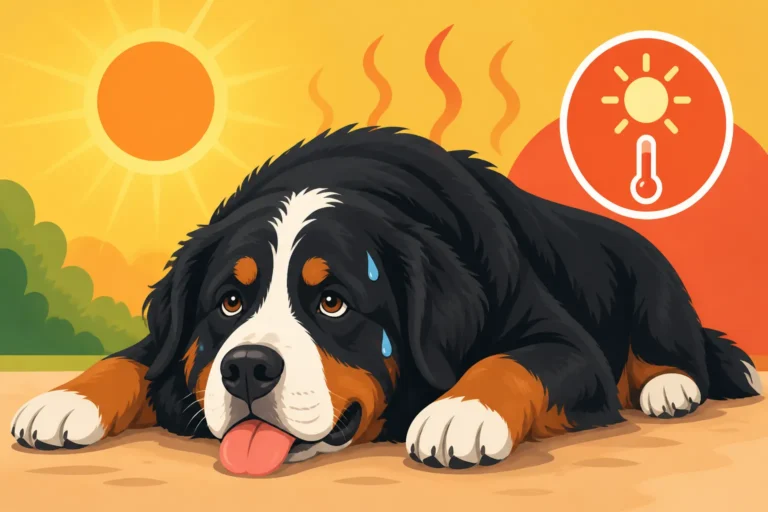
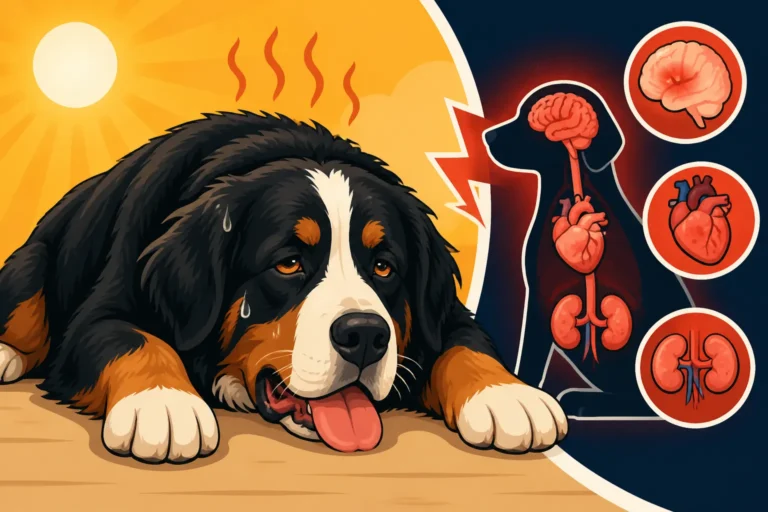
Bernese Mountain Dogs are built for colder climates. They boast a magnificent, thick double coat designed to keep them warm in the snowy Swiss Alps. While this coat is stunning, it also means they are more susceptible to overheating when the weather turns warm. When their body temperature rises, their overall ability to dissipate heat is compromised, which can indirectly make their paws more vulnerable. A Berner struggling with heat is less likely to notice subtle discomfort in their feet until it’s too late, and their body's internal cooling mechanisms are already stretched thin. This is a crucial factor, as a dog already on the brink of overheating, as explored in The Temperature a Bernese Mountain Dog Stops Coping, will be even more vulnerable to localized heat sources like hot pavement.
Imagine taking your Berner out for what you think is a brisk walk on a warm day. You feel the sun on your skin, perhaps a gentle breeze, and assume it's fine. But your dog, wrapped in their luxurious, heat-trapping fur, is experiencing a much higher ambient temperature around their body. Their short snouts, common in many large breeds, also make them less efficient at panting to cool down compared to longer-nosed breeds. This means their entire system is working harder, making them less resilient to additional stressors like scorching pavement. Their beautiful Heat and the Bernese Mountain Dog's Black Coat also plays a role, as dark colors absorb more heat, further contributing to their body's overall heat burden.
How Pavement Absorbs and Radiates Heat
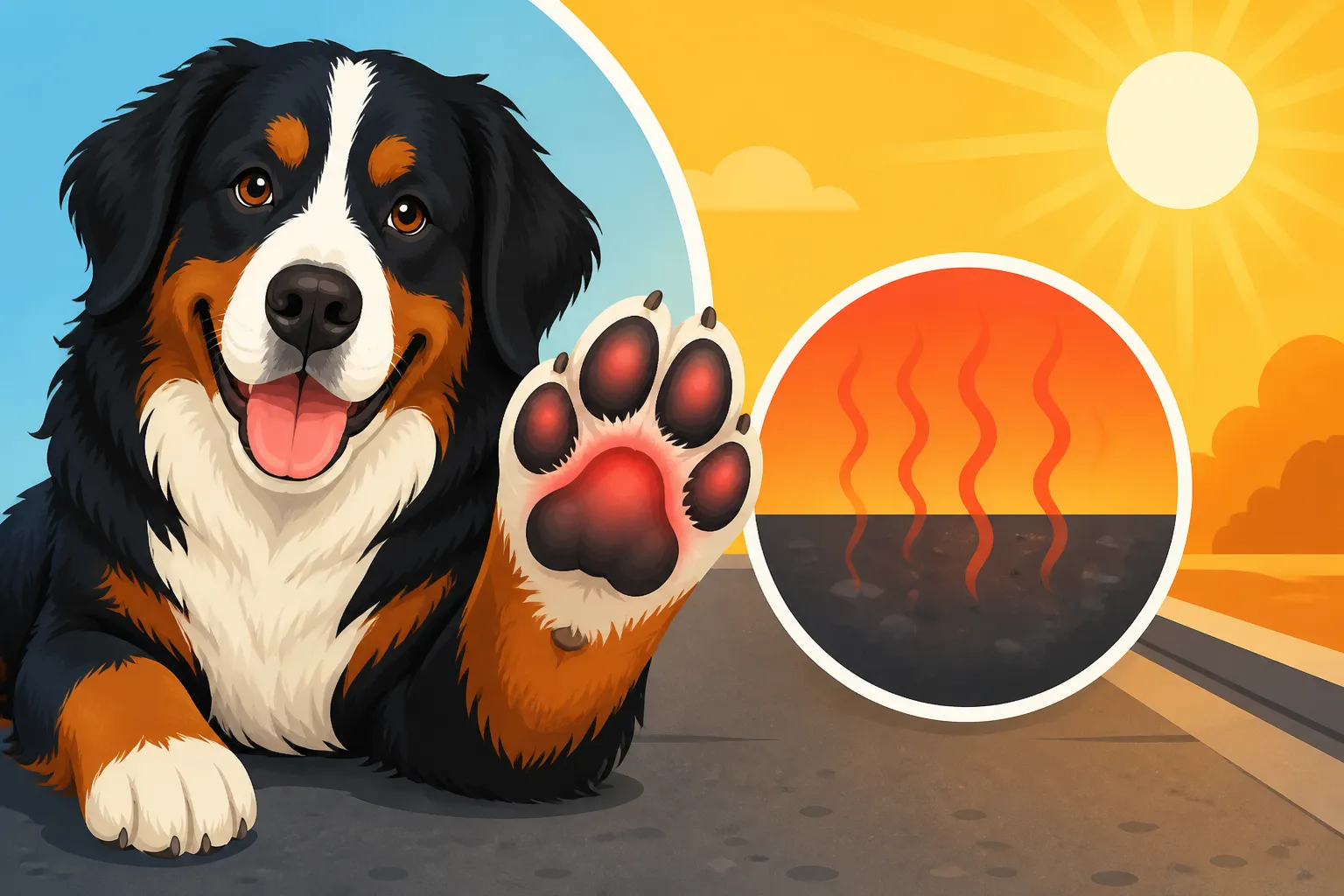
The sheer heat absorption capacity of common outdoor surfaces is astounding. Asphalt, concrete, brick, and even artificial turf act like giant solar panels, soaking up the sun's energy. On an 80°F (27°C) day, for example, asphalt can reach a staggering 130-140°F (54-60°C). That's hot enough to cook an egg in five minutes! Brick can hit 120°F (49°C), and even grass, while cooler, can still be surprisingly warm. These temperatures are far beyond what a dog's paw pads can withstand without injury.
Think about walking barefoot on a black asphalt parking lot in mid-summer. It’s an immediate, excruciating burn. Your Bernese Mountain Dog experiences the same sensation, but without the option to put on shoes or easily articulate their pain. The darker the surface, the more heat it absorbs. So, those beautiful blacktop roads and dark stone patios you encounter on walks become literal hot plates for their paws. Even after the sun has started to dip, these surfaces can retain heat for hours, creating a lingering danger. This is why being mindful of Exercising a Bernese Mountain Dog in Summer is about more than just air temperature; it's about surface temperature.
The Science Behind Paw Pad Burns
When a paw pad comes into contact with extremely hot surfaces, the cells in the skin are damaged. Initially, it might cause redness and inflammation, similar to a minor human burn. However, prolonged exposure, even for just a minute or two, can lead to more severe damage. The top layers of skin can blister, peel away, or even become necrotic (tissue death). This not only causes immense pain but also creates open wounds highly susceptible to infection, a serious secondary concern that can prolong healing and complicate recovery.
The structure of a dog's paw pad is designed for traction and shock absorption, not extreme heat resistance. While they do have a protective layer of thick skin and some fatty tissue, it's not impermeable to thermal injury. Unlike humans who sweat profusely over most of their bodies, dogs primarily sweat through their paw pads (and pant) to regulate temperature. This makes their pads crucial for cooling, but also exposes them to direct heat transfer from the ground. A burn not only causes pain but can also disrupt their ability to sweat from their pads, further hindering their overall cooling capabilities.
Recognizing the Signs of Paw Pad Burns
Spotting a paw pad burn early is absolutely critical. Our Berners are stoic by nature, and sometimes it takes a keen eye to notice their discomfort. Don't wait for obvious limping or severe damage; paying close attention to their behavior and the condition of their paws can make all the difference in preventing more serious injury and ensuring a quicker recovery.
Visual Cues of Burned Pads
A quick visual inspection of your Bernese Mountain Dog's paws after any walk on a warm day is a habit worth cultivating. Look for several key indicators. Redness and swelling are often the first signs, particularly between the pads. The pads themselves might appear darker or discolored, sometimes with a grayish tint if the tissue is damaged. In more severe cases, you might see blisters forming, which can range from small fluid-filled pockets to large, ruptured areas where the top layer of skin has peeled away.
Sometimes the damage isn't immediately obvious, especially if your Berner has darker pads. You might notice unusual tenderness when you touch their paws, or they might flinch away. In severe cases, the pads may look charred or feel hard and dry, indicating significant tissue death. Never underestimate even a slight discoloration or tenderness; it could be the start of a serious burn. This quick check should be part of your regular Summer Routines for a Bernese Mountain Dog, along with checking for ticks or other irritants.
Behavioral Indicators of Discomfort
Our dogs communicate their pain through their actions. If your Bernese Mountain Dog has burned paws, you'll likely observe changes in their behavior. Limping or favoring a paw is a clear sign of discomfort. They might be reluctant to put weight on one or more feet, or you might notice a subtle change in their gait, such as taking shorter, more hesitant steps. Excessive licking or chewing at their paws is another strong indicator that something is amiss.
Beyond the physical, pay attention to their general demeanor. A Berner in pain might become withdrawn, less playful, or even exhibit unusual aggression if you try to touch their feet. They might refuse to walk or even stand up, preferring to lie down, perhaps with their paws tucked underneath them. If you notice your dog trying to lift their paws, doing a little "dance" on hot surfaces, or frantically pulling away from the pavement, these are immediate red flags. Don't dismiss these as minor quirks; they're urgent signals that their paws are in distress. If you see How a Bernese Mountain Dog Behaves Before Heat Stroke, you'll know these subtle behavioral shifts can indicate serious trouble.
The "Five-Second Rule" and Its Importance
The simplest and most effective way to gauge pavement temperature before walking your Bernese Mountain Dog is the "five-second rule." It's exactly what it sounds like: place the back of your hand or your bare foot on the pavement for five seconds. If it's too hot for you to hold it there comfortably, then it's definitely too hot for your dog's paws. This rule is a lifesaver and should be your absolute go-to before every walk, especially during warm weather.
This isn't just a guideline; it's a critical safety measure. The temperature at which human skin feels discomfort is generally around 120°F (49°C), which is the threshold at which dog paw pads can sustain burns within a minute or less. Even if the air temperature feels pleasant, direct sun on dark surfaces can drastically increase the ground temperature. Make this a non-negotiable step in your routine, especially if you're out and about during peak sun hours or on surfaces like asphalt parking lots. It takes seconds but can prevent weeks of painful recovery for your loyal companion.
Protecting Your Bernese Mountain Dog's Paws from Extreme Temperatures
Prevention is always better than cure, especially when it comes to sensitive paw pads. With a Bernese Mountain Dog, whose health and comfort are paramount, proactive measures against hot pavement are non-negotiable. There are many strategies you can employ to ensure their paws remain healthy and intact, no matter the season.
Timing Walks and Choosing Cooler Surfaces
The most straightforward way to protect your Bernese Mountain Dog's paws is to adjust when and where you walk them. During warm weather, avoid walks during the hottest parts of the day, typically between 10 AM and 4 PM. Instead, plan your outings for early morning or late evening when the sun is less intense and surfaces have had a chance to cool down. Remember, surfaces retain heat, so even if the air feels cooler, the pavement might still be dangerously hot.
When planning your route, prioritize natural, cooler surfaces. Grass, dirt trails, shaded paths, and even damp sand (away from direct sun) are much safer alternatives to asphalt or concrete. If you live in an urban area where pavement is unavoidable, seek out parks with grassy areas or shaded walkways. A stroll through a lush, tree-lined park will be infinitely safer and more comfortable for your Berner than a trek across a sun-baked parking lot. Always perform the five-second rule check, even on surfaces you assume are safe.
Paw Protection Products
Sometimes, avoiding hot surfaces entirely isn't possible. This is where paw protection products can be a game-changer. Dog boots or booties are an excellent option, providing a physical barrier between their delicate pads and the hot ground. Look for boots that are durable, breathable, and fit well to prevent rubbing or discomfort. Brands like Ruffwear and Muttluks offer good options designed for various terrains and conditions. It's important to introduce boots gradually, allowing your Berner to get accustomed to wearing them around the house before embarking on longer walks.
Paw balms and waxes, such as Musher's Secret, can also offer a layer of protection. While they don't provide the same thermal barrier as boots, they create a protective coating that can help moisturize pads and make them more resilient to minor abrasions and dryness, which can exacerbate sensitivity to heat. These are particularly useful for general pad health and for walks on mildly warm, but not scorching, surfaces. They're a good part of the weekly handling routine.
| Protection Method | Pros | Cons | Best Use Case |
|---|---|---|---|
| Dog Boots | Excellent thermal barrier, physical protection from rough surfaces, waterproof. | Can be cumbersome, dogs need training to accept, sizing can be tricky. | Hot pavement, ice/snow, rough trails, active dogs. |
| Paw Balms/Waxes | Moisturizes, provides minor barrier against heat/cold, good for overall pad health, easy to apply. | Limited thermal protection, needs frequent reapplication, can be messy. | Mildly warm surfaces, general pad conditioning, minor protection. |
| Cooling Mats | Provides a cool resting spot. | Not for walking, immobile. | Resting areas, crates, car travel. |
Creating Cool Zones at Home and On the Go
Even when not on walks, your Bernese Mountain Dog needs cool places to rest, especially if they are prone to overheating, as discussed in Cooling Gear for a Bernese Mountain Dog. At home, ensure they have access to shaded areas in the yard or indoors on cool tile or concrete floors. Cooling mats, which contain gel that activates with pressure, can be a fantastic addition to their bed or crate, providing a personal cool spot.
For car travel or when visiting friends, always bring a water bowl and fresh water. Portable cooling vests can also help regulate their body temperature during hot outings. If you must be out in warm conditions, consider an umbrella for portable shade. Remember, the goal is to reduce their overall heat load, which makes their paws less vulnerable. Even simple things like a kiddie pool filled with shallow, cool water in the yard can offer immense relief and a safe place for them to cool their paws and bodies. Properly Getting a Bernese Mountain Dog Through Summer means thinking about all aspects of their environment.
First Aid for Burned Paws and When to Seek Vet Care
Despite our best efforts, accidents can happen. If you suspect your Bernese Mountain Dog has burned paws, acting quickly and appropriately can minimize damage and significantly impact their recovery. It’s crucial to know what immediate steps to take and, more importantly, when it's time to call in the professionals.
Immediate Cooling and Cleaning
The very first thing you need to do is get your Bernese Mountain Dog off the hot surface immediately. Carry them if necessary. Once in a safe, cool place, gently cool their paws. You can do this by running cool (not ice-cold) water over them for about 10-15 minutes, or by applying cool, wet compresses. The goal is to stop the burning process and reduce inflammation. Do not use ice, as extreme cold can cause further tissue damage.
After cooling, gently clean the paws with a mild, antiseptic solution or plain water to prevent infection. Pat the paws dry thoroughly but gently. Avoid rubbing, as this can further irritate damaged skin. If there are any visible blisters, do not pop them. This can introduce bacteria and worsen the injury. Keep a close eye on the paws for any debris or foreign objects that might have become embedded in the damaged tissue. A clean environment is paramount for healing.
Applying Protective Dressings
Once the paws are cooled and cleaned, a protective dressing can help keep the wounds sterile and prevent further irritation. Apply a thin layer of a veterinary-approved antiseptic ointment (like Neosporin, but consult your vet first to ensure it’s safe if ingested by licking). Then, cover the affected pads with a non-stick sterile gauze pad. Secure this with a light, breathable bandage wrap, ensuring it’s not too tight to cut off circulation. You should be able to easily slip two fingers under the bandage. Change the dressing daily, or as advised by your vet, making sure to clean the paws with each change.
It's vital that your Bernese Mountain Dog doesn't lick or chew at the bandages or the wounds. An Elizabethan collar (cone) might be necessary to prevent them from interfering with the healing process. Licking can introduce bacteria, leading to infection, and chewing can remove dressings, exposing the fragile new skin. Investing in a good quality cone or even a soft recovery collar is a smart move if you're dealing with paw injuries.
When a Vet Visit Becomes Non-Negotiable
While minor burns might heal with diligent home care, many paw pad burns, especially those involving blisters, peeling, or significant pain, absolutely require professional veterinary attention. If your Bernese Mountain Dog is limping severely, crying out, or refusing to bear weight, call your vet immediately. Any signs of infection, such as pus, foul odor, increased redness, or swelling, also warrant an emergency visit.
Your vet can properly assess the severity of the burns, clean the wounds thoroughly, and prescribe appropriate pain medication and antibiotics to prevent or treat infection. They might also apply specialized medical dressings or even discuss more advanced wound care if the burns are extensive. Treating paw pad burns can be costly, and a good pet insurance policy, such as one from Healthy Paws, can be incredibly helpful in managing these unexpected expenses. Don't hesitate or delay; waiting can lead to chronic pain, prolonged recovery, and more severe complications. Remember, just like knowing The Half-Hour That Decides a Bloated Bernese Mountain Dog is crucial, swift action for burns can prevent long-term issues. Even the question of Pain Medication Costs for an Arthritic Bernese Mountain Dog highlights the financial aspect of veterinary care, which applies to severe paw injuries too. Having a reliable insurance partner like Healthy Paws can truly alleviate the burden when your Berner needs extensive medical intervention.
Disclaimer
Please note: This article is intended for informational purposes only and is not a substitute for professional veterinary advice. Always consult with a qualified veterinarian for any health concerns or before making any decisions about your pet's care.