The Clotting Fault Bernese Mountain Dogs Carry
One of the most concerning things for any Bernese Mountain Dog owner is the thought of their beloved companion facing a medical emergency, especially one involving uncontrolled bleeding. While these magnificent dogs are generally robust, a significant number carry a genetic predisposition to a specific clotting disorder known as Von Willebrand Disease (vWD). This comprehensive guide will walk you through everything you need to know about this inherited bleeding disorder, from understanding its mechanics to managing a diagnosis and planning for a future with a Bernese Mountain Dog that carries this fault.
Understanding Von Willebrand Disease in Bernese Mountain Dogs
When you first hear "bleeding disorder," it can sound terrifying. For Bernese Mountain Dogs, the most prevalent bleeding disorder is Von Willebrand Disease (vWD), a condition that affects the blood's ability to clot properly. It’s not just a minor bruise; it can mean serious, life-threatening hemorrhages from even small cuts or during routine surgeries. This genetic condition is something every prospective and current Bernese Mountain Dog owner should be aware of, as it can significantly impact their dog's health and the care they receive.
What is Von Willebrand Disease?
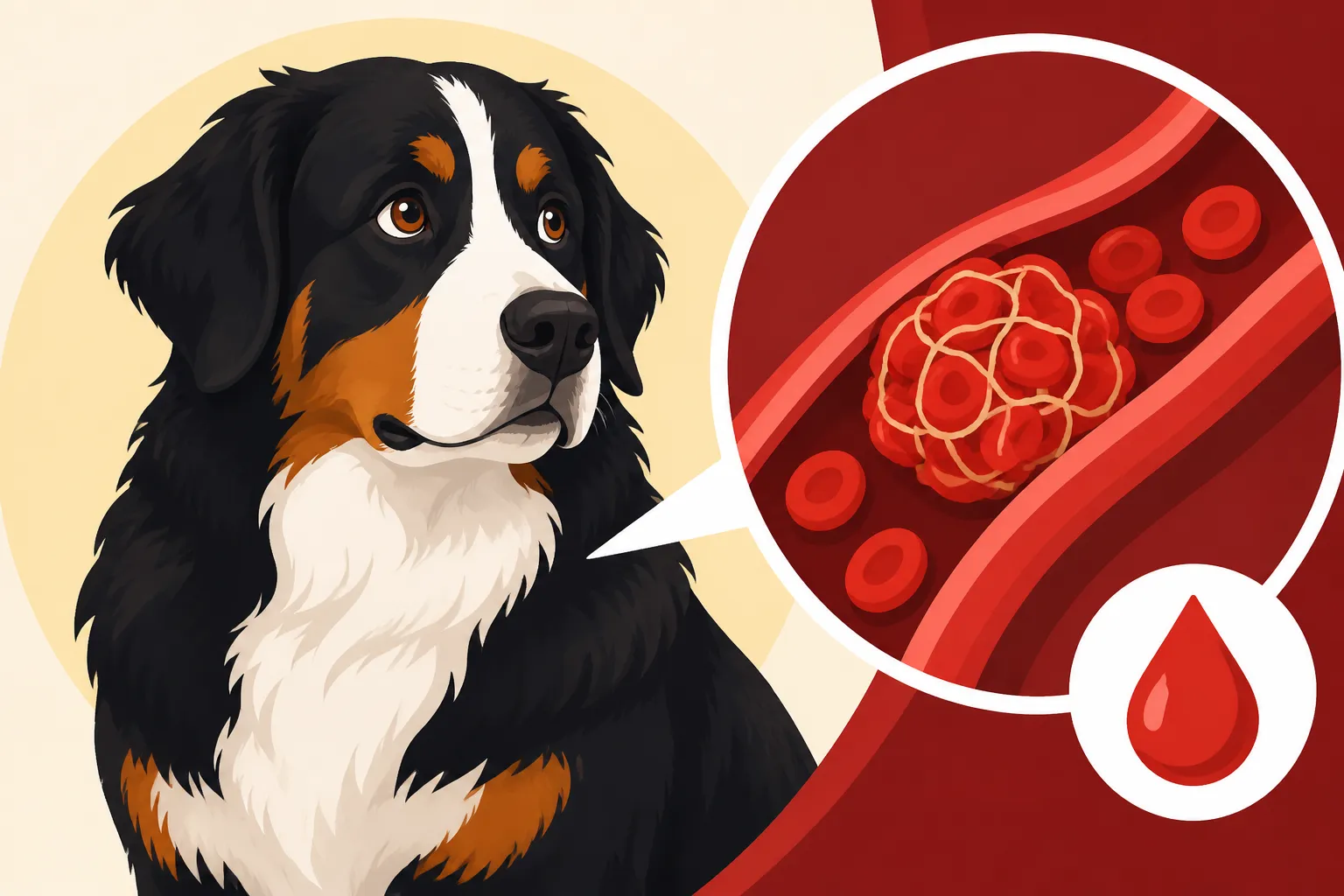
Von Willebrand Disease is an inherited bleeding disorder found in both humans and various dog breeds. At its core, it's caused by a deficiency or defect in Von Willebrand factor (vWF), a crucial protein needed for normal blood clotting. Think of vWF as the "glue" that helps platelets stick together and adhere to injured blood vessel walls, forming the initial plug that stops bleeding. Without enough functional vWF, this crucial first step in the clotting cascade is compromised.
There are three main types of Von Willebrand Disease:
- Type I: This is the most common and generally the mildest form, and it's the type predominantly seen in Bernese Mountain Dogs, as well as Doberman Pinschers, Poodles, and Shetland Sheepdogs. Dogs with Type I vWD have a reduced amount of vWF in their blood, but the factor itself functions correctly. The severity of symptoms usually correlates with how low the vWF levels are. Some dogs might be asymptomatic or only experience mild bleeding, while others can suffer severe hemorrhages.
- Type II: This type is characterized by a normal amount of vWF, but the factor itself is abnormal and doesn't function properly. It's much rarer and more severe than Type I, typically seen in breeds like German Shorthaired Pointers and German Wirehaired Pointers.
- Type III: This is the most severe form, where the dog produces almost no vWF. It's rare but incredibly dangerous, often leading to spontaneous and severe bleeding episodes. Breeds like Scottish Terriers and Chesapeake Bay Retrievers are more commonly affected by Type III.
For our beloved Berners, Type I is the primary concern. It’s an autosomal dominant trait with incomplete penetrance, meaning a dog only needs one copy of the faulty gene to be affected, but the clinical signs can vary widely even among affected individuals. This makes it tricky, as a dog with the gene might never show obvious signs, while another might have a crisis.
How Bernese Mountain Dogs are Affected
The impact of Von Willebrand Disease on a Bernese Mountain Dog can range from subtle to life-threatening, often without much warning. Because Type I vWD involves reduced levels of the clotting factor, not a complete absence, some Berners might live their entire lives with no noticeable bleeding issues. These dogs might carry the gene and pass it on, but never personally experience a severe bleed. This can be misleading for owners and breeders alike, reinforcing the need for proper screening.
However, for others, the deficiency can manifest in several ways:
- Prolonged bleeding after injury: A simple cut, a torn nail, or even rough play can result in bleeding that takes an unusually long time to stop. Imagine your Berner getting a small scratch during a hike; for a dog with vWD, this could turn into a prolonged, worrisome bleed that requires immediate veterinary attention. This is particularly concerning given the active nature of many Berners, even if they aren't engaged in rigorous activities like the Draft Test Entry Fees for a Bernese Mountain Dog.
- Excessive bleeding during or after surgery: This is where vWD often becomes most apparent and dangerous. Routine procedures like spaying or neutering, dental cleanings, or even minor lump removals can lead to severe hemorrhage. Vets who are unaware of a dog's vWD status might be caught off guard, and the dog could require emergency blood transfusions. This underscores the importance of Clotting Tests Before a Bernese Mountain Dog's Surgery regardless of outward signs. For procedures like spaying, knowing if your Bernese Mountain Dog carries this fault is crucial for safe planning, especially when considering Whether a Bernese Mountain Dog Can Be Spayed Safely.
- Nosebleeds: Spontaneous nosebleeds that are difficult to stop are a classic sign of a bleeding disorder. These can be frightening and messy, requiring significant care.
- Bleeding gums: Even minor irritation to the gums, such as from chewing on a hard toy, can cause prolonged bleeding.
- Blood in urine or stool: Internal bleeding, though less common with Type I, can manifest as blood in bodily excretions.
- Easy bruising: Dogs with vWD may bruise easily, sometimes without a clear cause.
The severity of these symptoms is highly variable. A Berner with a moderate vWF deficiency might only experience problems under stress or during surgery, while one with a very low vWF level could have more frequent and severe episodes. This unpredictability is precisely why screening and awareness are so vital. It’s not just about treating symptoms but understanding the underlying risk your dog carries.
Genetic Basis and Inheritance
Understanding the genetic aspect of Von Willebrand Disease is key to both preventing its spread and managing affected dogs. It’s a classic example of how responsible breeding practices and genetic testing can make a tangible difference in the health of a breed. Knowing the inheritance pattern helps breeders make informed decisions and helps owners understand the risks associated with their dog's lineage.
The Genetic Mutation Responsible
Von Willebrand Disease Type I in Bernese Mountain Dogs is caused by a specific mutation in the vWF gene. This gene provides instructions for making the Von Willebrand factor protein. When a dog has this mutation, its body produces less of the functional vWF protein, leading to the clotting deficiency.
The inheritance pattern is generally described as autosomal dominant with incomplete penetrance. Let's break down what that means in practical terms:
- Autosomal: This means the gene is located on a non-sex chromosome, so it affects both males and females equally.
- Dominant: This implies that a dog only needs to inherit one copy of the mutated gene from either parent to potentially be affected by the condition. Unlike recessive traits where two copies are needed for the disease to manifest, one copy is enough to express the trait.
- Incomplete Penetrance: This is the tricky part, especially for Berners. Incomplete penetrance means that even if a dog inherits the mutated gene, it might not show any clinical signs of the disease. It carries the gene and can pass it on, but appears perfectly healthy itself. This phenomenon is why vWD can silently persist in breeding lines for generations if testing isn't consistently performed. A dog could be "affected" genetically but "asymptomatic" clinically.
When we talk about genetic status for vWD, dogs typically fall into three categories:
- Clear (N/N): These dogs have two normal copies of the vWF gene. They will not develop vWD and cannot pass the mutation on to their offspring.
- Carrier (N/vWD or N/A): These dogs have one normal copy and one mutated copy of the vWF gene. They may have reduced vWF levels but often show no clinical signs of bleeding problems. However, they can pass the mutated gene on to 50% of their offspring.
- Affected (vWD/vWD or A/A): These dogs have two mutated copies of the vWF gene. They are typically the most severely affected, having significantly reduced vWF levels and a higher likelihood of experiencing severe bleeding episodes. All their offspring will inherit at least one copy of the mutated gene.
This genetic understanding is crucial because it informs responsible breeding practices and helps owners anticipate potential health issues. Without genetic testing, an asymptomatic carrier could unknowingly pass the faulty gene through many litters, perpetuating the problem.
Breeding Considerations and Risk Reduction
For ethical Bernese Mountain Dog breeders, understanding and addressing Von Willebrand Disease is a top priority. It's not just about producing beautiful puppies but about ensuring they are as healthy as possible. This involves rigorous health testing and careful selection of breeding pairs. The goal is to reduce the incidence of vWD in the breed over time while maintaining genetic diversity.
Here's how responsible breeders typically approach vWD:
- Mandatory Genetic Testing: Before breeding any Bernese Mountain Dog, a responsible breeder will perform a DNA test for vWD. This test accurately identifies whether a dog is Clear, a Carrier, or Affected. This is part of a broader commitment to a What Health Testing a Bernese Mountain Dog Breeder Pays For. These results, along with other health clearances, are often recorded in public databases like the What the Berner-Garde Database Records.
- Careful Mating Choices:
- Clear x Clear: This is the ideal pairing, as all puppies will be Clear (N/N) and will not carry the vWD gene.
- Clear x Carrier: This pairing will produce approximately 50% Clear puppies and 50% Carrier puppies. While Carriers might not show symptoms, they still carry the gene. A breeder choosing this pairing should be upfront with prospective buyers about the puppies' potential carrier status and emphasize the importance of future testing if those puppies are ever considered for breeding.
- Clear x Affected: Similar to Clear x Carrier, this pairing will produce 100% Carrier puppies. Again, transparency is key.
- Carrier x Carrier: This pairing is generally discouraged because it produces 25% Clear, 50% Carrier, and 25% Affected puppies. This dramatically increases the risk of producing clinically affected dogs.
- Affected x Any Affected or Carrier: These pairings should ideally be avoided entirely to prevent producing more affected or carrier offspring.
The aim is to eliminate affected dogs and, eventually, carriers from the breeding pool. However, it's not always as simple as "only breed clears." Sometimes, a carrier dog might possess exceptional qualities in terms of temperament, structure, or other health clearances that are valuable to the breed's overall gene pool. In such cases, a responsible breeder might carefully breed that carrier to a clear dog, meticulously test all offspring, and ensure that any carrier puppies are either spayed/neutered or only bred to clear partners themselves. This strategic approach helps preserve genetic diversity while slowly working to eradicate the disease. This commitment to Genetic Testing Before Breeding a Bernese Mountain Dog is a hallmark of an ethical breeding program.
Prospective puppy buyers should always ask for proof of vWD testing for both parents. This transparency is a strong indicator of a reputable breeder who prioritizes the health of their dogs.
Diagnosing Von Willebrand Disease
Diagnosing Von Willebrand Disease is a critical step for any Bernese Mountain Dog, especially before any planned surgeries or if unexplained bleeding occurs. Given the breed's predisposition, proactive testing is always recommended. There are a few different methods vets and breeders use to get a clearer picture of a dog’s vWD status and potential bleeding risk.
Screening Tests Available
There are primarily three types of tests used to diagnose or screen for Von Willebrand Disease in Bernese Mountain Dogs:
-
DNA Test (Genetic Test):
- How it works: This is the most definitive and widely recommended test for identifying a dog's genetic status (Clear, Carrier, or Affected). It involves taking a simple cheek swab or a blood sample and sending it to a specialized genetics laboratory. The lab analyzes the dog's DNA for the specific vWF gene mutation associated with Type I vWD.
- Pros: Highly accurate in determining genetic status. Can be performed at any age, even on young puppies. Results are permanent and do not change. It can identify carriers who may never show symptoms but can pass the gene to their offspring. This is often included in a comprehensive The Bernese Mountain Dog Health Panel.
- Cons: It tells you if the gene is present, but due to incomplete penetrance, it doesn't always perfectly predict the clinical severity of bleeding in an individual dog. An "Affected" dog might still have relatively mild symptoms, while a "Carrier" could, in rare cases, have a more pronounced bleeding tendency if their vWF levels happen to be particularly low. However, it's still the best indicator of overall risk.
- Recommendation: This is the gold standard for breeders and is strongly recommended for any Bernese Mountain Dog before breeding or as part of a general health screening, especially if you plan to do any activities that could lead to injury.
-
vWF Antigen (vWF:Ag) Test:
- How it works: This is a blood test that measures the actual amount of Von Willebrand factor protein present in the dog's blood plasma. The sample is typically sent to a specialized veterinary coagulation laboratory.
- Pros: Directly measures the level of the clotting factor, which can give a better indication of a dog's actual bleeding risk at a given moment.
- Cons: The levels of vWF can fluctuate due to various factors like stress, inflammation, age, and even hormone cycles (in intact females). This means results can sometimes be misleading, requiring repeat testing. It doesn't tell you the dog's genetic status – a dog could have low vWF:Ag due to vWD, or due to other medical issues, or even temporary stress. It cannot distinguish between a carrier and an affected dog purely by genetic presence, only by the amount of protein.
- Recommendation: While useful, it's best used in conjunction with a DNA test, especially for assessing current bleeding risk before surgery, or if a dog is genetically a carrier or affected and you want to monitor their current vWF levels.
-
Buccal Mucosal Bleeding Time (BMBT):
- How it works: This is a quick, in-clinic test that measures how long it takes for a small incision on the inside of the dog's lip (buccal mucosa) to stop bleeding. A special device makes a standardized shallow cut, and the time until bleeding stops is recorded.
- Pros: Simple, relatively inexpensive, and can be done in your vet's office. It assesses primary hemostasis (the first phase of clotting) in real-time.
- Cons: It's a screening tool, not a diagnostic one for vWD specifically. Many factors can affect BMBT, not just vWD, such as platelet disorders or other clotting factor deficiencies. It’s also somewhat subjective and can be uncomfortable for the dog.
- Recommendation: It can be a useful preliminary screening tool, particularly if a dog is presenting with unexplained bleeding, or as a quick pre-surgical check when a genetic test hasn't been done or isn't available. However, a normal BMBT does not rule out vWD, especially in a mild carrier, and an abnormal BMBT warrants further investigation with DNA and vWF:Ag tests.
Given that Bernese Mountain Dogs are prone to this inherited condition, any responsible owner should consider at least the DNA test early in their dog's life. This knowledge is power when it comes to preventive care and planning.
Interpreting Test Results
Receiving your Bernese Mountain Dog's vWD test results can feel a bit like reading a foreign language if you're not familiar with the terminology. However, understanding what "Clear," "Carrier," and "Affected" truly mean for your individual dog is paramount for their health and future. These classifications are based on the DNA test, which identifies the presence or absence of the specific gene mutation.
Let's break down what each result signifies:
1. Clear (N/N or Homozygous Normal):
- Meaning: Your Bernese Mountain Dog has inherited two normal copies of the vWF gene, one from each parent. They do not have the genetic mutation for Von Willebrand Disease Type I.
- Implications:
- Health: A clear dog will not develop vWD and will not experience bleeding issues due to this specific genetic condition. This offers a significant peace of mind.
- Breeding: If you have a breeding dog, a clear status means they will only pass on normal copies of the gene to their offspring. They can be safely bred with any other dog (Clear, Carrier, or Affected) without producing affected puppies, though breeding with a Carrier or Affected dog would still produce carrier puppies. This is why a Clear dog is highly desirable in a breeding program.
- Action: Continue with normal veterinary care. You won't need to take special vWD precautions.
2. Carrier (N/vWD, N/A, or Heterozygous):
- Meaning: Your Bernese Mountain Dog has inherited one normal copy and one mutated copy of the vWF gene. They carry the genetic mutation.
- Implications:
- Health: Many Bernese Mountain Dogs who are carriers will have slightly reduced vWF levels but will likely remain clinically asymptomatic throughout their lives. This is due to the incomplete penetrance we discussed earlier. They might never show signs of bleeding. However, they can still be at a slightly increased risk for bleeding during major surgery or trauma compared to a completely clear dog. Your vet should be informed of their carrier status, especially before any surgical procedures or if you notice any unusual Whether a Bernese Mountain Dog Bleeds Longer From a Cut.
- Breeding: A carrier dog will pass the mutated gene on to approximately 50% of its offspring. If bred with another carrier, there's a 25% chance of producing an affected (vWD/vWD) puppy. Therefore, carrier dogs should only be bred to clear (N/N) partners to ensure no puppies are born with two copies of the mutated gene. Careful record-keeping and follow-up testing of puppies are essential in such pairings.
- Action: Inform your veterinarian of your dog's carrier status. While often asymptomatic, this information allows them to take appropriate precautions, especially before surgery (e.g., having desmopressin or fresh frozen plasma on hand). If considering breeding, only breed to a clear partner and test all offspring.
3. Affected (vWD/vWD, A/A, or Homozygous Affected):
- Meaning: Your Bernese Mountain Dog has inherited two mutated copies of the vWF gene, one from each parent. They are genetically affected by Von Willebrand Disease Type I.
- Implications:
- Health: Dogs in this category have significantly reduced vWF levels and are at the highest risk for clinical bleeding episodes. They are more likely to experience prolonged bleeding from injuries, spontaneous nosebleeds, bleeding gums, or severe hemorrhage during or after surgery. The severity can still vary, but the risk is substantially higher.
- Breeding: Affected dogs should absolutely not be used for breeding. They will pass a mutated copy of the gene to 100% of their offspring, guaranteeing that all puppies will at least be carriers, and if bred to another carrier or affected dog, could produce even more severely affected dogs.
- Action: This diagnosis requires careful management throughout your dog's life. Always inform your veterinarian about this status. Be vigilant for signs of bleeding. Before any invasive procedure or surgery, your vet will need to take special precautions, which may include administering desmopressin (DDAVP) to stimulate vWF release, or having fresh frozen plasma available for transfusion. Regular monitoring and potentially avoiding activities with high injury risk might be advised.
Understanding these results empowers you to make the best health and breeding decisions for your Bernese Mountain Dog, ensuring a safer and healthier life for them and for future generations of this magnificent breed.
Managing a Bernese Mountain Dog with vWD
Living with a Bernese Mountain Dog diagnosed as a carrier or, more critically, as affected by Von Willebrand Disease, doesn't have to be a constant source of anxiety. With proper knowledge, proactive management, and a close relationship with your veterinarian, you can ensure your furry friend lives a full and happy life. The key is to minimize risks and be prepared for potential bleeding events.
Everyday Management and Precautions
For Bernese Mountain Dogs that are carriers or affected by vWD, daily life usually doesn't require drastic changes, but a few mindful adjustments can make a big difference in preventing complications.
-
Minimize Injury Risk:
- Safe Play: While Berners love to play, avoid overly roughhousing, especially with other dogs that might be mouthy or prone to accidental nips. Supervise playtime carefully.
- Leash Walking: Ensure good Leash Manners on a Hundred Pound Bernese Mountain Dog to prevent sudden pulls or escapes that could lead to injury. A sturdy, well-fitting harness can help distribute pressure and prevent neck injuries.
- Home Environment: Keep your home free of sharp objects or tripping hazards. If your Berner is prone to zooming around, consider creating softer landing areas or ensuring clear pathways.
- Nail Care: Keep nails trimmed regularly to prevent them from tearing or breaking, which can cause significant bleeding in dogs with vWD. If you do accidentally cut the quick, have styptic powder or cornstarch readily available to help stop the bleeding.
-
Medication Considerations:
- NSAIDs: Non-steroidal anti-inflammatory drugs (NSAIDs) like Rimadyl, Metacam, or Novox can interfere with platelet function and exacerbate bleeding. Discuss any pain relief or anti-inflammatory medications with your vet, ensuring they are aware of your dog's vWD status. They might choose alternative pain management strategies or adjust dosages.
- Aspirin: Absolutely avoid aspirin, as it is a potent anti-platelet agent and can severely worsen bleeding in vWD dogs.
- Supplements: Always clear any supplements, especially those touted for "blood health" or "circulation," with your vet. Some ingredients can have anti-coagulant properties.
-
Diet and Hydration:
- While there's no specific "vWD diet," maintaining a healthy, balanced diet for your Bernese Mountain Dog is always important for overall health, including immune function and healing.
- Ensure constant access to fresh water to support overall physiological function.
-
Awareness and Identification:
- Medical Alert Tag: Consider a collar tag or microchip registration that clearly states your dog has Von Willebrand Disease. This is crucial in case of an emergency where you are not present.
- Veterinary Records: Always ensure your vet's records are up-to-date with your dog's vWD status. If you ever switch vets or visit an emergency clinic, make sure this information is communicated immediately.
By being mindful of these everyday practices, you can create a safer environment for your Bernese Mountain Dog and significantly reduce the likelihood of a bleeding crisis.
Emergency Protocols and Surgical Planning
This is where the rubber meets the road for Bernese Mountain Dogs with vWD. While prevention is key, understanding what to do in an emergency and how to prepare for planned surgeries is paramount. Communication with your veterinarian becomes even more critical in these situations.
Emergency Protocols:
If your Bernese Mountain Dog starts to bleed excessively from a cut, a pulled nail, or a spontaneous nosebleed, remain calm.
- Apply Pressure: For external wounds, apply firm, direct pressure with a clean cloth or gauze for at least 5-10 minutes without peeking. If bleeding continues, maintain pressure and head to the vet.
- Nosebleeds: Keep your dog calm and still. Apply a cold compress to the bridge of the nose. Do not tip the head back. If bleeding persists for more than a few minutes or is very heavy, seek immediate veterinary attention.
- Internal Bleeding Signs: Watch for signs of internal bleeding such as pale gums, lethargy, difficulty breathing, abdominal swelling, or blood in urine/stool. These are critical signs requiring immediate emergency veterinary care.
- Veterinary Contact: Always call your vet or an emergency clinic immediately if you suspect a significant bleeding event. Inform them upfront about your dog's vWD status so they can prepare for your arrival.
Surgical Planning:
Planned surgeries, from routine spaying to more complex procedures, require meticulous preparation for a Bernese Mountain Dog with vWD. This is not just a standard procedure; it's a careful dance to mitigate risk.
-
Pre-surgical Screening:
- Your vet should be fully aware of your dog's vWD status (Clear, Carrier, or Affected).
- Even for carriers, a pre-surgical vWF:Ag test might be performed to assess the current functional level of the clotting factor.
- Other coagulation panels, like a platelet count and activated partial thromboplastin time (aPTT), will likely be run to get a full picture of the dog's clotting ability.
- This proactive approach is essential when putting a large dog like a Berner Putting a Hundred Pound Bernese Mountain Dog Under anesthesia.
-
Prophylactic Treatments:
- Desmopressin (DDAVP): This synthetic hormone is a common prophylactic measure for vWD Type I dogs before surgery. It stimulates the release of stored vWF from endothelial cells (lining blood vessels), temporarily increasing the vWF levels in the blood. It’s typically administered intravenously about 30 minutes before surgery.
- Cryoprecipitate or Fresh Frozen Plasma (FFP): For more severe cases or procedures with a higher risk of bleeding, or if DDAVP is insufficient, veterinarians may administer cryoprecipitate (a concentrated source of clotting factors, including vWF) or fresh frozen plasma (which contains vWF and other clotting factors) before, during, or after surgery. These are essentially blood products that provide the missing clotting factor.
-
Post-operative Monitoring:
- After surgery, dogs with vWD require very close monitoring for any signs of bleeding, both internally and externally. This includes checking incision sites, looking for swelling, bruising, or unusual discharge, and monitoring gum color and energy levels.
- Your vet will likely provide detailed post-operative care instructions, and it’s critical to follow them meticulously.
By collaborating closely with your veterinary team and being proactive in your dog's care, you can significantly improve the outcome for a Bernese Mountain Dog living with Von Willebrand Disease.
The Financial Impact and Insurance Options
Owning a Bernese Mountain Dog with a known genetic condition like Von Willebrand Disease adds another layer of financial consideration to an already expensive breed. These majestic dogs can come with significant costs, and a bleeding disorder can elevate those expenses considerably. Understanding these potential costs and how pet insurance can factor in is essential for responsible ownership.
Costs Associated with Diagnosis and Treatment
The costs associated with vWD in Bernese Mountain Dogs can vary widely depending on whether your dog is merely a carrier, an affected but asymptomatic dog, or one experiencing severe bleeding episodes.
-
Diagnostic Costs:
- DNA Test: A one-time DNA test to determine vWD status typically ranges from $60 to $150, often as part of a panel of genetic tests. This is a crucial upfront investment that provides lifelong information.
- vWF:Ag Test: If your vet recommends measuring actual vWF levels, this blood test can cost anywhere from $100 to $300, and might need to be repeated.
- Coagulation Panels: Pre-surgical clotting tests can add another $150-$300 to your vet bill.
-
Emergency Treatment Costs:
- This is where expenses can skyrocket. If your Berner experiences a severe bleeding episode, such as a prolonged nosebleed, uncontrolled surgical bleeding, or internal hemorrhage, emergency veterinary care is required.
- Blood Transfusions: A single unit of fresh frozen plasma or whole blood can cost $200-$500, and often multiple units are needed. The preparation, administration, and monitoring add significantly to this.
- DDAVP: While less expensive than blood products, the medication and its administration can still be several hundred dollars.
- Overnight Emergency Stays: Stabilizing a dog with a severe bleed often requires hospitalization, which can quickly run into thousands of dollars per night, including intensive care, monitoring, and supportive treatments.
- Surgical Complications: If a routine surgery is complicated by excessive bleeding, it can lead to extended surgical time, additional medications, and longer recovery, all of which incur higher fees. Owners of Berners are already accustomed to higher vet bills, as evidenced by What Oncology Bills Reach for a Bernese Mountain Dog, and bleeding disorders can be just as costly.
-
Long-term Management:
- For dogs severely affected, there might be ongoing monitoring, specific medications, or specialized care to consider. While less common for Type I vWD, it's a possibility.
- Even for carriers, the extra precautions and tests before surgery add to the overall lifetime veterinary costs.
These costs are a significant factor, especially when considering that Bernese Mountain Dogs, being a giant breed, already have higher routine care costs (food, medications, larger supplies) and are unfortunately prone to other serious health issues.
Navigating Pet Insurance for Genetic Conditions
Pet insurance can be a lifesaver, but understanding how it applies to genetic conditions like Von Willebrand Disease is crucial. The key concept here is "pre-existing conditions."
-
The "Pre-Existing Condition" Hurdle:
- Most pet insurance policies, including those from providers like Healthy Paws, will not cover conditions that are considered "pre-existing." A pre-existing condition is generally defined as any illness or injury that showed symptoms or was diagnosed before your policy's waiting period ended.
- For a genetic condition like vWD, if your Bernese Mountain Dog was diagnosed as affected or showed clinical signs before you enrolled in insurance or before the waiting period expired, it would almost certainly be excluded from coverage.
- This highlights the critical importance of insuring your Bernese Mountain Dog as early as possible in their life, ideally when they are a puppy and before any genetic testing or symptoms arise.
-
How Pet Insurance Can Help (When Acquired Early):
- If you enroll your Bernese Mountain Dog in a comprehensive pet insurance plan (like those offered by Healthy Paws or similar providers) before any vWD diagnosis or symptoms appear, then any future diagnosis or treatment for vWD would typically be covered, subject to your policy's deductible and reimbursement rates.
- This means that if your dog is later diagnosed as affected (either genetically or clinically), the costs for emergency treatments, blood transfusions, special surgical precautions, and even some diagnostic re-tests could be reimbursed.
- It's a proactive measure, much like Insuring a Bernese Mountain Dog Against Cancer – you get it before there's a problem.
-
What to Look For in a Policy:
- Comprehensive Coverage: Choose a plan that covers accidents and illnesses, including hereditary and congenital conditions.
- Waiting Periods: Understand the waiting periods for illnesses, as these must pass before coverage for a condition like vWD would begin.
- Deductibles and Reimbursement Rates: Select a deductible and reimbursement rate (e.g., 80% or 90%) that aligns with your budget and risk tolerance.
- Annual Limits: Check if there are annual limits to payouts, especially for hereditary conditions, as vWD treatments can be expensive.
- Ask Questions: Always call the insurance provider directly and ask specific questions about how genetic conditions are covered, especially for a breed known for vWD.
While Bernese Mountain Dogs are known for being expensive to insure generally (you can read more about Why the Bernese Mountain Dog Is Expensive to Insure), a good pet insurance policy can provide invaluable financial peace of mind for managing a condition like Von Willebrand Disease, ensuring you can make treatment decisions based on what’s best for your dog, not just your wallet.
Disclaimer
This article is for general informational purposes only and does not constitute professional advice. Laws, prices and regulations vary by location and change over time. Consult a qualified professional for guidance on your specific situation.