The Biopsy That Confirms a Bernese Mountain Dog’s Diagnosis
Finding a lump, noticing a subtle change in your beloved Bernese Mountain Dog's behavior, or receiving concerning news from the vet can plunge any owner into a whirlpool of anxiety. The fear of the unknown, especially when it comes to serious health conditions like cancer that are all too common in our breed, is a heavy burden. This guide is here to walk you through one of the most crucial steps in getting answers: the biopsy. We’ll demystify the process, explain what to expect, and help you understand how this vital diagnostic tool provides clarity and dictates the path forward for your gentle giant.
Understanding the Need for a Biopsy
It's a heartbreaking reality for many Bernese Mountain Dog owners that these magnificent dogs are predisposed to a number of serious health conditions, particularly certain aggressive cancers. When your veterinarian suggests a biopsy, it’s not a moment to panic, but rather a necessary step towards understanding what's truly going on inside your dog. It's about moving from suspicion to certainty, which is paramount for effective treatment.
When Suspicion Arises: Recognizing the Signs
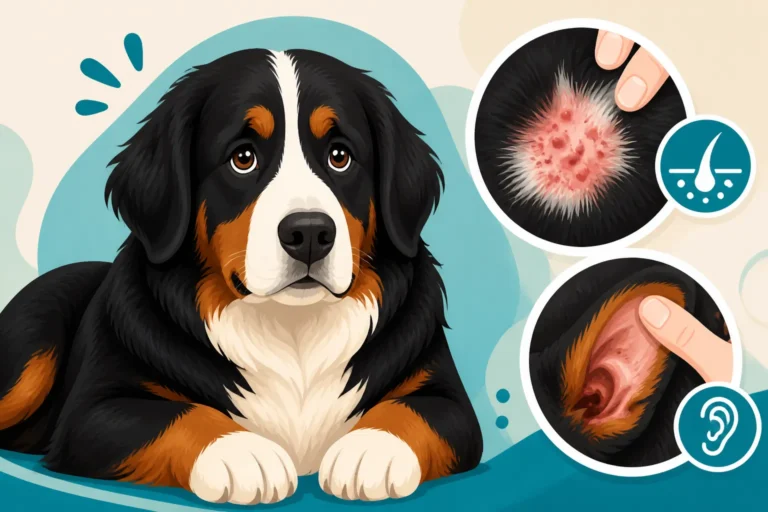
Often, the journey to a biopsy begins with a concerning symptom. For Bernese Mountain Dogs, this could be anything from a new lump or bump discovered during a loving pat, to more subtle changes in their demeanor, appetite, or mobility. Many owners share stories of finding an unexpected growth, perhaps on a leg, chest, or even internally noticed during a routine exam. These lumps are not always sinister, but given the breed's propensity for tumors, especially Histiocytic Sarcoma, every new mass warrants investigation. The first signs of histiocytic sarcoma in a Bernese Mountain Dog can sometimes be vague, like a persistent limp that doesn't resolve with rest, or simply a dog that seems "off." It’s so important not to watch and wait with any suspicious lump, particularly in a Berner. Sometimes, a general malaise, unexplained weight loss, or difficulty breathing might prompt your vet to look deeper, leading to imaging tests that reveal an internal mass. Being vigilant and reporting any unusual changes to your vet immediately can make all the difference.
Differentiating Biopsy from Other Diagnostic Tools
When a suspicious mass is found, your vet will likely start with less invasive tests. They might perform X-rays, which are great for looking at bones and general internal structures, or an ultrasound, which provides a more detailed view of soft tissues and organs. Bloodwork a Bernese Mountain Dog should have yearly might also show general signs of inflammation or organ dysfunction, but rarely points directly to a specific type of cancer. These initial diagnostics are crucial for locating the issue and assessing its size and potential spread.
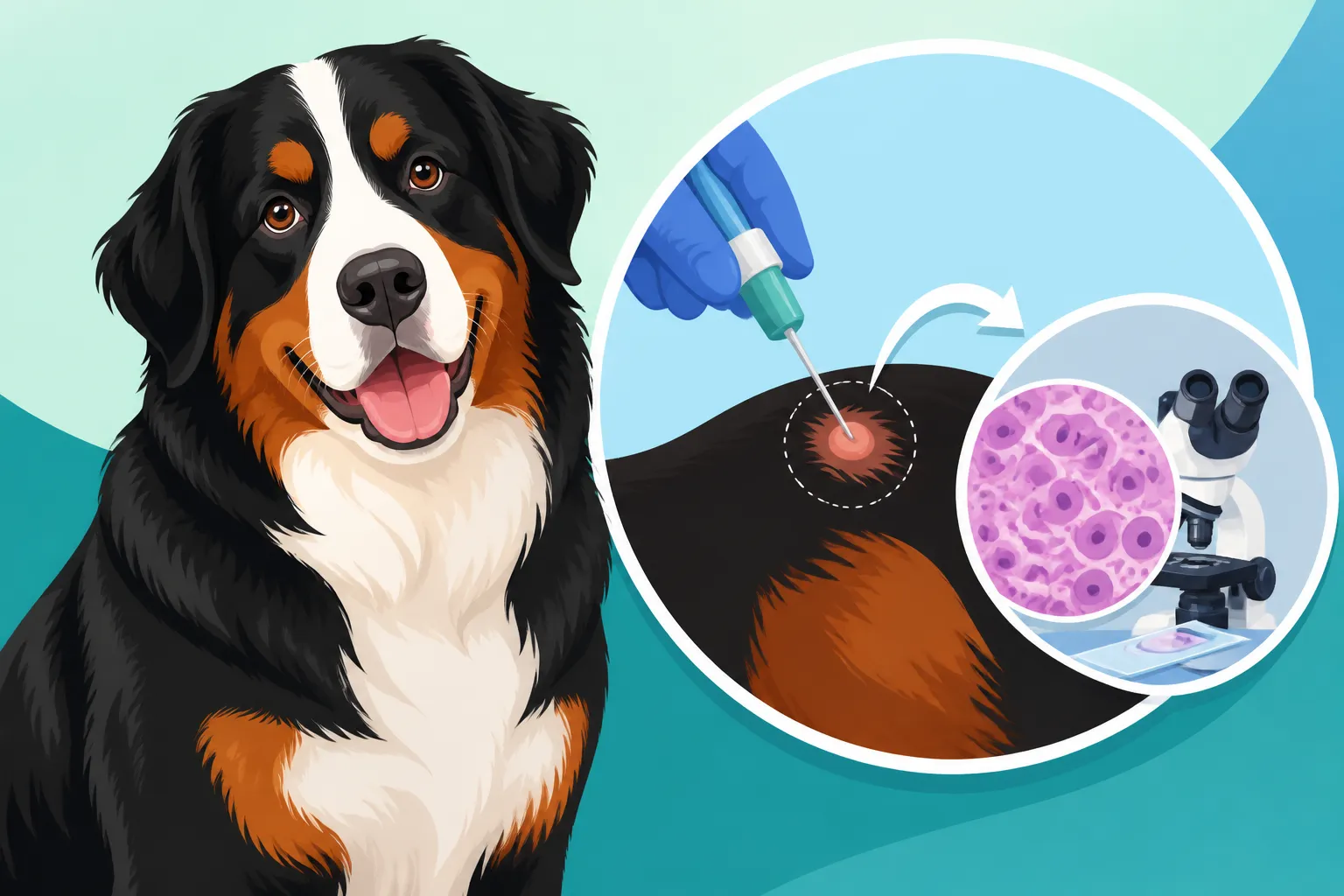
However, these imaging techniques can only tell us where something is and how big it is; they usually can't tell us what it is. This is where a biopsy becomes indispensable. While a fine needle aspirate (FNA) is often the very first step – where a small needle is inserted into the mass to collect a few cells – an FNA isn't always definitive. It can sometimes yield enough cells to give a diagnosis, especially for very common, distinct types of cells, but often, the sample is too small or not representative enough to provide a conclusive answer, particularly with the complex cell structures of certain cancers. For these cases, a true biopsy, which involves taking a larger piece of tissue, is necessary. This larger sample allows a veterinary pathologist to examine the architecture of the cells and tissues more thoroughly, offering a much more accurate diagnosis.
Types of Biopsies for Bernese Mountain Dogs
When your vet talks about a biopsy, it's not a one-size-fits-all procedure. There are several different approaches, each suited to specific situations and types of masses. The choice of biopsy method will depend on the location, size, and suspected nature of the mass, as well as the overall health of your Bernese.
Fine Needle Aspirate FNA vs. Incisional vs. Excisional Biopsy
Let's break down the common types you might encounter:
-
Fine Needle Aspirate (FNA): As mentioned, this is often the first, least invasive step. The vet inserts a very thin needle into the mass and aspirates (sucks out) a small collection of cells. It's quick, usually doesn't require sedation (though a Berner might be more cooperative with a little calming), and is relatively inexpensive. The downside is that FNAs often provide limited information. For some masses, like lipomas (benign fatty tumors), an FNA can be diagnostic. But for others, especially sarcomas, the sample might be insufficient to get a definitive answer. Think of it like trying to identify a whole building from just a few bricks – sometimes you can, sometimes you can’t.
-
Incisional Biopsy: When an FNA isn't enough, an incisional biopsy is often the next step. This involves taking a small portion of the suspicious mass. Your vet will make a small incision and remove a wedge or core of tissue, leaving the rest of the mass intact. This procedure typically requires sedation or general anesthesia, as it's more invasive than an FNA. The advantage is that it provides a larger, more representative tissue sample for the pathologist to examine. This is particularly useful when the mass is large, or its removal would be complex or debilitating, and you need a diagnosis before committing to extensive surgery or other treatments. It helps your vet plan the best approach, whether it's surgery, radiation, or chemotherapy.
-
Excisional Biopsy: This is often both a diagnostic and therapeutic procedure. An excisional biopsy means the entire mass is surgically removed. If the mass is small, easily accessible, and your vet is reasonably confident it can be removed with clear margins (a rim of healthy tissue around the tumor), they might opt for an excisional biopsy right away. This way, the whole lump is sent for pathology. If the margins are clear and the tumor is benign, then no further treatment might be needed. If it’s malignant, the pathologist will assess the type of cancer and whether all cancerous cells appear to have been removed, which then guides further treatment decisions. This is common for smaller, superficial lumps a Bernese Mountain Dog owner should not watch, but rather get checked out immediately.
Bone Marrow Biopsy and Other Specialized Procedures
Sometimes, the issue isn't a localized lump but a systemic disease, or cancer affecting the blood and bone marrow. In such cases, your Bernese might need a more specialized biopsy.
-
Bone Marrow Biopsy: This procedure involves collecting a small sample of bone marrow, usually from the hip bone (iliac crest) or sometimes the humerus. It's often recommended when there are abnormalities in blood cell counts that can't be explained by other means, or if your vet suspects a blood cancer like lymphoma or leukemia. This is a more involved procedure, requiring general anesthesia, and your Berner will need careful monitoring afterward. It provides crucial insights into the health and function of the bone marrow, where all blood cells are produced, helping to diagnose conditions that affect the entire body.
-
Punch Biopsy: For skin lesions or areas of dermatitis, a punch biopsy might be used. A specialized circular blade is used to "punch out" a small core of tissue. This usually requires local anesthesia and sometimes mild sedation, and then a stitch or two to close the site.
-
Endoscopic Biopsy: If your Berner is experiencing gastrointestinal issues or a mass is detected internally, an endoscopic biopsy might be performed. A flexible tube with a camera (endoscope) is inserted through the mouth or rectum, allowing the vet to visualize the internal organs and take tiny tissue samples using small forceps passed through the endoscope. This procedure requires general anesthesia but is less invasive than open surgery.
The choice of biopsy type is a critical decision, and your vet will discuss the pros and cons of each, considering your Bernese's specific situation and what information they need to get a clear diagnosis.
The Biopsy Process: What to Expect
The idea of your big, lovable Berner undergoing a medical procedure can be daunting. Knowing what to expect every step of the way can help ease some of that worry and prepare you for what's ahead.
Preparing Your Berner for the Procedure
Before any surgical biopsy, your vet will perform a thorough physical examination and likely recommend pre-surgical bloodwork. This is essential to ensure your Bernese Mountain Dog is healthy enough to undergo anesthesia. For a hundred-pound Bernese Mountain Dog, careful consideration of anesthesia is always paramount. They will check organ function (kidneys and liver, especially), red and white blood cell counts, and clotting abilities. If there are any concerns, these will need to be addressed before proceeding.
You'll also be instructed to withhold food for a certain number of hours before the procedure, typically overnight, to prevent nausea and aspiration during anesthesia. Water might be allowed until a few hours before. It's important to follow these instructions precisely. Discuss any medications your Berner is currently taking, as some might need to be paused or adjusted before surgery. Your vet team will go over all the details, but don't hesitate to ask questions. Understanding the process can really alleviate your stress. This is also a good time to review your pet insurance policy, especially if you have a provider like Healthy Paws, to understand what diagnostic costs might be covered.
The Procedure Itself and Anesthesia Considerations
On the day of the biopsy, you’ll drop off your Bernese at the clinic. They’ll likely be given a sedative to help them relax before general anesthesia is administered. For a large breed like a Berner, specialized care during anesthesia is crucial. The veterinary team will monitor their heart rate, breathing, blood pressure, and oxygen levels continuously throughout the procedure.
Once under anesthesia, the surgical site will be prepped – usually shaved and thoroughly cleaned. Depending on the type of biopsy, the vet will either take a small tissue sample (incisional biopsy) or remove the entire mass (excisional biopsy). If the mass is internal, more advanced imaging might be used to guide the biopsy. The tissue sample is then carefully preserved and sent to a veterinary pathology lab, which might be off-site. The incision will be closed with sutures or staples, and your Bernese will begin the recovery process from anesthesia. The duration of the procedure varies based on the type and location of the biopsy, but the team will keep you updated.
Post-Procedure Care and Waiting for Results
Once the biopsy is complete and your Bernese is recovering from anesthesia, you'll get a call to pick them up, usually later the same day, unless there are complications or a more extensive surgery was performed. You’ll receive detailed instructions for post-operative care, which will include:
- Wound care: Keeping the incision site clean and dry, watching for any signs of infection (redness, swelling, discharge). Your dog might need to wear an Elizabethan collar (e-collar or "cone") to prevent them from licking or chewing at the stitches, which can cause infection or pull them out.
- Pain management: Your vet will prescribe pain medication to keep your Berner comfortable. It’s crucial to administer this exactly as directed.
- Activity restrictions: Your dog will need to limit strenuous activity, jumping, and stairs for a certain period to allow the incision to heal properly. Leashed walks are usually fine, but no romping in the park.
- Monitoring for complications: Keep an eye out for any unusual lethargy, loss of appetite, vomiting, or difficulty breathing, and contact your vet immediately if you notice anything concerning.
The hardest part for many owners is the wait for the pathology results. This typically takes several business days, sometimes longer depending on the lab and the complexity of the sample. This period can feel like an eternity, filled with apprehension. Try to focus on keeping your Berner comfortable and distracted during this time.
Interpreting the Results and Next Steps
The pathology report is the key that unlocks the next phase of your Bernese Mountain Dog's care. It can be a dense document filled with medical terminology, but your veterinarian will walk you through it.
Understanding the Pathology Report
When the results come back, your vet will schedule a time to discuss the findings with you. The report will describe the tissue sample at a microscopic level. Key terms you’ll hear include:
- Benign: This is the best-case scenario. It means the growth is non-cancerous and won't spread to other parts of the body. If it was removed entirely (excisional biopsy), usually no further treatment is needed.
- Malignant: This means the growth is cancerous. The report will further specify the type of cancer (e.g., Histiocytic Sarcoma in a Bernese Mountain Dog, mast cell tumor, lymphoma) and often include a "grade" which indicates how aggressive the cancer is likely to be. Higher grades mean more aggressive behavior.
- Margins: If an excisional biopsy was performed, the report will mention the "surgical margins." "Clean" or "clear" margins mean that no cancer cells were found at the edges of the removed tissue, suggesting the entire tumor was removed. "Dirty" or "incomplete" margins mean cancer cells were present at the edges, indicating that some cancerous tissue may have been left behind. This is vital information for deciding if further surgery is needed.
- Mitotic Index: This refers to how many cells are actively dividing. A high mitotic index often suggests a faster-growing, more aggressive tumor.
The veterinary pathologist, who is an expert in diagnosing diseases by examining tissues, provides this detailed analysis. Their expertise is crucial for an accurate diagnosis, which is the foundation for any treatment plan.
The Impact of a Cancer Diagnosis
Receiving a cancer diagnosis for your Bernese Mountain Dog is devastating, especially knowing that cancer is the cancer that kills half of all Bernese Mountain Dogs. This news can feel overwhelming, but remember, a diagnosis is the first step towards a plan. Your vet will explain the prognosis based on the type, grade, and stage of cancer. They will also outline the available treatment options, which might include:
- Further surgery: If margins were incomplete or if there are other accessible tumors.
- Chemotherapy: Often used for systemic cancers or to prevent spread after surgery. Treating cancer in a Bernese Mountain Dog might involve a series of chemotherapy sessions.
- Radiation therapy: Targeted treatment for specific tumors, especially those that can't be fully removed surgically.
- Palliative care: Focusing on maintaining your dog's quality of life and managing pain, especially for advanced cancers.
The financial implications of treating cancer can be substantial. What oncology bills reach for a Bernese Mountain Dog can be many thousands of dollars, easily. This is where pet insurance, particularly a comprehensive plan like those offered by Healthy Paws, can be a lifesaver, helping to offset the considerable costs of diagnostics and treatment. The age histiocytic sarcoma reaches a Bernese Mountain Dog is often tragically young, making the prospect of significant medical bills even more challenging to face.
When the Biopsy is Inconclusive or Requires Further Action
Sometimes, even with a biopsy, the results aren't perfectly clear. This can be incredibly frustrating. An "inconclusive" result might mean that the sample wasn't large enough, or that the pathologist saw unusual cells but couldn't definitively classify them. In such cases, your vet might recommend:
- Another biopsy: Possibly using a different technique or taking samples from multiple areas.
- Referral to a specialist: An oncology or internal medicine specialist might have more advanced diagnostic tools or expertise.
- Monitoring: If the mass is stable and your dog is otherwise healthy, a period of watchful waiting might be recommended, with follow-up imaging.
It's also possible that the biopsy confirms one issue, but further tests are needed to understand the full extent of the disease. For instance, if cancer is diagnosed, your vet might recommend additional imaging (like a CT scan) to check for metastasis (spread) to other organs. The more information gathered, the more precise and effective the treatment plan can be.
Financial Considerations and Support
Understanding the financial aspects of a biopsy and potential follow-up care is a crucial, if often stressful, part of the journey. These procedures can be costly, and being prepared can make a big difference.
The Cost of a Biopsy and Related Diagnostics
The cost of a biopsy for a Bernese Mountain Dog can vary widely depending on the type of biopsy, the veterinary clinic's location, and any additional diagnostics or care needed.
Here’s a general breakdown:
| Biopsy Type | Typical Cost Range (USD) | What's Included |
|---|---|---|
| Fine Needle Aspirate (FNA) | $50 – $250 | Sample collection, basic cytology reading. |
| Punch Biopsy | $200 – $500 | Local anesthesia, tissue collection, pathology. |
| Incisional Biopsy | $500 – $1,500 | Pre-anesthetic bloodwork, sedation/anesthesia, surgical removal of tissue, pathology. |
| Excisional Biopsy | $800 – $3,000+ | Pre-anesthetic bloodwork, general anesthesia, full surgical removal, pathology, post-op medications. |
| Bone Marrow Biopsy | $1,000 – $2,500+ | General anesthesia, bone marrow sample collection, specialized pathology. |
| Endoscopic Biopsy | $1,000 – $3,000+ | General anesthesia, endoscopy procedure, tissue collection, pathology. |
These costs are often just for the biopsy itself and the pathology report. They don't include potential initial diagnostics like X-rays or ultrasounds, follow-up specialist consultations, or any subsequent treatments like chemotherapy or further surgery. The cumulative effect of diagnostic bills can quickly add up, leaving many owners feeling overwhelmed.
Leveraging Pet Insurance for Major Health Issues
This is where pet insurance becomes invaluable, especially for a breed like the Bernese Mountain Dog that is predisposed to expensive health issues. Insuring a Bernese Mountain Dog against cancer can offer significant peace of mind. Companies like Healthy Paws are well-regarded for their comprehensive coverage.
Here's how pet insurance typically helps:
- Coverage for Accidents & Illnesses: Most comprehensive plans cover diagnostic tests, including biopsies, as well as treatments for unexpected illnesses like cancer. This means a significant portion of those hefty bills could be reimbursed.
- Deductibles and Reimbursement: You’ll typically pay an annual deductible first, and then your insurance provider will reimburse a percentage (e.g., 70-90%) of the eligible veterinary expenses.
- Importance of Early Enrollment: The crucial thing with pet insurance is to enroll your Bernese before any symptoms or diagnoses appear. Conditions diagnosed before enrollment are considered "pre-existing" and usually won't be covered. If you suspect your Bernese Mountain Dog may have cancer, and you don't have insurance, it's generally too late to get coverage for that specific condition. This highlights why it's so important to have a policy in place from a young age.
Beyond insurance, don't hesitate to discuss financial options with your vet. Many clinics offer payment plans, or you might look into veterinary aid organizations or charities that specifically help with cancer treatment costs. Organizations like the Bernese Mountain Dog Club of America sometimes have resources or grants available for breed-specific health issues. Every option is worth exploring to ensure your beloved Berner gets the care they need.
Disclaimer
The information provided in this article is for general informational purposes only and is not intended as a substitute for professional veterinary advice. Always seek the advice of your veterinarian or other qualified animal health provider with any questions you may have regarding a medical condition or treatment for your Bernese Mountain Dog. Never disregard professional veterinary advice or delay in seeking it because of something you have read in this article.