What Share of Bernese Mountain Dogs Die of Tumors
It's a conversation no Berner parent ever wants to have, but it's an undeniable truth: cancer is a prevalent and devastating concern for our beloved Bernese Mountain Dogs. Many of us are acutely aware that our beautiful, gentle giants often leave us far too soon, and often, it's cancer that steals them away. This guide will delve into the sobering statistics, discuss the specific types of tumors that commonly affect Berners, and help you understand what share of Bernese Mountain Dogs die from these heartbreaking diseases.
The Sobering Statistics Behind Cancer in Bernese Mountain Dogs
When you open your heart and home to a Bernese Mountain Dog, you sign up for immense joy, endless cuddles, and a companionship that truly enriches your life. But you also, almost invariably, sign up for a shorter journey than with many other breeds, and a significant part of that heartbreaking reality is the prevalence of cancer. It’s not just a concern; it’s the leading cause of death for Berners.
Understanding the High Incidence Rate
The truth can be hard to swallow, but it’s crucial for every Bernese Mountain Dog owner to understand: over half of all Bernese Mountain Dogs will, sadly, succumb to cancer. This isn't a rare occurrence or an anomaly; it's a deeply ingrained challenge within the breed. For many owners, it feels like a ticking clock, a shadow that hangs over their otherwise joyous life with their Berner. Imagine loving a dog so profoundly, knowing that the odds are stacked against them living a long, full life due to this one disease. It’s a statistic that impacts countless families and shapes the way we care for and cherish every moment with our furry friends.
This isn't just a grim number; it represents countless individual stories of hope and heartbreak. Many Bernese Mountain Dog owners can recount their own experiences with losing a beloved companion to a tumor, often far too young. It's a collective grief within the Berner community, driving much of the health research and discussions among dedicated breeders and enthusiasts. The fact that roughly 50% of these dogs face this fate is a stark reminder of the unique health challenges inherent in the breed, challenges that require constant vigilance and informed decision-making from owners. Knowing this percentage upfront helps temper expectations and encourages proactive health management, even though it never truly softens the blow when it happens.
Why Berners Are Particularly Susceptible to Tumors
The reasons behind this alarming incidence rate are complex, but genetics play a substantial role. Bernese Mountain Dogs, like many purebreds, have a relatively small gene pool, and unfortunately, certain genetic predispositions have become concentrated over generations. It's not a fault of individual breeders who are doing their best; rather, it’s a deeply rooted issue that has evolved through the breed's history. The specific types of cancer that are most common in Berners, particularly histiocytic sarcoma, point towards a genetic vulnerability that researchers are still working tirelessly to understand and mitigate.
There's a strong scientific consensus that the high rate of cancer, especially histiocytic sarcoma, is heritable in Bernese Mountain Dogs. This means it's passed down through genetic lines. It’s not about poor breeding practices in the sense of irresponsible care, but rather the unavoidable challenge of working with a breed where a significant portion of the genetic lineage carries this predisposition. Organizations like the Bernese Mountain Dog Club of America (BMDCA) and the Berner-Garde Foundation are dedicated to collecting health data and supporting research into these genetic links. Their work is vital in identifying lines that may be more at risk and helping breeders make more informed choices, ultimately hoping to improve the breed’s overall health and lifespan. It's a slow, arduous process, but the dedication of these groups offers a glimmer of hope for future generations of these magnificent dogs. If you're wondering Whether Cancer Is Bred Into the Bernese Mountain Dog, the answer, in short, is yes, to a significant extent.
The Common Cancer Culprits Affecting Our Beloved Berners
While cancer is a broad term, for Bernese Mountain Dogs, a few specific types stand out as particularly prevalent and aggressive. Understanding these specific forms of cancer can help owners be more vigilant and informed, though it certainly doesn't make the diagnosis any easier.
Histiocytic Sarcoma: The Berner's Nemesis
If there's one word that sends a chill down the spine of every Bernese Mountain Dog owner, it's "histiocytic sarcoma," often abbreviated as HS. This is the single most common and devastating cancer in the breed. It's an aggressive and rapidly progressive tumor that can appear almost anywhere in the body, making it incredibly insidious. We're talking about a cancer that can affect the lungs, spleen, lymph nodes, bone marrow, skin, and even the brain. The diffuse nature of this cancer means it can manifest in a myriad of symptoms, from a subtle limp that seems to come and go, to unexplained lethargy, weight loss, or persistent coughing.
Diagnosing histiocytic sarcoma can be particularly challenging because its symptoms are so non-specific in the early stages. A limp might be mistaken for arthritis, a cough for allergies, or fatigue for just a lazy day. By the time a definitive diagnosis is made, often through biopsies or advanced imaging like CT scans, the disease is frequently quite advanced. The speed with which it progresses is truly heartbreaking; one day your Berner seems fine, the next you're facing a devastating prognosis. Treatment options are limited, and while chemotherapy can sometimes buy a few precious months, the outcome is often grim. This reality underscores why Bernese Mountain Dog owners live with a constant, underlying worry about this particular disease. For more detailed information on Histiocytic Sarcoma in a Bernese Mountain Dog, it's a good idea to educate yourself on its intricacies.
Other Significant Cancer Risks: Lymphoma and Mast Cell Tumors
While histiocytic sarcoma often dominates the conversation due to its prevalence and aggression in Berners, two other types of cancer are also alarmingly common in the breed: lymphoma and mast cell tumors. Lymphoma, a cancer of the lymphatic system, which is part of the immune system, can appear in various forms. It often presents as swollen lymph nodes, but it can also affect organs like the spleen, liver, and gastrointestinal tract. Berners are known to be susceptible to certain types of lymphoma, and while it can sometimes be treated with chemotherapy, the prognosis depends heavily on the specific type and stage of the disease.
Mast cell tumors are another frequent concern for Bernese Mountain Dog owners. These tumors originate from mast cells, which are part of the immune system and are found throughout the body. They can appear on or under the skin, or internally on organs. The tricky thing about mast cell tumors is their unpredictable nature; some are benign and easily removed, while others are highly aggressive and can spread rapidly. Any new lump or bump on a Bernese Mountain Dog should be taken seriously and biopsied promptly to determine if it’s a mast cell tumor and, if so, its grade. Early detection and complete surgical removal are crucial for better outcomes. Learning about Lymphoma and Mast Cell Tumors in a Bernese Mountain Dog can help you recognize the signs and seek timely veterinary attention.
Age and Cancer Onset: When to Be Most Vigilant
One of the most devastating aspects of cancer in Bernese Mountain Dogs is the relatively young age at which it often strikes. Unlike many breeds where cancer is predominantly a disease of old age, Berners frequently receive diagnoses when they are still in what many would consider their prime. It's not uncommon for a Bernese Mountain Dog to be diagnosed with an aggressive cancer, particularly histiocytic sarcoma, between the ages of four and seven years old. This is a time when they should be enjoying the peak of their lives, full of energy and playful spirit, not battling a terminal illness. It's a stark reminder of Why a Bernese Mountain Dog Lives Only Seven or Eight Years, with cancer being a primary factor in this shortened lifespan.
This tragically early onset means that vigilance isn't something to put off until your Berner is considered a "senior." From the moment they reach young adulthood, typically around two or three years of age, owners need to be acutely aware of any changes in their dog's health or behavior. Regular veterinary check-ups become even more critical during these middle years, and any suspicious symptoms should be investigated without delay. While screening an older Bernese Mountain Dog is always important, the reality for Berners is that we often need to be thinking about cancer much sooner in their lives, making proactive and informed care paramount throughout their lifespan. This often means regular wellness visits and open conversations with your vet about breed-specific risks.
Navigating a Diagnosis and Supporting Your Berner
Receiving a cancer diagnosis for your Bernese Mountain Dog is undeniably one of the most heartbreaking experiences a pet owner can face. The shock, grief, and fear are overwhelming. However, understanding the journey ahead and being prepared, both emotionally and practically, can make a difference in how you navigate this challenging time.
Recognizing Early Warning Signs
Because cancer can progress so rapidly in Berners, especially aggressive forms like histiocytic sarcoma, recognizing early warning signs is absolutely critical. Unfortunately, these signs can be incredibly subtle and easily dismissed, making them hard to spot. You might notice a slight, intermittent limp that disappears after a few days, making you think it was just a sprain from playing too hard. Or perhaps your dog is a bit more tired than usual, sleeping a little longer, which you might attribute to a particularly active weekend or just getting older. Keep an eye out for changes in appetite or a reluctance to eat, unexplained weight loss, or any new lumps, bumps, or swelling on their body. A persistent cough that isn't resolving could also be a red flag.
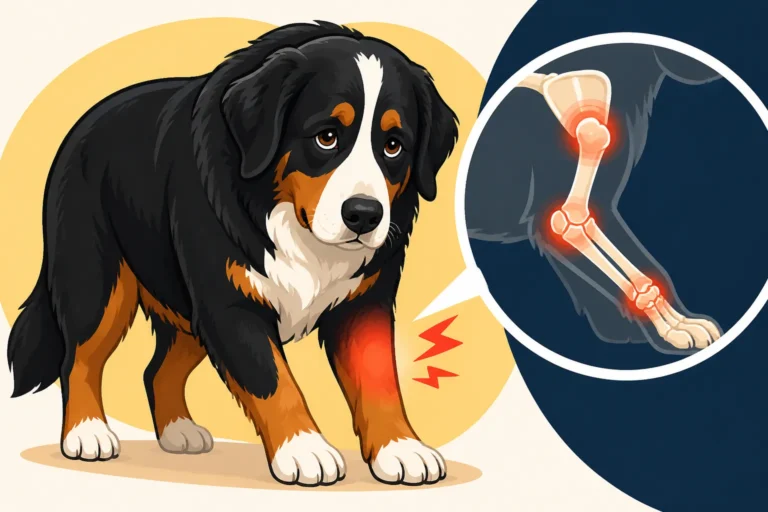
The key is to pay close attention to your Berner's baseline behavior and energy levels. Even a minor shift, if it persists for more than a day or two, warrants a call to your veterinarian. Don't dismiss these changes as "just old age" or a minor tweak. For instance, a limp that seems to shift from one leg to another, or even affects their gait without clear lameness, can be an indicator of bone or joint involvement with certain cancers. It’s also vital to routinely perform a "lump check" during your regular cuddles. Feel along their body, under their armpits, along their legs, and in their groin area. If you find any new lumps or bumps, no matter how small, get them checked out immediately. When it comes to Lumps a Bernese Mountain Dog Owner Should Not Watch, it’s better to be overly cautious than to wait and regret.
The Importance of Proactive Veterinary Care
Given the breed's predisposition to cancer, proactive and consistent veterinary care is not just advisable; it's essential for Bernese Mountain Dog owners. This goes beyond routine vaccinations and annual check-ups. It means having ongoing, honest conversations with your veterinarian about breed-specific health risks and what preventive or early detection screenings might be appropriate for your Berner. Regular wellness exams should include a thorough physical palpation by the vet, checking for any subtle abnormalities that you might miss.
As your Bernese Mountain Dog matures, especially from age three or four onwards, discussing a more comprehensive health panel becomes crucial. This can include bloodwork that checks organ function and blood counts, which might reveal subtle signs of illness before clinical symptoms become obvious. For dogs with any suspicious symptoms, diagnostic tools like X-rays, ultrasounds, and even advanced imaging like CT scans or MRIs might be recommended. Don't shy away from these conversations or procedures if your vet suggests them, especially if you're concerned about a symptom like a persistent limp. It's important to know Whether a Limping Bernese Mountain Dog Should Be Scanned because early detection can make a significant difference in treatment options and quality of life. Investing in regular care and staying ahead of potential issues is one of the best ways to honor the limited time we have with our beloved Berners.
Emotional and Financial Considerations
When a cancer diagnosis hits, it's not just your Berner who is affected; it’s the entire family. The emotional toll can be immense, leading to feelings of grief, guilt, confusion, and fear. It’s okay to feel overwhelmed. Caring for a dog with cancer is a journey filled with ups and downs, requiring incredible strength and resilience. Beyond the emotional burden, the financial implications of cancer treatment for a large breed like a Bernese Mountain Dog can be staggering. Diagnostics alone, such as X-rays, ultrasounds, biopsies, and CT scans, can quickly run into thousands of dollars. Once a diagnosis is made, treatment options like surgery, chemotherapy, and radiation therapy can push those costs even higher.
This is where pet insurance becomes not just a helpful tool, but often a financial lifeline. While it's heartbreaking to think about, having a comprehensive pet insurance policy can alleviate some of the crushing financial stress, allowing you to focus on your Berner's care rather than worrying about astronomical vet bills. Many owners find policies from companies like Healthy Paws incredibly valuable when facing a cancer diagnosis, as these plans often cover a significant portion of diagnostic tests, treatments, and even emergency care. Researching pet insurance options, like those offered by Healthy Paws, early in your Berner's life can provide peace of mind and ensure you can make treatment decisions based on what's best for your dog, not just your wallet. Understanding What Oncology Bills Reach for a Bernese Mountain Dog can help you prepare and appreciate the value of such coverage.
It's also essential to be realistic about the prognosis and quality of life. While we all want to fight for every possible moment, sometimes the kindest decision is to prioritize comfort over aggressive, debilitating treatments. This is an incredibly personal and painful choice, one that you'll ideally make in close consultation with your veterinarian and family. Thinking about Deciding When to Stop Treating a Bernese Mountain Dog is a testament to the depth of your love and commitment.
Common Bernese Mountain Dog Cancer Overview
Here's a quick look at some of the most common cancers affecting Bernese Mountain Dogs, their typical onset, and treatment approaches. Remember, these are general guidelines, and every dog's situation is unique.
| Cancer Type | Common Age of Onset | Key Characteristics | Typical Prognosis | Common Treatment Modalities |
|---|---|---|---|---|
| Histiocytic Sarcoma | 4-7 years (often younger) | Highly aggressive, rapidly spreading, can affect multiple organs (lungs, spleen, lymph nodes, bone). Symptoms vary widely. | Very poor (weeks to months) | Chemotherapy, sometimes surgery (if localized), palliative care |
| Lymphoma | 4-8 years | Affects lymph nodes and lymphatic system, can be systemic or localized. Often presents as swollen lymph nodes. | Variable (months to 1-2 years with treatment) | Chemotherapy, sometimes radiation, immunotherapy |
| Mast Cell Tumors | Any age (often middle to older) | Can appear on or under the skin, or internally. Highly variable in aggression; some are benign, others aggressive and metastatic. | Variable (excellent to poor, depending on grade and location) | Surgery (wide margins), radiation, chemotherapy, targeted therapies |
| Osteosarcoma | 6+ years | Aggressive bone cancer, often affects long bones (legs). Presents with severe lameness, swelling, and pain. | Poor (months, even with treatment) | Amputation (if applicable), chemotherapy, pain management |
| Hemangiosarcoma | 6+ years | Cancer of blood vessel lining, often affects spleen, heart, or liver. Can cause sudden internal bleeding. | Very poor (weeks to few months) | Surgery (if possible), chemotherapy, supportive care |
Disclaimer
The information provided in this guide is intended for educational and informational purposes only and does not constitute veterinary advice. Always consult with a qualified veterinarian for any health concerns or before making any decisions about your Bernese Mountain Dog's medical care.