Deciding When to Stop Treating a Bernese Mountain Dog
One of the most agonizing challenges for any Bernese Mountain Dog owner is facing the inevitable decline in their beloved companion's health. When your Berner is battling a serious illness, it's incredibly tough to know when you're helping them and when further treatments might be causing more distress than relief. This comprehensive guide is here to help you navigate those heart-wrenching decisions, focusing on assessing your dog's quality of life and making choices rooted in compassion.
Understanding Your Berner's Quality of Life
It's a question that keeps many Berner parents up at night: "Is my dog truly happy, or am I just prolonging suffering?" Understanding your Bernese Mountain Dog's quality of life isn't about human expectations; it's about what brings them joy, comfort, and a sense of normalcy in their world. These big, loving dogs often hide their discomfort, making the assessment even harder.
Defining "Good" for Your Dog
For a Bernese Mountain Dog, "good" usually means being able to enjoy their favorite activities, even if those activities are simplified. It's about being free from constant pain, having a good appetite, maintaining hydration, and being able to interact with their family in a meaningful way. Their simple pleasures might be a gentle stroll, rolling in the grass, a favorite treat, or just resting their head on your lap. When these simple joys are consistently overshadowed by pain, nausea, or profound weakness, it's a sign that their definition of "good" might be slipping away.
It's vital to remember that dogs live in the present. They don't dwell on past health or worry about future treatments. Their current moment dictates their happiness. If their current moments are predominantly filled with discomfort or anxiety due to their condition or ongoing medical interventions, their quality of life is severely impacted. Many Berners, being the stoic and eager-to-please companions they are, will try their best to mask their pain or discomfort. It's a sad truth that Whether a Bernese Mountain Dog Hides Discomfort, making us, their humans, responsible for looking even closer. A slight hesitation before jumping on the couch, a subtle shift in how they lie down, or a fleeting grimace you catch when they think you're not looking can speak volumes.
The Quality of Life Assessment
To help objectively evaluate your Bernese Mountain Dog's quality of life, veterinarians often use frameworks that consider several key areas. While there isn't one universal "score," focusing on these elements can provide a clearer picture:
| Factor | Good Quality of Life | Declining Quality of Life |
|---|---|---|
| Pain | Well-managed, dog is comfortable and at ease. | Uncontrolled, dog frequently vocalizes, limps, or restless. |
| Appetite | Eats regularly with enthusiasm, enjoys treats. | Refuses food, struggles to eat, significant weight loss. |
| Hydration | Drinks adequately, maintains good energy. | Dehydrated, lethargic, reduced water intake. |
| Hygiene | Manages to keep clean, minimal incontinence. | Frequent accidents, difficulty standing to relieve self. |
| Happiness | Engages with family, shows interest in surroundings. | Withdrawn, disinterested, seeks isolation. |
| Mobility | Able to move independently, enjoys walks (even short). | Struggles to stand, falls, can't navigate home easily. |
| Breathing | Calm, unlabored breathing at rest. | Labored breathing, coughing, panting heavily when still. |
By consistently monitoring these factors, perhaps even keeping a daily log, you can track trends rather than isolated incidents. Is your Berner's appetite consistently poor? Are their "good" days becoming increasingly rare? A Berner who was once a boisterous companion might now spend most of their time sleeping, reluctant to engage. These subtle changes, observed over time, are critical indicators. For instance, if your dog is struggling with joint issues, like Joint Disease in a Hundred Pound Bernese Mountain Dog, their mobility will be significantly impacted, and managing that pain becomes paramount to their overall well-being.
Recognizing the Signs It's Time to Re-evaluate Treatment
The decision to change or stop treatment is deeply personal and incredibly difficult. It’s not about giving up, but about shifting focus to comfort and dignity when a cure or significant improvement is no longer realistic. Observing specific physical and behavioral changes, as well as considering the impact of treatment itself, are crucial steps in this process.
Physical and Behavioral Changes to Observe
Your Bernese Mountain Dog communicates their state through their actions and reactions, even when they can't speak. Look for patterns in these areas:
- Persistent Pain: This is perhaps the most critical sign. While some discomfort is expected with illness, uncontrolled or constant pain is a clear indicator that their quality of life is severely diminished. Watch for limping, reluctance to move, whining, restlessness, panting even at rest, or aggression when touched. If your dog is battling conditions like Histiocytic Sarcoma in a Bernese Mountain Dog, pain management becomes an all-consuming focus.
- Loss of Appetite and Thirst: A Berner who once devoured meals with gusto now turning their nose up at food, or struggling to drink water, is a significant red flag. Chronic nausea, difficulty swallowing, or a general disinterest in eating can lead to rapid weight loss and weakness.
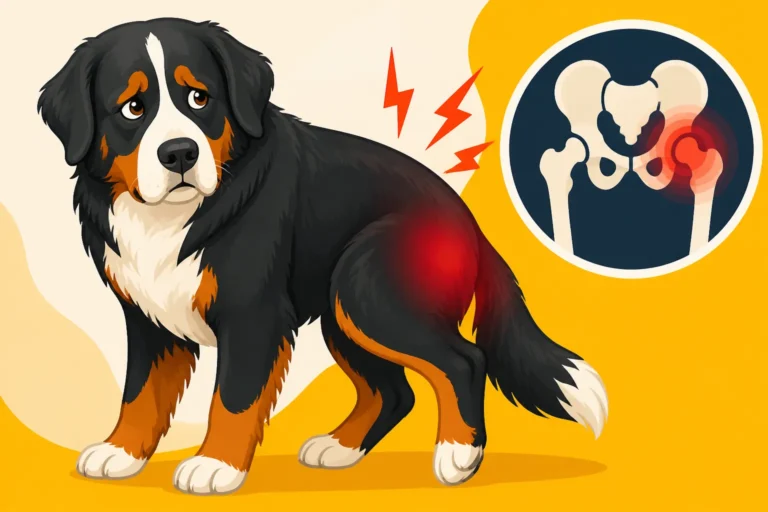
- Severe Mobility Issues: These gentle giants rely on their ability to move, even just to shift positions comfortably. If they can no longer stand or walk without extreme difficulty, assistance, or pain, it impacts their ability to relieve themselves, eat, drink, or even just find a comfortable spot. Conditions like The Bernese Mountain Dog Whose Back Legs Give Out can lead to severe mobility challenges.
- Incontinence and Poor Hygiene: While accidents can happen, persistent incontinence where your dog cannot control their bladder or bowels, coupled with an inability to clean themselves, leads to discomfort, skin infections, and a loss of dignity. This can also be incredibly stressful for both dog and owner.
- Withdrawal and Lack of Interest: A healthy Berner is typically engaged with their family and surroundings. If your dog is withdrawn, uninterested in toys, walks, or even your presence, or seeks to hide away, it indicates a profound unhappiness or discomfort. They might no longer greet you at the door or even lift their head when you enter the room.
- Difficulty Breathing: Labored breathing, consistent coughing, or gasping for air, especially at rest, is a sign of severe distress and warrants immediate veterinary attention. This is not a state a dog can comfortably live in for an extended period.
These signs, especially when combined, paint a picture of a dog whose body is failing, and for whom the joy of life is being replaced by struggle.
When Treatment Becomes a Burden
Sometimes, the very treatments intended to help can become a source of stress and suffering for your Bernese Mountain Dog. It's a cruel irony, but one we must acknowledge.
- Stressful Veterinary Visits: Frequent trips to the vet for injections, fluid therapy, or examinations can be terrifying for a dog, especially if they are already feeling weak or unwell. For a large dog like a Berner, the logistics alone can be challenging, let alone the emotional toll on them.
- Side Effects of Medication: Chemotherapy, steroids, and other powerful drugs often come with side effects like nausea, vomiting, diarrhea, lethargy, or extreme hunger/thirst. While some side effects are manageable, if they are severe and consistently diminish your dog's quality of life, it's worth questioning if the benefit outweighs the burden. For those managing cancer, Treating Cancer in a Bernese Mountain Dog involves constant evaluation of these trade-offs.
- Aggressive Procedures with Limited Prognosis: Undergoing surgeries, extensive diagnostics like CT scans, or invasive treatments, especially when the prognosis is poor or the expected extension of life is very short, can cause more suffering than relief. It's essential to have honest conversations with your vet about realistic outcomes. Sometimes, even with the best intentions, the focus needs to shift to Palliative Care for a Bernese Mountain Dog rather than curative measures.
- Financial Strain: The cost of advanced veterinary care for a large breed like a Bernese Mountain Dog can be astronomical. What Oncology Bills Reach for a Bernese Mountain Dog can quickly climb into the tens of thousands. While love knows no price, there's a point where the financial strain becomes unsustainable, and guilt shouldn't play a role in this. Having pet insurance, like a comprehensive plan from Healthy Paws, can certainly alleviate some of this burden, allowing you more options, but even with insurance, tough decisions remain. Understanding your policy's annual limits and coverage for specific treatments is crucial to avoid unexpected out-of-pocket expenses.
- Time Commitment and Impact on Your Life: Caring for a seriously ill dog often requires immense time and energy—administering medications, assisting with mobility, managing accidents, and making frequent vet visits. While you'd do anything for your Berner, it's okay to acknowledge the profound impact this has on your own life and well-being, especially if it's impacting your ability to function or care for other family members.
When treatments consistently cause more distress than comfort, or offer only a marginal, temporary improvement, it's a sign that the focus should pivot from treatment to ensuring peaceful, dignified last days.
Navigating Difficult Conversations and Decisions
Making the decision to stop treating or to euthanize your Bernese Mountain Dog is one of the hardest things a pet owner will ever do. It's often compounded by guilt, fear, and profound grief. But this decision, made out of love, is the final act of kindness you can offer your loyal companion.
Communicating with Your Veterinary Team
Your veterinarian is your most important partner during this time. They can provide an objective assessment of your Berner's condition and help you understand the prognosis. Don't hesitate to ask difficult questions, even if they're painful to hear:
- "If this were your dog, what would you do?"
- "What is the most humane course of action at this point?"
- "What is the expected outcome of continuing this treatment, and what are the potential side effects?"
- "Are we treating the disease or the dog? Are we causing more stress than comfort?"
- "What does a 'good day' look like for a dog in this condition?"
- "What are the indicators that my Berner is experiencing significant pain or distress that I might be missing?"
It's also completely acceptable to seek a second opinion. Another veterinarian might offer a fresh perspective or alternative palliative options you hadn't considered. Discuss openly the financial implications too; managing What Oncology Bills Reach for a Bernese Mountain Dog can be overwhelming, and your vet may have suggestions for more affordable palliative care options or payment plans. A good pet insurance provider, like Healthy Paws, can be a lifesaver in these scenarios, covering a significant portion of emergency or ongoing treatment costs, thus allowing you to focus on your Berner's needs without immediate financial panic. However, even with insurance, the ethical and emotional questions of extending life versus quality of life remain paramount.
When faced with a terminal diagnosis, such as The Cancer That Kills Half of All Bernese Mountain Dogs, understanding the timeline, such as The Weeks Left After a Bernese Mountain Dog's Diagnosis, becomes a critical part of planning and decision-making. Your vet can help you understand the natural progression of the disease and what to expect.
The Emotional Toll on Pet Parents
The grief associated with anticipating or making an end-of-life decision for your Bernese Mountain Dog is immense and often underestimated by those who haven't experienced it. It's not "just a dog"; it's a family member, a confidant, a source of unconditional love.
- Guilt: You might feel guilty for considering stopping treatment, for not noticing signs earlier, or for feeling relieved when the suffering ends. These feelings are normal, but it's important to remember that you are making a decision out of love and a desire to spare your dog further pain.
- Anticipatory Grief: The period leading up to an end-of-life decision can be incredibly draining, filled with a profound sadness for the loss that is yet to come. You might find yourself crying frequently, struggling to focus, or feeling emotionally exhausted.
- Loneliness and Misunderstanding: Not everyone understands the depth of the bond you share with your Berner. You might feel isolated or as though you can't express the full extent of your pain to others.
- Decision Fatigue: The constant monitoring, the weighing of options, and the emotional burden of care can lead to significant fatigue. It's okay to acknowledge this and seek support.
Remember that saying goodbye, especially to a breed known for its gentle, loving nature, is perhaps the ultimate act of selflessness. It means prioritizing their peace over your own pain. Many Berner owners face this decision at a tragically young age for their beloved companions, with The Average Age a Bernese Mountain Dog Reaches being much shorter than other large breeds. Even with those who beat the odds, The Bernese Mountain Dog That Reaches Twelve is rare, and their final years often involve navigating complex health challenges. This makes the eventual farewell no less heartbreaking.
Support Systems and Resources for Berner Parents
You don't have to navigate this journey alone. There are many resources available to support you and your family through the end-of-life process and beyond.
Seeking Professional Guidance and Support
- Veterinary Support Staff: Your veterinary clinic's team often has experience with pet loss and can offer guidance, answer questions, and provide resources. Many vet techs and receptionists have experienced similar losses themselves.
- Pet Loss Support Groups: These groups, often run by trained counselors, provide a safe space to share your feelings with others who understand. Many are available online or via telephone, making them accessible no matter where you live.
- Grief Counseling: If your grief feels overwhelming or prolonged, a professional grief counselor specializing in pet loss can provide strategies and support to help you cope.
- In-Home Euthanasia Services: For many Bernese Mountain Dog owners, allowing their beloved pet to pass peacefully at home, surrounded by loved ones in a familiar environment, can be a great comfort. Services like Lap of Love offer compassionate in-home euthanasia, making the process less stressful for your dog. This avoids the stress of a vet clinic visit and allows for a truly peaceful transition. Choosing Deciding When to Let a Paralyzed Bernese Mountain Dog Go or when to say goodbye to any ailing Berner is eased slightly by the option of a familiar setting.
- Hospice Care: For some Berners, hospice care can offer comfort and quality of life in their final weeks or months. This might involve specialized pain management, nutritional support, and making environmental adjustments at home.
Remember, it's okay to ask for help and to lean on these resources. Your well-being matters too, as you process this profound loss. Pet insurance plans like those from Healthy Paws sometimes offer wellness riders or even limited coverage for end-of-life services, which can be an unexpected comfort during a stressful time.
Remembering Your Beloved Berner
Even after making the heartbreaking decision, your bond with your Bernese Mountain Dog continues. Finding ways to remember and honor them can be an important part of the healing process.
- Memorials and Keepsakes: Consider creating a paw print, a nose print, or having a lock of their fur. Many companies offer beautiful urns, memorial stones, or custom jewelry incorporating your Berner's fur or ashes.
- Photo Albums and Memory Boxes: Gather your favorite photos and mementos to create a tangible collection of memories. Looking back on the joyful times can be a source of comfort.
- Donations in Their Name: Many owners choose to honor their pets by donating to animal rescues, breed-specific organizations like the Bernese Mountain Dog Club of America, or research funds dedicated to canine health, especially those researching conditions prevalent in the breed, such as cancer.
- Planting a Tree or Garden: Creating a living memorial can be a beautiful way to remember your Berner and watch something grow in their honor.
- Sharing Stories: Talk about your Berner. Share anecdotes and memories with friends and family. Keeping their spirit alive through stories is a powerful way to remember the joy they brought into your life. Even if Whether a Bernese Mountain Dog Ever Grows Senile in their later years, the memories of their vibrant youth and companionship remain clear and cherished.
Saying goodbye is never easy, but by understanding your Bernese Mountain Dog's needs, recognizing the signs of their decline, and utilizing available support, you can make informed, compassionate decisions that prioritize their comfort and dignity above all else. Your Berner deserves nothing less than your selfless love, right up to their very last moments.
Disclaimer
The information provided in this guide is for informational purposes only and does not constitute veterinary medical advice. Always consult with a qualified veterinarian for any health concerns or before making any decisions about your Bernese Mountain Dog's treatment plan.