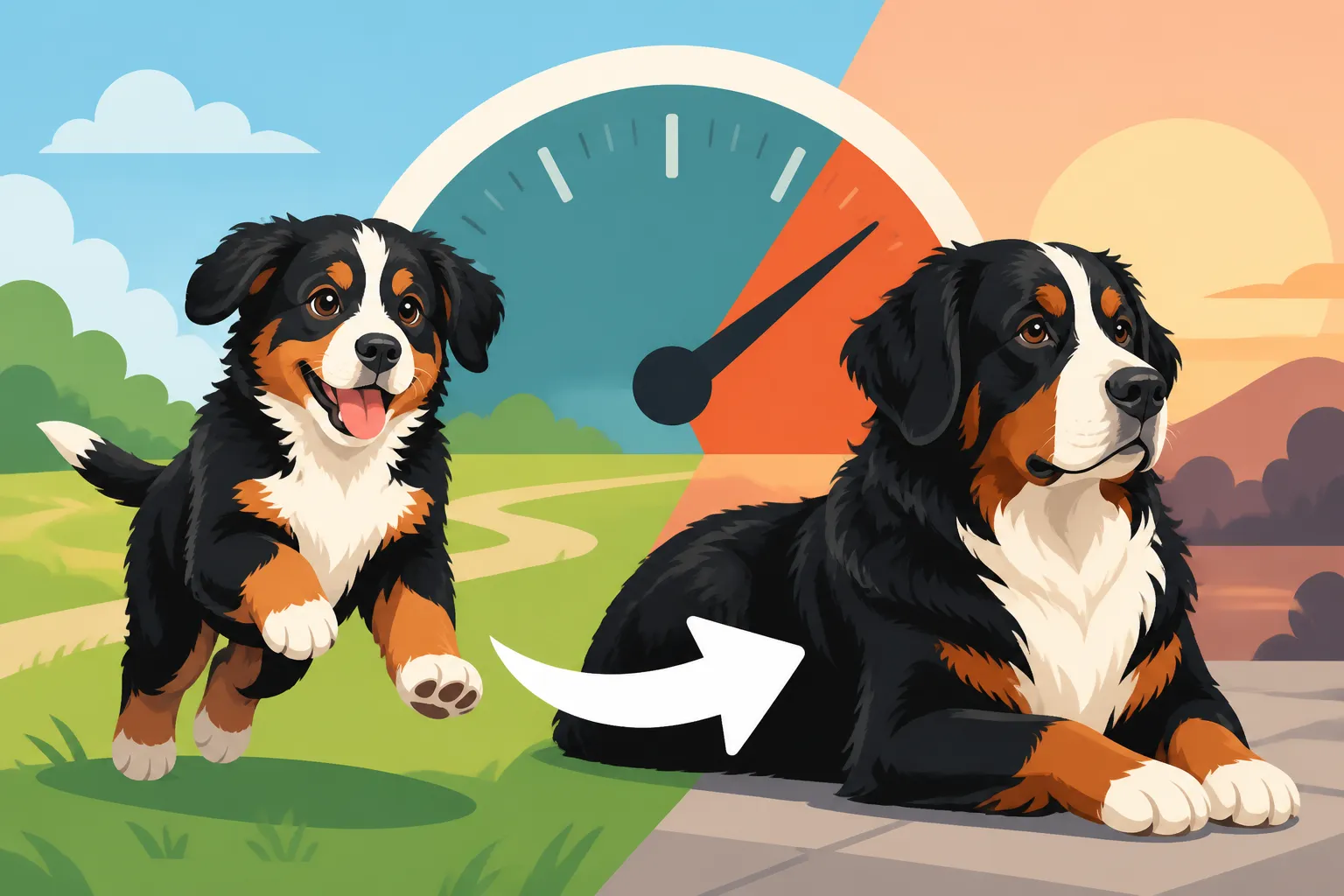
Whether a Bernese Mountain Dog Slows at Five
It's a common worry for many Bernese Mountain Dog owners: you look at your beloved furry companion, and it feels like just yesterday they were a boisterous puppy, but now, around the age of five, you're starting to notice a distinct shift. They're not quite as bouncy, not as eager for that long hike, and maybe they're opting for a nap over a play session. This guide will delve into what "slowing down" at five really means for a Bernese Mountain Dog, what's normal, what might be cause for concern, and how you can best support them through this stage of life.
Understanding the Bernese Mountain Dog's Life Stages
Bernese Mountain Dogs, with their majestic presence and gentle demeanor, mature at a different pace than smaller breeds. Their rapid growth and significant size mean their bodies undergo immense changes in their early years, which can impact how they age.
The Puppy and Adolescent Years
From the moment they arrive as fluffy bundles of joy, Berners grow at an astonishing rate. They can go from a few pounds to over a hundred pounds in just over a year, which is a lot of development for their bones, joints, and internal systems to handle. During their puppyhood and adolescence, typically up to around two to three years old, they are often brimming with energy. They're the clowns of the house, eager to play, explore, and learn. However, this explosive growth also means their bodies are vulnerable. Over-exercise or too much strenuous activity on developing joints can lay the groundwork for issues down the line. It's why responsible breeders and vets often advise controlled exercise, avoiding excessive jumping or long, intense runs during these crucial formative months.
Mentally, Bernese Mountain Dogs also mature later than many breeds, often retaining a puppy-like exuberance well into their second or even third year. This can be delightful, but it also means training and consistent boundaries are essential to manage a large, playful dog effectively. They are eager to please but can be sensitive, so understanding their temperament is key during these foundational years. The goal is to nurture their physical and mental development carefully, setting them up for a healthy adulthood.
Reaching Prime Adulthood
Most Bernese Mountain Dogs hit their physical and mental prime between the ages of two and four years old. During this period, their bones have finished growing, their muscles are well-developed, and their coordination is at its peak. This is when they often exhibit the strength and stamina that made them such valuable working dogs in the Swiss Alps. They can enjoy longer walks, engage in more robust play, and may even participate in activities like carting or hiking with more ease.
Their energy levels, while still significant, tend to be more balanced than in their adolescent phase. They can still be quite active, but they also appreciate downtime, snuggling on the couch, or simply observing family life from a comfortable spot. This is often a period of fewer significant health concerns, assuming they've had proper care and genetics are on their side. They are usually confident, well-adjusted companions, enjoying a relatively robust phase before the inevitable march of time begins to take its toll. It's a wonderful window of life where their physical capabilities and loving nature shine brightest.
Signs of Slowing Down at Five Years Old
Many Bernese Mountain Dog owners start noticing changes around their fifth birthday. While it’s not universal, for a giant breed with a shorter average lifespan, five years old is often considered the threshold into their senior years. These changes can be subtle at first, easily mistaken for just "mellowing out" or a temporary off day.
Subtle Changes in Activity and Stamina
One of the first things you might notice is a decrease in enthusiasm for activities they once loved. Perhaps your Berner used to greet the leash with an ecstatic wiggle and a happy bark, ready for a mile-long stroll. Now, they might still be pleased, but the urgency has diminished. They might walk a little slower, perhaps lagging slightly behind, or need more encouragement to keep pace. Where they once might have bounded up a set of stairs, they might now take them one careful step at a time, or even hesitate.
You might also observe that their play sessions are shorter, or they choose less intense forms of play. Fetch might turn into a few throws before they decide to lie down and chew the ball, or wrestling with another dog might be replaced by a more sedate sniff-and-chase. Recovery time might also be longer; a long walk might leave them more tired the next day than it would have a year or two prior. These subtle shifts can be easy to dismiss, but they are often the earliest indicators that your Berner's body is starting to feel the effects of age and gravity. It's important to differentiate between a natural decrease in puppy-like energy and actual discomfort or reduced physical capability.
Physical Indicators and Joint Health
Beyond just activity levels, there are often physical signs that a five-year-old Berner is slowing down. The most common culprits are issues related to their joints. As a large breed, Bernese Mountain Dogs are predisposed to conditions like hip dysplasia, elbow dysplasia, and arthritis. While some of these conditions can manifest earlier, five years old is often when they become more pronounced and start causing noticeable discomfort. You might see a slight stiffness, particularly after resting, or a subtle lameness in one of their legs. They might struggle to get up from a lying position, or hesitate before jumping into the car.
Weight can also play a significant role. Even a few extra pounds on a large breed can put immense strain on their joints, exacerbating any underlying conditions. This is why maintaining a healthy weight is absolutely crucial as they age. Their gait might change, becoming less fluid, or they might shift their weight to favor certain limbs. Their beautiful thick coat can sometimes hide muscle atrophy, which can be a sign of disuse due to pain. For detailed information on specific joint issues, you might find "Joint Disease in a Hundred Pound Bernese Mountain Dog" or "Arthritis in a Bernese Mountain Dog by Six" helpful resources. These physical indicators are not just signs of aging; they often point to specific areas of the body that need attention and care.
Behavioral Shifts and Energy Levels
It's not just about physical slowing; sometimes, behavioral shifts also accompany a Berner reaching five years old. They might become more content with simply being near you, preferring quiet companionship over active engagement. Their mental energy might also feel a bit different. While they may still be sharp and intelligent, they might not have the same endless curiosity or drive to explore every nook and cranny.
More napping throughout the day is a common sign. They might seek out quieter, warmer, or more comfortable spots to rest. They might also be less tolerant of boisterous play from younger dogs or children, preferring a calm environment. While some of this is a natural mellowing that comes with maturity, it's vital to distinguish between a relaxed, contented older dog and one who is lethargic or withdrawn due to pain or illness. If your Berner seems unusually quiet, uninterested in food, or shows signs of discomfort when touched, it's definitely time for a vet visit. Often, a Bernese Mountain Dog will hide discomfort, making it even more important for owners to be observant of subtle behavioral changes.
What to Do If Your Five-Year-Old Berner is Slowing
Noticing your Bernese Mountain Dog slowing down at five can be disheartening, but it's also an opportunity to adjust their care and provide them with the best quality of life possible as they transition into their senior years.
Consulting Your Veterinarian
The absolute first step when you notice any significant changes in your Berner's activity or behavior is a visit to your veterinarian. Do not assume it's "just old age." Many conditions are treatable or manageable if caught early. Your vet can perform a thorough physical examination, checking their joints, muscle mass, and overall health. They might recommend diagnostic tests such as X-rays to assess joint health, blood work to check for underlying organ issues, or even specialized screenings.
Be prepared to give your vet a detailed history of what you've observed: when did the slowing start? What specific activities are affected? Is there any limping or stiffness? Is their appetite or thirst normal? Early intervention is key, especially for conditions like arthritis or early signs of other diseases. They might recommend specific medications, supplements, or further diagnostics. For instance, if you're concerned about their mobility, discussions about options like non-steroidal anti-inflammatory drugs (NSAIDs) or other pain management strategies can begin. This is also a good time to review your Bernese Mountain Dog health panel history and discuss any new tests that might be appropriate for an aging dog.
Adjusting Exercise and Diet
Once you've consulted your vet and ruled out or addressed any specific medical conditions, adjusting their routine becomes paramount. Instead of intense, long runs, consider shorter, more frequent walks on soft surfaces like grass or dirt trails. Swimming can be an excellent low-impact exercise that supports joints without the strain. Focus on consistency over intensity. Gentle leash walks several times a day can keep their muscles strong and joints mobile without overdoing it. Avoid activities that involve sharp turns, jumping, or heavy impact.
Dietary adjustments are equally important. As their metabolism slows and activity decreases, a Berner can easily gain weight, which further burdens their joints. Work with your vet to determine the appropriate caloric intake and consider switching to a "senior" or "large breed adult" formula that might have different nutrient profiles, often lower in calories but still providing essential nutrients. Supplements tailored for joint health, like glucosamine and chondroitin, can also be introduced, but always under veterinary guidance. Ensuring they maintain a lean body condition is one of the most impactful things you can do to support their comfort and mobility. For more details on what to feed your Berner as they age, refer to "Feeding an Adult Bernese Mountain Dog Safely".
Supporting Joint Health and Mobility
Even with proper diet and exercise, a five-year-old Berner might need additional support for their joints. Oral supplements like glucosamine, chondroitin, and MSM can help support cartilage health. Omega-3 fatty acids (found in fish oil) are powerful natural anti-inflammatories that can significantly reduce joint pain. There are many commercial products available, such as those from reputable brands, and your vet can advise on the best dosage and type for your dog. Remember, consistency is key with supplements; they aren't a quick fix.
Physical therapy, often including hydrotherapy (underwater treadmill or swimming), can work wonders for strengthening muscles around weakened joints and improving range of motion without putting stress on them. Many specialized canine rehabilitation centers offer these services. At home, consider orthopedic beds to provide better support and reduce pressure points. Ramps can help them get into cars or onto furniture without straining. Non-slip runners or rugs on hardwood floors can prevent slips and falls, which can be particularly dangerous for dogs with compromised mobility. Even a simple lifting harness can make a huge difference in helping them navigate stairs or get up from a resting position, allowing them to maintain their independence and dignity. If you're concerned about the financial aspect of these treatments, pet insurance providers like Healthy Paws can often help cover the costs of physical therapy and other specialized care, especially if a condition isn't pre-existing.
Proactive Care for a Healthy Senior Berner
The changes you observe at five years old are a natural signal that it's time to shift from general wellness care to a more proactive, senior-focused approach. This foresight can make a significant difference in your Bernese Mountain Dog's comfort and longevity.
Regular Health Screenings
As your Bernese Mountain Dog enters what we affectionately call their "golden years" (even if they start at five for our beloved Berners!), regular and comprehensive health screenings become even more critical. It’s no longer just about their yearly check-up. Many veterinarians recommend bi-annual (twice a year) wellness exams for large and giant breeds once they reach this age. This allows for quicker detection of any changes or developing health issues.
These screenings often include a full physical examination, palpation of all joints, a thorough dental check, and listening to their heart and lungs. Beyond that, routine blood work, including a complete blood count (CBC) and a chemistry panel, can provide invaluable insights into their organ function, looking for early signs of kidney disease, liver issues, or metabolic changes. Urine analysis is also vital. These tests create a baseline and allow your vet to track trends, catching subtle shifts before they become full-blown problems. For instance, early detection of issues like thyroid imbalances, which can affect energy levels and weight, or even the earliest markers of certain cancers, can significantly improve outcomes. These comprehensive checks are essential for understanding what ends a Bernese Mountain Dog's life and taking preventative action. You might also want to read up on "Screening an Older Bernese Mountain Dog" for a more in-depth look at what these checks entail. Remember, proactive monitoring can truly extend not just their life, but their quality of life.
Maintaining a Healthy Weight
We've touched on it, but it bears repeating with emphasis: maintaining a healthy, lean weight is perhaps the single most impactful thing you can do for your aging Bernese Mountain Dog. Every extra pound puts additional stress on their joints, spine, and internal organs, exacerbating conditions like arthritis and making it harder for them to move comfortably. For a breed already prone to joint issues, this is paramount.
It's easy to let a Berner gain weight. They have those big, soulful eyes, and it’s tempting to give extra treats or slightly larger meals. However, even a small amount of excess weight can accelerate the progression of joint degeneration. Work closely with your veterinarian to determine your dog's ideal weight and body condition score. You should be able to easily feel their ribs without pressing hard, and they should have a discernible waist when viewed from above. Adjust their caloric intake based on their activity level, choosing high-quality, nutrient-dense foods. Incorporate low-calorie, healthy treats like carrots or green beans instead of high-fat options. Consistent weight management can significantly delay the onset of severe mobility issues and contribute to a more comfortable and active life, even as they enter their later years. A lean Berner at five will generally move much more easily than an overweight one, directly impacting whether a Bernese Mountain Dog lives only seven or eight years or if they thrive well into what we consider a respectable age for the breed.
| Age Stage | Typical Activity Level | Common Concerns at This Stage | Recommendations |
|---|---|---|---|
| Puppy (0-1yr) | High energy, playful, rapid growth | Controlled exercise to protect growing joints, house training, socialization | Short, frequent play sessions; avoid strenuous activity; focus on positive reinforcement; quality large-breed puppy food. |
| Adolescent (1-3yrs) | Still very energetic, reaching physical maturity | Continued joint protection, solidifying training, potential for "puppy brain" | Longer, moderate walks; continue mental stimulation; transition to adult food; consider basic obedience or draft work introduction. |
| Young Adult (3-5yrs) | Prime physical condition, strong and active | Maintaining fitness, early signs of genetic conditions, weight management | Regular exercise, monitor for subtle lameness; annual vet check-ups; consistent feeding. |
| Mature Adult (5-7yrs) | Often begin slowing down, more rest needed | Arthritis, joint pain, early signs of cancer, weight gain, dental issues | Veterinary check-ups every 6 months; adjust exercise to lower impact; consider joint supplements; vigilant weight management; proactive dental care. |
| Senior (7+yrs) | Significantly reduced activity, more sleep, slower reflexes | Increased chronic pain, cognitive decline, advanced cancer risk, organ failure, reduced sight/hearing | Regular vet visits, pain management, soft bedding, easy access to water/food, mental enrichment, ramps/harnesses, regular bloodwork and specific screenings. |
Disclaimer
The information provided in this article is for general informational purposes only and is not intended as a substitute for professional veterinary advice. Always consult with a qualified veterinarian regarding any medical concerns or before making any decisions about your Bernese Mountain Dog's health and treatment.