Heat Stroke in a Bernese Mountain Dog
The sweltering summer months can be a real worry for Bernese Mountain Dog owners. Our beloved, fluffy companions, with their magnificent double coats and robust builds, just aren't designed for extreme heat. This comprehensive guide is here to help you understand precisely why your Berner is so susceptible to overheating, how to spot the crucial early signs of heat stroke, and most importantly, what immediate steps you can take to protect them when temperatures rise.
Understanding Why Bernese Mountain Dogs Are So Vulnerable to Heat Stroke
It’s easy to look at a majestic Bernese Mountain Dog and assume their strength makes them impervious to many things, but when it comes to heat, they are surprisingly fragile. Their ancestry and physical characteristics, which serve them so well in chilly alpine environments, become significant liabilities as the mercury climbs. Understanding these inherent vulnerabilities is the first step in keeping your furry friend safe.
The Double Coat's Insulation Challenge
Imagine wearing a heavy wool coat, even two of them, on a hot summer day. That's essentially what a Bernese Mountain Dog's luxurious double coat feels like to them. This magnificent coat, designed to protect them from the harsh cold of the Swiss Alps, consists of a dense, insulating undercoat and a longer, water-repellent outer coat. While it does provide some protection from the sun's direct rays, its primary function is to trap warmth, which is exactly the opposite of what they need when it’s hot.
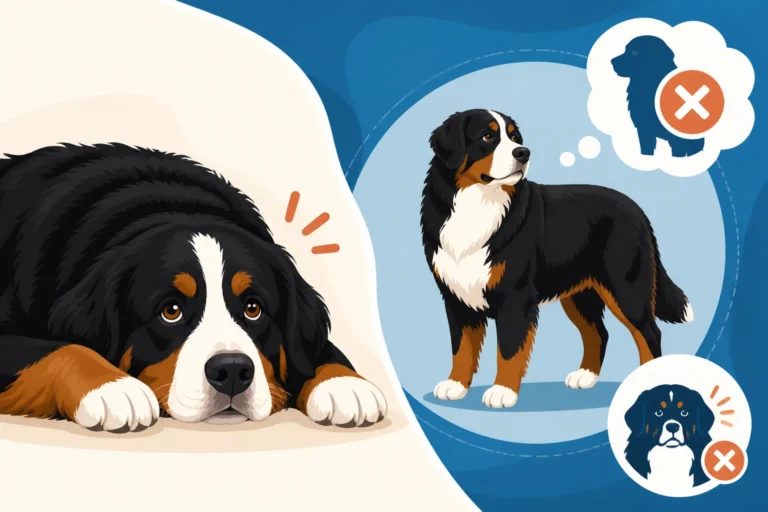
Unlike breeds with single coats or less dense fur, Berners struggle to dissipate heat effectively. The air circulation against their skin is naturally limited by the sheer volume of fur. The beautiful black portions of their tricolor coats absorb and retain even more heat from the sun, making them overheat faster than lighter-colored dogs. This is a crucial factor in Why a Black Coat Overheats a Bernese Mountain Dog. It’s not just about feeling warm; it’s about their internal temperature rising to dangerous levels because their natural cooling mechanisms are overwhelmed by this insulating layer.
Size, Metabolism, and Heat Generation
Bernese Mountain Dogs are large, magnificent creatures, typically weighing between 70 to 115 pounds. This substantial body mass means they generate a significant amount of metabolic heat just from their normal bodily functions, let alone any physical activity. When a dog exercises, their body temperature naturally increases. For a smaller, more streamlined dog, this heat can be released more readily. However, a hundred-pound Berner has a much larger internal engine working, producing more heat that then has to escape through that thick coat.
Their metabolism, while robust, also contributes to heat production. Combine this with physical exertion on a warm day, and their internal temperature can skyrocket surprisingly quickly. What might be a brisk, enjoyable walk for a Labrador could push a Bernese Mountain Dog into dangerous territory, causing them to struggle with The Temperature a Bernese Mountain Dog Stops Coping. Even gentle play can become risky if the ambient temperature is too high, turning a fun outing into a medical emergency.
Brachycephalic Tendencies (Though Not True Brachycephalic)
While Bernese Mountain Dogs are not typically classified as a brachycephalic breed (like Pugs or Bulldogs with their severely shortened snouts), some individuals within the breed can exhibit slightly shorter muzzles compared to their longer-nosed ancestors or other similar breeds. Dogs primarily cool themselves by panting, which allows for evaporative cooling through their respiratory tract. Air passes over the moist surfaces of the tongue and mouth, carrying heat away as water evaporates.
A dog with even a slightly less efficient airway, due to a slightly shorter muzzle or thicker soft tissues in the throat, might find it harder to pant effectively enough to cool their large bodies. This means their ability to move enough air to facilitate crucial evaporative cooling can be compromised, adding another layer of risk when faced with high temperatures. It’s a subtle but important factor to consider in their overall heat vulnerability, as their sheer size already demands maximum efficiency from their cooling systems.
Recognizing the Early Warning Signs of Heat Stroke
One of the most terrifying aspects of heat stroke is how rapidly it can escalate from mild discomfort to a life-threatening emergency. As a Berner parent, being acutely aware of the subtle, initial signs is paramount. Your dog can't tell you they're too hot, so you need to be their vigilant advocate, constantly monitoring their behavior and physical state when the weather warms up.
Subtle Behavioral Changes to Watch For
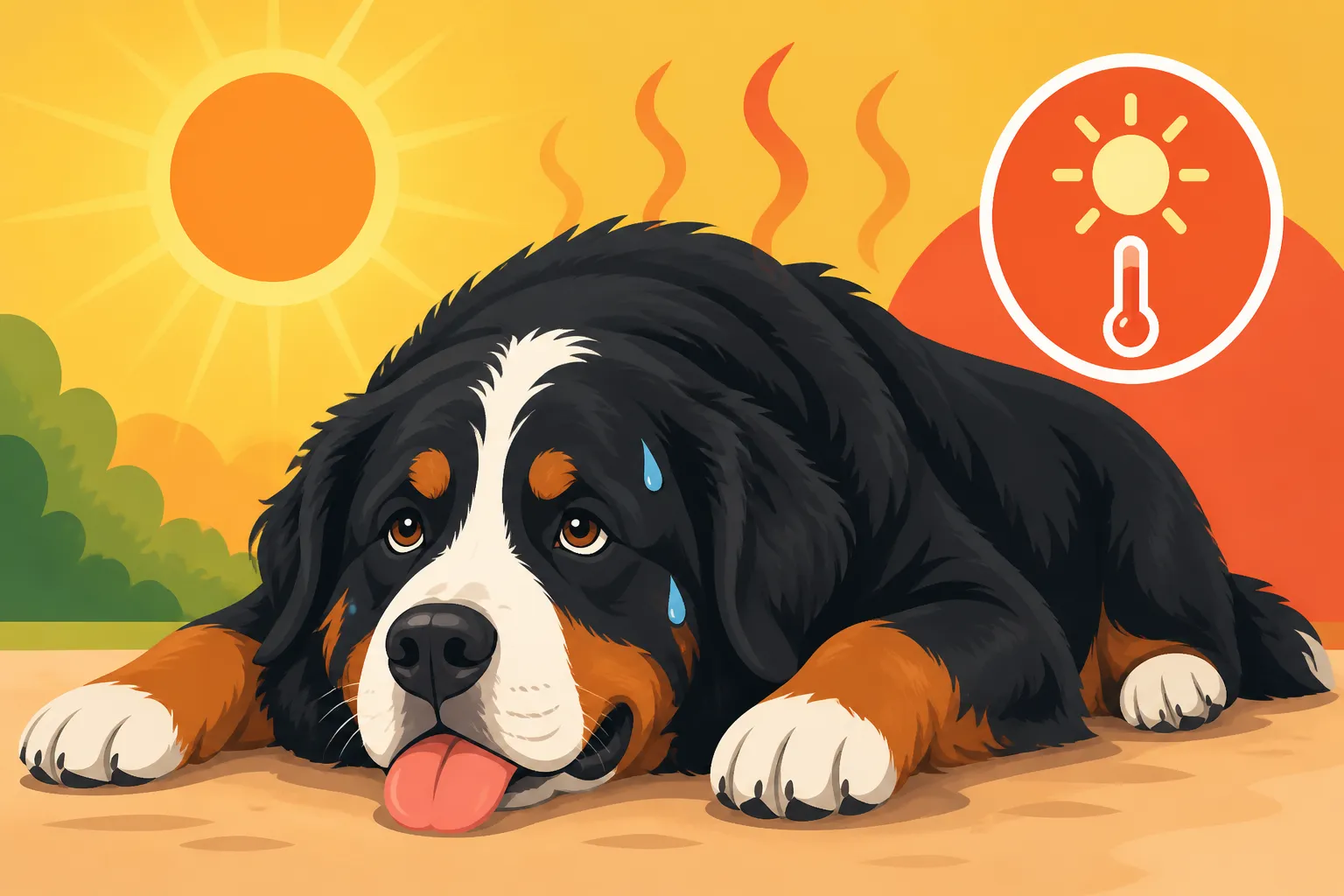
The very first indicators that your Bernese Mountain Dog is struggling with heat often appear as slight shifts in their normal demeanor. You know your dog best, and any deviation from their usual happy-go-lucky self in warm weather should raise a red flag. Increased panting is usually the first noticeable sign. While some panting is normal for dogs when warm or excited, excessive, rapid, or labored panting that seems out of proportion to their activity level is a concern. Their mouth might be open wider, and their tongue might be hanging out further than usual.
They may also become lethargic or unusually subdued. A Berner who typically greets you with enthusiasm or is eager for a walk might instead seek out a cool spot to lie down and be reluctant to move. They might appear disoriented or less responsive to commands. You might notice them constantly seeking shade, lying on cool tiles, or digging at the ground trying to find cooler earth. Excessive drooling can also be an early sign, as their body tries to cool itself through increased salivation. These subtle cues are your dog's way of telling you they're in distress, and recognizing How a Bernese Mountain Dog Behaves Before Heat Stroke is critical.
Progressive Physical Symptoms
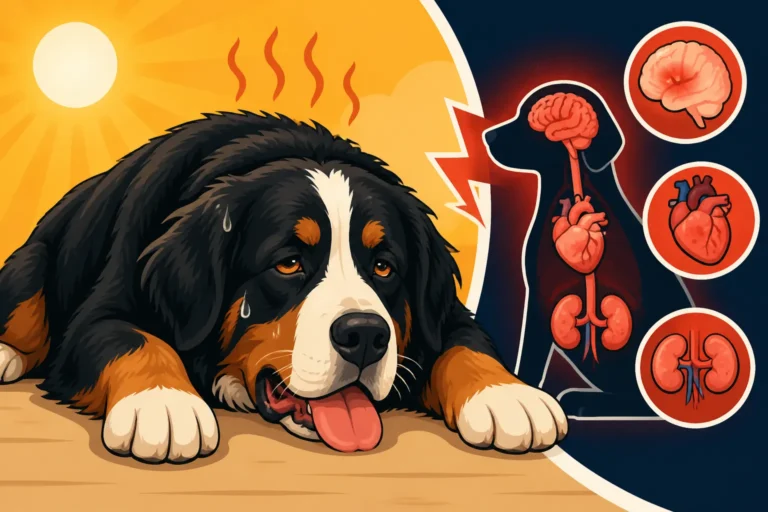
If those early behavioral cues are missed or ignored, heat stroke can quickly progress to more severe and dangerous physical symptoms. This is where the situation becomes critical, and immediate intervention is absolutely necessary. One of the most telling signs is changes in their gums: they might appear bright red, indicating increased blood flow as the body tries to cool itself, or in very severe cases, they might look pale or even bluish. Their saliva might become thick, ropey, and sticky, a sign of dehydration and the body's struggle to produce enough moisture for evaporative cooling.
A wobbly gait, stumbling, or even collapsing are clear indicators of severe neurological impairment due to overheating. They might vomit or experience diarrhea, sometimes bloody, as their internal organs begin to suffer damage. Their heart rate will become rapid and often weak, and their breathing can become shallow and frantic. As heat stroke advances, your dog may appear confused, glassy-eyed, or even have seizures. At this point, they are in grave danger, and every second counts. Knowing these signs means the difference between recovery and a tragic outcome.
Immediate Actions When You Suspect Heat Stroke
Spotting the signs of heat stroke in your Bernese Mountain Dog can be terrifying, but remaining calm and acting swiftly is absolutely essential. This isn't a situation where you can wait and see; quick, effective intervention can save your dog's life and minimize the risk of long-term damage.
The Critical First Steps: Get Cool, Get Wet
As soon as you suspect heat stroke, your priority is to lower your dog's body temperature as quickly and safely as possible. First, move them immediately to a cooler environment. This means getting them into the shade, an air-conditioned car, or an air-conditioned home. Even moving them from hot pavement to a patch of grass can make a difference in those crucial first moments.
Once in a cooler spot, offer them cool (not ice-cold) water to drink. Don't force them to drink, but make it available. Next, and this is critical, start actively cooling their body. Focus on areas where large blood vessels are close to the surface: their paws, belly, inner thighs, and neck. Use cool, wet towels or even a garden hose on a gentle setting if you're outdoors. Get their coat wet, saturating it down to the skin, but avoid using ice-cold water or ice packs. While counterintuitive, ice can cause the blood vessels to constrict, trapping heat inside their body and potentially leading to shock. Continuously wet and re-wet the towels or simply keep the water flowing gently.
As you're wetting them, use a fan (a handheld fan, a car's AC vent, or even fanning with a piece of cardboard) to increase air circulation around their wet fur. This enhances evaporative cooling, which is the most effective way to drop their core temperature. Continue these cooling efforts while preparing for transport to the vet. For more detailed guidance, consider reading Cooling a Collapsed Bernese Mountain Dog in the Field.
When to Seek Emergency Veterinary Care
Let's be absolutely clear: heat stroke is a veterinary emergency. Even if your Bernese Mountain Dog seems to be recovering and their temperature is dropping, internal damage could be occurring that you can't see. Once cooling measures are underway, your next immediate step is to contact your veterinarian or the nearest emergency animal hospital. Call them while you're cooling your dog so they can prepare for your arrival.
Transport your Berner to the clinic as quickly and safely as possible. If you have an air-conditioned car, that's ideal. Continue cooling efforts during transit if you can. Once at the vet, they will take over with more advanced cooling techniques, administer IV fluids to combat dehydration and support organ function, and closely monitor for complications like kidney failure, neurological issues, or clotting disorders. They may also check for Lasting Damage After a Bernese Mountain Dog Overheats. Even a dog that appears to recover quickly at home needs a thorough veterinary examination to assess for any underlying issues or internal damage that might manifest later. Don't take chances; a quick response and professional medical attention are non-negotiable for a heat stroke victim.
Preventing Heat Stroke: Daily Habits and Environmental Management
Prevention is always better than cure, especially when it comes to something as dangerous as heat stroke in Bernese Mountain Dogs. By making thoughtful adjustments to your daily routines and being proactive about their environment, you can significantly reduce the risk and ensure your Berner enjoys the warmer months safely.
Optimizing Exercise Schedules and Locations
When the weather heats up, your exercise routine for your Bernese Mountain Dog needs a complete overhaul. The days of midday walks or long play sessions in the park are simply too risky. Instead, schedule all outdoor activities for the coolest parts of the day: early morning, typically before 8 AM, and late evening, after the sun has set and the ground has cooled down. Even then, keep an eye on humidity, as high humidity makes it much harder for dogs to cool down.
Consider the surfaces you walk on. Asphalt and concrete absorb and retain heat, becoming scalding hot under the afternoon sun. Even if the air temperature feels fine to you, hot pavement can quickly burn your dog's paw pads and radiate heat back up into their body. Always opt for grassy areas, shaded trails, or even indoor activities when it's warm. A good rule of thumb is to place the back of your hand on the pavement for seven seconds; if it’s too hot for your hand, it’s too hot for their paws. This proactive approach ensures you're mindful of Pavement Temperature and a Bernese Mountain Dog's Pads and protects their sensitive paws. Remember, The Hours a Bernese Mountain Dog Should Not Walk often extend beyond what we might initially think.
Hydration and Cooling Aids
Constant access to fresh, cool water is non-negotiable for any dog, but especially for a Bernese Mountain Dog in warm weather. Make sure water bowls are always full, and consider adding multiple bowls around the house and yard. If you're out and about, carry a portable water bottle and a collapsible bowl for your Berner. Hydration helps their body regulate temperature more effectively.
Beyond water, several cooling aids can make a huge difference. Cooling Mats and Where a Bernese Mountain Dog Lies are a fantastic invention, offering a cool spot for your dog to rest. These can be gel-filled, water-filled, or even simple elevated beds that allow for airflow underneath. A kiddie pool filled with a few inches of cool water can be a wonderful, safe way for your Berner to cool off in the yard, especially if they enjoy splashing. Some dogs tolerate Cooling Vests for a Bernese Mountain Dog, which work by evaporation, keeping their core temperature down. Even a simple damp towel laid over their back can provide temporary relief. Proactive use of these tools, coupled with common sense about avoiding the hottest times of day, can truly protect your dog.
The Truth About Shaving and Other Misconceptions
There's a persistent myth that shaving a Bernese Mountain Dog's coat will help them stay cooler in the summer. This is generally not true, and in fact, it can be detrimental. Their double coat provides insulation not just against cold, but also against heat and harmful UV rays. Shaving removes this natural protection, exposing their delicate skin to sunburn and making them more susceptible to overheating because their body's natural thermal regulation is disrupted. It also changes the texture of their coat, often causing it to grow back patchy and less effective at insulating in subsequent seasons. This is why The Case Against Shaving a Bernese Mountain Dog in June is so strong.
Other misconceptions include believing that a large, strong dog can handle more heat, or that short bursts of activity are fine in high temperatures. For Berners, any activity in the heat carries risk. It’s also a misconception that if they don't seem hot, they aren't. Dogs are masters at hiding discomfort until they are in crisis. Always err on the side of caution. Consider that Whether a Bernese Mountain Dog Suits a Hot Climate is usually a resounding "no," so managing their environment and activity is key to their well-being.
| Prevention Strategy | Description | Why It Helps Your Berner |
|---|---|---|
| Early/Late Exercise | Walk your Bernese Mountain Dog during the coolest parts of the day: early morning or late evening. Avoid midday heat entirely. | Minimizes exposure to peak temperatures when the risk of overheating is highest. |
| Shaded, Soft Surfaces | Opt for walks on grass, dirt trails, or shaded paths. Avoid hot asphalt and concrete. | Protects paw pads from burns and reduces radiant heat absorption. |
| Constant Hydration | Always provide fresh, cool water. Carry water and a bowl for walks. Consider adding ice cubes to their bowl at home. | Helps internal body temperature regulation and replaces fluids lost through panting. |
| Cooling Mats/Beds | Provide dedicated cooling mats or elevated beds for your dog to rest on indoors or in the shade outdoors. | Offers a consistently cool surface to lie on, drawing heat away from their body. |
| Kiddie Pool Access | If your Berner enjoys water, a shallow kiddie pool can be an excellent way for them to cool off safely in the yard. | Allows for full-body immersion in cool water, providing rapid and enjoyable cooling. |
| Avoid Shaving Coat | Resist the urge to shave their double coat. It provides natural insulation and sun protection. | Preserves their natural thermal regulation system and protects against sunburn. |
| Indoor Cooling | Ensure your home has adequate air conditioning or fans, especially in the rooms where your Bernese Mountain Dog spends most of their time. | Creates a safe, cool refuge from outdoor heat, allowing their body to recover. |
| Never in a Hot Car | Even on mild days, the interior of a car can quickly reach deadly temperatures. Never leave your Berner unattended in a vehicle. | Prevents rapid and unavoidable temperature escalation in an enclosed, unventilated space. |
| Recognize Early Signs | Be vigilant for increased panting, lethargy, drooling, or seeking shade. Act immediately if you notice these. | Allows for intervention before heat stroke progresses to dangerous, life-threatening stages. |
Long-Term Considerations and Recovery
Surviving a heat stroke episode is a huge hurdle, but it's important to understand that the journey doesn't necessarily end there. Heat stroke can be incredibly taxing on a dog's body, and the potential for lasting damage means that ongoing vigilance and proactive care are essential for their future well-being.
Potential Lasting Damage After a Heat Stroke Episode
Heat stroke is not just about a temporary rise in body temperature; it's about the systemic damage that can occur when the body's cells and organs are exposed to excessively high heat for too long. Even if your Bernese Mountain Dog makes a seemingly full recovery, there can be silent, insidious damage that only reveals itself later. One of the most common and serious complications involves the kidneys. Severe dehydration and cellular damage during heat stroke can lead to acute kidney injury or even chronic kidney failure, sometimes necessitating long-term dietary changes and medication.
The liver is another organ highly susceptible to heat damage, which can result in impaired function. Neurological damage is also a significant concern; some dogs may experience ongoing seizures, cognitive dysfunction, or changes in personality after a severe heat stroke episode. The lining of the gastrointestinal tract can also be compromised, leading to persistent digestive issues or an increased risk of bloat in the future. Blood clotting disorders are a terrifying complication where the body's ability to clot blood is severely disrupted, leading to internal bleeding. It's truly eye-opening to consider Lasting Damage After a Bernese Mountain Dog Overheats and how much an animal's body endures during such an event. This is why thorough follow-up veterinary care is so important, even after the immediate danger has passed.
Insurance and Proactive Care for Future Protection
Given the potential for severe complications and the high costs associated with emergency veterinary care and ongoing treatment, having robust pet insurance is a wise decision for any Bernese Mountain Dog owner. Policies from providers like Healthy Paws can offer a crucial safety net, covering a significant portion of the unexpected bills that arise from emergencies like heat stroke or the subsequent conditions it might trigger. Imagine facing thousands of dollars in veterinary costs for diagnostics, hospitalization, IV fluids, and medications; a good insurance plan can alleviate a huge portion of that financial burden, allowing you to focus on your dog's recovery without added stress.
Beyond insurance, proactive care after a heat stroke incident becomes even more critical. Your veterinarian will likely recommend follow-up appointments, blood work, and possibly urinalysis to monitor organ function. You will need to be extra diligent about preventing future heat exposure, as a dog that has suffered heat stroke once is often more susceptible to it again. This includes strict adherence to the prevention strategies we've discussed, such as avoiding Exercising a Bernese Mountain Dog in Summer during the wrong hours and ensuring constant access to cooling measures. Investing in a reliable insurance plan like Healthy Paws, combined with unwavering commitment to preventative measures, provides the best possible protection and peace of mind for you and your beloved Berner. Maintaining a lean body condition can also help reduce the burden on their systems, and discussing any specific post-heat stroke dietary or exercise modifications with your vet is vital.
Disclaimer
This guide is intended for informational purposes only and does not substitute for professional veterinary advice. If your Bernese Mountain Dog is exhibiting signs of heat stroke or any other medical emergency, please contact your veterinarian or nearest emergency animal clinic immediately.