Whether a Bernese Mountain Dog Hides Discomfort
It’s a heartbreaking reality for many Bernese Mountain Dog owners: our beloved giants often hide their pain, stoically enduring discomfort until it becomes undeniable. This guide will help you understand why your Berner might conceal their struggles and, more importantly, teach you to recognize the subtle, often overlooked signs that indicate they're hurting, empowering you to advocate for their health and ensure they receive the care they need.
The Stoic Nature of the Bernese Mountain Dog
Bernese Mountain Dogs are, by their very nature, a resilient and often stoic breed. Bred for demanding work in the Swiss Alps, they historically had to tolerate physical discomfort and keep working, even when minor aches and pains set in. This inherent toughness can be both a blessing and a curse for modern owners, as it means they often don't cry out or show obvious signs of pain until a condition has progressed significantly. It's a fundamental part of their charm – their gentle giant demeanor – but it also places a significant responsibility on us to be incredibly observant.
Understanding Their Ancestral Roots
Imagine a Bernese Mountain Dog's ancestors, pulling carts of milk or goods through rugged mountain terrain, or herding livestock in challenging conditions. Complaining or showing overt weakness wasn't an option; it could make them vulnerable or prevent them from fulfilling their duties. This historical context isn't just a quaint story; it's a genetic predisposition that can influence how your modern Berner expresses discomfort. They are hardwired to push through, to minimize outward displays of vulnerability, which can make it incredibly difficult for us to discern when something is truly wrong. They're not being manipulative; they're simply acting on instincts that served their forebears well.
The "Tough Dog" Mentality
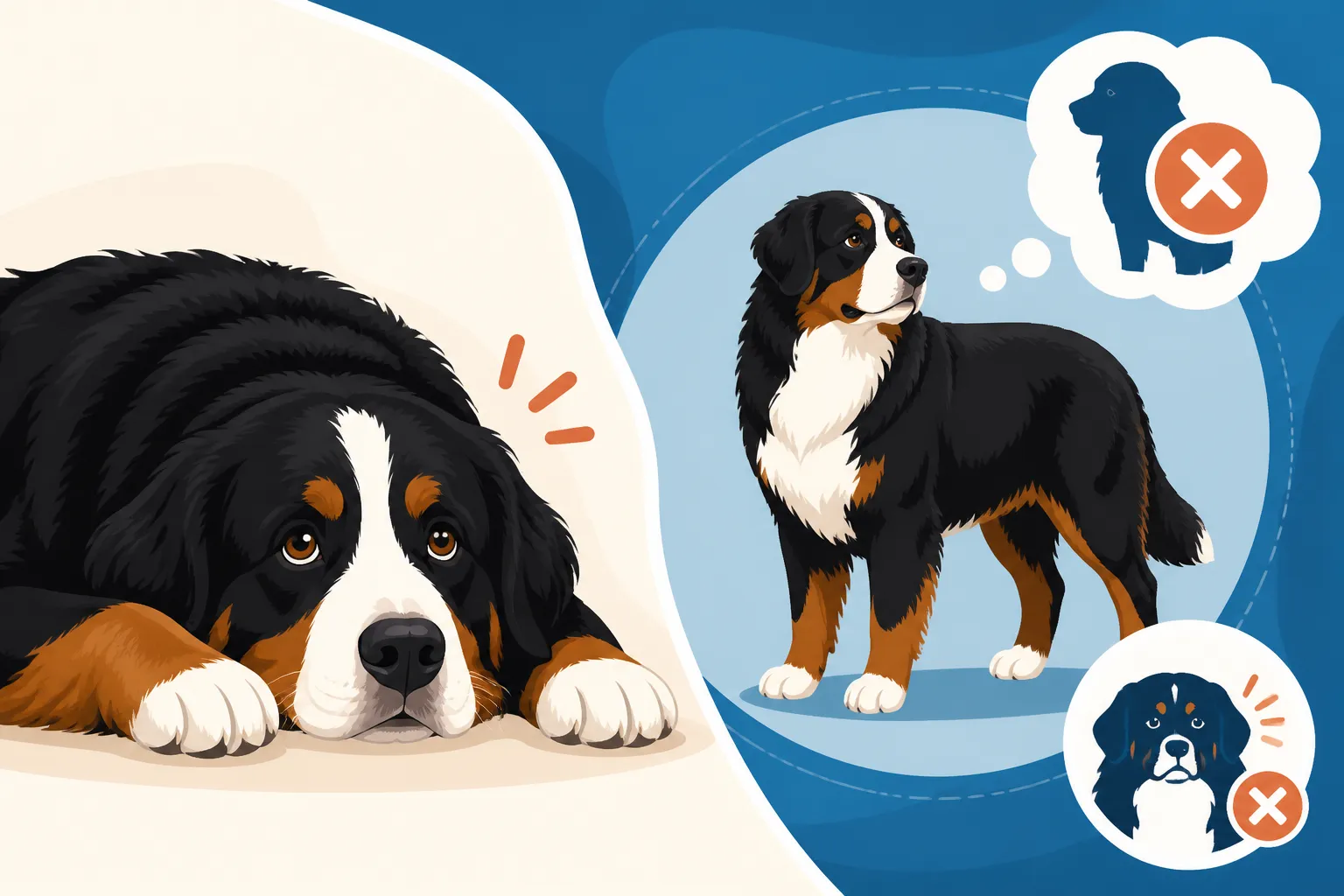
Beyond their historical role, Berners often possess a "tough dog" mentality, meaning they may internalize pain rather than broadcasting it. This isn't unique to Bernese Mountain Dogs, but it's particularly pronounced in many working breeds. You might notice your Berner become a little more withdrawn, perhaps sleeping more, or simply being less enthusiastic about activities they once loved, rather than limping dramatically or vocalizing. This quiet suffering can easily be mistaken for aging, laziness, or just a bad mood. It can be a real frustration for owners who know their dog's personality inside and out, yet still struggle to pinpoint the exact issue.
Individual Differences in Pain Tolerance
While breed traits play a significant role, it's also true that every Bernese Mountain Dog is an individual, with their own unique pain threshold and ways of coping. Some Berners might be more vocal, whining or yelping with relatively minor pain, while others will endure significant discomfort in silence. This makes it crucial to know your dog's baseline behavior. What's normal for one Berner might be a red flag for another. A typically bouncy, outgoing dog showing a slight dip in energy might be more concerning than a naturally calm, reserved dog displaying the same level of lethargy. Paying close attention to these individual nuances is key to recognizing when your specific dog is hiding something. This is particularly important given how their lifespan can be a concern, as discussed in Why a Bernese Mountain Dog Lives Only Seven or Eight Years.
Unmasking Hidden Pain: Subtle Clues to Watch For
Since Bernese Mountain Dogs often don't make their pain obvious, owners must become detectives, keen observers of the subtle shifts in behavior and posture that can signal underlying discomfort. These signs are often easily dismissed or attributed to other factors, but recognizing them early can make a world of difference in your Berner's quality of life.
Behavioral Changes That Signal Discomfort
One of the most telling signs of hidden pain isn't a direct vocalization, but a change in established routines or personality. Has your typically affectionate Berner suddenly become a little less eager for cuddles, perhaps moving away when you touch a certain area? Or perhaps your social butterfly is now a bit more reserved around other dogs or people, even becoming grumpy or nippy, which is very out of character for the breed's gentle temperament. A dog that suddenly refuses to use stairs, hesitates before jumping into the car, or avoids specific games might be trying to tell you something. These subtle shifts, though they might seem insignificant on their own, often paint a clear picture of an underlying issue, especially if you have a hundred-pound Bernese Mountain Dog whose Joint Disease in a Hundred Pound Bernese Mountain Dog can be a significant source of chronic pain.
Consider their sleep patterns too. Is your Berner struggling to get comfortable, constantly shifting position, or getting up and down frequently at night? Are they suddenly restless when they used to sleep soundly, or conversely, sleeping excessively and showing a general lack of enthusiasm? These alterations in comfort and rest can be whispers of chronic pain.
Physical Indicators Beyond Obvious Limping
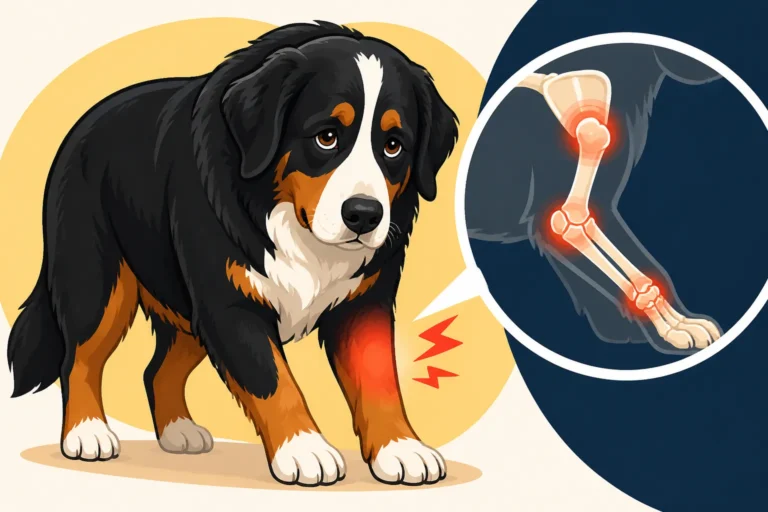
While a pronounced limp is an undeniable sign of pain, Berners often display much more subtle physical cues. Watch their gait: is there a slight stiffness, a shortened stride, or a reluctance to put full weight on a leg, even if they aren't fully limping? Sometimes, it's as subtle as a slight head bob when they walk, or a reluctance to turn their head completely. Many Bernese Mountain Dogs experience issues such as The Bernese Mountain Dog Whose Back Legs Give Out, which might start with very slight changes in how they carry themselves.
Examine their posture. Are they holding one paw slightly off the ground while standing? Do they arch their back more than usual, or keep their tail tucked low? Pay attention to muscle symmetry; is one side of their body more developed or atrophied than the other? Even their breathing can be an indicator – shallow, rapid breaths or panting when not exercising can be a sign of discomfort. Don't forget grooming habits; a dog might excessively lick or chew a painful area, or conversely, neglect grooming parts of their body they can no longer comfortably reach. These small details, when pieced together, can be incredibly informative.
Changes in Routine and Interaction
Your Bernese Mountain Dog's daily routine is often a symphony of predictable behaviors. When those patterns change, it’s like a missed note in that familiar melody. Are they less enthusiastic about mealtime, or taking longer to eat? Is their potty schedule suddenly off, perhaps due to pain associated with squatting or holding it longer? Maybe they're skipping their usual morning romp in the yard, or refusing to go for a walk down a familiar route. These aren't just quirks; they can be deliberate choices made to avoid exacerbating pain.
Furthermore, observe their interactions. Are they avoiding playful wrestling with housemates, or shying away from your touch during their usual petting sessions? A once-boisterous dog who suddenly becomes reserved, or a generally calm dog who shows irritability when approached, is giving you a crucial signal. It’s their way of communicating, even if it’s not in a language we instinctively understand.
Here’s a table summarizing common subtle signs of discomfort in Bernese Mountain Dogs:
| Category | Subtle Signs to Watch For | Potential Implication |
|---|---|---|
| Movement | Slight stiffness, shortened stride, reluctance to jump/climb | Joint pain (arthritis, dysplasia), muscle strain, back pain |
| Behavior | Increased sleeping, restlessness, reluctance to play/interact | Generalized pain, fatigue, anxiety from pain |
| Posture | Arched back, tucked tail, holding paw up, shifting weight | Abdominal pain, back pain, limb pain, neck pain |
| Eating/Drinking | Decreased appetite, difficulty reaching bowl, changes in thirst | Dental pain, nausea, internal organ discomfort |
| Grooming | Excessive licking/chewing a spot, neglected grooming | Localized pain, skin irritation (primary or secondary to licking), neurological issues |
| Temperament | Irritability, withdrawn, less affectionate, growling/snapping | Pain response, fear, neurological changes |
| Elimination | Straining, frequent urination/defecation, accidents | Urinary tract infection, prostate issues, constipation, pain with movement |
Why Early Detection is Crucial for Bernese Mountain Dogs
For a breed with specific health challenges, recognizing and addressing discomfort early isn't just about managing pain; it's often about preserving quality of life and potentially extending their time with you. Their predisposition to certain conditions means that hidden pain can escalate quickly if left unaddressed.
Common Health Issues That Develop Insidiously
Bernese Mountain Dogs are known for certain health predispositions, many of which can manifest as subtle, escalating discomfort before becoming obvious crises. Conditions like Arthritis in a Bernese Mountain Dog by Six are incredibly common and can start with a dog simply being a little slower to rise, or less keen on long walks. Hip and elbow dysplasia, another prevalent issue, can cause chronic pain that your Berner may hide for months, if not years, by altering their gait or reducing their activity levels.
Then there's Degenerative Myelopathy, a devastating neurological condition that can begin with subtle weakness in the hindquarters, often dismissed as aging. Learning about Slowing Degenerative Myelopathy in a Bernese Mountain Dog often starts with noticing these incredibly subtle signs. Cancer, unfortunately, is also a significant concern for the breed, and a dog might hide discomfort from an internal tumor for a long time. These silent struggles can steal precious months from their already shorter lifespans if we don't catch them early.
The Importance of Regular Vet Checks and Baseline Knowledge
Given their tendency to hide discomfort, regular veterinary check-ups become paramount. These aren't just about vaccines; they're an opportunity for a professional to assess your Berner's gait, palpate their joints, and observe subtle changes you might miss. Establishing a baseline of what's "normal" for your dog when they're healthy allows your vet to better identify deviations during later visits. Discussing The Bernese Mountain Dog Health Panel with your vet can ensure comprehensive screenings are being done.
Many vets recommend twice-yearly check-ups for older Bernese Mountain Dogs, or those with known predispositions, as problems can progress rapidly. During these visits, don't just rely on the vet's observations; be prepared to share every tiny behavioral shift you've noticed, even if it seems minor. You know your dog best, and your observations are invaluable. Pet insurance providers like Healthy Paws often emphasize preventative care, understanding that early detection can lead to more effective and less costly treatments in the long run.
Proactive Care and Management Strategies
Proactive care extends beyond vet visits. This includes maintaining a healthy weight to reduce stress on joints, providing appropriate, low-impact exercise, and ensuring they have comfortable, supportive bedding. High-quality nutrition, potentially supplemented with joint-supporting ingredients, can also play a role. If your Bernese Mountain Dog is already starting to slow down, considering Whether a Bernese Mountain Dog Slows at Five means you should be thinking about proactive measures.
For conditions like arthritis, early intervention with anti-inflammatory medications, joint supplements, or even physical therapy can significantly slow progression and manage pain, long before your dog is overtly limping. Companies like Healthy Paws can be lifesavers when it comes to covering the costs of these ongoing management strategies, which can quickly add up for a large breed with chronic conditions. Staying informed about your breed's health challenges, such as the prevalence of Lumps a Bernese Mountain Dog Owner Should Not Watch, empowers you to be a better advocate for your Berner.
Taking Action When You Suspect Discomfort
Discovering that your Bernese Mountain Dog might be hiding discomfort can feel overwhelming, but taking swift, organized action is the best way to help them. Don't second-guess yourself; trust your instincts.
Documenting Your Observations for the Vet
Before you even pick up the phone to call the vet, take a few minutes to document everything you've observed. Write down the specific behavioral changes, physical cues, and alterations in routine you've noticed. Note when they started, how frequently they occur, and if anything seems to make them better or worse. Videos, even short clips on your phone, can be incredibly helpful for your veterinarian, as your dog may "perform" perfectly during a brief clinic exam.
Having a detailed list ensures you don't forget anything important during a potentially stressful vet visit. This documentation is not just for your memory; it helps your vet piece together the puzzle and guides their diagnostic plan. They might ask you about Screening an Older Bernese Mountain Dog if your dog is older, and your notes will be invaluable.
Navigating Veterinary Examinations and Diagnostics
When you get to the vet, be explicit about your concerns, even the subtle ones. Don't be afraid to describe your Berner's stoic nature and how it makes you worry about hidden pain. Your vet will likely perform a thorough physical examination, checking range of motion, palpating joints, and observing gait.
Depending on the signs, diagnostics might include X-rays to look for joint disease or tumors, blood work to check organ function, or even more advanced imaging like an MRI if neurological issues are suspected. These tests can be expensive, and this is where a good pet insurance policy, such as those offered by Healthy Paws, can make a huge difference in allowing you to pursue all necessary diagnostic steps without financial hesitation. Remember, sometimes the initial tests might not show anything conclusive, and it might require follow-up or referral to a specialist. Persistence is key when dealing with hidden discomfort.
Long-Term Support and Palliative Care
Once a diagnosis is made, or even if a definitive cause isn't found but discomfort is evident, your vet will work with you to create a management plan. This might involve pain medications, anti-inflammatory drugs, physical therapy, acupuncture, or even dietary changes. The goal is always to improve your Bernese Mountain Dog's quality of life. For conditions like severe arthritis or degenerative diseases, palliative care becomes important, focusing on comfort and pain relief. This can include specialized orthopedic beds, ramps to avoid stairs, and even mobility aids like slings or carts for dogs experiencing Living With a Bernese Mountain Dog Losing Its Back Legs.
Living with a large breed dog often means confronting challenging decisions, such as Deciding When to Let a Paralyzed Bernese Mountain Dog Go. Understanding how to provide long-term support means you can ensure your Berner remains as comfortable and happy as possible for as long as possible, even when facing chronic discomfort.
Disclaimer
This article is intended for informational purposes only and does not constitute professional veterinary advice. Always consult with a qualified veterinarian for any health concerns or before making any decisions about your pet's health or treatment.