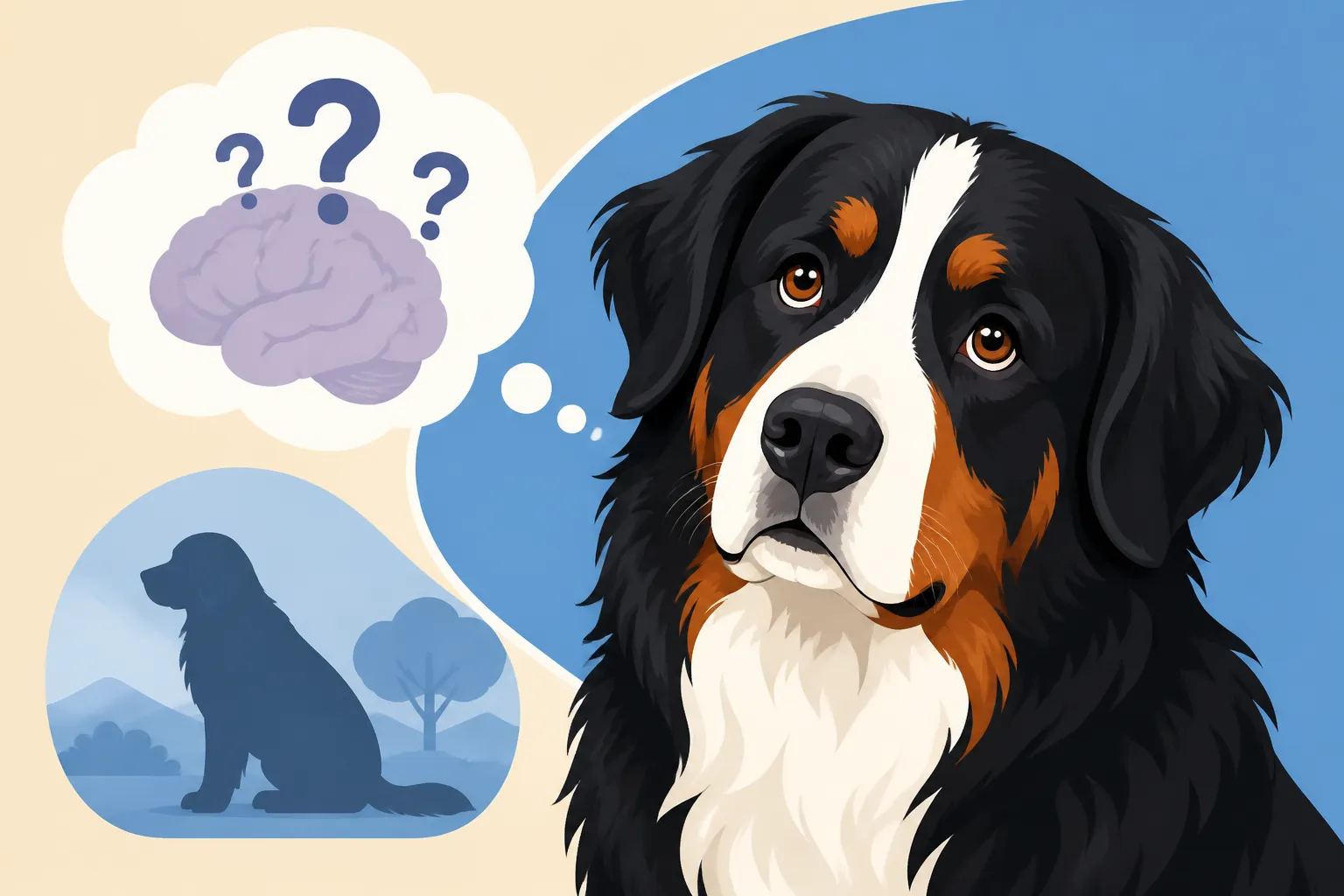
Whether a Bernese Mountain Dog Ever Grows Senile
It's heartbreaking to watch our beloved Bernese Mountain Dogs, these gentle giants who fill our lives with so much joy, begin to show signs of aging. One of the most common, and often confusing, concerns owners face is whether their Berner is merely slowing down or if they’re actually experiencing cognitive decline – what many of us refer to as senility. This guide aims to thoroughly explore canine cognitive dysfunction (CCD) in Bernese Mountain Dogs, helping you understand the signs, manage the condition, and continue providing the best possible care for your aging companion.
Understanding Canine Cognitive Dysfunction in Berners
Just like people, dogs can experience a decline in cognitive function as they age. This isn't just about slowing down physically or getting a bit more gray around the muzzle; it's about changes in their brain that affect memory, learning, awareness, and how they interact with their world. For Bernese Mountain Dogs, with their deep bonds to their families and often sensitive natures, these changes can be particularly distressing to witness. We expect them to eventually slow down, perhaps struggling a bit more with stairs or getting up from a nap, but a change in personality or a sudden lack of recognition can feel truly devastating.
What Senility Looks Like in a Large Breed
When we talk about "senility" in dogs, we're typically referring to Canine Cognitive Dysfunction (CCD), a progressive neurodegenerative disease. In a large breed like a Bernese Mountain Dog, the signs can sometimes be more pronounced or, paradoxically, initially attributed to other age-related issues. You might notice your once-confident Berner starting to hesitate in familiar environments. Perhaps they’ll walk into a room and just stand there, looking bewildered, as if they’ve forgotten why they entered. Their impressive size and strength can make their confusion seem even more stark, especially if they've always been such a capable and purposeful dog.
Imagine your Berner, who once knew every corner of the house and yard, now getting "stuck" behind a piece of furniture or having trouble navigating the back door. It's not just clumsiness; it's a genuine disorientation. This can be incredibly frustrating for them and worrying for you. They might start barking at inanimate objects, or conversely, become much quieter and less responsive to their names. These aren't just quirks of an old dog; they're potential red flags that something more is going on within their mind.
The Difference Between Normal Aging and CCD
It's absolutely critical to distinguish between the natural process of aging and the onset of Canine Cognitive Dysfunction. Every Bernese Mountain Dog will age. They'll likely move slower, their joints might creak a little more, and they might not have the same boundless energy they did as a puppy, even a puppy that takes a long time to mature. They might sleep more during the day and be a bit harder of hearing. These are normal, expected parts of getting older.
However, CCD goes beyond these physical and sensory changes. It involves a decline in mental abilities. A normally aging Berner might still be a bit forgetful, perhaps needing a moment longer to recall a command, but they'll generally still understand their routine, recognize family members, and interact appropriately. A Berner with CCD, on the other hand, might show a significant shift in behavior: staring blankly at walls, becoming lost in their own yard, or forgetting who their primary caretaker is. The frustration for owners comes from this gray area, trying to figure out if your dog's increased sleep or slower response is just old age, or if it signals a deeper cognitive issue that needs attention. An insurance policy from providers like Healthy Paws can often help cover diagnostic tests and treatments if you suspect CCD, easing the financial burden of investigating these changes.
Recognizing the Early Signs of Cognitive Decline
Spotting CCD early can make a big difference in how effectively you can manage your Bernese Mountain Dog's quality of life. Owners often chalk up initial changes to "just getting old," but a keen eye for subtle shifts can be invaluable. It's not always obvious, and sometimes, the changes can be intermittent, making it even harder to pinpoint. Keeping a daily log of unusual behaviors can be incredibly helpful when discussing concerns with your veterinarian.
Changes in Interaction and Social Behavior
One of the most heartbreaking aspects of CCD for Berner owners is when their dog's personality starts to shift. These are dogs known for their affectionate, gentle nature and their deep devotion to their families. If your Bernese Mountain Dog, who once demanded constant cuddles and followed you from room to room like a shadow, suddenly becomes withdrawn, less interested in greeting you, or even seems anxious around family members they’ve known their whole life, it's a significant sign.
They might stop seeking attention, avoid eye contact, or even growl or snap unexpectedly when approached, especially if they’re startled or confused. This isn't aggression stemming from malice, but often from fear and disorientation. They might also become less tolerant of other pets in the household, perhaps reacting negatively to playful nudges they once enjoyed. Conversely, some Berners might become clingier, exhibiting separation anxiety-like behaviors even when you're just in another room. Understanding these changes in interaction can be crucial in managing their environment and ensuring their safety and comfort, and recognizing that it's the disease, not your dog, acting out.
Disorientation and Confusion in Familiar Environments
Perhaps the most classic and visually distressing sign of CCD is disorientation. Your Berner knows your house like the back of their paw – or at least they used to. Now, they might wander into a corner and struggle to back out, or stand facing a wall for minutes on end. This isn’t just a momentary lapse; it’s a profound confusion about their surroundings.
Imagine your large, usually graceful Bernese Mountain Dog getting "lost" in your living room, or finding themselves unable to locate the door to the outside. They might walk in circles, or seem to forget where their food bowl or bed is. At night, this can become particularly pronounced, leading to restlessness and pacing, sometimes bumping into furniture in the dark. These episodes of confusion can be frightening for them, and observing them can be equally distressing for us. It highlights the profound mental changes occurring, well beyond what you might see with older dogs slowing down physically.
Altered Sleep-Wake Cycles and Restlessness
A common, and often frustrating, symptom of CCD is a disruption in your Bernese Mountain Dog's sleep-wake cycle. Many older dogs sleep more during the day, which can be normal, but with CCD, this often comes with an increase in nighttime activity. Your Berner might sleep soundly for hours during the day, only to become restless, agitated, or even vocal at night.
They might pace, whine, bark, or seem unable to settle down for long periods. This nocturnal activity isn't just annoying; it indicates genuine distress and disorientation. It can be exhausting for both you and your dog. They're not being "bad"; their internal clock is simply out of whack due to the cognitive changes. Providing a comfortable, quiet space, perhaps with a soft nightlight, can sometimes help, but often, veterinary intervention is needed to address this specific symptom.
Managing and Supporting a Senile Bernese Mountain Dog
While there's no cure for Canine Cognitive Dysfunction, there are many strategies we can employ to manage the symptoms and significantly improve our Bernese Mountain Dog's quality of life. This involves a multi-faceted approach, combining environmental adjustments, dietary considerations, and sometimes, medical interventions. The goal is to reduce confusion, anxiety, and provide as much comfort as possible for your aging companion.
Environmental Adjustments and Routine Management
One of the most effective ways to help a Berner with CCD is to create a predictable and safe environment. Think about minimizing changes to their routine and surroundings. Keep feeding times, potty breaks, and walks consistent. If you need to rearrange furniture, do it gradually, giving your dog time to adjust. For a large dog, tripping hazards become even more dangerous, so clear pathways.
Consider adding ramps for beds or cars if they're having trouble with stairs, or even just navigating different floor levels. Nightlights can be a huge help if they become disoriented in the dark. Provide easily accessible, comfortable beds in familiar spots. If they're prone to getting stuck in corners, use baby gates to block off problematic areas. Having familiar scents, toys, and blankets can also provide a sense of security. Remember, for a dog who might be struggling with The Bernese Mountain Dog Whose Back Legs Give Out where their legs might give out, environmental support is doubly important for their safety and comfort.
Nutritional Support and Supplements
Diet plays a significant role in brain health, and this holds true for our Berners. Many veterinarians recommend diets specifically formulated for senior dogs, often enriched with antioxidants, Omega-3 fatty acids (like DHA and EPA), and medium-chain triglycerides (MCTs). These ingredients are believed to support brain function and reduce oxidative stress. Brands like Hill's Prescription Diet b/d Canine or Purina Pro Plan Veterinary Diets Neurocare are examples of prescription diets specifically designed for cognitive health, and some commercial senior diets also incorporate these beneficial ingredients.
Beyond diet, certain supplements might be recommended by your vet. These can include S-Adenosylmethionine (SAMe), Cholodin (containing phosphatidylserine), and various antioxidant blends. Always discuss any dietary changes or supplements with your veterinarian before introducing them, as they can interact with other medications or conditions. Ensuring your dog's overall health, including appropriate weight management (as discussed in Taking Weight Off a Bernese Mountain Dog if they've gained weight), can also indirectly support cognitive well-being.
Veterinary Care and Medical Interventions
Regular veterinary check-ups are paramount when managing an aging Bernese Mountain Dog, especially one showing signs of cognitive decline. Your vet will want to rule out other medical conditions that can mimic CCD symptoms, such as thyroid issues, kidney disease, or even brain tumors. Bloodwork, urine tests, and sometimes imaging are essential diagnostic tools. An insurance plan like Healthy Paws can be a real lifesaver here, covering a significant portion of these diagnostic costs, which can quickly add up.
Once CCD is diagnosed, your vet might prescribe medications. Selegiline (Anipryl) is a commonly prescribed drug approved for canine cognitive dysfunction. It works by increasing dopamine levels in the brain, which can help improve cognitive function and reduce symptoms. Other medications might be used to manage specific symptoms like anxiety or sleep disturbances. Your vet will work with you to develop a tailored treatment plan, focusing on symptom management and enhancing your Berner's quality of life. Don't hesitate to ask your vet about all available options and what might be best for your individual dog's specific challenges.
The Emotional Toll on Owners
Watching a Bernese Mountain Dog decline, especially mentally, is an incredibly painful experience. These dogs become integral members of our families, and seeing them confused or losing their spark can be profoundly heartbreaking. It's important to acknowledge and process your own feelings during this challenging time.
Coping with the Gradual Loss of Your Companion
The progressive nature of CCD means you’re often grieving the loss of your dog long before they’re physically gone. This is known as anticipatory grief, and it's a very real and valid emotion. You might feel a mix of sadness, frustration, guilt, and even anger. It’s okay to feel all of these things. You might miss the old dog they once were, the one who greeted you at the door with a wagging tail and a happy lean.
Seek support from friends, family, or online communities who understand what you're going through. The Bernese Mountain Dog community, in particular, is often incredibly supportive, as many owners face similar challenges with their short-lived, cancer-prone breed. Connecting with others who have navigated or are navigating this journey can provide immense comfort and practical advice. Remember, you're not alone in these feelings.
Deciding When Quality of Life is Compromised
This is arguably the hardest decision any pet owner faces. There comes a point where, despite all your efforts, your Bernese Mountain Dog's quality of life significantly diminishes. When their confusion becomes constant, when they no longer find joy in their favorite activities, or when their restlessness and distress outweigh their moments of peace, it might be time to consider euthanasia.
This decision is deeply personal and should be made in consultation with your veterinarian, who can provide an objective assessment of your dog's physical and mental state. Factors to consider include their pain level, appetite, mobility, ability to control bodily functions, and overall demeanor. It's a final act of love, choosing to end their suffering rather than prolong it. Many vets offer home euthanasia, which can provide a peaceful, familiar setting for saying goodbye to your beloved companion. This ultimate choice, though agonizing, is often the kindest thing we can do when their quality of life has truly gone.
Normal Aging vs. Canine Cognitive Dysfunction
To help clarify the differences, here's a simple table outlining common signs and how they might manifest in normal aging versus Canine Cognitive Dysfunction.
| Category | Normal Aging (Typical) | Canine Cognitive Dysfunction (Atypical/Problematic) |
|---|---|---|
| Activity/Sleep | Sleeps more, less active overall. | Disrupted sleep-wake cycle (pacing/restless at night, excessive daytime sleep). |
| Interaction | Less tolerant of vigorous play, still affectionate. | Withdrawn, avoids interaction, fear/anxiety around familiar people, or increased clinginess. |
| Disorientation | Occasional forgetfulness (e.g., where a toy is). | Gets lost in familiar environments, stares blankly at walls, unable to navigate simple obstacles. |
| House Training | More frequent urination due to weaker bladder. | Urinates/defecates indoors, even immediately after being outside; seems unaware. |
| Learning/Memory | Slower to learn new commands, occasional memory lapses. | Forgets well-known commands, doesn't recognize familiar faces or objects. |
| Anxiety | Can be more easily startled by loud noises. | Unexplained anxiety, fear, panting, pacing, vocalizing; distress when alone. |
| Appetite | May decrease slightly, or increase due to boredom. | Changes in eating habits (e.g., forgets to eat, eats excessively, or struggles to find food). |
| Vocalization | Occasional vocalizing for attention or discomfort. | Increased, seemingly purposeless barking, whining, howling, especially at night. |
Disclaimer
This article is intended for informational purposes only and is not a substitute for professional veterinary advice. Always consult with a qualified veterinarian for any health concerns or before making any decisions about your Bernese Mountain Dog's care.