Reading a Bernese Mountain Dog’s Hip Certificate
It’s a deeply frustrating experience to fall in love with a Bernese Mountain Dog puppy, only to learn later that their beautiful, sturdy frame is harboring a genetic predisposition to crippling joint issues. Hip dysplasia is a widespread concern in our beloved Berner community, often leading to pain, decreased mobility, and heartbreaking decisions for owners. This guide is here to unravel the complexities of hip certification, empowering you to confidently read and interpret your Bernese Mountain Dog's hip certificate, ensuring you have the knowledge to advocate for their best health.
Why Hip Certification Matters for Your Bernese Mountain Dog
Understanding hip certification isn't just a technical detail; it's a fundamental aspect of responsible Bernese Mountain Dog ownership and crucial for the long-term health of the breed. These certifications offer a window into a dog's genetic predisposition to hip issues, which can spare both dogs and their families immense heartache and financial strain down the road.
The Silent Threat of Canine Hip Dysplasia
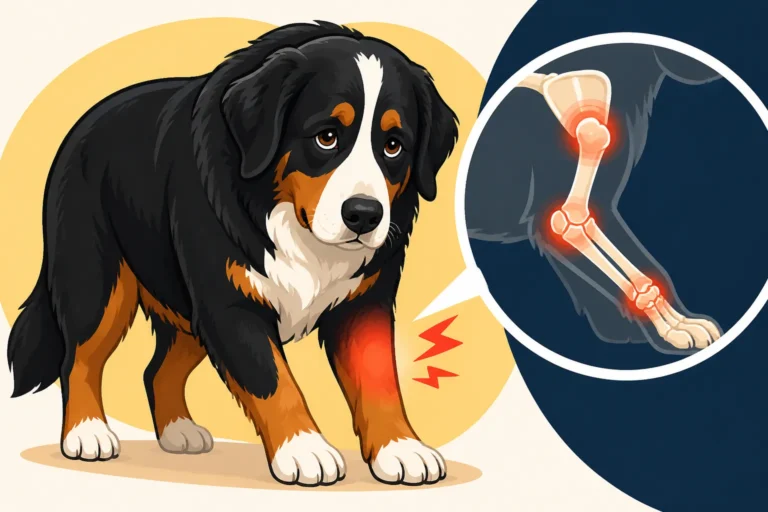
Canine hip dysplasia is a devastating condition characterized by the abnormal development of the hip joint. Instead of a smooth, snug fit, the ball (femoral head) and socket (acetabulum) of the hip joint don't align correctly, leading to looseness or laxity. Over time, this poor fit causes grinding and rubbing, resulting in deterioration, pain, and the development of degenerative joint disease, or arthritis. For a large, active breed like the Bernese Mountain Dog, who can weigh well over 100 pounds, even minor laxity can become a significant problem under such immense weight.
The condition is notoriously painful and progressive, often starting subtly. You might notice your Berner being reluctant to jump, a slight limp after exercise, or difficulty getting up from a lying position. These are often the first tell-tale Signs a Bernese Mountain Dog's Hips Hurt. As the disease advances, the cartilage and bone within the joint become damaged, leading to chronic pain, muscle atrophy, and severe mobility limitations. Sadly, many Berners develop Arthritis in a Bernese Mountain Dog by Six due to underlying conditions like hip dysplasia, making their middle and later years a struggle. It's a silent threat because puppies often show no outward signs, yet the genetic blueprint for future pain is already there.
The Role of Certification in Responsible Breeding
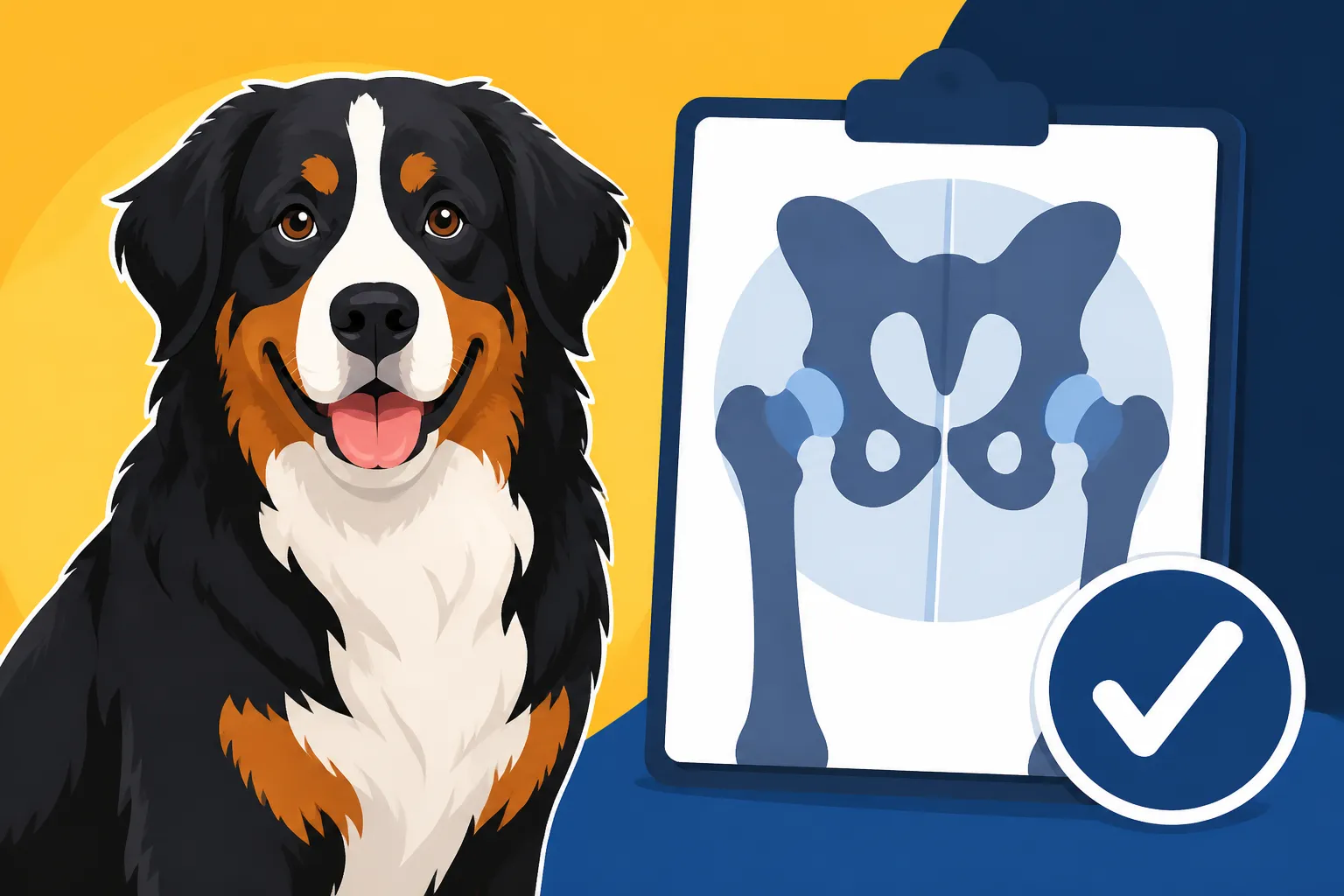
This is where hip certification becomes absolutely vital. The primary goal of hip certification programs is to identify dogs with healthy hips suitable for breeding, thereby reducing the incidence of hip dysplasia in future generations. A responsible breeder will meticulously screen their breeding stock, ensuring that both parents have passed hip evaluations from reputable organizations. This isn't just about obtaining a piece of paper; it's about making informed decisions to improve the health outcomes for every puppy born.
When you're searching for a Bernese Mountain Dog puppy, examining the hip certifications of the parents is one of the most critical steps you can take. A breeder who proudly shares these results, and can explain them, demonstrates a commitment to the breed's health. Conversely, a breeder who shrugs off health testing or makes excuses should be a major red flag. By choosing a puppy from certified parents, you are significantly decreasing the likelihood that your own Berner will suffer from severe hip dysplasia, potentially saving you from extensive veterinary bills and emotional distress. Investing in a puppy from a thoroughly health-tested litter, often reflected in What a Fully Cleared Bernese Mountain Dog Litter Sells For, is an investment in a healthier future for your furry family member.
Understanding the Different Certification Organizations and Their Reports
Navigating the world of canine hip health can feel like learning a new language, especially with various organizations offering different assessment methods. However, understanding these key players is essential for interpreting your Bernese Mountain Dog's hip certificate accurately.
The Orthopedic Foundation for Animals OFA
The Orthopedic Foundation for Animals, or OFA, is perhaps the most widely recognized and utilized certification body in North America. Their system is based on radiographic evaluations, meaning they assess X-rays of a dog's hips. For a final OFA certification, your Bernese Mountain Dog must be at least 24 months old. This age is critical because it allows the hip joints to mature sufficiently, providing a more accurate assessment of their conformational health. The process involves submitting specific X-ray views taken by a licensed veterinarian, which are then reviewed by three independent, board-certified veterinary radiologists.
These radiologists evaluate the X-rays for seven key points of conformation and assign a consensus score. The OFA hip ratings are categorized into a spectrum of seven grades: Excellent, Good, Fair, Borderline, Mild, Moderate, and Severe. The first three – Excellent, Good, and Fair – are considered "passing" grades, indicating that the dog's hips are free of radiographic evidence of hip dysplasia and are deemed suitable for breeding. "Excellent" indicates superior hip conformation, with a tightly fitting joint. "Good" describes a well-formed, congruent hip joint. "Fair" means the hips are still within the normal range but exhibit minor irregularities. Beyond these, "Borderline" suggests some changes, "Mild" indicates definite, but mild, signs of dysplasia, and "Moderate" and "Severe" denote significant and debilitating hip dysplasia. When reviewing a certificate, seeing "OFA Hips: Good" or "OFA Hips: Fair" is still a positive outcome. You can easily verify any Bernese Mountain Dog's OFA status by Looking Up a Bernese Mountain Dog on the OFA Website.
PennHIP – A Different Approach to Hip Health
While OFA assesses hip conformation, PennHIP (which stands for the University of Pennsylvania Hip Improvement Program) focuses on measuring hip laxity – essentially, how loose the hip joint is. This method is often considered more sensitive in detecting a dog's susceptibility to hip dysplasia. The PennHIP procedure involves taking three specific X-ray views under sedation: a standard extended view (similar to OFA's), a compression view to measure the tightest possible fit of the joint, and a distraction view to measure the maximum amount of laxity in the joint.
One of the significant advantages of PennHIP is that it can be performed on dogs as young as 16 weeks, offering an earlier indicator of a dog's genetic predisposition to hip dysplasia compared to OFA's 24-month requirement for final certification. The results are expressed as a "Distraction Index" (DI) for each hip, a numerical value that quantifies the amount of laxity. A DI closer to 0 indicates a very tight hip joint, while a DI closer to 1 indicates extreme laxity. PennHIP also provides a percentile ranking, showing how your dog's hips compare to other dogs of the same breed in their database, allowing breeders to select dogs whose hips are tighter than the breed average. Many breeders find this objective measurement invaluable for making breeding decisions.
International Certifications: OVC, BVA, FCI
Beyond OFA and PennHIP, you might encounter hip certifications from other countries, particularly if you're looking at Bernese Mountain Dogs with European lineage. These international systems share the common goal of assessing hip health but utilize slightly different methodologies and scoring scales.
The Orthopedic Veterinary Council (OVC) is Canada's primary hip and elbow screening program, using a similar radiographic evaluation to OFA, but with their own grading system. In the United Kingdom, the British Veterinary Association (BVA) operates a scheme where X-rays are scored for nine different features on each hip, resulting in a total score out of 106 (lower scores are better). For instance, a common standard for breeding in the UK is a total hip score of 10 or less per hip, or a total score under 10 for both hips combined. The Fédération Cynologique Internationale (FCI), a global canine organization, oversees health testing standards across many European countries. Their hip grading system typically ranges from A (excellent) to E (severe dysplasia), with A and B being considered suitable for breeding. While the specific numerical values or descriptive terms may differ, the underlying principle remains: these certificates aim to provide an objective assessment of hip joint health to guide breeding practices and inform owners.
Decoding Your Bernese Mountain Dog's Hip Certificate
Once you have a Bernese Mountain Dog's hip certificate in hand, it's time to translate the technical jargon into practical understanding. Each certification type will present information slightly differently, but knowing what to look for will make all the difference.
Key Information on an OFA Certificate
An OFA certificate is quite comprehensive and provides a clear summary of the evaluation. Here's a breakdown of the key elements you'll typically find and what they signify:
- Dog's Registered Name: This is the official name of the dog as registered with the American Kennel Club (AKC) or other national kennel clubs. Always cross-reference this with the pedigree.
- Breed: Clearly states "Bernese Mountain Dog."
- Registration Number: The AKC or equivalent registration number, which helps confirm the dog's identity.
- Tattoo/Microchip: The unique identifier for the dog, crucial for verification.
- Date of Birth: The dog's birth date. This is important to ensure the dog was at least 24 months old at the time of the final OFA X-ray. If the X-ray was performed earlier, it might be a preliminary evaluation, not a final certification.
- Age at X-ray: The dog's exact age in months and days when the X-rays were taken. For official final certification, this should be 24 months or older.
- Owner's Name and Address: Identifies the owner at the time of certification.
- Veterinarian and Clinic Information: Details of the vet who took the X-rays, and the clinic.
- OFA Number: This is the unique identifier for this specific OFA certification. It will typically start with the breed code (e.g., "BMD" for Bernese Mountain Dog), followed by the hip rating (e.g., "G" for Good, "F" for Fair), and then a series of numbers and letters. This number is your golden ticket for verifying results on the OFA public database.
- Date of Certification: The date the OFA issued the certificate.
- Hip Evaluation: This is the most crucial part – the overall hip rating. It will state "OFA Hips: Excellent," "OFA Hips: Good," or "OFA Hips: Fair" if the dog passed. If the dog failed, it would show "Mild," "Moderate," or "Severe."
Let's look at a quick summary table for OFA hip ratings:
| OFA Hip Rating | Interpretation (for Bernese Mountain Dogs) | Suitability for Breeding |
|---|---|---|
| Excellent | Superior hip conformation, very tight joints. | Highly Recommended |
| Good | Well-formed, congruent hip joints. | Recommended |
| Fair | Hips within normal range but with minor irregularities. | Acceptable |
| Borderline | Hips nearly normal, but with some radiographic changes. | Re-evaluate; typically not recommended for breeding. |
| Mild | Definitive, but mild, evidence of hip dysplasia. | Not Recommended |
| Moderate | Significant evidence of hip dysplasia, marked changes. | Not Recommended |
| Severe | Extreme hip dysplasia, debilitating changes. | Not Recommended |
Interpreting a PennHIP Report
PennHIP reports are more quantitative, focusing on specific measurements rather than subjective grades alone. While they might look more technical, they provide clear, objective data. Here’s what you’ll typically find:
- Dog Information: Similar to OFA, this section includes the dog's name, breed, ID (tattoo/microchip), sex, and date of birth.
- Client/Veterinarian Information: Details of the submitting veterinarian and clinic.
- Distraction Index (DI): This is the core of the PennHIP evaluation. You'll see a DI for both the left and right hip. Remember, a lower DI indicates tighter hips. For Bernese Mountain Dogs, the average DI can vary, but generally, breeders aim for DIs that are well below the breed average.
- Laxity Profile Chart: This visual chart typically compares your dog's DI to the average DI of the Bernese Mountain Dog breed and the range of DIs observed in the breed. It graphically shows where your dog falls within the breed's laxity distribution.
- Percentile Ranking: This is incredibly helpful. It tells you what percentage of Bernese Mountain Dogs in the PennHIP database have hips looser than your dog's. For example, a dog with a DI in the 70th percentile means that 70% of Berners in the database have hips looser than this dog, and only 30% have tighter hips. Breeders want dogs with low DIs and high percentile rankings (meaning their hips are tighter than most of the breed).
- Degenerative Joint Disease (DJD) Score: PennHIP also assesses for signs of DJD, which is essentially arthritis, within the hip joints. This is a separate evaluation from the laxity measurement.
- Final Statement: A concluding statement often indicates whether the dog is considered "at low risk," "at medium risk," or "at high risk" for developing hip dysplasia based on its DI compared to the breed's historical data.
For a Bernese Mountain Dog, a generally desirable PennHIP DI would be in the range of 0.30 to 0.45 or lower, placing them among the tighter-hipped individuals in the breed. However, what constitutes "good" can still be relative to the breed's average, which is why the percentile ranking is so valuable.
Beyond the Certificate: What Else to Consider for Hip Health
While a hip certificate is an invaluable tool for understanding your Bernese Mountain Dog's genetic predisposition, it's crucial to remember it's not the entire picture. A healthy dog involves a complex interplay of genetics, environment, nutrition, and lifestyle.
The Limitations of Certification
A hip certification, whether from OFA, PennHIP, or another body, is essentially a snapshot in time. It assesses the anatomical structure of the hips at the moment the X-rays are taken. While a dog with "Good" or "Excellent" hips has a statistically lower chance of developing severe hip dysplasia, it's not an absolute guarantee against the condition or other joint issues. Environmental factors play a significant role. For instance, improper exercise during growth, obesity, or even nutrient imbalances can still contribute to joint problems, even in a dog with genetically sound hips. A Bernese Mountain Dog might have perfect hip conformation but could still develop issues if Every Pound a Bernese Mountain Dog's Hips Carry is excessive due to obesity, putting undue strain on the joints.
Furthermore, genetics are complex. Even two parents with excellent hip scores can, in rare cases, produce offspring with hip dysplasia if there are other, less understood genetic modifiers at play. This highlights why responsible breeding programs don't just rely on individual dog scores but also consider the hip health of the dog's ancestors and siblings, seeking to establish strong lines of healthy dogs. Certificates are foundational, but they are a piece of a larger puzzle.
Proactive Steps for Your Berner's Joint Health
Since genetics aren't the sole determinant, owners have a powerful role to play in promoting their Bernese Mountain Dog's joint health throughout their life.
1. Proper Nutrition from Puppyhood: This is foundational. Large and giant breed puppies like Bernese Mountain Dogs need specialized large breed puppy food that supports slow, controlled growth. Excessive calcium or calories can lead to rapid growth that outpaces bone and joint development, increasing the risk of orthopedic problems. Understanding Why a Bernese Mountain Dog Puppy Needs Controlled Calcium is paramount to preventing skeletal issues.
2. Controlled Exercise: During the critical growth phase (up to 18-24 months), strenuous, high-impact activities should be limited. Long walks, jumping, and repetitive running on hard surfaces can put undue stress on developing joints. Stick to the "five-minute rule" (five minutes of exercise per month of age, twice a day) for puppies. Understanding The Five Minute Rule and a Bernese Mountain Dog Puppy can save you a lot of trouble down the line. As they mature, ensure exercise is consistent but not excessive, focusing on activities like swimming or gentle hikes.
3. Maintaining a Healthy Weight: Obesity is a silent killer for joints. Every extra pound your Bernese Mountain Dog carries significantly increases the load on their hips, elbows, and knees, accelerating wear and tear and exacerbating any existing joint issues. Keeping your Berner at a lean, healthy weight is one of the most impactful things you can do to preserve their joint health and potentially extend their lifespan. Research shows Whether a Lean Bernese Mountain Dog Lives Longer, and it often comes down to maintaining an ideal body condition.
4. Supportive Environment: Provide orthopedic beds that offer good support, especially as your Berner ages. Use rugs or runners on slippery floors to provide traction and prevent slips and falls, which can injure joints.
5. Regular Veterinary Check-ups: Routine visits allow your vet to monitor your dog's weight, gait, and overall health, catching subtle signs of discomfort early. They can also recommend appropriate joint supplements or other preventive measures. Many owners choose to have pet insurance, such as Healthy Paws, to help cover unexpected health issues, making it easier to afford these preventive steps and any future treatments without financial stress.
6. Joint Supplements: Many Berner owners consider starting joint supplements like glucosamine, chondroitin, and omega-3 fatty acids early, often in consultation with their vet. While not a cure, these supplements can support cartilage health and reduce inflammation.
The Human Element: Breeder Responsibility and Owner Diligence
Ultimately, the best defense against hip dysplasia begins with thorough research and a commitment to transparency.
1. Finding a Reputable Breeder: This cannot be stressed enough. A reputable Bernese Mountain Dog breeder will not only conduct hip certifications but will also openly share these results, explain them, and discuss the hip health of their entire breeding line. They should be able to provide OFA numbers or PennHIP reports for both parents and ideally for grandparents too. They should also participate in databases like Berner-Garde, where you can delve deep into health statistics and pedigrees. Knowing What the Berner-Garde Database Records allows you to perform your own due diligence.
2. Verifying Certifications: Don't just take a breeder's word for it. Utilize the public databases provided by OFA and PennHIP to verify the certifications yourself. Look up the registered names or OFA numbers of the parent dogs. This ensures authenticity and that the information you've been given is accurate and up-to-date.
3. Preparing for the Future: Even with the most meticulous breeding, no guarantee is absolute. Bernese Mountain Dogs are prone to various health issues, and being financially prepared is part of responsible ownership. Comprehensive pet insurance from providers like Healthy Paws can be a lifesaver, covering a significant portion of costs for unexpected injuries or illnesses, including chronic conditions like hip dysplasia if they emerge. This allows you to focus on your dog's care rather than worrying about exorbitant veterinary bills.
What to Do If Your Bernese Mountain Dog Has Dysplasia
Receiving a diagnosis of hip dysplasia for your beloved Bernese Mountain Dog can be devastating, but it's important to remember that there are many ways to manage the condition and maintain a good quality of life for your companion. It's a journey that requires patience, commitment, and a strong partnership with your veterinary team.
Management and Treatment Options
The approach to treating hip dysplasia is highly individualized, depending on the severity of the condition, your dog's age, overall health, and your family's circumstances. There are both non-surgical and surgical avenues to explore.
1. Non-Surgical (Conservative) Management:
For many Bernese Mountain Dogs, especially those with mild to moderate dysplasia, conservative management can significantly improve their comfort and mobility. This typically involves a multi-modal approach:
- Weight Management: This is often the single most critical factor. Keeping your Berner lean reduces the stress on their compromised joints. Work with your vet to establish an ideal weight and a diet plan to achieve it.
- Pain Management: Your veterinarian will likely prescribe non-steroidal anti-inflammatory drugs (NSAIDs) or other pain relievers to manage discomfort and reduce inflammation. These can make a huge difference in your dog's daily comfort, though long-term use requires careful monitoring. You might be surprised by Pain Medication Costs for an Arthritic Bernese Mountain Dog, so planning for this is wise.
- Joint Supplements: Glucosamine, chondroitin, MSM, and Omega-3 fatty acids are commonly recommended to support cartilage health and reduce inflammation. While not a cure, they can be beneficial for long-term joint health.
- Physical Rehabilitation: Veterinary physical therapy, including hydrotherapy, therapeutic exercises, and massage, can strengthen supporting muscles, improve range of motion, and reduce pain. A certified canine rehabilitation therapist can create a tailored program for your dog.
- Environmental Modifications: Providing orthopedic beds, ramps to avoid jumping, and non-slip flooring can make a huge difference in your Berner's comfort and safety at home.
2. Surgical Interventions:
When conservative management isn't enough to maintain a good quality of life, surgery may be considered. The type of surgery depends on the dog's age, size, and the severity of the dysplasia.
- Juvenile Pubic Symphysiodesis (JPS): This procedure is performed on young puppies (typically 16-20 weeks old) to alter the growth of the pelvis, encouraging better hip development. It's a preventive measure and not suitable for older dogs with established dysplasia.
- Triple Pelvic Osteotomy (TPO) / Double Pelvic Osteotomy (DPO): These surgeries are usually performed on younger dogs (under 10-12 months) with moderate hip laxity but no existing arthritis. They involve cutting and rotating the pelvic bones to improve the coverage of the femoral head by the acetabulum, creating a tighter joint.
- Femoral Head Ostectomy (FHO): In this procedure, the head of the femur (thigh bone) is removed. The body then forms a "false joint" of scar tissue. FHO is typically considered for smaller dogs or specific cases in larger dogs where other options aren't viable. It can alleviate pain, but typically results in some degree of limb shortening and altered gait.
- Total Hip Replacement (THR): This is the gold standard for treating severe hip dysplasia in mature dogs. It involves replacing both the ball and socket components of the hip joint with prosthetic implants. THR offers the best chance for complete pain relief and restoration of normal function. However, it is a complex, invasive, and expensive procedure. When considering options like The Case for Replacing a Bernese Mountain Dog's Hip, the costs can be substantial, often running into many thousands of dollars per hip. This is precisely where having pet insurance, such as a comprehensive plan from Healthy Paws, can be invaluable. A good policy can cover a significant portion of these high-cost surgeries and ongoing rehabilitation, allowing you to prioritize the best possible care for your Berner without the overwhelming financial burden.
Regardless of the chosen path, the goal is always to improve your Bernese Mountain Dog's comfort and quality of life. Open communication with your veterinarian, asking questions, and seeking second opinions if needed, will help you make the most informed decisions for your cherished companion.
Disclaimer
The information provided in this guide is intended for general informational purposes only and does not constitute veterinary medical advice. Always consult with a qualified veterinarian for any health concerns or before making any decisions related to your Bernese Mountain Dog's health and treatment.