Flea, Tick and Worm Doses at Bernese Mountain Dog Weight
It’s a constant worry for Bernese Mountain Dog owners: ensuring your gentle giant is protected from parasites, but doing so safely and effectively when their sheer size often complicates everything from dosing to product choice. This comprehensive guide will walk you through the ins and outs of flea, tick, and worm prevention for your large Berner, focusing on accurate dosing, product considerations, and common challenges. We'll help you understand how to keep your beloved companion healthy without compromise.
The Constant Battle Against External Parasites: Fleas and Ticks
Fleas and ticks aren't just an itchy nuisance; they are carriers of serious diseases that can severely impact your Bernese Mountain Dog's health. For a breed with such a magnificent, dense coat, these tiny invaders can be particularly difficult to spot and even harder to eradicate once they take hold. Understanding the risks and preventative measures is crucial for any Berner parent.
The Flea Lifecycle and Bernese Challenges
Fleas are persistent little creatures, and for a Bernese Mountain Dog with their thick double coat, they find an almost perfect sanctuary. It's not just about the adult fleas you might spot jumping on or off your dog; the majority of the flea population – eggs, larvae, and pupae – are found in the environment, lurking in carpets, bedding, and even in the grass outside. This means that even if you treat your dog, if you don't treat your home, you're fighting a losing battle. The sheer volume of fur on a Bernese can make visual inspection incredibly challenging, often by the time you notice your dog scratching incessantly, a full-blown infestation is already underway. This can lead to skin irritation, allergic dermatitis, and in severe cases, anemia, especially in puppies. Imagine trying to comb through all that glorious hair to find tiny, fast-moving pests; it's a monumental task, and often, owners don't realize the extent of the problem until it's become quite advanced.
Tick-Borne Diseases and Prevention
Ticks are another formidable foe, especially for Bernese Mountain Dogs who love spending time outdoors, whether it's a stroll in the park or a hike in a wooded area. These arachnids latch onto your dog, feeding on their blood, and in doing so, can transmit a host of debilitating diseases like Lyme disease, ehrlichiosis, and anaplasmosis. For a large breed like a Berner, detecting a tick can be like finding a needle in a haystack due to their dense coat and skin folds. The consequences of these diseases can be severe, leading to lameness, lethargy, fever, and even kidney damage. Early and consistent prevention is your best defense. This is why regular tick checks, particularly after outdoor excursions, are non-negotiable, even if your dog is on a preventative. Pay close attention to areas like around the ears, between the toes, and in the armpits. If you do find a tick, removing it promptly and correctly is vital to minimize disease transmission.
Understanding Internal Worms: A Hidden Threat for Berners
While external parasites are often visible and cause obvious discomfort, internal worms are a silent threat, often going unnoticed until they cause significant health issues. These microscopic or macroscopic invaders can reside in your Bernese Mountain Dog's intestines, heart, or other organs, slowly but surely impacting their vitality. Regular deworming and prevention are cornerstones of responsible Bernese Mountain Dog ownership.
Common Worms in Berners
Bernese Mountain Dogs, like all dogs, are susceptible to various types of intestinal worms, with roundworms, hookworms, whipworms, and tapeworms being the most common culprits. Roundworms are often seen in puppies, passed from mother to offspring, and can lead to a pot-bellied appearance, poor growth, and vomiting. Hookworms, insidious bloodsuckers, can cause anemia and lethargy, particularly dangerous for younger or immunocompromised dogs. Whipworms are notoriously difficult to detect and can cause chronic diarrhea and weight loss. Tapeworms are usually acquired by ingesting fleas or rodents and appear as rice-like segments around the anus.
The signs of these internal parasites can be subtle at first: a dull coat, a slight cough, reduced energy, or changes in appetite. Because Berners are so stoic and often hide discomfort, these early indicators might be easy to miss. Regular fecal exams, as part of your What a Bernese Mountain Dog Checkup Includes After Five or Seeing the Vet Twice a Year With a Berner routine, are essential for early detection, even if your dog appears outwardly healthy. It's not uncommon for a new Bernese puppy to come with a mild worm burden, which is why a vet visit shortly after bringing them home is so important.
Heartworm: A Silent Killer
Perhaps the most insidious internal parasite is heartworm, a potentially fatal disease transmitted by mosquitoes. These worms live in the heart, lungs, and associated blood vessels of affected pets, causing severe lung disease, heart failure, and damage to other organs. The early stages of heartworm disease often show no symptoms, making it a "silent killer." By the time signs like a persistent cough, reluctance to exercise, fatigue after moderate activity, decreased appetite, or weight loss appear, the disease is often advanced and much more challenging—and expensive—to treat.
Given the significant health risks and the complex, costly treatment involved, preventing heartworm disease is paramount for Bernese Mountain Dogs. Treatment for established heartworm disease can be arduous, lengthy, and carries risks, often requiring strict rest and multiple rounds of medication. This is why veterinarians strongly advocate for year-round heartworm prevention, regardless of your climate or region. Even if you don't think your area has many mosquitoes, it only takes one bite from an infected mosquito to transmit the larvae. Consistent monthly or injectable prevention is the key to protecting your Berner's heart and ensuring their longevity.
Navigating the World of Parasite Preventatives for Your Giant
Choosing the right parasite preventative for your Bernese Mountain Dog can feel overwhelming with the sheer number of options available. It's not a one-size-fits-all situation, and what works perfectly for a Chihuahua simply won't be appropriate or effective for a hundred-pound Berner. The decision should always be made in close consultation with your veterinarian, taking into account your dog's lifestyle, health history, and local parasite prevalence.
Types of Preventatives
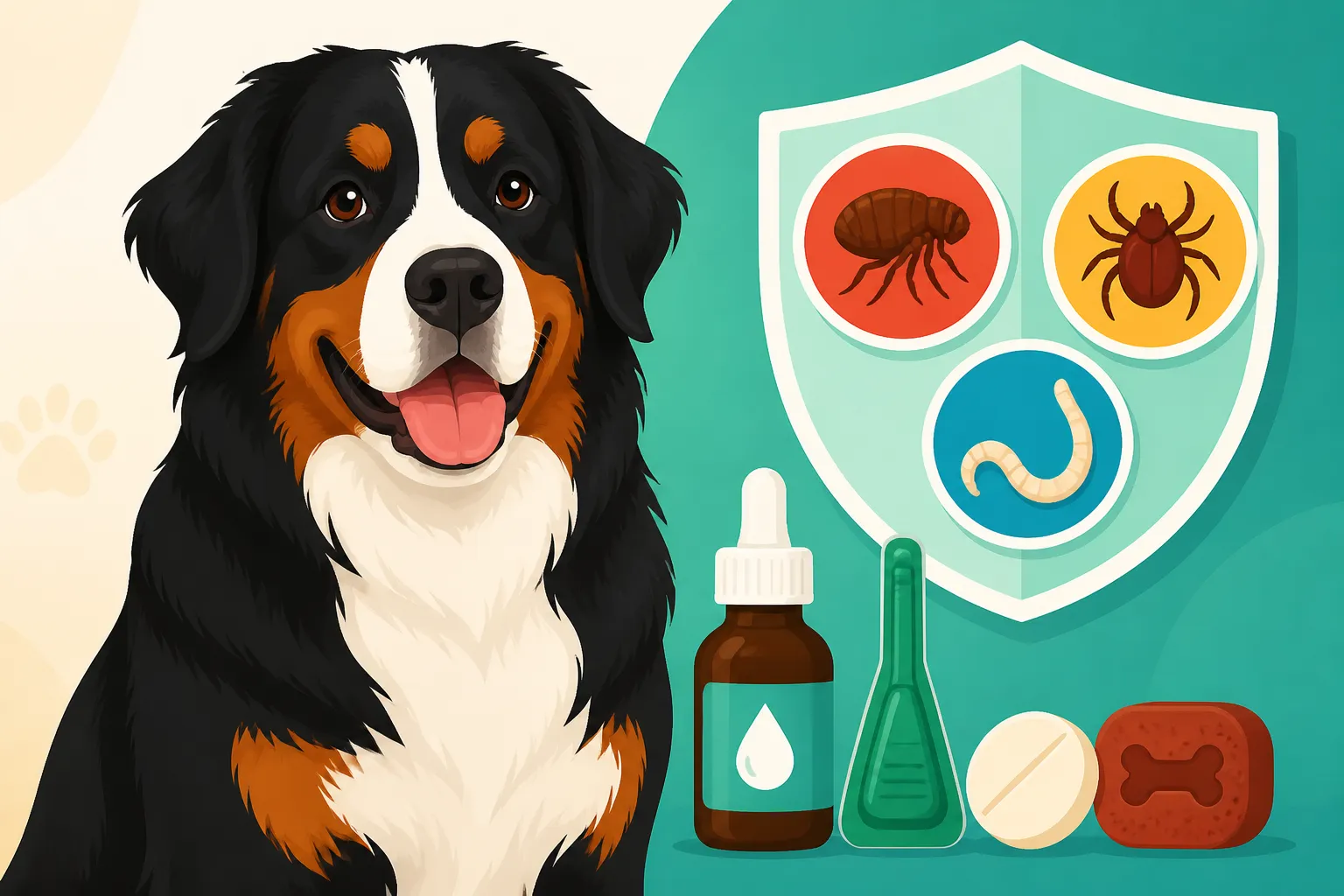
The market offers a diverse range of parasite preventatives, each with its own mode of action and application method. These broadly fall into several categories:
- Oral Medications: These come in chewable tablets or flavored soft chews and are typically given monthly. They are popular because they are often highly palatable, effective against a broad spectrum of parasites (fleas, ticks, and various worms, including heartworm), and can't be washed off. Many Bernese owners find these convenient to administer, often disguising them in a bit of cheese or peanut butter. They work by entering the dog's bloodstream, killing parasites when they feed.
- Topical Spot-Ons: Applied to the skin, usually between the shoulder blades, these liquid treatments spread over the dog's skin and coat. They are typically applied monthly and protect against fleas, ticks, and sometimes other parasites. For a Bernese Mountain Dog, ensuring the product reaches the skin through their dense coat, rather than just sitting on the fur, is critical for effectiveness. Care must also be taken to prevent children or other pets from touching the wet application site.
- Collars: Certain collars, especially those utilizing newer active ingredients, can offer long-lasting protection (several months) against fleas and ticks. These collars release their active ingredients onto the dog's coat and skin. They can be a convenient option, but ensuring a proper fit for a large Berner and monitoring for skin irritation are important.
- Injectable Preventatives: Currently, primarily available for heartworm prevention, these injections are administered by a veterinarian and offer protection for 6 or 12 months. This can be an excellent option for owners who struggle with remembering monthly doses or who have difficulty administering oral or topical treatments to their large dog.
Here's a quick comparison of common preventative types:
| Preventative Type | Application Method | Common Coverage | Frequency | Pros | Cons |
|---|---|---|---|---|---|
| Oral Chewables/Tablets | Ingested by mouth | Fleas, Ticks, Heartworm, Various Intestinal Worms | Monthly | Easy to administer (often flavored), not affected by bathing/swimming, broad spectrum, no residue | May cause gastrointestinal upset in some dogs, requires dog to eat it willingly, may not be suitable for dogs with certain medical conditions |
| Topical Spot-Ons | Applied to skin between shoulder blades | Fleas, Ticks (some cover other parasites) | Monthly | Easy application for many, no need for dog to ingest, effective | Can leave residue on fur, needs to be applied directly to skin (hard with thick coats), bathing can reduce effectiveness if done too soon, potential for skin irritation |
| Medicated Collars | Worn around the neck | Fleas, Ticks | Multiple months | Long-lasting, convenient for busy owners, no need to ingest or apply liquid | Must be fitted correctly, potential for skin irritation or hair loss under collar, may not be effective if not worn consistently or if exposed to water frequently |
| Injectables | Administered by vet | Heartworm | 6-12 months | Highly convenient, no missed doses, reliable protection, good for dogs with administration challenges | Only covers heartworm (other preventatives still needed), requires vet visit, some dogs may have injection site reactions |
Choosing the Right Product with Your Vet
With so many options, how do you make the right choice for your Bernese Mountain Dog? This is where your veterinarian becomes your most invaluable resource. They have an in-depth understanding of the local parasite risks, your dog's individual health profile, and the nuances of each product. For instance, if you live in an area with a high prevalence of Lyme disease, your vet might recommend a product with strong tick efficacy, possibly combined with The Bernese Mountain Dog Health Panel as a baseline. If your Berner has a sensitive stomach, an oral preventative might not be the best fit.
Discuss your dog's lifestyle—are they primarily an indoor companion, or do they accompany you on long hikes? Do they swim frequently? These factors will influence the best choice. Some products, like those found on reputable online retailers like Chewy after a prescription, are excellent for convenience, but the initial product selection and dosage should always come from your vet. They can also advise on potential interactions with other medications your Bernese might be taking. Don't be afraid to ask questions about side effects, efficacy, and ease of administration. This partnership with your vet is key to a robust and safe parasite prevention plan.
The Importance of Accurate Dosing for a Hundred-Pound Bernese Mountain Dog
When dealing with a majestic breed like the Bernese Mountain Dog, their sheer size significantly impacts how preventative medications are dosed. It's not simply a matter of "more is better" or guessing; accurate dosing is absolutely critical for efficacy and safety. An underdosed preventative may fail to protect your Berner, leaving them vulnerable to dangerous parasites, while an overdose could lead to serious health complications.
Why Weight Matters So Much
The dosing of flea, tick, and heartworm medications is almost universally based on body weight. This is because the active ingredients need to reach a specific concentration in the dog's system to be effective against parasites, but without causing harm to the dog itself. For a Bernese Mountain Dog, who can easily weigh 80, 100, or even 120 pounds, this means they often fall into the highest weight categories for these medications. The difference between a dose for a 50-pound dog and a 100-pound dog is substantial, and getting it wrong can have serious implications.
Imagine trying to medicate a giant like a Berner with a dose meant for a much smaller dog; the concentration of medication circulating in their system simply wouldn't be enough to kill off parasites effectively. Conversely, an accidental overdose, while rare with careful adherence to instructions, could potentially overwhelm their system, leading to adverse reactions. This is why always reading the label and understanding the weight ranges is paramount. Never assume; if your Berner is on the cusp of a weight range, always consult your veterinarian to confirm the correct dosage. Their weight isn't just a number; it's a critical factor in their medication protocol.
Administering Doses Safely
Administering medication to a large, sometimes opinionated, Bernese Mountain Dog requires a bit of patience and strategy. Whether it's an oral chew, a topical spot-on, or a pill, safe administration is key.
For oral medications, many come in palatable chews, which can make things easier. However, some Berners can be suspicious. You might need to hide the chew in a favorite treat, like a dollop of peanut butter (check for xylitol, which is toxic to dogs!), a piece of cheese, or even mold it into a meatball. Always ensure your dog actually swallows the medication and doesn't just chew it up and spit it out later, a trick many smart dogs learn. If they refuse it in food, gentle pilling might be necessary, where you open their mouth and place the pill at the back of their tongue, then gently hold their muzzle closed and stroke their throat until they swallow.
For topical spot-ons, the challenge with a Bernese is getting the liquid directly onto the skin and not just saturating their dense fur. Part the fur firmly between the shoulder blades until you can see the skin, and apply the product directly to that spot. Ensure your dog can't lick the application site, and prevent other pets or children from touching it until it's completely dry, which can take several hours on a big dog. Distractions like a chew toy or a short, supervised walk can help keep them from fussing with it.
No matter the method, always ensure you're using products specifically formulated for dogs and that are appropriate for their age and weight. Never use cat products on dogs or vice versa, and avoid splitting larger doses into smaller ones without explicit veterinary guidance. Keep all medications out of reach of pets and children. Consistent and correct administration is your dog's best defense against parasites.
Common Challenges and Considerations for Bernese Mountain Dog Parasite Control
Even with the best intentions and the right products, managing parasite control for a Bernese Mountain Dog isn't always straightforward. Their unique characteristics, from their thick coat to their potential for sensitivity, can present specific challenges. Being prepared for these can make the process smoother and ensure your Berner stays protected.
Potential Side Effects and Allergies
While modern parasite preventatives are generally very safe, no medication is entirely without potential side effects. For Bernese Mountain Dogs, like any breed, individual sensitivities can occur. Oral medications might occasionally cause mild gastrointestinal upset, such as vomiting or diarrhea. Topical applications could lead to local skin irritation, redness, or temporary hair loss at the application site. More rarely, some dogs may experience neurological symptoms like lethargy, tremors, or ataxia.
It's important to be vigilant after administering any new preventative. Observe your Bernese closely for a day or two for any unusual behavior or physical symptoms. If you notice anything concerning, contact your veterinarian immediately. They can advise whether the symptoms are mild and transient, or if a different product or approach is needed. Sometimes, a simple change in timing (e.g., giving medication with a meal instead of on an empty stomach) can mitigate minor issues. If your Bernese has a history of allergies or sensitivities to medications, be sure to discuss this thoroughly with your vet when choosing a preventative. This proactive conversation is part of The Bernese Mountain Dog Health Panel discussions.
Cost and Long-Term Management
Let's be realistic: owning a Bernese Mountain Dog comes with significant financial responsibilities, and parasite control is a consistent line item on that budget. Given their size, Berners typically require the largest doses, which means the cost per dose is often higher than for smaller breeds. Multiply that by monthly or quarterly applications for several years, and it adds up. This is part of What a Healthy Bernese Mountain Dog Costs Monthly and contributes to Eight Years of Bernese Mountain Dog Bills.
However, viewing parasite prevention as an investment rather than an expense is key. The cost of prevention is almost always significantly less than the cost of treating a full-blown infestation or, worse, a serious parasite-borne illness like heartworm disease or Lyme disease. Treating a chronic flea allergy, managing a severe tick-borne illness with multiple vet visits, diagnostic tests, and medications, or undergoing heartworm treatment can run into thousands of dollars. Having a comprehensive pet insurance plan, like those offered by Healthy Paws, can certainly help mitigate the financial shock of unexpected illnesses, but consistent preventative care remains your first line of defense.
To manage costs, consider discussing bulk purchasing options with your vet for year-round supplies, or looking into prescription discounts available through online pharmacies like Chewy once your vet has provided a prescription. Some manufacturers also offer rebates or loyalty programs. Ultimately, long-term management means prioritizing prevention, budgeting for these essential medications, and maintaining a consistent schedule. Setting reminders on your phone or calendar can be invaluable to avoid missed doses, which can leave your big Berner vulnerable.
Maintaining a Proactive Approach to Bernese Mountain Dog Wellness
Caring for a Bernese Mountain Dog is a journey filled with joy, but also responsibility. Proactive health management, particularly concerning parasite control, is one of the most fundamental aspects of ensuring their long-term well-being. It’s about more than just reacting when a problem arises; it’s about consistently working to prevent those problems in the first place.
Environmental Control and Routine Checks
Beyond administering monthly preventatives, environmental control plays a significant role in minimizing your Bernese Mountain Dog's exposure to fleas and ticks. Regular vacuuming, especially in areas where your dog spends a lot of time (beds, carpets, favorite napping spots), can help remove flea eggs and larvae from your home. Washing your dog's bedding weekly in hot water is also crucial. For outdoor spaces, keeping grass mowed short and removing leaf litter can reduce tick habitats.
Making routine physical checks a part of your daily or weekly grooming ritual is also incredibly beneficial. Spend time feeling through your Berner's thick coat, especially after outdoor excursions. Look for bumps, scabs, or any signs of irritation. Pay close attention to areas like around their ears, under their chin, in their armpits, between their toes, and around their tail and groin – these are common hiding spots for ticks. Early detection means faster removal and reduces the chance of disease transmission. Even though their coat is dense, consistent Grooming a Bernese Mountain Dog's Long Tricolor Coat allows you to be hands-on and notice subtle changes. If you notice any Lumps a Bernese Mountain Dog Owner Should Not Watch, these routine checks are crucial.
The Role of Regular Veterinary Care
Your veterinarian is your partner in your Bernese Mountain Dog's health journey. Regular check-ups, often twice a year for a large breed like a Berner, are not just about vaccinations; they are an opportunity to discuss any concerns, ensure your parasite prevention plan is still appropriate, and conduct necessary screenings. These visits allow for fecal exams to detect internal parasites, and sometimes blood tests to screen for heartworm and tick-borne diseases, even if your dog is on preventative medication. Early detection of any issue can significantly impact treatment success and outcome.
Remember, parasite prevalence can change, and new products are constantly being developed. Your vet stays informed about these changes and can adjust your Bernese's preventative protocol as needed, based on their age, health status, and evolving environmental risks. They can also offer advice on other aspects of care, such as Joint Supplements in a Bernese Mountain Dog's Bowl or managing Itching Under a Bernese Mountain Dog's Thick Coat. Building a strong, trusting relationship with your vet ensures that you have expert guidance every step of the way in keeping your magnificent Bernese Mountain Dog as healthy and happy as possible.
Disclaimer
This article is for general informational purposes only and does not constitute professional advice. Laws, prices and regulations vary by location and change over time. Consult a qualified professional for guidance on your specific situation.