What a Bernese Mountain Dog Checkup Includes After Five
As your beloved Bernese Mountain Dog approaches or crosses the five-year mark, many owners start to feel that familiar pang of worry. These majestic, gentle giants, unfortunately, age faster than many other breeds, and what was a routine annual checkup for a younger dog begins to transform into something much more critical. This guide will walk you through what a comprehensive veterinary checkup for your Bernese Mountain Dog should ideally include once they hit that "senior" threshold, ensuring you're empowered to advocate for their best health in these precious years.
The Shift in Focus for Senior Bernese Mountain Dog Checkups
For a breed like the Bernese Mountain Dog, hitting five years old isn't just another birthday; it's a significant milestone that often ushers them into their senior years. While many smaller breeds are still in their prime at five, our Berners are already considered mature, and their bodies begin to experience the cumulative effects of their size and genetic predispositions. This shift means that your vet checkups need to evolve from focusing on preventative puppy care or mid-life maintenance to a much more proactive search for age-related conditions.
You've likely heard the heartbreaking statistics about the Bernese Mountain Dog's lifespan, and it's a constant, quiet concern for many owners. This reality makes every extra year, every healthy day, incredibly precious. Therefore, senior checkups aren't just about catching problems; they're about early detection, managing chronic conditions to maintain comfort and quality of life, and sometimes, even slowing the progression of diseases that are common to the breed. The goal is to maximize their good years, not just count them. It's about providing them with the best possible chance at a comfortable, joyful elderhood, even if it feels like it arrives too soon.
Core Elements of a Post-Five Bernese Mountain Dog Vet Visit
When you bring your Berner in for a checkup after their fifth birthday, expect a much more thorough, investigative approach than in their younger years. The veterinarian isn't just doing a quick once-over; they're looking for subtle changes that could indicate the onset of common senior ailments.
A Comprehensive Physical Examination
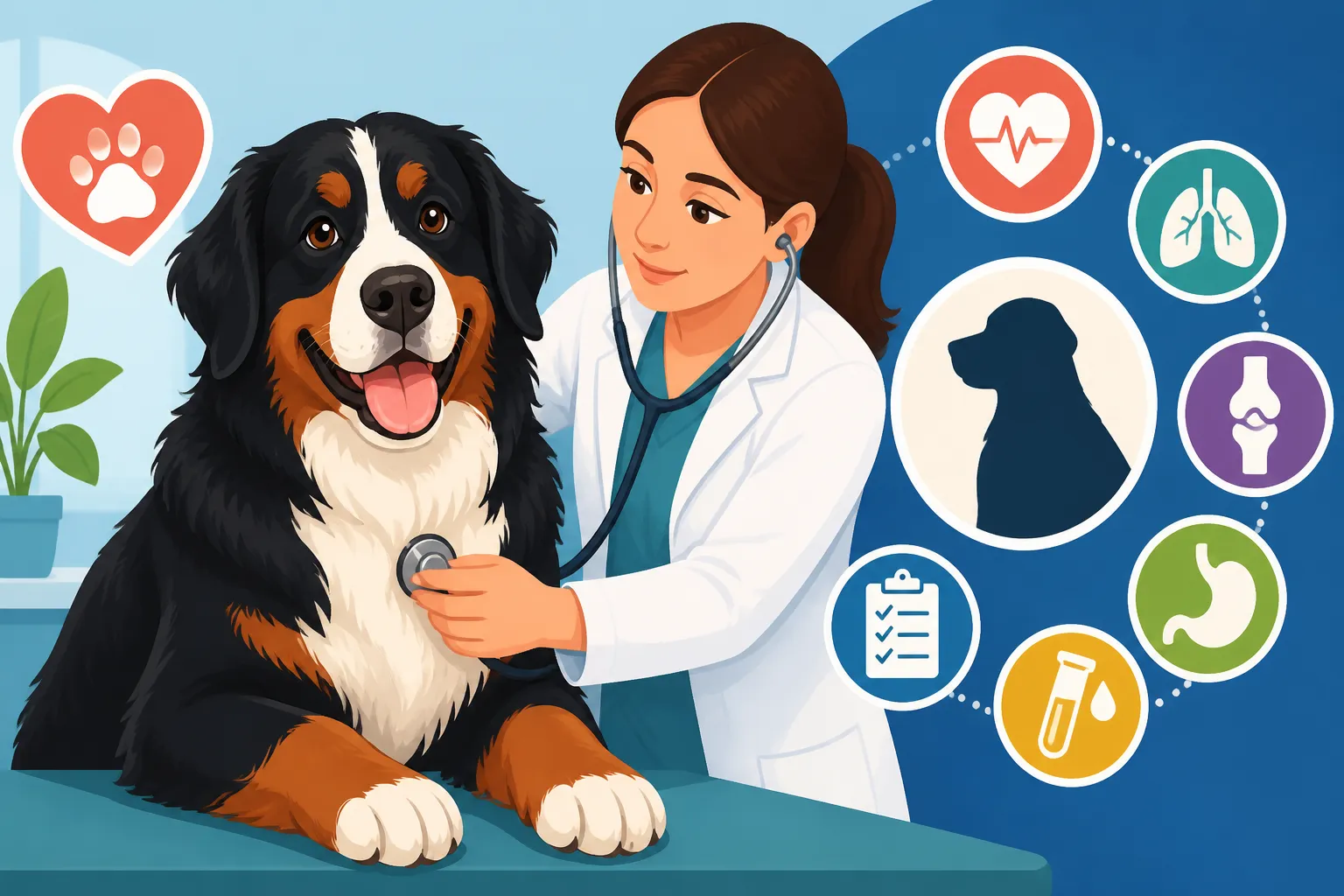
The physical exam remains the cornerstone of any vet visit, but for an older Berner, it becomes an exercise in meticulous detail. Your vet will palpate your dog's entire body, feeling for any unusual lumps, bumps, or swelling that could be indicative of tumors – something unfortunately all too common in the breed. They'll pay close attention to the joints, gently flexing and extending limbs to assess for signs of arthritis, stiffness, or pain, which are prevalent issues for a large, heavy-boned dog like a Bernese. You'll often hear them discuss Joint Disease in a Hundred Pound Bernese Mountain Dog as a serious concern.
Beyond the obvious, the physical exam will include a thorough check of their teeth and gums for dental disease, which can impact overall health and cause pain. Their eyes will be examined for cataracts or other changes that could affect vision, and ears will be checked for infections. Listening to their heart and lungs is also crucial, as heart conditions can develop with age. The vet will assess their gait and mobility, looking for any subtle limping, weakness, or changes in how they carry themselves that you might not even notice at home. Given their propensity for certain issues, like The Bernese Mountain Dog Whose Back Legs Give Out, these observations are extremely important.
In-Depth Discussion of Lifestyle and Behavioral Changes
A significant part of the senior checkup isn't just what the vet finds but what you observe. Your veterinarian will spend considerable time asking about any changes you've noticed at home. Have they been eating differently? Is their thirst increased or decreased? Are they urinating more often, or having accidents inside? Has their energy level changed, or are they reluctant to jump into the car or climb stairs?
These seemingly small details can be huge clues. A change in appetite might suggest anything from dental pain to kidney issues. Increased thirst and urination could point to kidney disease or even diabetes. Subtle lameness or slowness might be early signs of arthritis or even a more serious underlying condition. Even changes in their social interactions or sleep patterns can be significant. Your candid observations are incredibly valuable, acting as the 'eyes and ears' for your vet into your dog's daily life. Keep notes between visits to share with your vet; it can feel overwhelming to recall everything when you're on the spot!
Essential Diagnostic Tests for Your Aging Berner
While the physical exam gives your vet a great deal of information, much of what’s happening inside your senior Bernese Mountain Dog can only be revealed through diagnostics. These tests are essential for catching conditions early when treatment can be most effective, or at least help manage symptoms for better quality of life.
Comprehensive Bloodwork and Urinalysis
This is where a significant chunk of the senior checkup's value lies. Standard blood panels will typically include:
- Complete Blood Count (CBC): This measures red blood cells, white blood cells, and platelets. It can indicate anemia, infection, inflammation, or even certain types of cancer, like Lymphoma and Mast Cell Tumors in a Bernese Mountain Dog.
- Chemistry Panel: This evaluates organ function (kidney, liver, pancreas), electrolyte balance, and blood sugar levels. Early kidney or liver disease can be identified before your dog shows overt symptoms, allowing for dietary changes or medications.
- Thyroid Panel: Hypothyroidism is common in older dogs and can manifest as lethargy, weight gain, and coat changes.
Alongside bloodwork, a urinalysis is vital. It checks for urinary tract infections, kidney function, and can even pick up early signs of diabetes. When combined with bloodwork, these tests paint a comprehensive picture of your Berner's internal health, often highlighting issues that are not yet visible on the outside. For instance, sometimes a persistent "off" feeling in your dog, even if vague, can be explained by early changes in their blood chemistry. It's often through this detailed screening that problems can be caught, allowing for intervention. You might want to ask your vet about Bloodwork a Bernese Mountain Dog Should Have Yearly for all ages, but especially after five.
Advanced Screening for Breed-Specific Concerns
Given the Bernese Mountain Dog's genetic predispositions, additional screenings become increasingly important as they age.
- Cancer Screening: Sadly, cancer is a leading cause of death in Berners, especially The Cancer That Kills Half of All Bernese Mountain Dogs. While no single test guarantees early detection for all cancers, your vet might recommend specific checks if they find anything suspicious during the physical exam. This could involve aspiration of lumps, or even more advanced imaging. Keep an eye out for Lumps a Bernese Mountain Dog Owner Should Not Watch. Regular vet visits are your best defense, as prompt investigation of new lumps or changes is key.
- Orthopedic Imaging (X-rays): Even if your Berner isn't visibly limping, regular x-rays of hips, elbows, and spine can reveal the extent of arthritis or other joint degeneration that might be silently progressing. This information is crucial for pain management and mobility planning. It's not uncommon for x-rays to reveal Arthritis in a Bernese Mountain Dog by Six.
- Cardiac Screening: While not as prevalent as cancer or joint issues, heart conditions can affect older Berners. Your vet might recommend a cardiac check, especially if they hear a new murmur. This might involve an echocardiogram (ultrasound of the heart) to assess heart function. Heart Screening for a Bernese Mountain Dog can be especially vital as they age.
Here's a quick comparison of what you might expect in a routine adult checkup versus a senior one:
| Checkup Component | Routine Adult (Under 5) | Senior (Over 5) |
|---|---|---|
| Physical Exam | General health, weight, teeth, eyes, ears, coat. | Meticulous palpation for lumps, detailed joint assessment. |
| History Taking | Diet, exercise, general behavior, vaccination status. | Detailed inquiry into subtle changes: thirst, urination, mobility, energy, cognition. |
| Bloodwork | Often optional or basic panel if no concerns. | Comprehensive CBC, Chemistry Panel, Thyroid Panel (strongly recommended). |
| Urinalysis | Often optional or if symptoms present. | Strongly recommended to assess kidney function and detect infections. |
| Imaging (X-rays) | Only if injury or specific lameness. | Proactive orthopedic screens for arthritis, potentially chest X-rays for cancer. |
| Blood Pressure | Typically not routine. | Often included to screen for hypertension, which can impact kidneys and heart. |
| Weight Management | Focus on maintaining ideal weight. | Critical for joint health; diet adjustments more common. |
| Medication Review | Rarely needed unless for acute illness. | Review of current joint supplements, pain meds, etc. |
Beyond the Exam Room: Supporting Your Senior Bernese Mountain Dog's Health
A thorough vet checkup is a vital snapshot, but your ongoing care at home is just as critical in supporting your Bernese Mountain Dog through their senior years. This means being vigilant, proactive, and willing to adapt.
Proactive Care and Early Intervention
One of the most powerful tools you have is observation. You live with your Berner every day; you know their quirks, their habits, and their normal. Any deviation from that normal, no matter how small, warrants attention. Is their usual morning romp shorter? Are they slower to get up after a nap? Are they drinking more water than usual? Are they hesitant before jumping into the car? These can all be subtle indicators that something is changing. Don't dismiss them.
Discuss these changes with your vet, even if it's just a phone call between appointments. Early intervention can make a world of difference. For example, starting a joint supplement program early if mild arthritis is detected, or adjusting their diet to a senior formula to support kidney health, can significantly improve their comfort and potentially extend their healthy years. Brands like Chewy offer a wide range of senior-specific foods and supplements, while services like Ollie provide fresh, tailored meal plans that can be beneficial for older dogs with specific dietary needs.
Consider pet insurance too. While it can be expensive for Berners, especially after age five, reputable providers like Healthy Paws can help manage the significant costs associated with senior care, diagnostics, and potential treatments for conditions like cancer or severe arthritis. Insuring a Bernese Mountain Dog Against Cancer is a conversation many owners have, and doing your research early is key.
Adapting Their Environment and Routine
As your Bernese Mountain Dog ages, their physical capabilities will change. This is a fact, and it requires you to adapt their living environment and daily routine to keep them comfortable and safe.
- Comfortable Bedding: Orthopedic beds are no longer a luxury; they are a necessity for heavy, arthritic joints. Look for beds with supportive foam that cradles their body and relieves pressure points.
- Accessibility: Consider ramps for cars or steps if jumping becomes difficult or painful. Ensure non-slip runners or rugs are placed on slick floors to prevent falls, especially in frequently used areas.
- Exercise Modifications: While exercise is still important, it needs to be adjusted. Shorter, more frequent walks might replace long hikes. Gentle swimming can be excellent for joint health without impact. Pay close attention to The Temperature a Bernese Mountain Dog Stops Coping as senior dogs are often less tolerant of heat and cold.
- Mental Stimulation: Keep their minds sharp with puzzle toys, gentle training sessions, or new scents on walks. Mental engagement is just as important as physical for overall well-being.
- Grooming Adjustments: As they age, standing for long grooming sessions can become difficult. Break up brushing into shorter periods, and be extra gentle with any tender areas. Regular grooming is still crucial, particularly to prevent mats in their thick coat, as older dogs may neglect self-grooming. You may want to revisit Grooming a Bernese Mountain Dog Too Big to Lift.
Remember, these adjustments aren't about giving up; they're about giving your cherished Bernese Mountain Dog the best possible quality of life in their golden years. Every moment with them is a gift, and being proactive and attentive is how we honor that gift.
Disclaimer
This article is for general informational purposes only and does not constitute professional advice. Laws, prices and regulations vary by location and change over time. Consult a qualified professional for guidance on your specific situation.