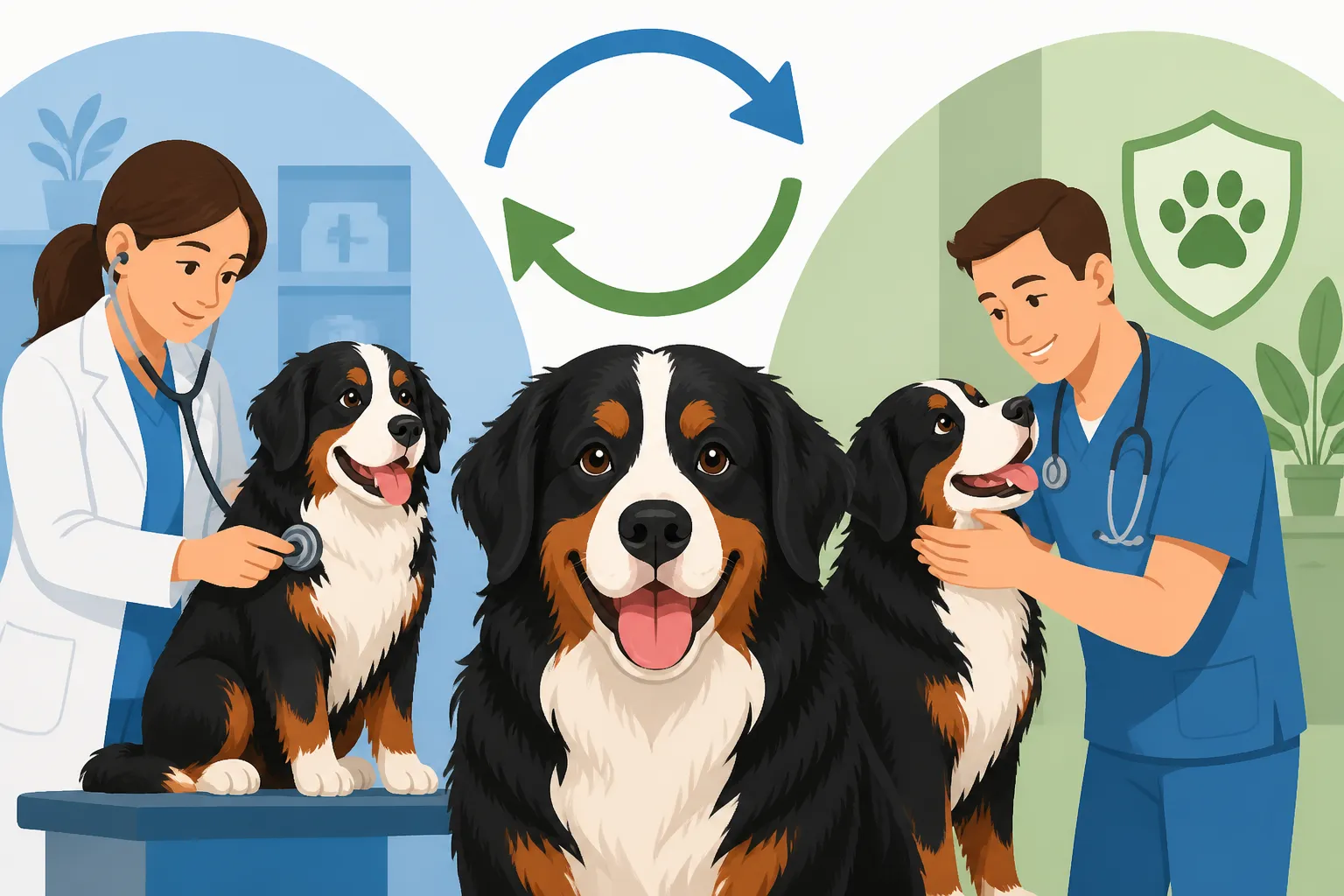
Seeing the Vet Twice a Year With a Berner
It’s a heartbreaking reality for many Bernese Mountain Dog owners: our beloved giants often face a shorter lifespan and a higher incidence of health issues than other breeds. The thought of something going wrong is always in the back of our minds, and missing early signs can lead to irreversible problems. This guide will walk you through why seeing the vet twice a year with your Berner isn't just a good idea, but a critical part of ensuring they live their fullest, happiest life possible, and what you can expect from these important visits.
The Unique Health Challenges That Make Biannual Vet Visits Essential for Berners
Let's be honest, getting a hundred-pound dog to the vet can be a logistical challenge, and the bills aren't exactly small. It's tempting to think that if your Berner seems fine, once a year is enough. But the truth is, Bernese Mountain Dogs are predisposed to a range of serious health conditions that benefit immensely from early detection, making those six-month check-ups absolutely non-negotiable for their well-being.
High Incidence of Cancer in Bernese Mountain Dogs
One of the most devastating realities for Berner owners is the breed's heartbreaking susceptibility to various cancers. Statistics often point to cancer being the leading cause of death in Bernese Mountain Dogs, with conditions like histiocytic sarcoma being particularly aggressive and common. This isn't just a general concern; it's a specific genetic predisposition that means we, as owners, need to be hyper-vigilant.
During a routine annual visit, a vet might catch something, but waiting a full year can mean a rapidly progressing cancer, like the one often described in articles like "The Cancer That Kills Half of All Bernese Mountain Dogs", has already reached an advanced stage. A biannual check-up allows your vet to thoroughly palpate lymph nodes, check for any new lumps or bumps, and generally assess your dog's condition more frequently. This increased frequency drastically improves the chances of detecting abnormalities when they are still small, potentially localized, and more treatable. It’s not about fear-mongering, but about facing the breed's realities head-on and giving them the best possible chance.
Joint and Mobility Issues from a Young Age
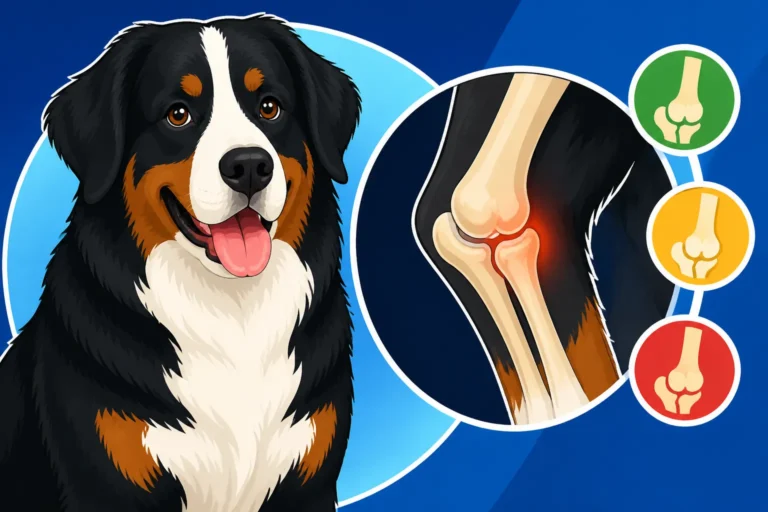
Those magnificent, sturdy frames that we adore in Berners also come with their own set of challenges, particularly when it comes to their joints. Conditions like hip and elbow dysplasia are unfortunately common, and the sheer weight of a fully grown Bernese Mountain Dog puts immense pressure on these developing joints. While some issues might become apparent with a noticeable limp, others can be more subtle, developing slowly over time.
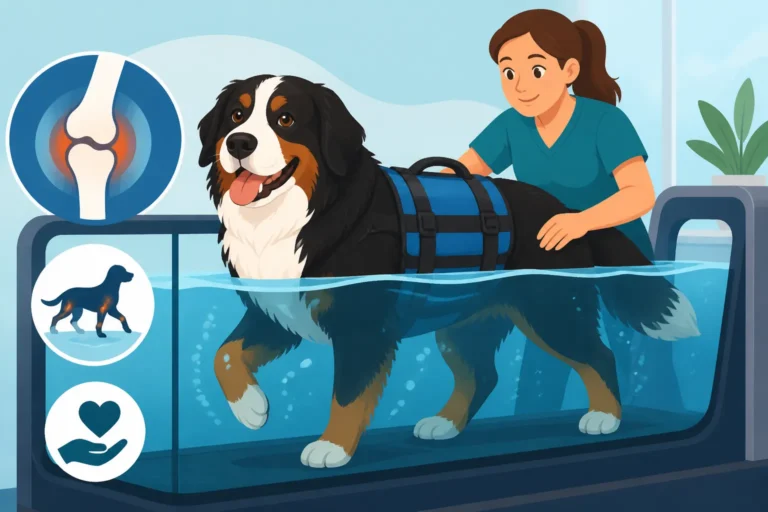
Regular vet visits, especially as your Berner grows from puppyhood into adulthood, are crucial for monitoring joint health. Your vet can assess gait, range of motion, and look for early signs of discomfort or pain that you might miss at home, particularly in a stoic breed like the Berner that might try to hide discomfort. Early intervention for conditions like "Joint Disease in a Hundred Pound Bernese Mountain Dog", through diet, supplements, or lifestyle modifications, can significantly slow progression and improve your dog's quality of life. Even before symptoms appear, your vet might recommend preventive measures or even specific imaging like X-rays if they suspect an issue, as outlined in articles like "The Age a Bernese Mountain Dog Should Be X-Rayed".
Monitoring for Bloat and Other Urgent Conditions
Beyond cancer and joint problems, Bernese Mountain Dogs are also prone to other acute conditions that can escalate rapidly and require immediate attention. Gastric Dilatation-Volvulus (GDV), commonly known as bloat, is a life-threatening emergency that deep-chested breeds like Berners are particularly susceptible to. While bloat can strike suddenly, regular vet check-ups ensure your vet is always aware of your dog's overall health and any potential risk factors.
Additionally, conditions like dental disease can start small but lead to larger health problems if left unchecked. A simple annual dental check might miss early signs of gum inflammation that a biannual exam could catch. Your vet can also keep a closer eye on your Berner's heart and lungs, catching murmurs or breathing irregularities sooner. These frequent visits are also an opportunity to discuss any changes in appetite, thirst, or bathroom habits, which can be indicators of underlying issues like kidney disease or diabetes. It’s about creating a consistent health record that helps your vet spot deviations from your dog’s norm quickly.
What a Twice-Yearly Vet Check-Up Entails for Your Large Breed Dog
So, you're committed to those biannual visits – excellent! But what exactly happens during these check-ups, especially for a large breed like a Bernese Mountain Dog? It's more than just a quick poke and prod; it's a comprehensive assessment designed to catch potential problems before they become major crises.
The Comprehensive Physical Exam
Every vet visit starts with a thorough physical examination, and for a Berner, this means the vet is getting hands-on with a lot of dog! They'll start by observing your dog's overall demeanor, how they walk, and how they interact, which can reveal a lot about their comfort levels and mental state. Then comes the systematic physical check.
Your vet will carefully palpate your Berner's entire body, from nose to tail. This includes feeling for any new lumps, bumps, or masses under the skin, which is vital given the breed's cancer risk. They'll examine your dog's eyes, looking for any signs of cataracts, entropion, or other eye conditions that Berners can be prone to. Ears will be checked for infections or excessive wax. The vet will look at your dog's teeth and gums, assessing for dental disease, tartar buildup, or any oral pain. Listening to the heart and lungs with a stethoscope helps identify any murmurs, arrhythmias, or breathing abnormalities. They'll also feel your Berner’s abdomen for any signs of discomfort or organ enlargement. Lastly, they’ll examine your dog's joints and limbs, checking for any signs of pain, stiffness, or decreased range of motion, which are critical for "The Bernese Mountain Dog Whose Back Legs Give Out" as they age. This systematic approach ensures no stone is left unturned.
Diagnostic Tests and Preventative Screenings
While the physical exam is incredibly important, a biannual check-up for a Berner often goes beyond just a visual and tactile assessment. Depending on your dog's age, health history, and any symptoms observed, your vet might recommend various diagnostic tests and preventative screenings. For instance, for an older Bernese Mountain Dog, a complete blood panel and urinalysis might be suggested more frequently to monitor organ function, especially kidneys and liver.
As Berners age, the recommendation for "Bloodwork a Bernese Mountain Dog Should Have Yearly" often becomes biannual, looking for subtle changes that could indicate the onset of conditions like kidney disease. If any new lumps are found during palpation, your vet might suggest a fine needle aspirate (FNA) to test the cells. For dogs prone to joint issues, occasional X-rays might be discussed to monitor progression, or specific blood tests could be recommended to screen for clotting disorders like Von Willebrand disease, which is more common in Berners. These proactive tests, while sometimes an added expense, are invaluable for catching serious conditions when they are still manageable. It’s a bit like investing in regular maintenance for a high-performance car – you want to know what’s going on under the hood before it breaks down on the highway. Many pet insurance providers, such as Healthy Paws, recognize the value of these preventive measures and often have plans that help manage the costs associated with diagnostic testing.
Vaccinations, Parasite Control, and Lifestyle Discussions
Beyond the deep dive into their health, these twice-yearly visits are also crucial for ensuring your Berner is up-to-date on all their routine preventative care. This includes vaccinations against common diseases like rabies, distemper, parvovirus, and potentially kennel cough or leptospirosis, depending on your dog's lifestyle and risk factors. Your vet will also discuss year-round parasite control for fleas, ticks, and heartworms, recommending the most appropriate products for your dog's size and geographic location.
These visits are also a fantastic opportunity to have an open conversation with your vet about your Berner's overall lifestyle. Are they at a healthy weight, especially considering "Whether a Bernese Mountain Dog's Weight Shortens Its Life"? Is their diet appropriate for their age and activity level? Are you noticing any behavioral changes, like increased anxiety or aggression, that might need to be addressed? For example, if you're concerned about your Berner's susceptibility to bloat, you can discuss preventative measures like tacking their stomach, which is detailed in "Tacking a Bernese Mountain Dog's Stomach". This holistic approach ensures that not only are physical health issues addressed, but also that your dog's general well-being and quality of life are maximized.
Spotting the Subtle Changes in Your Bernese Mountain Dog Between Appointments
Even with biannual vet visits, you, as the owner, are your Berner's first and most important line of defense. You see them every day, you know their quirks, and you're best positioned to notice subtle shifts that might indicate a budding health concern. It's about empowering yourself to be a proactive advocate for your dog's health.
Observing Changes in Behavior and Appetite
Bernese Mountain Dogs are generally gentle and good-natured, and any significant deviation from their usual temperament or habits should raise a red flag. Perhaps your typically enthusiastic eater is suddenly picking at their food, or your usually playful Berner is more subdued and less interested in walks. These subtle changes, while seemingly minor, can be early indicators of underlying illness, stress, or pain.
Pay close attention to changes in their thirst, frequency of urination, or the consistency of their stools. Is your dog drinking excessively? Are they having more accidents inside? Is their stool unusually loose or hard? Even slight shifts in their routine, like being reluctant to go up stairs or hesitating to jump into the car, could signal joint discomfort, a common issue for Berners. You know your dog best, and if something feels "off," it probably is. Don't dismiss these instincts; they are often the earliest warnings.
Regular Home Health Checks You Can Do
Between vet visits, get into the habit of performing your own mini-health checks at home. This isn’t about replacing your vet, but about being vigilant. Regularly run your hands over your Berner's body, feeling for any new lumps or bumps. Pay particular attention to areas like their neck, armpits, and groin where lymph nodes are located. Any new or rapidly growing lump should prompt a call to your vet, even if it seems small, as discussed in "Lumps a Bernese Mountain Dog Owner Should Not Watch".
Check their paws for cuts, redness, or tenderness. Lift their lip and examine their gums and teeth. Take a quick peek inside their ears and check their eyes for discharge or cloudiness. Regularly observe how they move – do they seem stiff after lying down? Are they favoring a leg? These quick, consistent checks can help you catch issues early, giving you valuable information to share with your vet during those biann-ual check-ups.
Documenting Concerns for Your Vet
When you do notice something that gives you pause, don't just try to remember it. Start a small health journal or use a notes app on your phone to document your observations. Note down when you first saw the change, how frequently it occurs, and any other relevant details. For example, if your Berner has a cough, note if it's worse in the morning, after exercise, or only at night. If they're limping, note which leg, and if it's consistent or intermittent.
This detailed information is incredibly helpful for your vet, providing them with a clearer picture and potentially guiding their diagnostic process. Sometimes, the issue might resolve on its own, but having a record means you're prepared for your next appointment or an emergency call. This kind of diligent observation and record-keeping is a powerful tool in advocating for your Berner’s long-term health, and can even help make sense of bigger issues, providing peace of mind knowing you're being proactive and thorough.
Making Vet Visits a Smoother Experience for Both You and Your Berner
Let's face it, for a big dog, vet visits can sometimes be a bit stressful, both for the Berner and for the owner trying to manage them. But with a little preparation and a proactive mindset, these biannual appointments can become a routine, positive experience.
Preparing for the Appointment
A smooth vet visit starts before you even leave the house. If your Berner tends to get anxious in the car, consider desensitization exercises or calming aids if recommended by your vet. Make sure your dog has had a chance to relieve themselves before entering the clinic to avoid accidents inside. It's also a good idea to bring your dog hungry if blood tests are a possibility, as some tests require fasting.
Gather any notes you've made about your dog's health or behavior since the last visit. Write down any specific questions or concerns you have. This ensures you don't forget anything important during the consultation, especially when you're dealing with the distractions of a busy clinic. Thinking ahead can save you a follow-up call and help you get the most out of your valuable time with the vet.
Managing Stress at the Clinic
Veterinary clinics can be overwhelming environments for many dogs, filled with strange smells, unfamiliar sounds, and other anxious animals. For a large, sensitive breed like the Bernese, this can be particularly challenging. Try to arrive a few minutes early but avoid prolonged waiting in a crowded waiting room if your dog is stressed by other animals. Some clinics offer separate waiting areas for large dogs or may allow you to wait in your car until it's time for your appointment.
Bring high-value treats to help create positive associations with the visit. Practice calm commands and reward quiet behavior. During the exam, stay calm and reassuring. Your dog picks up on your emotions, so a relaxed owner can help a nervous Berner. If your dog is particularly fearful or anxious, discuss options with your vet beforehand. They might suggest anti-anxiety medication for future visits or alternative examination techniques. Finding a vet that understands giant breeds and their unique temperament, and perhaps even has a large-dog-friendly exam room, can make a world of difference. Many pet insurance plans, like those offered by Healthy Paws, even cover behavioral therapies if anxiety around vet visits becomes a persistent problem.
The Value of a Strong Vet-Client Relationship
Ultimately, the biannual vet visit is more than just a medical check; it's an opportunity to build and strengthen your relationship with your veterinary team. They are your partners in your Berner's health journey. Being open, honest, and proactive about your dog's health concerns and lifestyle choices allows them to provide the most tailored and effective care.
Don't hesitate to ask questions, seek clarification, or express your concerns. A good vet will welcome your engagement and provide clear explanations. This ongoing dialogue ensures that everyone is on the same page, working towards the common goal of your Berner's optimal health and longevity. These regular check-ups, combined with your diligent observation at home, are truly the best way to safeguard the health of your beloved Bernese Mountain Dog, helping them defy "Why a Bernese Mountain Dog Lives Only Seven or Eight Years" and hopefully enjoy a longer, healthier life.
| Check-up Component | Annual Visit Focus | Biannual Visit Advantage (for Berners) |
|---|---|---|
| Physical Exam | General health, weight, teeth, heart, lungs, palpation. | Earlier detection of new lumps, subtle lameness, or organ changes. |
| Vaccinations | Core vaccine boosters, as needed. | Ensures timely boosters, fewer missed doses, consistent protection. |
| Parasite Control | Discuss year-round prevention. | More frequent review of regional risks and product effectiveness. |
| Blood/Urine Tests | Usually for older dogs or symptomatic ones. | Routine screening for organ function, especially for age 5+ to catch early disease. |
| Joint Assessment | Visual assessment, basic palpation. | More frequent monitoring for subtle changes, pain, and mobility issues. |
| Cancer Screening | General lump check. | Increased frequency crucial for rapidly progressing cancers; earlier biopsy recommendations. |
| Owner Discussion | General lifestyle, diet, behavior. | More frequent opportunities to discuss subtle changes, diet adjustments, or new concerns. |
| Overall Health Trend | One data point per year. | Builds a more comprehensive health timeline, making trends more apparent. |
Disclaimer
This article is intended for informational purposes only and does not constitute veterinary advice. Always consult with a qualified veterinarian for any health concerns or before making any decisions about your Bernese Mountain Dog's care. Individual needs may vary.