Whether an Airline Will Carry a Bernese Mountain Dog
Oh, the thought of traveling with your beloved Bernese Mountain Dog! It's a dream many of us share—imagine bringing your gentle giant along on a big family vacation or a move across the country. But then reality hits: the sheer size of a Berner makes any kind of long-distance travel a whole different ballgame compared to packing up a smaller dog. This guide is here to walk you through the often-confusing and sometimes disheartening world of airline travel with a large breed like our wonderful Bernese Mountain Dogs, helping you understand the regulations, the risks, and the real logistics involved.
Understanding Airline Pet Policies for Large Breeds
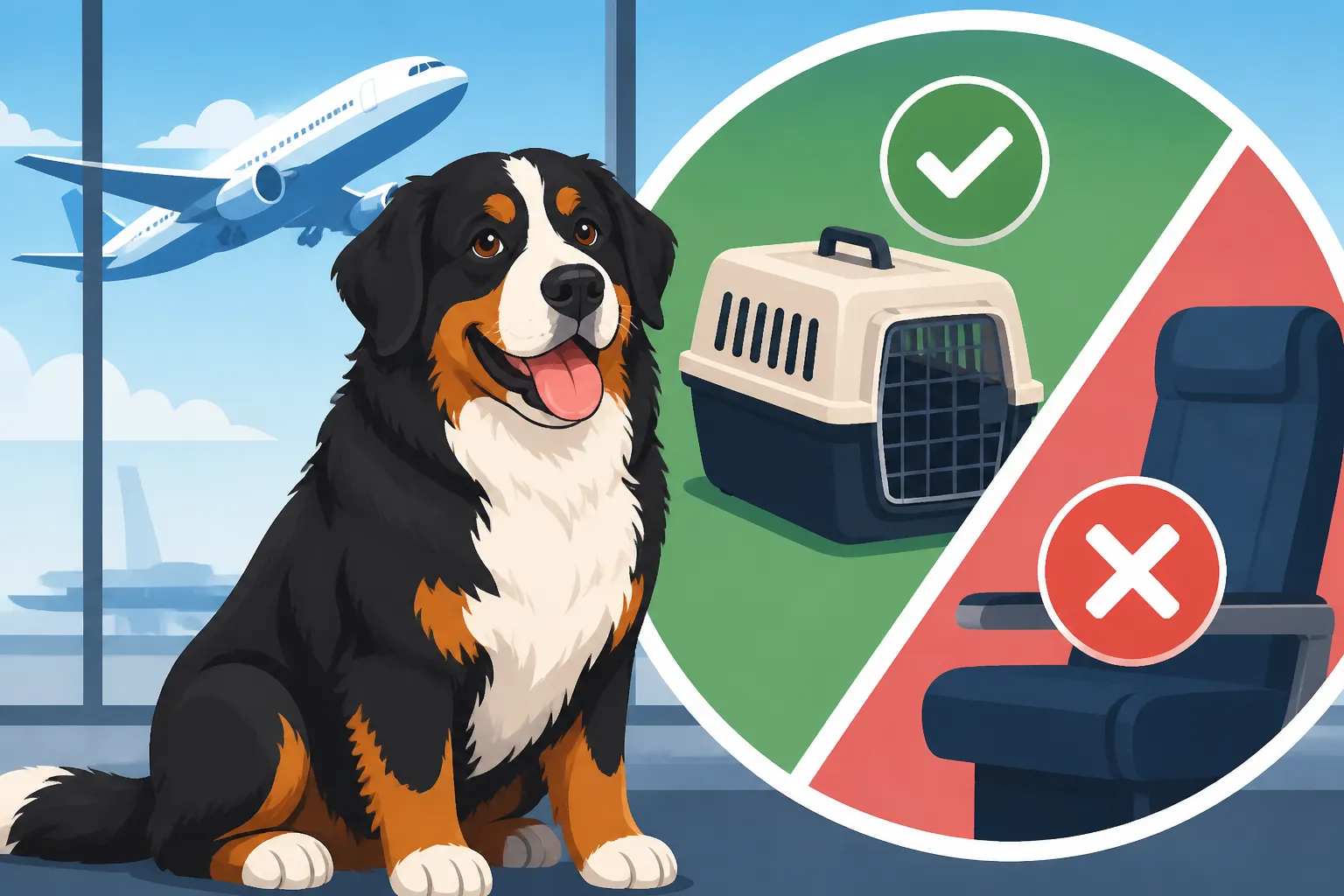
Let's get straight to it: when you own a Bernese Mountain Dog, the idea of them snuggled under the seat in front of you on a plane is, unfortunately, a fantasy. Airlines have strict size and weight restrictions for pets in the cabin, and a full-grown Bernese Mountain Dog, weighing anywhere from 70 to 120 pounds or more, simply won't fit. This means that if air travel is your only option, your Berner will almost certainly need to travel in cargo. And honestly, that's where things get complicated and where a lot of us feel a knot in our stomachs.
Most airlines differentiate between "in-cabin" pets, "checked baggage" pets, and "cargo" pets. For a Bernese, "checked baggage" might seem like an option, but even that category usually has weight limits (often around 100-150 pounds total for the animal and carrier), and these dogs are often too heavy or their crates are too large to fit through the baggage system safely. So, cargo it is, which means they are transported in a specially pressurized and temperature-controlled compartment beneath the passenger cabin. While airlines assure us these areas are safe, the inherent risks and stress for an animal, especially a large, sensitive one like a Berner, are significant concerns for any owner.
Breed-Specific Restrictions and Temperature Limitations
It's not just about size; some airlines have breed-specific restrictions. While brachycephalic (short-nosed) breeds like pugs and bulldogs are most commonly restricted due to respiratory issues, some airlines might have blanket policies for large breeds or specific types of dogs known for certain health challenges under stress. Always double-check with the specific airline you're considering, as their rules can change and vary wildly.
Beyond breed, temperature is a huge factor, and it's one that often grounds flights for our Berners. Airlines enforce strict temperature guidelines for pet travel in cargo to protect animals from extreme heat or cold. If the temperature at the origin, destination, or any layover city is too high or too low, your dog's flight could be delayed or cancelled. For a Bernese Mountain Dog, with their thick double coat, heat is a particularly significant concern. The Temperature a Bernese Mountain Dog Stops Coping with high temperatures is much lower than for many other breeds. Imagine the stress of arriving at the airport only to be told your dog can't fly because it's too warm on the tarmac, especially after you've already said your goodbyes and checked them in. It's a heartbreaking scenario that plays out for many large dog owners.
The Problem with Sedation During Air Travel
This is a critical point that every Berner owner needs to understand: most veterinarians and airlines strongly advise against sedating your dog for air travel. While it might seem like a kind way to reduce their anxiety, sedation can actually be incredibly dangerous for animals in an unfamiliar, high-altitude environment. Sedatives can interfere with a dog's respiratory and cardiovascular systems, making them more susceptible to complications like respiratory distress or heatstroke, especially when coupled with the stresses of air pressure changes and being in cargo.
Instead of sedation, your vet will likely recommend other strategies to help your dog cope. These might include creating a highly positive association with the travel crate, using calming pheromone sprays, or discussing non-sedative anxiety aids. It's vital to have a thorough conversation with your veterinarian well in advance of any travel plans to ensure your Berner is as healthy and prepared as possible. Your vet will be the best resource for understanding Putting a Hundred Pound Bernese Mountain Dog Under any kind of stress or medication, let alone for air travel.
The Realities of Cargo Travel for a Bernese Mountain Dog
Let's not sugarcoat it: putting your Bernese Mountain Dog in cargo is a decision that weighs heavily on every owner. It's not the ideal scenario, and it comes with a unique set of challenges and emotional hurdles. The reality is that for a dog accustomed to being by your side, the cargo hold is a frightening and isolating experience.
The journey starts long before the plane takes off. Your Berner will be separated from you, placed in their crate, and transported to the cargo area. They'll experience new sights, sounds, and smells, often loud and disorienting. Once loaded, they are alone in a compartment that, while temperature-controlled, can still feel unfamiliar and potentially scary. Think about your Berner's sensitive nature; they thrive on companionship and reassurance. Being isolated for hours, possibly surrounded by unfamiliar noises and movements, is inherently stressful.
Health Risks Specific to Large, Deep-Chested Breeds
The physical health risks for large, deep-chested breeds like Bernese Mountain Dogs during air travel are significant and cannot be overlooked. One of the most serious concerns is Gastric Dilatation-Volvulus (GDV), commonly known as bloat. Bloat in a Deep-Chested Bernese Mountain Dog is a life-threatening condition where the stomach fills with gas and can twist, cutting off blood supply. Stress, changes in routine, and potentially eating or drinking at unusual times can all contribute to the risk factors for bloat. While airlines strive for stable conditions, the overall stress of travel can be a trigger.
Beyond bloat, respiratory issues can arise, particularly if temperatures fluctuate or if your dog has any underlying conditions that go unnoticed. The change in altitude and air pressure, combined with the stress of the situation, can exacerbate existing breathing problems. Also, consider the potential for overheating. Even if the cargo hold is regulated, the periods on the tarmac during loading and unloading, or unexpected delays, can expose your thick-coated Berner to dangerous temperatures. Heat and the Bernese Mountain Dog's Black Coat makes them more susceptible to heatstroke even in moderate temperatures, let alone a hot tarmac. It’s a constant worry for us Berner parents.
Acclimating Your Berner to the Travel Crate
If you do decide that air travel is necessary, one of the most crucial preparatory steps is crate training, and I mean serious crate training. This isn't just about getting your dog to tolerate their crate; it's about making it a haven, a safe and comfortable space they associate with positive experiences. Start months in advance, not weeks. Your Berner needs to view that crate as their den, a place of security, rather than a punishment or confinement.
Introduce the airline-approved crate gradually. Feed meals inside, offer high-value treats and toys, and let them nap there with the door open. Slowly increase the time they spend in it, with the door closed, while you're still present. The goal is for them to be genuinely comfortable and relaxed inside, without showing signs of distress. You might even consider purchasing a durable, airline-compliant crate from a reputable supplier like Chewy or your local pet store, and leaving it open in your living space for weeks before travel, allowing your dog to explore and get used to it at their own pace. This long-term acclimation can make a world of difference in reducing their stress on travel day.
Navigating Logistics and Costs When Flying with Your Berner
So, you've weighed the risks and decided to proceed. Now comes the intricate dance of logistics and expenses. Traveling with a Bernese Mountain Dog is not a spur-of-the-moment decision; it requires meticulous planning, a deep dive into airline policies, and a readiness for substantial financial investment.
First, you need to understand that booking a flight for your Berner isn't like adding an extra bag. You can't just show up at the airport. You'll need to contact the airline's cargo department directly, often weeks or even months in advance. Many airlines limit the number of pets they'll carry on a single flight, and slots fill up quickly, especially during peak travel seasons. They'll ask for specific crate dimensions, your dog's weight, and detailed health information. This isn't a quick phone call; be prepared for multiple conversations to ensure all details are correct.
Specialized Cargo Services Versus Standard Airline Cargo
For very large breeds, or if you have specific concerns about your pet's welfare, you might find yourself exploring specialized pet transport companies. These companies focus solely on animal transport and often have more robust protocols for handling pets, including climate-controlled holding areas at airports, dedicated staff, and detailed communication during transit. They might also have relationships with airlines that allow for more seamless booking and handling.
While a specialized service will undoubtedly be more expensive than simply sending your dog as "live animal cargo" with a commercial airline, the peace of mind might be worth the extra cost. These services often provide door-to-door options, managing all the paperwork, veterinary requirements, and logistical nightmares that can accompany international or complex domestic travel. They understand the nuances, such as ensuring proper ventilation and securing the crate correctly. For a breed like the Bernese Mountain Dog, where stress and specific health concerns are high, this might be a worthwhile investment to ensure their safety and comfort.
The True Cost of Flying a Bernese Mountain Dog
Let's talk money, because flying a Berner is a significant expense, often far more than a human ticket. You're not just paying for a space; you're paying for specialized handling, often specific flight routes, and the mandatory, robust crate.
Here's a breakdown of what you might expect:
- Airline Cargo Fees: These are substantial. They're typically based on the combined weight of your dog and their crate, and the dimensions of the crate. Expect these fees to be in the hundreds, possibly even thousands, of dollars for a transatlantic or cross-country flight.
- Airline-Approved Crate: This is not your average wire crate. It must be IATA-compliant, made of rigid plastic or wood, with proper ventilation, a secure door, and often specific labeling. A giant-sized crate for a Bernese Mountain Dog can cost a few hundred dollars. You can often find suitable options on sites like Chewy, but ensure it meets all airline specifications. Crates and Gates for a Bernese Mountain Dog are essential considerations not just for home, but for travel too.
- Veterinary Costs: Before flying, your Berner will need a thorough veterinary examination, potentially specific vaccinations, and a health certificate issued within a very narrow timeframe (often 10 days) of travel. For international travel, this can involve blood tests and more extensive documentation. These appointments and tests add up, easily costing hundreds of dollars. It's a good idea to consider pet insurance, perhaps from a provider like Healthy Paws, to help manage unexpected health costs, both for the pre-travel checks and any unforeseen issues.
- Accessories: You'll need water and food bowls that attach securely to the inside of the crate and can be filled from the outside. Absorbent bedding, labels, and zip ties for securing the crate door are also necessary. These are smaller costs but add to the total.
When you tally it all up, the financial commitment for flying your Bernese Mountain Dog can be steep. It definitely adds to The Running Costs of a Hundred Pound Bernese Mountain Dog.
Minimizing Risks and Preparing Your Bernese Mountain Dog for Air Travel
Once you've decided to proceed with air travel, your focus shifts entirely to mitigating risks and ensuring your Bernese Mountain Dog has the safest, least stressful journey possible. This is where meticulous preparation becomes paramount.
The single most important step is a comprehensive consultation with your veterinarian, ideally several months before your planned travel date. Be completely transparent about your travel plans, including the mode of transport (cargo). Your vet will assess your Berner's overall health, looking for any pre-existing conditions that could be exacerbated by travel. They will also discuss the risks of sedation (which, as we've covered, is generally advised against) and suggest alternative calming techniques. This is also the time to ensure all vaccinations are up-to-date and to obtain any required health certificates and documentation. Don't leave this to the last minute; some international travel requirements can take months to fulfill. A responsible owner would consider their vet's input as the ultimate authority on whether their specific dog is fit to fly. It's also wise to check The Bernese Mountain Dog Health Panel results if you have them, to ensure there are no red flags.
No Sedation and Smart Feeding Practices
Reiterating the "no sedation" rule is crucial. Instead of sedatives, focus on creating positive associations with the travel crate and maintaining as much normalcy as possible in the days leading up to the flight. Engage in plenty of exercise before travel day to help them be naturally tired.
On the day of travel, a smart feeding strategy is key to reducing the risk of bloat or other gastrointestinal upset. Most experts recommend feeding your Bernese Mountain Dog a light meal several hours before the flight (typically 4-6 hours), and then offering only water up until check-in. Avoid a heavy, rich meal. Some owners opt for a readily digestible food, perhaps from a brand like Ollie, or simply a smaller portion of their regular kibble. This allows enough time for digestion before the stress of travel, while still ensuring they aren't ravenous. Make sure they have access to water right up until they're checked in, but don't let them gulp down excessive amounts just before. Attachable water bowls that can be filled from outside the crate are essential for their journey.
Crate Training, Labeling, and Contingency Plans
We talked about crate training earlier, but it bears repeating: it's not just a recommendation, it's a necessity. Your Bernese Mountain Dog needs to feel genuinely safe and comfortable in their crate. This comfort is their only defense against the stress of the journey. Once you have your IATA-compliant crate, ensure it's clearly labeled with "LIVE ANIMAL" stickers, your name, contact information, the destination address, and "THIS SIDE UP" arrows. Include a copy of your Berner's health certificate and any other important documents securely attached to the top of the crate, in a waterproof pouch.
Finally, have contingency plans. What if the flight is delayed or cancelled? What if there's an issue at a layover? Research nearby pet-friendly hotels or emergency vet clinics at your departure, layover, and destination airports. Know who to call and what your options are. While no one wants to think about the worst-case scenario, being prepared can make all the difference. Remember, Bernese Mountain Dogs, like many breeds, can sometimes Whether a Bernese Mountain Dog Hides Discomfort, so being extra vigilant and prepared for any potential issues is a testament to your care for them.
Ultimately, flying with a Bernese Mountain Dog is a serious undertaking. It's often safer and less stressful to explore alternatives like road trips if your travel allows, or using specialized ground transport services. But if air travel is unavoidable, thorough preparation, understanding the risks, and putting your Berner's welfare first are the cornerstones of a successful, albeit challenging, journey.
Disclaimer
This article is for general informational purposes only and does not constitute professional advice. Laws, prices and regulations vary by location and change over time. Consult a qualified professional for guidance on your specific situation.