Putting a Hundred Pound Bernese Mountain Dog Under
It's incredibly nerve-wracking when your beloved Bernese Mountain Dog needs a procedure that requires anesthesia. Knowing your hundred-pound gentle giant will be "put under" can fill any owner with anxiety, especially given their size and known health predispositions. This comprehensive guide will walk you through everything you need to know about anesthesia for a Bernese Mountain Dog, from understanding the risks to navigating recovery, helping you feel more prepared and less stressed.
Why Anesthesia for a Bernese Mountain Dog Feels Like a Bigger Deal
When the vet suggests anesthesia for your Bernese Mountain Dog, it’s completely normal to feel a surge of worry. For such a large, deep-chested breed with specific health considerations, it's not quite the same as putting a smaller, less complex dog under. There are unique physiological aspects and common procedures that make this a topic worth understanding deeply.
The Unique Physiological Traits of Berners
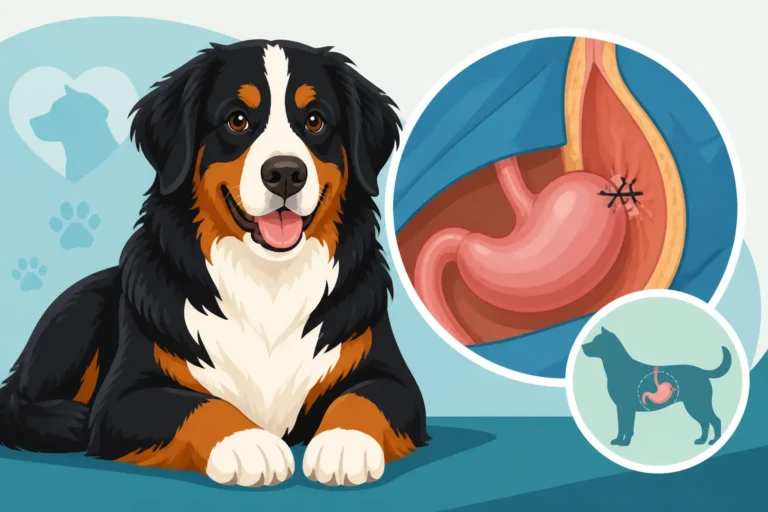
Bernese Mountain Dogs, with their impressive size, often face a few distinct considerations when it comes to anesthesia. Firstly, their sheer body mass means calculating anesthetic dosages is critical and requires careful precision to ensure they receive enough to be unconscious without overdosing. Administering too little can lead to awareness during surgery, a terrifying thought, while too much can depress vital functions. Beyond weight, their deep chests put them at a slightly higher risk for certain complications. For instance, bloat, or Gastric Dilatation-Volvulus (GDV), is a life-threatening condition that deep-chested breeds like Berners are prone to, and while not directly caused by anesthesia, the stress and positioning during a procedure can sometimes be a contributing factor. Many owners choose to have a Tacking a Bernese Mountain Dog's Stomach procedure (gastropexy) done at the same time as a spay or neuter to prevent future bloat, which inherently means anesthesia.
Furthermore, Berners can sometimes be more sensitive to certain anesthetic agents than other breeds, which is why a veterinarian often employs a tailored approach. Their overall temperament, while generally good-natured, can also influence how they handle the initial sedation process. A calm, well-socialized Berner might relax into sedation more easily than a nervous one, though excellent veterinary staff are adept at handling all temperaments. The goal is always to ensure a smooth transition into and out of the anesthetic state, minimizing stress on their large hearts and respiratory systems. This breed also has a predisposition to certain health issues, such as The Cancer That Kills Half of All Bernese Mountain Dogs, and if your Berner is undergoing treatment, their overall health might already be compromised, making careful anesthetic planning even more paramount.
Common Procedures Requiring Anesthesia in Giant Breeds
Bernese Mountain Dogs, like all dogs, will likely need anesthesia at some point in their lives, often for routine procedures or, unfortunately, for addressing common health concerns. Spaying or neutering is a prime example; this crucial procedure typically occurs when they are young, and it's a significant event for their developing bodies. Orthopedic surgeries are another frequent reason. Given their propensity for Joint Disease in a Hundred Pound Bernese Mountain Dog, procedures like cruciate ligament repair or hip replacements are not uncommon as they age. A common scenario we see is a Bernese Mountain Dog tearing a knee, which often requires Cruciate Surgery on a Hundred Pound Bernese Mountain Dog.
Beyond these, anesthesia is essential for comprehensive dental cleanings, especially as gum disease can become an issue in older dogs, or for diagnostic imaging like MRIs or CT scans if there’s a suspected neurological problem or in cases where you're investigating The Bernese Mountain Dog Whose Back Legs Give Out. Even smaller interventions, such as stitching up a deep cut, removing a suspicious lump, or even extensive grooming for a particularly matted coat, can necessitate sedation or full anesthesia to ensure the dog's comfort and the safety of the veterinary team. Each procedure, regardless of its perceived severity, carries anesthetic risks that need to be carefully managed, especially for a dog of this size.
Unpacking the Pre-Anesthetic Protocol: More Than Just Blood Tests
Before your Bernese Mountain Dog goes under, a thorough pre-anesthetic workup is absolutely essential. This isn't just a formality; it's a critical step to identify any hidden risks and ensure the anesthetic protocol is as safe and effective as possible for your individual dog.
The Importance of Comprehensive Diagnostic Screening
A pre-anesthetic workup goes far beyond a quick listen to the heart. For a Bernese Mountain Dog, it typically begins with a thorough physical examination, where the vet checks their overall condition, listens carefully to their heart and lungs, and assesses their demeanor. This baseline information is invaluable. Following this, comprehensive bloodwork is almost always recommended. This usually includes a complete blood count (CBC) to check for anemia, infection, and platelet levels, and a biochemistry panel to evaluate organ function, especially the kidneys and liver, which are responsible for processing and eliminating anesthetic drugs. If these organs aren't functioning optimally, specific anesthetic agents might need to be avoided or adjusted.
For giant breeds like Berners, further diagnostics are often prudent. An electrocardiogram (ECG) might be performed to check heart rhythm, and sometimes chest X-rays are recommended to assess lung health and ensure there are no underlying heart or respiratory conditions that could complicate anesthesia. These checks are even more critical if your Berner is older or has any known health issues. It's truly about getting a complete picture of your dog's internal health before they undergo the stress of anesthesia. Don't be afraid to ask your vet about The Bernese Mountain Dog Health Panel they recommend, as this will typically include a thorough pre-anesthetic battery of tests designed to identify potential issues before they become problems.
Customizing the Anesthetic Plan for Safety
Once the diagnostic results are in, your veterinarian can create a highly individualized anesthetic plan specifically for your Bernese Mountain Dog. This isn't a one-size-fits-all approach. Based on their age, weight, health status, and the type of procedure being performed, the vet will select the most appropriate combination of pre-medications, induction agents, and maintenance anesthetics. For instance, an older Berner with early signs of kidney disease will likely receive different drugs or dosages than a healthy young puppy undergoing a spay.
Pre-medications are often given to help calm your dog before the main anesthetic drugs, making the induction process smoother and reducing the overall amount of anesthetic needed. This can also provide initial pain relief. The choice of induction agent is crucial for a smooth transition to unconsciousness, and gas anesthesia is often used for maintenance because it allows for very precise control over the depth of anesthesia and is quickly eliminated from the body, leading to a faster, smoother recovery. The veterinary team will carefully consider factors like respiratory rate, blood pressure, and heart rate when choosing and adjusting these medications. Your vet will be assessing Whether a Bernese Mountain Dog Handles Anesthesia Well based on all these factors. It’s also important to discuss any medications your Berner is currently on, as these can interact with anesthetic drugs. Don't hesitate to ask detailed questions about the specific drugs and monitoring protocols they plan to use.
Inside the Operating Room: What Safe Anesthesia Looks Like
The moments after you hand your Bernese Mountain Dog over to the veterinary team can feel agonizing. It helps to understand the meticulous process they follow to ensure their safety throughout the anesthetic procedure. This involves careful administration of drugs, constant vigilance, and proactive pain management.
The Journey Through Sedation, Induction, and Maintenance
The anesthetic journey for your Bernese Mountain Dog typically begins with pre-medication, as mentioned earlier. These drugs, often given as an injection, help to calm them, reduce anxiety, and provide an initial dose of pain relief. This makes the next step, induction, much smoother. During induction, an intravenous (IV) catheter is placed, which is vital for administering drugs directly into the bloodstream and for providing IV fluids throughout the procedure, helping to maintain blood pressure and hydration. The induction agent, given through the IV, quickly and smoothly puts your Berner into a state of unconsciousness.
Once unconscious, a breathing tube (endotracheal tube) is placed into their windpipe. This tube is critical for two main reasons: it ensures a clear airway, and it allows the veterinary team to administer anesthetic gas mixed with oxygen, directly into their lungs. This gas is what maintains the anesthetic state. The depth of anesthesia can be finely tuned by adjusting the gas flow, ensuring your Berner remains deeply asleep but not overly sedated. Throughout the entire process, your dog's safety is paramount, and every effort is made to make the transition as gentle as possible.
Advanced Monitoring and Post-Operative Pain Management
While your Bernese Mountain Dog is under anesthesia, they are never truly alone. A dedicated veterinary technician or assistant will be monitoring them continuously, often for the entire duration of the procedure. This isn't just an occasional check; it involves a suite of sophisticated equipment and constant observation. Key vital signs are tracked, including heart rate, respiratory rate, blood pressure, oxygen saturation (pulse oximetry), and often an electrocardiogram (ECG) to monitor heart activity. Body temperature is also closely watched, as large dogs can be prone to hypothermia under anesthesia. Warming blankets or circulating water pads are often used to help maintain a healthy core temperature.
Beyond physical monitoring, proactive pain management is woven into the entire process. Before surgery, analgesic medications are often included in the pre-medication. During surgery, local anesthetics might be used at the incision site, and additional pain medications can be administered. This multi-modal approach to pain control is crucial for several reasons: it improves comfort during and after the procedure, reduces the amount of general anesthetic needed, and promotes a faster, smoother recovery. The goal is to keep your Berner as comfortable as possible, minimizing discomfort from the moment they are sedated until well into their recovery. This diligent approach is especially important for procedures involving bone and joint work, which can be quite painful, such as those related to The Front-End Lameness a Bernese Mountain Dog Develops.
The Road to Recovery: Supporting Your Berner After Anesthesia
The recovery phase is just as important as the procedure itself. Knowing what to expect both at the clinic and when you bring your Bernese Mountain Dog home can significantly reduce your stress and help you provide the best possible care for your recovering companion.
Immediate Post-Op Care at the Clinic
As the anesthetic gas is turned off, your Bernese Mountain Dog will begin the slow process of waking up. In these initial hours, they remain under close supervision at the veterinary clinic. The breathing tube is usually removed once they show signs of swallowing or active coughing, indicating their airway reflexes are returning. During this time, the veterinary team continues to monitor their vital signs, ensuring their body temperature returns to normal and that they are comfortable. They'll also be watching for any immediate post-anesthetic complications, such as excessive bleeding from a surgical site, persistent nausea, or prolonged grogginess.
Pain management continues to be a priority. They might receive additional injectable pain medications to keep them comfortable as they fully rouse. It's common for Berners to be a bit disoriented, wobbly, and even vocal as they come out of anesthesia. They might shiver, feel cold, or even experience a bit of nausea. The clinic staff will ensure they are kept warm, quiet, and safe during this transitional period. They won't be discharged until they are alert enough to stand, walk (albeit perhaps unsteadily), and are considered stable enough for the journey home. This careful approach helps ensure Whether a Bernese Mountain Dog Survives Bloat Surgery or other complex procedures with the best possible outcome.
Bringing Them Home: Managing Recovery and Potential Issues
When you finally get to bring your Bernese Mountain Dog home after anesthesia, expect them to still be a little "off." They might be drowsy, uncoordinated, and sleep more than usual for the next 12-24 hours. Provide a quiet, comfortable, and warm place for them to rest, away from household commotion. Keep food and water readily accessible, but offer small amounts at first, especially if they’ve been prone to nausea in the past. Your vet will provide specific instructions regarding feeding, medication, and activity restrictions. Follow these diligently, as they are tailored to your Berner's specific procedure and recovery needs.
Keep a close eye on their surgical site (if applicable) for any signs of excessive swelling, redness, discharge, or if they are licking or chewing at it. An Elizabethan collar (cone) may be necessary to prevent this. Monitor their urination and defecation. It's not uncommon for appetite or elimination to be slightly off for a day or two. If you notice persistent vomiting, diarrhea, lethargy that doesn't improve, difficulty breathing, pale gums, or any other concerning symptoms, contact your vet immediately. Remember, even with the best care, complications can arise, and prompt veterinary attention is always best. Patience and comfort are key during this recovery period.
Understanding the Costs and How to Prepare Financially
Let's be real, owning a Bernese Mountain Dog is an investment of love, time, and, yes, money. When anesthesia is involved, especially for a large breed, the costs can sometimes be a surprise if you're not prepared. Understanding these financial aspects beforehand can save a lot of stress during an already anxious time.
Breaking Down the Bill: What You're Paying For
The cost of putting a hundred-pound Bernese Mountain Dog under anesthesia isn't a single line item; it's a comprehensive package of services designed to ensure their safety and well-being. The total bill will typically include several components. First, there are the pre-anesthetic diagnostics, such as bloodwork, X-rays, or ECGs. These are critical for tailoring the anesthetic plan and identifying risks. Then comes the cost of the anesthetic drugs themselves, which are dosed by weight, meaning a larger dog like a Berner will require more medication than a toy breed.
A significant portion of the cost covers the skilled veterinary staff's time for monitoring your dog throughout the procedure, which often includes a dedicated technician. There's also the cost of IV fluids, pain medications administered before, during, and after, and the use of specialized monitoring equipment. Post-operative care, including recovery suite time and additional pain relief, also contributes to the final total. For specific surgeries, like a gastropexy or The Case for Replacing a Bernese Mountain Dog's Hip, the surgical fees themselves will be the largest component, in addition to the anesthesia. It's why many owners, when looking at potential Oncology Bills a Bernese Mountain Dog Owner Faces, realize just how quickly veterinary expenses can add up.
The Role of Pet Insurance in Easing the Burden
Given the potential for significant veterinary costs, especially with a large breed prone to certain health issues, pet insurance can be a real lifeline. Companies like Healthy Paws offer various plans that can cover a substantial portion of unexpected veterinary bills, including those for anesthesia, surgeries, emergency care, and chronic conditions. Enrolling your Bernese Mountain Dog in a good pet insurance plan while they are young and healthy is ideal, as pre-existing conditions are typically not covered.
When considering pet insurance, look closely at what's covered, the deductible, reimbursement percentage, and any annual limits. For a breed like the Bernese Mountain Dog, who might face orthopedic issues or cancer, a plan with strong coverage for these conditions, and a high annual payout limit, can provide immense peace of mind. While the monthly premiums are an ongoing expense, the ability to make medical decisions based on what's best for your dog, rather than solely on cost, is invaluable. A good pet insurance policy, such as those offered by Healthy Paws, allows you to focus on your Berner's recovery, rather than worrying about a hefty bill, especially when complex procedures or diagnostics are needed. It's a proactive step that many Bernese Mountain Dog owners find immensely beneficial in managing the financial responsibilities of their beloved companions.
Here’s a simplified breakdown of typical components contributing to the cost of an anesthetic procedure for a large dog:
| Cost Component | Description | Typical Contribution to Bill (%) |
|---|---|---|
| Pre-Anesthetic Exams/Labs | Physical exam, bloodwork (CBC, chemistry), ECG, X-rays | 15-30% |
| Anesthetic Drugs | Sedatives, induction agents, anesthetic gas (dosed by weight) | 10-20% |
| Monitoring | Dedicated technician time, use of specialized equipment (ECG, pulse ox, BP) | 20-35% |
| IV Fluids & Catheter | Hydration, blood pressure support, quick drug access | 5-10% |
| Pain Management | Pre-emptive and post-operative pain medications | 5-15% |
| Procedure Fee | The actual surgery, dental cleaning, or diagnostic imaging fee | Varies wildly (often largest) |
| Recovery/Hospitalization | Post-op care, comfortable space, continued monitoring | 5-10% |
Remember, these percentages are estimates and the "Procedure Fee" can drastically alter the total, but it gives you a general idea of where the costs originate. Healthy Paws can help manage these costs by covering a significant portion after your deductible.
Disclaimer
The information provided in this guide is for general informational purposes only and does not constitute veterinary advice. Always consult with a qualified veterinarian for any health concerns or before making any decisions about your pet's medical care. Individual outcomes may vary.