What Testing Adds to a Bernese Mountain Dog Litter’s Cost
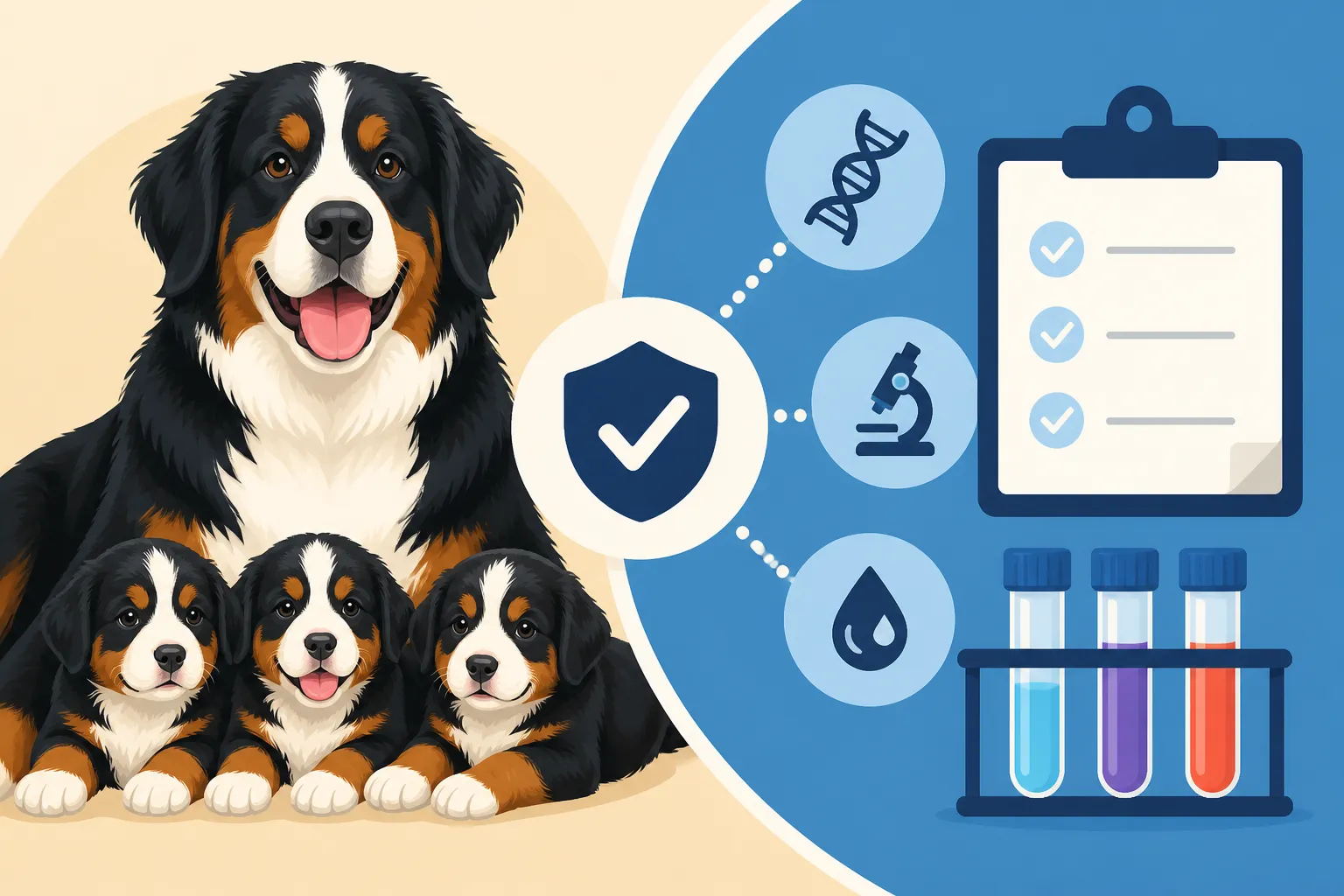
It can be truly disheartening to see the initial sticker shock associated with well-bred Bernese Mountain Dog puppies, especially when you encounter prices that seem far higher than others advertised. This often leaves prospective owners wondering why some litters carry a premium price tag. The reality is, a significant portion of that difference comes from the extensive, vital health testing that responsible breeders undertake, not just on the parents, but sometimes even on the puppies themselves, to ensure they're bringing the healthiest possible Berners into the world. This guide will walk you through the various health tests involved, explaining why they're so crucial and how they inevitably add to the overall cost of a Bernese Mountain Dog litter, helping you understand the value behind that investment.
Why Health Testing is a Cornerstone for Bernese Mountain Dog Breeding
When you dream of bringing a fluffy Bernese Mountain Dog puppy home, you're dreaming of years of loyal companionship, happy romps, and endless cuddles. What you're likely not envisioning are heartbreaking vet visits, expensive surgeries, or the pain of watching a beloved dog struggle with preventable health issues far too young. This is precisely why health testing isn't just a suggestion; it's an ethical imperative for any responsible Bernese Mountain Dog breeder.
Addressing Inherited Health Risks Head-On
Bernese Mountain Dogs, for all their wonderful qualities, are unfortunately predisposed to a number of serious genetic conditions. These aren't random occurrences; they're passed down through generations. If a breeder isn't actively screening their breeding stock, they're essentially playing a genetic lottery with every litter, potentially perpetuating these painful and costly problems. Good breeders understand that simply having two Berners that look nice together isn't enough; their genetic blueprints must be compatible for health.
Ignoring these tests means puppies could inherit debilitating conditions like hip or elbow dysplasia, certain eye diseases, bleeding disorders, or even an increased risk for specific cancers. Imagine bringing home a puppy, only to find out at a year old that its hips are severely dysplastic, requiring expensive surgeries and lifelong pain management. This scenario is a devastating reality for many who purchase from untested lines, a heartache that proper screening aims to prevent.
The Commitment to the Breed's Future
Responsible breeders are not just producing puppies; they are stewards of the Bernese Mountain Dog breed. Their commitment extends beyond their own kennels to the overall health and longevity of the breed as a whole. This means making tough decisions based on test results, even if it means retiring a beloved dog from breeding or choosing not to breed certain pairings. It's a dedication that prioritizes the future health of these magnificent dogs over quick profits or convenience.
This long-term perspective means they are invested in understanding Whether Cancer Runs in Bernese Mountain Dog Lines and other pervasive issues, actively seeking to minimize their impact. When you invest in a puppy from such a breeder, you're not just buying a dog; you're supporting this vital work and becoming part of the solution for a healthier future for Bernese Mountain Dogs. This commitment is reflected in the prices of their puppies, as the cost of this rigorous testing and ethical breeding practice is substantial.
Key Health Clearances Every Bernese Mountain Dog Parent Should Have
The phrase "health clearances" can sound a bit vague, but for Bernese Mountain Dogs, it refers to specific, essential tests performed on the parent dogs to ensure they are free of or clear carriers for serious genetic conditions. These tests are often performed by specialists and involve evaluations that go far beyond a general vet check-up.
Orthopedic Evaluations: Hips and Elbows
One of the most common and impactful health issues in large breeds like the Bernese Mountain Dog is joint disease, particularly hip and elbow dysplasia. These conditions cause malformation of the joints, leading to pain, arthritis, and mobility issues. The primary method for screening is through X-rays submitted to organizations like the Orthopedic Foundation for Animals (OFA) or PennHIP.
These X-rays are usually taken by a veterinarian under sedation, as precise positioning is crucial for accurate evaluation. The films are then sent to a panel of expert radiologists who grade the joints. For OFA, results range from Excellent to Dysplastic; only dogs graded Fair, Good, or Excellent should be bred. Elbows are graded as Normal or Dysplastic. The process isn't cheap—it involves vet fees for sedation, X-rays, and the submission fees to the registry. A breeder may need to do this for several dogs before finding one suitable for breeding, adding to the overall cost of What Health Testing a Bernese Mountain Dog Breeder Pays For.
Eye and Cardiac Screenings
Beyond the big orthopedic concerns, eyes and hearts are critical areas for screening in Bernese Mountain Dogs. Eye examinations are performed by a board-certified veterinary ophthalmologist. They screen for hereditary eye conditions such as progressive retinal atrophy (PRA), entropion, or ectropion, which can lead to blindness or chronic discomfort. These exams need to be done regularly, often annually, to ensure the breeding dog remains clear.
Similarly, cardiac evaluations are crucial to check for inherited heart conditions. A board-certified veterinary cardiologist performs an examination, often including an echocardiogram, to assess heart structure and function. This helps identify conditions like subvalvular aortic stenosis (SAS) or other murmurs that could be passed down. Like orthopedic tests, these specialist exams come with their own set of fees, adding another layer to the breeder's investment in healthy puppies.
Genetic Disorder Testing: Von Willebrand Disease and Degenerative Myelopathy
Genetic testing has become increasingly sophisticated, allowing breeders to screen for specific gene mutations linked to diseases. For Bernese Mountain Dogs, two significant conditions often screened are Von Willebrand Disease (vWD) and Degenerative Myelopathy (DM). Von Willebrand Disease is a bleeding disorder, similar to hemophilia in humans, where the blood doesn't clot properly. Dogs affected can experience excessive bleeding from minor injuries or during surgery, which can be life-threatening.
Degenerative Myelopathy (DM) is a progressive neurological disease affecting the spinal cord, leading to weakness and eventual paralysis of the hind limbs. While the disease typically manifests later in life, knowing a dog's genetic status (clear, carrier, or at-risk) is vital for responsible breeding decisions. These tests usually involve a simple cheek swab or blood sample sent to a specialized lab. While the per-test cost might seem lower than an X-ray, doing multiple genetic tests for multiple breeding dogs quickly adds up. These are often included in a comprehensive The Bernese Mountain Dog Health Panel.
The Financial Investment in Breeder Health Screening
It’s easy to look at a puppy price and wonder where all that money goes. A huge chunk of it, in a responsible breeder's budget, is absorbed by the extensive health screening program. This isn’t a one-time expense; it’s an ongoing commitment that spans the entire breeding career of a dog.
Cumulative Costs of Comprehensive Screening
Consider a single potential breeding dog. Before they even step into a breeding program, they'll need OFA clearances for hips and elbows, a cardiac exam, an eye exam, and genetic tests for vWD and DM. Each of these tests carries a separate fee for veterinary services, specialist consultations, and registry submissions. If a dog fails any of these crucial tests, that entire investment in testing is essentially a sunk cost for breeding purposes, as that dog should not be bred. The breeder must then start over with another potential candidate, further increasing the overall costs.
The cumulative nature of these fees means that a breeder isn't just paying a few hundred dollars; they are often investing thousands of dollars per dog to ensure they are breeding healthy animals. This includes costs for sedation, diagnostic imaging, specialist vet time, and the administrative fees for certifications. These upfront costs are significant, and they are borne long before any puppies are even conceived, let alone sold.
Record Keeping and Database Submission Fees
Transparency and accountability are hallmarks of ethical breeding. Organizations like the OFA maintain public databases of health clearances, allowing prospective puppy owners to verify the health status of a puppy's parents. Submitting results to these databases, or to breed-specific databases like Berner-Garde, often involves additional fees. These databases are invaluable resources for puppy buyers who want to research a litter's pedigree and health history.
For example, Searching Berner-Garde Before Buying a Bernese Mountain Dog can provide a wealth of information. Breeders who meticulously track and submit this data are adding another layer of cost and administrative effort to their program, but it’s an investment in transparency and confidence for the buyer. This also contributes to the wider understanding of breed health trends, helping to improve the breed's future.
The Value of Clearances in Puppy Price
Ultimately, the higher price of a health-tested Bernese Mountain Dog puppy reflects this extensive investment. When you see a puppy advertised for significantly less, it's often a red flag that corners have been cut in health testing, if it was done at all. A breeder who has invested in The Four OFA Clearances on a Bernese Mountain Dog and all the relevant genetic tests is offering a puppy with a much higher likelihood of a healthy life.
This upfront cost can seem steep, but it's a preventative measure against potentially catastrophic veterinary bills down the line. Many responsible Bernese owners find that while the initial cost might be higher, the peace of mind and reduced risk of major health crises are priceless. It's often cheaper in the long run to pay for a well-bred puppy than to deal with the medical consequences of an untested one.
Beyond Basic Tests: What Else Adds to the Bill
While the core health clearances are non-negotiable, responsible breeding often involves a host of other expenses and considerations that further contribute to the overall cost of a Bernese Mountain Dog litter. These factors might not be "tests" in the traditional sense, but they are crucial for the well-being of the breeding dogs and their offspring.
Breeding-Related Veterinary Care
Getting a litter on the ground is far from a simple process. It involves multiple vet visits for the dam (mother dog) even before conception. This can include progesterone testing to pinpoint the optimal breeding time, artificial insemination fees if natural breeding isn't possible or desirable, and follow-up ultrasounds or X-rays to confirm pregnancy and count puppies. Each of these steps carries a veterinary cost.
During pregnancy, the dam requires premium nutrition and extra care. Whelping (giving birth) can be unpredictable, and responsible breeders are prepared for emergencies, which might mean a late-night vet visit or even a costly C-section. Post-whelping, both the dam and puppies need check-ups, ensuring the mother is recovering well and the puppies are thriving. This comprehensive care adds substantially to the overhead of a litter.
Puppy Health Checks, Vaccinations, and Microchipping
Once the puppies arrive, the care and costs don't stop. Before they go to their new homes, each puppy typically receives a thorough veterinary health check, their first rounds of vaccinations, and deworming treatments. These are essential for giving the puppies a strong start in life and protecting them from common puppyhood illnesses. Many breeders also microchip their puppies, a permanent form of identification, which is another cost that gets factored into the puppy's price.
Breeders often provide comprehensive puppy packets, which might include initial food, vaccination records, deworming schedules, and information on the breed. They invest time in early socialization and care, ensuring the puppies are well-adjusted and healthy. While not "testing," these crucial steps ensure a healthy, confident puppy leaves for its new home. Many responsible breeders recommend specific high-quality foods, and places like Chewy can be a great resource for new puppy owners to continue that nutritional support.
The Cost of Time, Experience, and Education
Perhaps the most overlooked "cost" is the breeder's time, experience, and ongoing education. Responsible Bernese Mountain Dog breeders dedicate countless hours to researching pedigrees, understanding genetic lines, attending seminars, and networking with other experienced breeders and veterinarians. They are constantly learning about new health screening protocols and best practices for canine reproduction and puppy rearing.
This intellectual investment ensures they are making informed decisions that benefit the health and temperament of their puppies. The time spent raising a litter, from round-the-clock care for newborns to early socialization and individual attention, is immense. This dedication to excellence, while not an explicit test fee, is a foundational element in the value you receive with a well-bred puppy and is reflected in the final price.
The True Value of a Health-Tested Bernese Mountain Dog Puppy
It’s completely natural to focus on the immediate financial outlay when considering the purchase of a Bernese Mountain Dog puppy. After all, the price tag can be substantial. However, framing the cost solely as an expense misses the profound value and long-term benefits that come with choosing a puppy from extensively health-tested parents. This isn't just about avoiding problems; it's about investing in a fuller, happier life for your future companion.
Peace of Mind and Predictability
One of the most significant, yet intangible, benefits of a health-tested puppy is peace of mind. Knowing that both parents have been screened for debilitating genetic conditions significantly reduces the risk that your puppy will develop those same issues. While no guarantee exists for a living creature, responsible breeding greatly stacks the odds in your favor. This means fewer sleepless nights worrying about mysterious limps or sudden health downturns.
You can focus on enjoying your puppy’s playful antics and developing its personality, rather than constantly dreading potential health crises. This predictability allows you to plan for a more stable and joyful future with your Bernese Mountain Dog, free from the crushing emotional and financial burden of preventable genetic diseases. Knowing the parents' health history, including their general lifespan which you can explore in topics like Reading Longevity Into a Bernese Mountain Dog Pedigree, also gives you a better idea of what to expect for your own puppy's future.
Reduced Lifetime Veterinary Costs
While the upfront cost of a health-tested puppy might be higher, it often translates into lower veterinary expenses over the dog's lifetime. Dogs with hip and elbow dysplasia, hereditary eye conditions, or bleeding disorders can rack up enormous vet bills. Surgeries for joint issues, ongoing pain management, specialized diets, and emergency treatments can quickly dwarf the initial difference in puppy price.
Consider the cost of a single major surgery for hip dysplasia or cruciate repair; it can easily run into thousands of dollars. These are expenses that many owners of poorly bred dogs face. Investing in a puppy from health-tested parents is a proactive step that can save you a fortune in potential medical treatments and specialist consultations down the line. It's often better to pay a little more for prevention than a lot more for a cure that might not even fully restore your dog's quality of life. Even with good health, it's wise to consider pet insurance from providers like Healthy Paws to cover unexpected accidents or illnesses.
A Longer, Higher Quality of Life
Ultimately, choosing a health-tested Bernese Mountain Dog puppy is about maximizing their potential for a long, healthy, and vibrant life. When genetic diseases are minimized, these magnificent dogs have a much better chance of living out their natural lifespan with comfort and joy. They can participate in family activities, enjoy their walks, and provide companionship without the constant burden of chronic pain or illness.
A healthier dog is a happier dog, and that translates directly into a more fulfilling experience for you as an owner. The love and bond you share with your Bernese Mountain Dog are immeasurable, and ensuring they have the best possible start in life is an act of profound care. This commitment to longevity and quality of life is the true reward of choosing a puppy whose parents underwent extensive health screening.
Navigating Breeder Costs and Puppy Prices
Understanding that extensive health testing significantly impacts the cost of a Bernese Mountain Dog puppy is the first step toward making an informed decision. As a prospective owner, it's essential to know how to evaluate these costs and what questions to ask a breeder.
Evaluating a Breeder's Transparency and Practices
When a breeder discusses their puppy prices, a responsible one will be eager to explain where those costs come from. They should be transparent about the health tests performed on both parents, able to provide proof of clearances (such as OFA certificates or Berner-Garde numbers), and willing to discuss the health history of their lines. Don't be shy about asking for specific details about The Bernese Mountain Dog Health Panel and the results for each parent.
Beware of breeders who offer significantly lower prices without readily available health documentation. This is a major red flag. It suggests that they are either cutting corners on vital health tests or are not fully transparent about the health of their breeding stock. While a lower initial price might be tempting, it can often lead to much higher costs and heartache in the long run, as discussed in The Untested Bernese Mountain Dog That Costs You at Five. A good breeder will also have a detailed contract and health guarantee, showing confidence in their breeding program.
The Range of Bernese Mountain Dog Puppy Prices
The price of a Bernese Mountain Dog puppy can vary based on several factors, including the breeder's reputation, the health clearances of the parents, the pedigree (though show lines aren't always healthier), and geographical location. However, a puppy from thoroughly health-tested parents will always command a higher price than one from untested parents. This is simply due to the significant financial investment the breeder has made in ensuring genetic health.
When you're comparing prices, remember that you're not just buying a dog; you're buying into a breeder's ethics, knowledge, and commitment to the breed's well-being. A higher price for a puppy with verifiable health clearances is an indicator of that commitment. It’s an investment in a companion who has the best possible chance at a long, healthy life.
What to Expect When Bringing Your Puppy Home
Even with a health-tested puppy, new ownership comes with its own set of costs. Beyond the initial purchase price, you'll need to factor in expenses for high-quality food (brands like Ollie offer excellent options), vaccinations, regular vet check-ups, training classes, grooming supplies, and essential equipment like crates, beds, and toys. Many new owners opt for pet insurance, even for healthy puppies, to provide a safety net against unexpected accidents or illnesses.
| Type of Health Test | What it Screens For | General Cost Shape (Breeder's Expense) | Importance |
|---|---|---|---|
| OFA Hips | Hip Dysplasia (degenerative joint disease) | Significant (Vet, X-rays, Sedation, Fees) | Crucial for preventing pain, arthritis, and mobility issues. |
| OFA Elbows | Elbow Dysplasia (degenerative joint disease) | Significant (Vet, X-rays, Sedation, Fees) | Essential to prevent lameness and chronic discomfort. |
| OFA Cardiac | Inherited Heart Conditions (e.g., SAS) | Moderate to Significant (Specialist Exam) | Identifies potential heart defects that can shorten lifespan. |
| OFA Eyes (CERF) | Hereditary Eye Diseases (e.g., PRA, Entropion) | Moderate (Specialist Exam, Annual) | Prevents blindness and chronic eye irritation. |
| vWD Genetic Test | Von Willebrand Disease (bleeding disorder) | Low to Moderate (Lab Fee) | Ensures puppies won't suffer from excessive bleeding. |
| DM Genetic Test | Degenerative Myelopathy (neurological disease) | Low to Moderate (Lab Fee) | Helps predict risk of late-onset paralysis. |
| Berner-Garde | Breed-specific health database submission | Low (Admin Fees) | Promotes transparency and contributes to breed health research. |
Remember, the initial purchase price is just one part of the financial commitment of owning a Bernese Mountain Dog. A puppy from tested parents sets you up for a better journey, but ongoing care and love are what truly make a happy life together.
Disclaimer
This article is for general informational purposes only and does not constitute professional advice. Laws, prices and regulations vary by location and change over time. Consult a qualified professional for guidance on your specific situation.