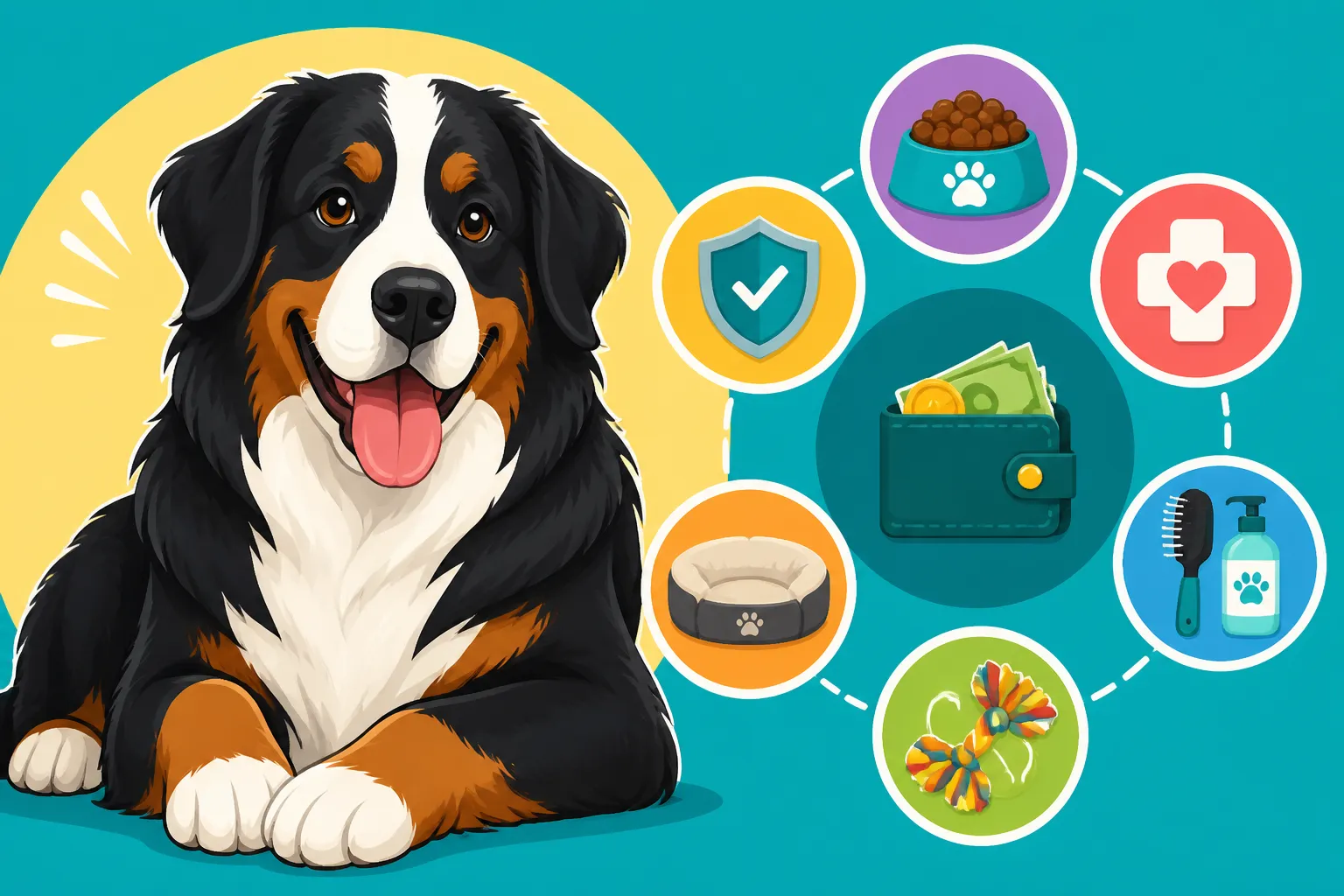
The Running Costs of a Hundred Pound Bernese Mountain Dog
Bringing a Bernese Mountain Dog into your life is an incredible joy, but it’s also a significant financial commitment that often catches new owners off guard. These gentle giants, with their impressive size and luxurious coats, come with a set of needs that translate directly into substantial ongoing expenses. This comprehensive guide will meticulously break down the various running costs associated with owning a hundred-pound Bernese Mountain Dog, from their daily kibble to unexpected vet bills, helping you budget wisely and ensure your beloved Berner lives its best, most comfortable life.
Understanding the Bernese Mountain Dog's Unique Needs and Their Cost Implications
When you welcome a Bernese Mountain Dog into your home, you're not just getting a dog; you're getting a magnificent, large-and-in-charge family member whose sheer size and breed-specific predispositions naturally lead to higher expenses than smaller breeds. It's not just about the volume of food they eat; it's about everything from specialized veterinary care to reinforced beds and extra-strength leashes. Recognizing these fundamental drivers of cost upfront is crucial for responsible ownership.
Size and Appetite: The Foundation of Bernese Costs
Let's be real: a hundred-pound dog isn't eating tiny portions. The average adult Bernese Mountain Dog can easily consume 4-6 cups of high-quality kibble per day, sometimes more depending on their activity level, age, and metabolism. This isn't just a number on a bag; it's a constant, recurring expense that quickly adds up. Imagine buying groceries for a small army, and you're getting close to what it feels like to provision a Berner. You can't skimp on quality either; their large frames and propensity for joint issues benefit immensely from nutritionally dense, large-breed specific formulas. A cheap bag of food might seem like a saving, but it can lead to more significant health problems and vet bills down the line. We're talking about heavy-duty food bowls, sometimes even slow feeders to prevent them from inhaling their meals too quickly, which can contribute to serious issues like bloat. The bigger the dog, the bigger the everything – bigger crates, bigger beds, bigger toys that they can't immediately destroy.
Lifespan Realities: Planning for a Shorter Journey
It’s a heartbreaking truth that Bernese Mountain Dogs, for all their wonderful qualities, typically have a shorter lifespan compared to many other breeds. While individual dogs can certainly defy the odds, the average Bernese Mountain Dog lives only seven or eight years. This isn't a minor detail; it significantly impacts your financial planning. While you might expect to spread out significant health costs over a decade or more with other breeds, with a Berner, you often face them in a compressed timeframe. This means that serious age-related conditions, like advanced arthritis or various cancers, can appear relatively early in their lives, requiring intensive and often expensive treatment when you might still consider them middle-aged. It underscores the importance of an emergency fund or robust insurance from a young age, knowing that you might face these tough decisions and big bills sooner than you’d hope. It also means enjoying every single moment with them, knowing your time together is precious. For more on this, you might find it helpful to read about Why a Bernese Mountain Dog Lives Only Seven or Eight Years.
Breed-Specific Health Concerns: A Financial Heads-Up
This is perhaps the most critical cost factor for Bernese Mountain Dogs. They are unfortunately predisposed to several significant health issues that can become very expensive. Cancer, particularly histiocytic sarcoma, is heartbreakingly common, affecting a large percentage of the breed. Treatments for cancer, including chemotherapy, radiation, or surgery, can run into tens of thousands of dollars. Joint diseases, like hip and elbow dysplasia, are also prevalent due to their rapid growth and large size. Managing joint disease in a hundred-pound Bernese Mountain Dog often involves lifelong medication, supplements, physical therapy, and potentially costly surgeries. Then there's bloat (Gastric Dilatation-Volvulus), a life-threatening emergency that requires immediate, expensive surgery to save their life. Being aware of these common health pitfalls isn't meant to scare you, but to prepare you for the potential financial realities. Proactive screening and early intervention can make a difference, but they too come with a price tag. Understanding Histiocytic Sarcoma in a Bernese Mountain Dog or Bloat in a Deep-Chested Bernese Mountain Dog can give you a better idea of what to look out for.
The Daily Grind: Food and Nutrition Costs
When you’re feeding a Bernese Mountain Dog, food isn't just sustenance; it's a cornerstone of their health and well-being. Their dietary needs are significant, and making the right choices here can have long-term impacts on their joint health, coat quality, and overall vitality, not to mention your wallet.
Premium Food for a Giant Breed
Choosing the right food for a Bernese Mountain Dog isn't as simple as grabbing the biggest bag on sale. These are large, active dogs with specific nutritional requirements, especially during their crucial growth phases. They need large-breed puppy food with controlled calcium and phosphorus levels to prevent orthopedic issues. As adults, they thrive on high-quality formulas that support their lean muscle mass and energy levels without causing excessive weight gain, which can exacerbate joint problems. Brands like Royal Canin Large Breed, Orijen, or Acana are popular choices, known for their quality ingredients, but they come with a higher price tag than generic brands. A 30-pound bag of premium kibble, which might last a smaller dog for months, could be gone in just a couple of weeks with a Berner. This means monthly food bills can easily run from $80 to $150, or even more if you opt for fresh or raw food diets. Some owners find great convenience and quality from services like Ollie, which deliver fresh, human-grade food right to your door, perfectly portioned for your dog's size and activity. While more expensive, many believe the health benefits are worth the investment. You can definitely expect to spend a good chunk of your budget on Feeding a Hundred Pound Bernese Mountain Dog Monthly.
Treats, Supplements, and Special Diets
Beyond their main meals, Bernese Mountain Dogs often benefit from or require additional nutritional support. Treats are essential for training and enrichment, but again, quality matters. Look for low-calorie, natural ingredient options, especially since Berners can be prone to weight gain. Joint supplements like glucosamine and chondroitin are almost universally recommended for Berners, starting even before they show signs of joint discomfort, as a preventative measure against conditions like Joint Disease in a Hundred Pound Bernese Mountain Dog. Omega-3 fatty acids for coat health and anti-inflammatory benefits are also common additions. These supplements, especially for a large dog, aren’t cheap. If your Berner develops allergies or specific health conditions, they might need prescription diets, which are significantly more expensive than regular kibble. For example, a dog with sensitive digestion might need a limited ingredient diet from a brand like Purina Pro Plan Sensitive Skin & Stomach. These specialized foods can easily add another $50-$100 to your monthly budget. It's an ongoing calculation of what's best for their health versus what's feasible for your budget, but rarely is the cheapest option the best for a Berner.
Understanding Feeding Schedules and Portions
The way you feed your Bernese Mountain Dog is almost as important as what you feed them. Due to the risk of bloat, it's widely recommended to feed adult Berners at least two, preferably three, smaller meals throughout the day rather than one large one. This helps reduce the chances of the stomach twisting, a life-threatening condition. While this doesn't directly increase the cost of food, it means you need to be mindful of consistency and portion control. Overfeeding, even by a little, can quickly lead to excess weight, putting undue strain on their already vulnerable joints. Many owners use measuring cups religiously and often adjust portions based on their dog's body condition score, feeling for ribs under that thick coat. This meticulous approach to feeding requires diligence but can save you significant vet bills in the long run by preventing obesity-related health issues. Using a slow feeder bowl from a brand like Outward Hound can also be a wise investment to manage rapid eating, even if it adds a small initial cost.
Keeping Them Healthy: Veterinary Care and Preventative Measures
Veterinary care for a Bernese Mountain Dog is not a "set it and forget it" expense. It's an active, ongoing investment that starts from puppyhood and continues throughout their unfortunately often-too-short lives. Their size and breed-specific health challenges mean their vet bills will typically be higher than those for smaller breeds.
Routine Check-ups and Vaccinations
Even a perfectly healthy Bernese Mountain Dog requires consistent routine veterinary care. Puppies need a series of vaccinations, deworming, and regular check-ups in their first year. After that, annual wellness exams are crucial. These visits allow your vet to monitor their growth, listen to their heart, check their joints, and generally catch any potential issues early. For adult Berners, especially as they approach middle age (which, for a Berner, can be as early as five or six years old), your vet might recommend twice-yearly check-ups to stay ahead of age-related diseases. Each routine visit can range from $50-$150, not including the cost of vaccinations, which might be another $20-$50 per shot. Rabies, distemper, parvovirus, adenovirus, parainfluenza, and often Leptospirosis and Lyme disease vaccines are standard. Heartworm, flea, and tick prevention are also non-negotiable monthly expenses, costing anywhere from $20-$60 per month, depending on the products used and the size of your dog. These might seem like small costs individually, but they are absolutely essential for a healthy life and add up over a year.
Parasite Prevention and Dental Health
Internal and external parasite prevention is critical for all dogs, but especially for large, outdoor-loving breeds like Berners. Heartworm preventatives, which are usually given monthly, protect against a potentially fatal parasitic worm spread by mosquitoes. Flea and tick medications, also typically monthly, ward off external pests that can cause skin irritation, allergic reactions, and transmit serious diseases like Lyme disease or Anaplasmosis. Brands like Frontline, NexGard, or Bravecto are common choices, and their dosage (and thus cost) scales with your dog's weight.
Dental health is another often-overlooked area that becomes more significant with age. Just like people, dogs can develop plaque and tartar buildup, leading to gum disease, pain, and even systemic infections. Regular dental cleanings under anesthesia are recommended every one to three years for most dogs, but for a large breed like a Berner, the anesthesia costs are higher due to the increased drug volume and monitoring required. A routine dental cleaning can easily run from $500 to over $1,000, not including any extractions or specialized treatments. Many owners try to mitigate this with daily tooth brushing, dental chews, or water additives, but professional cleaning will eventually be necessary.
Health Screenings and Early Detection Efforts
Given the Bernese Mountain Dog's genetic predispositions, proactive health screenings are not just recommended, they're essential for responsible ownership. This can start even before you bring a puppy home, by checking the health clearances of the parents. For your own Berner, regular screenings for hip and elbow dysplasia, heart conditions, and eye problems are critical. The Orthopedic Foundation for Animals (OFA) evaluations, for example, typically involve X-rays under sedation, which can cost several hundred dollars each time. As they age, bloodwork (CBC and chemistry panels) and urinalysis become important yearly screens to detect early signs of kidney disease, liver issues, or certain cancers. For a deep dive into what this entails, you can look up The Bernese Mountain Dog Health Panel.
Due to the prevalence of cancer, many vets also recommend more frequent check-ups and heightened vigilance for any lumps, limping, or changes in appetite/energy. Early detection truly can make a difference in treatment outcomes for conditions like The Cancer That Kills Half of All Bernese Mountain Dogs. These comprehensive diagnostic tests, while potentially costly upfront, can save you from far more expensive emergency treatments down the road and, most importantly, improve your dog's quality of life and potentially extend their time with you. Remember, prevention and early detection are key with a Berner, and they require a commitment of both time and money.
Maintaining That Magnificent Coat: Grooming Expenses
That thick, luxurious tricolor coat is one of the Bernese Mountain Dog's most striking features, but it's also a high-maintenance affair. It sheds, it mats, and it traps dirt, all of which require regular attention to keep your Berner comfortable and looking their best.
At-Home Grooming Essentials
To manage a Bernese coat effectively, you’ll need a dedicated arsenal of grooming tools. A good quality slicker brush, a sturdy undercoat rake, and a wide-toothed comb are absolute necessities. You’ll also want dog-specific shampoo and conditioner, nail clippers or a grinder, and ear cleaner. These initial purchases can set you back $50-$150. Beyond the initial investment, there's the ongoing cost of products. You can't just use human shampoo on a dog; their skin pH is different. Expect to replenish shampoos and conditioners, especially if you bathe your Berner frequently due to their love of mud.
The real cost, however, is your time and effort. Brushing your Bernese Mountain Dog several times a week, especially during seasonal sheds, is non-negotiable to prevent mats and reduce the amount of hair floating around your home. Missing a week or two can result in painful matting, particularly behind the ears, under the legs, and in their "trousers" (the long hair on their hindquarters). Regular nail trims (every 2-4 weeks) are also vital; overgrown nails can cause pain and lead to orthopedic issues. And don't forget ear cleaning – their floppy ears can be prone to infections if not kept clean and dry. It's a commitment, but one that fosters bonding and keeps your Berner comfortable. If you’re not prepared for this daily upkeep, you’ll find yourself with a tangled, uncomfortable dog and higher professional grooming bills.
Professional Grooming Services
While at-home grooming is a must, many Bernese Mountain Dog owners opt for professional grooming services, at least occasionally, to tackle the deeper undercoat, address matting, or give their dog a thorough bath and blow-dry. This is especially true during major shedding seasons (spring and fall) when their double coat "blows," releasing massive amounts of hair. Professional groomers have specialized tools, high-velocity dryers, and the expertise to handle large, double-coated breeds. A full professional groom for a hundred-pound Bernese Mountain Dog can range from $80 to $200 or more, depending on your location, the groomer’s experience, and the condition of your dog’s coat. These services often include bathing, conditioning, de-shedding, nail trimming, ear cleaning, and sometimes even a light trim of the feathering. Many owners budget for professional grooms quarterly or bi-annually, supplementing with their own daily brushing. The cost might seem steep, but a well-maintained coat is essential for their comfort and skin health, and a professional can often achieve results that are difficult to replicate at home. Learning about What a Bernese Mountain Dog Groom Costs can help you budget accurately.
Dealing with Seasonal Shedding
Oh, the shedding! If you’ve never owned a double-coated giant breed, prepare yourself. Bernese Mountain Dogs are champions of shedding, particularly during the spring and fall "coat blows." During these times, it can feel like you're sweeping up enough fur to knit a new dog every day. This isn't just a cosmetic issue; loose undercoat can lead to matting if not thoroughly removed, and it can also cause your dog to overheat. Managing this means not only more frequent brushing but also more frequent vacuuming, dusting, and lint-rolling around your home. Your vacuum cleaner might take a beating, potentially requiring more frequent filter changes or even replacement. Investing in a powerful, pet-specific vacuum cleaner, like a Dyson or Shark, is almost a necessity, and these can cost several hundred dollars. Additionally, you might find yourself needing to wash dog beds, blankets, and even couch covers more often, leading to higher utility bills. It's a continuous battle against the fluff, but it's part and parcel of sharing your life with one of these magnificent creatures.
Comfort, Training, and Enrichment: Gear and Activities
Beyond the basic necessities of food and vet care, providing a comfortable, stimulating, and well-behaved environment for your Bernese Mountain Dog involves a range of other expenses for gear, training, and enrichment activities. These items contribute significantly to their quality of life and your peace of mind.
Beds, Crates, and Home Modifications
A small dog can curl up on a tiny cushion, but a Bernese Mountain Dog needs substantial space to rest comfortably. Quality orthopedic beds are not just a luxury; they are a necessity for these heavy, joint-prone dogs, providing crucial support and preventing pressure sores. Expect to pay anywhere from $100 to $300 (or more) for a large, durable orthopedic bed, and you'll likely need several – one for the crate, one for the living room, perhaps one for the bedroom. Crates for Berners are also large, often an XXL size, which can cost $100-$250. Given their intelligence and puppy-like nature that can extend up to three years, crate training is often recommended to ensure their safety and your home's integrity.
Beyond beds and crates, you might find yourself making home modifications. Baby gates are often useful for restricting access to certain areas, especially during puppyhood or if you have an older dog with mobility issues. Ramps or steps can be invaluable for helping an aging Berner get into a car or onto furniture, reducing strain on their joints. Consider also durable, easy-to-clean flooring if you're renovating, as accidents, drool, and shedding will test any surface. And, of course, a robust car solution for transportation – whether it's a large SUV, a comfortable back seat setup, or a heavy-duty ramp – becomes essential. You might be surprised at The Car a Bernese Mountain Dog Owner Ends Up Buying.
Training Classes and Ongoing Education
Despite their gentle nature, Bernese Mountain Dogs are powerful animals that need consistent training from a young age. A hundred-pound dog that pulls on the leash or jumps up on guests isn't cute; it's a safety hazard. Puppy kindergarten and basic obedience classes are highly recommended and can cost $150-$300 per course. Beyond the basics, many owners continue with advanced obedience, Canine Good Citizen (CGC) classes, or even delve into dog sports like drafting (carting), which Berners excel at due to their heritage. These activities not only reinforce good manners but also provide vital mental and physical stimulation. Investing in a good quality harness, like those from Ruffwear or Kurgo, can also significantly improve leash manners for such a strong dog.
The cost isn't just in the classes; it's in the ongoing commitment to practice and reinforce training at home. Many Bernese Mountain Dogs are sensitive and respond best to positive reinforcement methods. You might also purchase books, online courses, or consult with private trainers for specific behavioral challenges. While the initial costs of training classes might seem like a lot, they are a worthwhile investment in building a well-adjusted companion and preventing much larger behavioral issues (and associated costs) down the line. Remember, a well-trained Berner is a joy to live with.
Toys, Chews, and Exercise Gear
Bernese Mountain Dogs love to play, and providing appropriate toys and chews is crucial for their mental stimulation and to prevent destructive chewing. However, they are strong chewers, so their toys need to be durable. Brands like Kong, Nylabone, and Goughnuts offer toys designed to withstand powerful jaws, but these often come with a higher price tag than flimsy alternatives. Expect to spend $20-$50 monthly on replacing or adding new toys and chews. Puzzle toys, which dispense treats, can also be great for mental enrichment, keeping their intelligent minds engaged.
For exercise, a sturdy leash and collar are essential. Given their size, a standard retractable leash is generally not recommended as it offers poor control and can cause injury. A heavy-duty 6-foot leash made of nylon or leather, paired with a flat buckle collar or a well-fitted harness, is a safer choice. Long lines (15-30 feet) can also be useful for supervised off-leash practice in safe areas. If you enjoy hiking, consider a dog backpack for your Berner to carry some of their own supplies, providing them with a "job" and extra exercise. While Berners aren't endurance athletes, regular, moderate exercise is important for their physical and mental health. This could include daily walks, supervised playtime in a securely fenced yard, or even swimming, which is great for their joints.
Insurance: A Financial Lifeline (or Not?)
Pet insurance is a highly debated topic among Bernese Mountain Dog owners, and for good reason. Given their breed-specific health issues and potential for high veterinary bills, many consider it a necessity, while others prefer to self-insure. Understanding the nuances is key to making the right decision for your family and your Berner.
Deciphering Pet Insurance Policies for Berners
When considering pet insurance for a Bernese Mountain Dog, it’s not a simple one-size-fits-all situation. Their predisposition to conditions like cancer and joint disease means that premiums can be higher, and it's absolutely crucial to read the fine print. You'll want to look for policies that offer robust coverage for hereditary and congenital conditions, which many of a Berner's common health problems fall under. Look at the annual limits—some policies cap coverage at $5,000 or $10,000, which might not even cover a single round of chemotherapy or a major orthopedic surgery. Unlimited policies, while more expensive, offer greater peace of mind.
Deductibles and reimbursement percentages also vary. A higher deductible will mean lower monthly premiums but more out-of-pocket expenses before coverage kicks in. Reimbursement percentages, typically 70-90%, determine how much of the covered veterinary bill the insurance company will pay. Be aware of waiting periods for certain conditions, especially orthopedic issues, which can sometimes be 6-12 months. It's often recommended to get insurance as early as possible in your Berner's life, ideally before any pre-existing conditions develop, as these are typically excluded from coverage. Brands like Healthy Paws are often recommended for their comprehensive accident and illness plans with unlimited annual payouts, which can be invaluable for Berners facing serious health challenges. For more detailed insights, exploring Insuring a Bernese Mountain Dog Against Cancer can provide helpful context.
Maximizing Coverage and Understanding Exclusions
To get the most out of your pet insurance for a Bernese Mountain Dog, careful planning and understanding your policy are paramount. Most policies will not cover pre-existing conditions, which is why early enrollment is so important. If your Berner shows signs of hip dysplasia before you enroll, for example, that condition (and related treatments) will likely be excluded. Some policies also have specific breed exclusions or higher rates for breeds known to have certain issues.
It's vital to submit all health records from previous vets when you enroll, as this helps establish a baseline and avoid disputes later on. Keep meticulous records of all veterinary visits, diagnoses, and treatments. When a claim arises, gather all necessary documentation (invoices, medical notes) and submit them promptly. Be prepared to communicate directly with your insurance provider if there are questions or delays. Remember that routine wellness exams, vaccinations, and parasite prevention are usually not covered by accident and illness plans, though some insurers offer optional "wellness riders" for an additional fee. These riders might cover a portion of your routine visits, dental cleanings, or even spaying/neutering.
Weighing the Costs Against Self-Insurance
The decision between pet insurance and self-insurance is a personal one, heavily influenced by your financial situation and risk tolerance. For Bernese Mountain Dogs, the average monthly premium can be anywhere from $50 to $150, depending on the dog's age, location, and coverage level. Over a Berner's relatively short lifespan, this can add up to thousands of dollars in premiums. Some owners prefer to put that money into a dedicated savings account each month, essentially creating their own "emergency fund" for vet bills.
The benefit of self-insurance is that you have direct access to your funds for any vet bill, without waiting periods, denied claims, or navigating policy complexities. However, the major downside is the risk of a catastrophic bill early on. If your young Berner develops cancer or requires major surgery that costs $10,000 or $15,000, would your self-insurance fund have accumulated enough to cover it? For many, the peace of mind that comes with a comprehensive insurance policy, especially for a breed as prone to serious health issues as the Bernese Mountain Dog, outweighs the cost of premiums. It's a gamble either way, but for many, a good insurance policy feels like a responsible safety net.
The Unforeseen and the Inevitable: Emergency Funds and End-of-Life Planning
Even with the best preventative care and pet insurance, unexpected health crises can strike, and eventually, every pet owner faces the difficult reality of their companion's senior years and final farewell. For Bernese Mountain Dogs, this can happen sooner than many anticipate, making proactive financial and emotional planning even more critical.
Building an Emergency Vet Fund
An emergency vet fund is a non-negotiable for any pet owner, but especially for a Bernese Mountain Dog. While pet insurance can cover a significant portion of unexpected illness or accident costs, there are always deductibles, co-pays, and services that might not be fully covered. More importantly, if you opt not to get pet insurance, this fund becomes your primary safety net. Veterinary emergencies, such as a severe injury, sudden illness, or, most terrifyingly for Berners, bloat, can easily run into thousands of dollars for diagnostics, surgery, and overnight hospitalization. A life-saving bloat surgery, for example, can cost $3,000-$8,000, sometimes more.
Aim to have at least $3,000-$5,000 set aside specifically for vet emergencies. This might sound like a lot, but it can be the difference between providing life-saving care and making heartbreaking decisions based on finances. This fund gives you options during a crisis, allowing you to focus on your dog's well-being rather than scrambling to find funds. Setting up an automatic transfer of a small amount each month into a dedicated savings account is a great way to build this fund steadily. It’s an investment in your peace of mind and your Berner’s potential longevity. You should definitely know about What Oncology Bills Reach for a Bernese Mountain Dog as part of your financial preparedness.
Managing Unexpected Health Crises
When an unexpected health crisis hits, the costs can escalate rapidly. Let's consider a scenario: your Berner suddenly starts limping severely. An emergency vet visit, X-rays, and pain medication could easily be $500-$1,000. If it's a torn cruciate ligament, surgery could be $3,000-$7,000, followed by physical therapy. If it's a suspicious lump, diagnostics like fine needle aspirates, biopsies, and potentially a CT scan or MRI could be several thousand dollars before any treatment even begins. For a Bernese Mountain Dog diagnosed with cancer, the costs of ongoing treatment, including chemotherapy, can be astronomical, often exceeding $10,000 over the course of treatment.
These situations are stressful enough without the added burden of financial worry. Having your emergency fund or insurance in place allows you to make decisions based on what’s best for your dog’s health and comfort, rather than your bank balance. It’s also important to have a good relationship with your regular veterinarian, as they can help guide you through complex medical decisions and sometimes offer payment plans or connect you with financial assistance programs if needed. Many vet clinics also partner with third-party financing options like CareCredit.
Preparing for a Bernese Mountain Dog's Final Chapter
While it's a difficult topic to consider, planning for the end of your Bernese Mountain Dog's life is a crucial part of responsible ownership, especially given their shorter lifespans. Euthanasia, cremation, or burial services all come with costs. In-home euthanasia, which many owners prefer for the comfort and familiarity it offers their beloved pet, is generally more expensive than at a clinic, ranging from $300-$600 or more. Cremation services, often including a return of ashes, can cost $200-$500 depending on the dog's size and whether you choose private or communal cremation. Urns, memorial items, or special burial plots also add to these expenses.
Beyond the direct costs, there’s the emotional toll and the potential need for palliative care in their final months. This can involve pain management, mobility aids, or specialized dietary needs to keep them comfortable. Understanding what palliative care for a Bernese Mountain Dog might entail and budgeting for it can make a significant difference in their quality of life as they age. While nobody wants to think about saying goodbye, having a plan in place can alleviate some of the financial stress during an incredibly emotional time, allowing you to focus on showering your cherished Berner with love and comfort in their last days.
Beyond the Basics: Travel, Boarding, and Specialized Care
Owning a Bernese Mountain Dog isn't just about daily care; it's about integrating them into your life, which often includes travel, needing someone to care for them when you're away, and sometimes, accommodating specialized needs that arise with age or illness. These "extras" can add up surprisingly quickly.
Finding Suitable Boarding and Pet Sitting
Going on vacation or needing to travel for work becomes a whole new challenge with a giant breed. Many standard boarding kennels aren't equipped for a dog the size of a Bernese Mountain Dog, or they charge a premium for large breeds. You'll need a kennel with spacious runs, a climate-controlled environment, and staff experienced with large dogs. Expect to pay $40-$80 per night for quality boarding. Over a week-long vacation, this can easily add up to $280-$560.
Alternatively, many owners prefer pet sitters who come to their home or offer in-home boarding to reduce stress on their Berner. This can be a more personalized and comfortable option, but also typically more expensive, ranging from $50-$100+ per day. Finding a reliable, insured, and experienced pet sitter who is comfortable handling a hundred-pound dog can take time and effort. Services like Rover or Wag can connect you with local sitters, but always ensure they have experience with giant breeds and that your Berner is comfortable with them. If your Berner has specific medical needs or anxiety when you're away, these costs can climb even higher for specialized care.
Travel Logistics and Accommodations
Traveling with a Bernese Mountain Dog is a logistical puzzle. First, their size dictates your mode of transport. Air travel for a hundred-pound dog is often challenging, costly, and sometimes not recommended due to breed size and health risks. If you do fly, they will almost certainly need to go in cargo, requiring an IATA-compliant crate, health certificates, and significant fees that can run into hundreds, if not thousands, of dollars. Most Berner owners opt for road trips. As mentioned, this often means owning a larger vehicle, like an SUV or minivan, to comfortably accommodate them and their gear.
When booking accommodations, many hotels and rental properties have weight limits or breed restrictions. Even pet-friendly establishments often charge additional pet fees, ranging from $25-$100+ per stay. You'll also need to pack extra gear: their orthopedic bed, food and water bowls, ample food, medications, toys, and towels. Planning ahead for dog parks or safe exercise spots along your route is essential. All these considerations contribute to the overall cost and complexity of traveling with your beloved Berner.
Special Needs and Mobility Assistance
As Bernese Mountain Dogs age, or if they develop conditions like degenerative myelopathy or severe arthritis, they may require specialized care and mobility assistance, which comes with significant costs. This can include prescription medications for pain and inflammation, which can be $50-$200+ per month. Physical therapy, hydrotherapy, or acupuncture can greatly improve their quality of life, but each session can cost $50-$150, often requiring multiple sessions per week.
Mobility aids such as supportive harnesses, lifting slings, or even custom-built wheelchairs (carts) can become necessary. A good quality orthopedic harness or lifting sling might be $50-$150. If your Berner's back legs give out, a custom mobility cart could be an investment of $500-$1,500. While these items represent significant upfront costs, they are invaluable for maintaining your dog's mobility, comfort, and independence. You might also need to install ramps around your home, or use non-slip runners on slick floors to prevent falls. These aren't just one-time purchases; they represent a long-term commitment to supporting your Berner through their golden, but sometimes challenging, years. For more on supporting a dog with mobility issues, you might want to look into A Cart for a Bernese Mountain Dog Losing Its Legs.
Running Costs of a Bernese Mountain Dog: A Summary Table
To give you a clearer picture of potential annual costs, here's a general breakdown. Please remember these are estimates and can vary widely based on location, choices, and your dog's individual health needs.
| Category | Estimated Annual Cost (Low Range) | Estimated Annual Cost (High Range) | Notes |
|---|---|---|---|
| Food & Nutrition | $960 ($80/month) | $1,800 ($150/month) | Premium kibble, treats, basic supplements. Higher end for specialized diets (e.g., fresh food like Ollie) or extensive supplements. |
| Routine Vet Care | $240 ($20/month) | $600 ($50/month) | Annual check-ups, basic vaccinations. Does not include dental cleanings, extensive diagnostics, or specialist visits. |
| Preventative Meds | $240 ($20/month) | $720 ($60/month) | Heartworm, flea, & tick prevention for a large dog. |
| Grooming (DIY) | $50 | $150 | Brushes, shampoo, nail clippers, ear cleaner. This assumes most grooming is done at home. |
| Grooming (Pro) | $0 (DIY only) | $800 ($200/quarter) | Quarterly professional de-shedding baths and trims. Varies greatly. |
| Training/Enrichment | $50 | $300 | Replacement toys, chews, occasional puzzle toys. Does not include initial puppy classes or advanced training, which can be $150-$300+ per course. |
| Comfort/Gear | $100 | $300 | Occasional replacement of beds, leashes, bowls. Initial setup (crate, multiple beds) can be much higher. |
| Pet Insurance | $600 ($50/month) | $1,800 ($150/month) | Varies significantly by age, location, coverage level, and provider (e.g., Healthy Paws). This is optional but highly recommended for Berners. |
| Emergency Fund (Savings) | $600 ($50/month) | $1,200 ($100/month) | This is money you save, not spend, to build a safety net for unexpected vet bills if you opt out of insurance or for deductibles/co-pays. Crucial for a Bernese Mountain Dog. |
| Miscellaneous | $100 | $300 | Licensing, waste bags, cleaning supplies for shedding/drool, car wear & tear, unexpected minor needs. |
| TOTAL ANNUAL COST (excluding major emergencies/illnesses) | $2,450 | $7,870 | This range is for a generally healthy Berner, before any major surgeries, cancer treatments, or severe chronic conditions. If you self-insure, the "Emergency Fund" amount is your out-of-pocket for any major issues. Chewy is a great source for many of these supplies, often with discounts. |
Disclaimer
The information provided in this guide is for general informational purposes only and does not constitute professional veterinary or financial advice. All decisions regarding your Bernese Mountain Dog's health, care, and related expenditures should be made in consultation with a qualified veterinarian and a financial advisor. Individual costs will vary based on geographic location, specific product choices, and your dog's unique needs and health status.