Why Bernese Mountain Dog Spending Jumps at Five
Bringing a beautiful Bernese Mountain Dog into your life is an absolute joy, but many new owners are caught off guard by the financial realities as their beloved Berner enters their middle years. The truth is, while puppyhood has its costs, the real financial curveball often hits around age five, when vet bills, specialized food, and general care expenses can take a significant and unexpected jump. This guide will help you understand why this happens and how you can best prepare for it.
The Inevitable Shift: Why Age Five is a Turning Point for Berners
It's heartbreaking to think about, but our majestic Bernese Mountain Dogs mature faster and, sadly, have shorter lifespans than many other breeds. While they might still seem spry and full of life at five, their bodies are often already entering a phase where age-related conditions begin to surface. This isn't just about them "getting old"; it's about the physiological realities of a large, fast-growing breed.
The Onset of Age-Related Health Concerns
Around age five, many Bernese Mountain Dogs, even those from the best lines, will start showing the subtle, or sometimes not-so-subtle, signs of conditions that are unfortunately common to the breed. You might notice a slight stiffness after a long nap, a reluctance to jump into the car, or a general slowing down on walks. These seemingly minor changes can be precursors to more serious issues like arthritis, hip or elbow dysplasia, or even early signs of cancer. It’s a harsh reality that these magnificent dogs are prone to Joint Disease in a Hundred Pound Bernese Mountain Dog and other structural challenges that become more pronounced as they mature. This isn't a fault of their care or training; it's often an inherent part of their genetic makeup and rapid growth.
Increased Vet Visits and Diagnostic Costs
When those subtle changes start appearing, your routine annual vet visits often transform into more in-depth investigations. That mild limp your Berner has developed might warrant X-rays, not just a physical exam. A change in appetite or energy could lead to comprehensive blood panels to check organ function, or even ultrasound scans to rule out internal issues. Suddenly, a simple check-up becomes a diagnostic odyssey. The initial "detective work" required to pinpoint what's causing your Berner's new symptoms can be surprisingly expensive, as it often involves multiple tests over several appointments. These costs add up quickly, far beyond the puppy vaccine series or routine deworming. Your vet is trying to get a full picture, and that full picture often requires a significant investment in diagnostics.
Understanding the Escalating Medical Bills
Once a condition is diagnosed, the financial commitment doesn't end with the diagnosis. Many of the health issues prevalent in Bernese Mountain Dogs require ongoing management, which can mean regular medication, specialized therapies, and even emergency interventions.
Managing Chronic Conditions
If your Bernese Mountain Dog is diagnosed with conditions like arthritis, hip dysplasia, or even hypothyroidism, managing these issues becomes a regular part of your budget. Imagine monthly prescriptions for anti-inflammatory medications, pain relief, or hormone supplements. Beyond medication, you might find yourself exploring alternative therapies like hydrotherapy, acupuncture, or even veterinary chiropractic adjustments to improve comfort and mobility. These aren't one-time fixes; they're commitments that can extend for the remainder of your dog's life. Think about the physical therapy sessions for Living With a Bernese Mountain Dog Losing Its Back Legs or the ongoing medication for joint support. Furthermore, special prescription diets might become necessary to support kidney function, joint health, or weight management, adding to your regular grocery bill. Brands like Ollie might offer custom meal plans that could support specific dietary needs, but these often come at a premium compared to standard kibble.
The Shadow of Cancer and Other Serious Illnesses
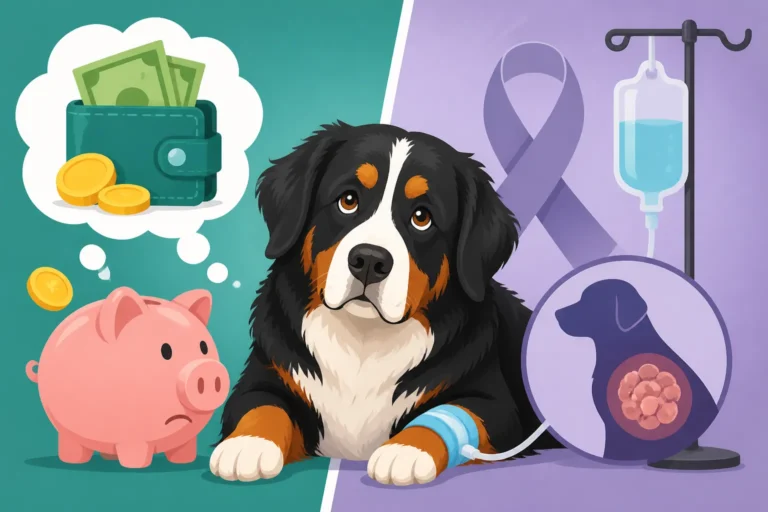
Perhaps the most devastating and financially impactful reality for Bernese Mountain Dog owners is the breed's unfortunate predisposition to certain cancers. The Cancer That Kills Half of All Bernese Mountain Dogs, particularly histiocytic sarcoma, often makes its unwelcome appearance around the age of five or six. A lump that might have been dismissed as benign in a younger dog now demands immediate attention and costly diagnostic biopsies. If cancer is confirmed, the options for treatment can involve extensive surgery, chemotherapy, or radiation, all of which carry substantial price tags. Beyond cancer, other serious, sudden conditions like Bloat in a Deep-Chested Bernese Mountain Dog can strike without warning, necessitating emergency surgery that can cost thousands overnight. Even degenerative conditions like The Bernese Mountain Dog Whose Back Legs Give Out often require extensive specialist consultations and ongoing care plans. This is where comprehensive pet insurance, like plans offered by Healthy Paws, can truly become a lifesaeline, helping to shoulder a significant portion of these high-cost treatments, especially if your Berner was enrolled before any symptoms appeared.
Here's a simplified look at how costs can shift:
| Cost Category | Before Age Five (Typical Focus) | After Age Five (Increased Focus) |
|---|---|---|
| Routine Vet Care | Annual check-ups, vaccines, parasite control | More frequent check-ups, specialized screenings |
| Diagnostics | Puppy checks, basic bloodwork | X-rays, ultrasounds, biopsies, advanced bloodwork |
| Medication/Supplements | Preventatives, occasional antibiotics | Chronic condition meds, joint supplements, pain relief |
| Special Diets | Standard large breed puppy/adult food | Prescription diets, senior formulas, weight management |
| Emergency Care | Accidents (e.g., puppy antics) | Bloat, sudden illness, advanced cancer treatment |
| Mobility Aids | None | Orthopedic beds, ramps, harnesses, carts |
| Grooming | Basic brushing, occasional professional bath | More frequent professional grooming, mat removal |
Adjusting Lifestyle and Care for Your Middle-Aged Berner
The financial impact of a middle-aged Bernese Mountain Dog isn't just about direct medical bills; it also encompasses necessary adjustments to their daily care and lifestyle to maintain their quality of life. These changes, while vital for their comfort, also contribute to the overall increase in spending.
Changes in Diet and Supplements
As your Berner approaches five, their metabolism can start to slow, and their nutritional needs evolve. You might find yourself transitioning from an adult formula to a senior-specific food, which is often formulated with different protein-to-fat ratios and includes joint-supporting ingredients. Sometimes, these specialized foods come with a higher price point. Beyond their main meals, a daily regimen of joint supplements, such as glucosamine and chondroitin, or omega fatty acids for coat and joint health, becomes almost mandatory. While these aren't prescription medications, they are an ongoing expense. Finding reliable sources for these, whether through your vet or online retailers like Chewy, becomes a regular task. You'll be thinking more about Feeding an Adult Bernese Mountain Dog Safely with these changing needs in mind. It's an investment in their comfort and mobility, but an investment nonetheless.
Increased Grooming and Mobility Support
A younger Bernese Mountain Dog often manages their thick coat with regular brushing at home, but as they age, mobility issues or general stiffness can make self-grooming difficult. You might find that knots and mats develop more easily, especially around their ears, armpits, and hindquarters. This can necessitate more frequent professional grooming appointments, which, given a Berner's size and double coat, are not inexpensive. A professional groomer can also help identify skin issues that older dogs are prone to. Furthermore, if your Berner develops significant joint pain or Arthritis in a Bernese Mountain Dog by Six, you'll likely be investing in orthopedic beds, ramps to help them get into cars or onto furniture, or even special harnesses that help you lift and support them. For dogs experiencing severe mobility challenges, a custom-fitted mobility cart can offer a new lease on life, but these items represent a significant upfront cost. These aren't luxuries; they're essential tools to ensure your cherished companion remains comfortable and engaged in family life.
Planning Ahead: Mitigating the Financial Impact
The jump in expenses around age five for a Bernese Mountain Dog can feel overwhelming, but with some foresight and planning, you can soften the blow. It’s all about being proactive rather than reactive when it comes to their health and your finances.
The Role of Pet Insurance
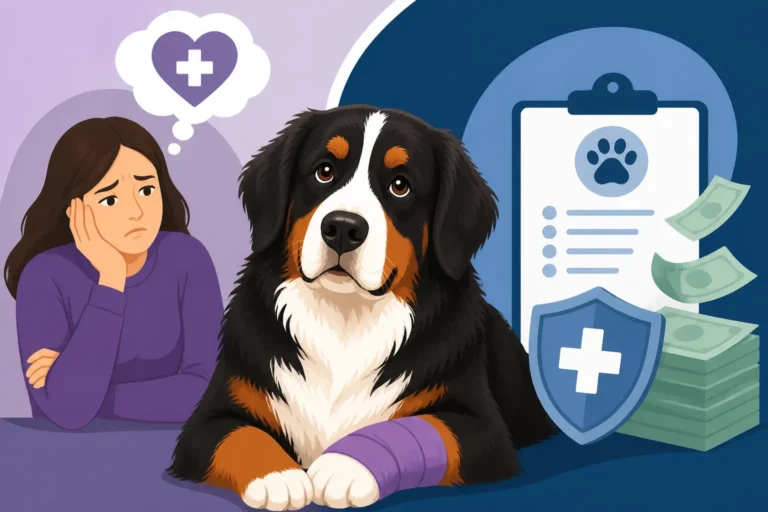
Pet insurance can be an absolute game-changer for Bernese Mountain Dog owners, especially considering the breed's propensity for costly health issues. The key, however, is to enroll your Berner when they are young and healthy. If you wait until they're five and already showing symptoms of, say, hip pain or a suspicious lump, those conditions will likely be considered pre-existing and won't be covered by a new policy. A comprehensive "accident and illness" policy with a high annual limit is often the most suitable choice for a breed like the Berner, given the potential for multiple, expensive conditions like cancer or joint surgeries. Companies like Healthy Paws are often discussed in Berner circles for their comprehensive coverage options. Reviewing policies carefully to understand deductibles, reimbursement percentages, and what conditions are covered is crucial. While you might wonder if Insuring a Bernese Mountain Dog Against Cancer is worth it, the peace of mind and financial relief during a crisis can be invaluable. It's not a magical fix, but it can turn potentially devastating bills into manageable ones.
Building an Emergency Fund
Even with pet insurance, an emergency fund specifically dedicated to your Bernese Mountain Dog's health is a wise decision. Insurance often doesn't cover 100% of costs, there are deductibles, and some procedures or therapies might not be included in your plan. Having a readily accessible savings account can cover these gaps. Think about the immediate costs of an emergency visit for bloat, which can easily run into thousands before insurance even kicks in. Or the ongoing cost of medications for a chronic condition that your policy might not fully cover. A good rule of thumb is to aim for a fund that can cover at least one major emergency or several months of chronic medication costs without dipping into your personal emergency savings. This fund gives you the flexibility to make the best decisions for your Berner's health, rather than being limited by immediate financial constraints. It also alleviates the stress of wondering whether What Oncology Bills Reach for a Bernese Mountain Dog can be afforded, allowing you to focus on your dog's well-being.
Disclaimer
This article is for general informational purposes only and does not constitute professional advice. Laws, prices and regulations vary by location and change over time. Consult a qualified professional for guidance on your specific situation.