Insuring a Bernese Mountain Dog Against Cancer
Bringing a Bernese Mountain Dog into your life is an unparalleled joy, but it often comes with the heartbreaking reality of facing serious health challenges, especially cancer, which can strike these gentle giants prematurely and unexpectedly. The emotional toll is immense, and the financial burden of advanced veterinary care can add a layer of overwhelming stress. This comprehensive guide is here to help you understand how pet insurance, specifically designed to protect against the high costs of cancer treatment, can offer a vital safety net and much-needed peace of mind for you and your beloved Berner.
The Heartbreaking Reality of Cancer in Bernese Mountain Dogs
It's a truth that often catches new Berner owners off guard, and it’s one that veteran owners know all too well: Bernese Mountain Dogs are predisposed to certain types of cancer at alarmingly high rates. This isn't just a statistical blip; it's a profound and frequent challenge that defines a significant part of the breed's health profile and lifespan.
Why Cancer is Such a Concern for Berner Owners
The statistics are stark and can be truly devastating. Research indicates that a significant percentage of Bernese Mountain Dogs will develop some form of cancer in their lifetime, with some studies suggesting that The Cancer That Kills Half of All Bernese Mountain Dogs. This isn't just a general cancer risk; there are specific types that are particularly prevalent in the breed. One of the most aggressive and common is Histiocytic Sarcoma. This form of cancer can manifest in various ways, from affecting the lungs and spleen to causing lameness in a limb. It often progresses rapidly, leaving owners with little time and difficult decisions.
For Berner families, this isn't just a distant threat; it’s a constant worry that hangs over their otherwise joyful years with these wonderful dogs. Every new lump, every slight limp, every change in appetite can trigger a wave of anxiety, knowing the breed’s unfortunate propensity for these diseases. It’s a heavy burden, made heavier by the immense love we have for our Berners. The breed's genetic predisposition means that even with the most careful breeding and optimal care, the risk remains substantial, affecting far too many families. Understanding Histiocytic Sarcoma in a Bernese Mountain Dog is a crucial step for any Berner owner.
The Financial Burden of Cancer Treatment
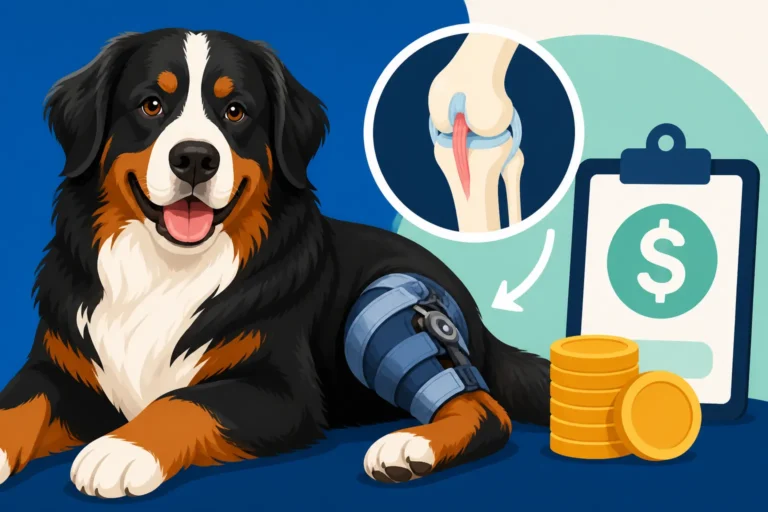
Beyond the emotional heartache, the financial aspect of cancer treatment for a large breed like a Bernese Mountain Dog can be absolutely staggering. We're not talking about a few hundred dollars for a routine visit; we're talking about bills that can easily climb into the tens of thousands. Imagine your sweet Berner, perhaps just five or six years old, suddenly showing signs of illness. The initial diagnostic workup alone—blood tests, X-rays, ultrasounds, biopsies, and potentially CT scans or MRIs—can quickly run into several thousand dollars.
Once a diagnosis is confirmed, the treatment options can range from surgery to chemotherapy, radiation therapy, or a combination of these. Each course of treatment is not only emotionally taxing for both dog and owner but also incredibly expensive. A single round of chemotherapy might cost hundreds, with multiple sessions required. Radiation therapy often involves specialist veterinary oncologists and can be prohibitively expensive. Palliative care, designed to keep your dog comfortable in their final months, also incurs significant ongoing costs for medications and specialized veterinary visits. Many families find themselves in an impossible position, forced to make decisions based on their wallet rather than what they truly want for their beloved pet. It's a cruel reality that the cost of care can dictate the choices available, and it's why understanding What Oncology Bills Reach for a Bernese Mountain Dog is so important from the outset.
Understanding Pet Insurance for Bernese Mountain Dogs
When you’re facing the potential for massive veterinary bills, pet insurance isn't just a nice-to-have; it's a lifeline. But it's not a one-size-fits-all solution, especially for a breed with such specific health risks as the Bernese Mountain Dog. Understanding the nuts and bolts of how these policies actually work is crucial.
How Pet Insurance Works for Major Illnesses
At its core, pet insurance is designed to help offset the costs of unexpected veterinary care, much like human health insurance. You pay a monthly or annual premium, and in return, the insurance company reimburses you for a percentage of eligible veterinary expenses after you've met your deductible. For major illnesses like cancer, this structure becomes incredibly valuable.
Here's how the key components break down:
- Deductible: This is the amount you need to pay out-of-pocket before your insurance coverage kicks in. Deductibles can range from $100 to $1,000 or even more. Generally, a higher deductible means a lower monthly premium, and vice-versa. For a Bernese Mountain Dog, where a single diagnostic workup can easily exceed a $500 deductible, this is often met quite quickly.
- Reimbursement Percentage: This is the percentage of eligible costs that the insurance company will pay back to you after the deductible is met. Common reimbursement rates are 70%, 80%, or 90%. If your Berner incurs a $5,000 vet bill after your $500 deductible is met, and you have an 80% reimbursement rate, the insurer would pay 80% of $4,500 (which is $3,600).
- Annual Limits: Many policies have an annual limit on how much they will pay out in a given year. These limits can range from a few thousand dollars to unlimited. For Berners, with their high risk of expensive conditions like cancer, an unlimited or very high annual limit policy is often the most prudent choice, as cancer treatments can easily blow past lower limits.
- Waiting Periods: This is the period of time, typically a few days to a few weeks, after you purchase a policy before certain coverages become active. Accident waiting periods are usually shorter (e.g., 2-3 days), while illness waiting periods are longer (e.g., 14-30 days). Orthopedic conditions, like hip dysplasia, often have even longer waiting periods (e.g., 6 months). It's critical to understand these, as any illness or injury that occurs during the waiting period will be considered pre-existing and won't be covered.
The beauty of pet insurance, especially for serious conditions, is that it allows you to make medical decisions based on what’s best for your Bernese Mountain Dog, rather than agonizing over whether you can afford it.
Key Differences Between Accident & Illness vs. Comprehensive Plans
When shopping for pet insurance, you'll generally encounter a few main types of plans, and understanding the distinctions is vital for a Bernese Mountain Dog owner.
- Accident-Only Plans: As the name suggests, these plans cover costs related to accidents – think broken bones, ingesting foreign objects, lacerations, or being hit by a car. They are typically the most affordable but offer no coverage for illnesses. For a Bernese Mountain Dog, while accidents can happen, these plans offer absolutely no protection against the breed’s most significant health threat: cancer. They are generally not recommended as the sole insurance for a Berner.
- Accident & Illness Plans: These are the most common type of pet insurance policy and represent a significant step up in coverage. They cover accidents (as above) and a wide range of illnesses, including cancer, infections, allergies, digestive issues, and more. This is the minimum level of coverage a Bernese Mountain Dog owner should consider. These plans typically cover diagnostic tests, surgeries, medications, and sometimes alternative therapies related to these conditions. This is where you'll find the most benefit when dealing with a cancer diagnosis.
- Comprehensive Plans: Often, "comprehensive" is used interchangeably with "Accident & Illness" plans, but some providers offer truly comprehensive plans that include wellness or routine care add-ons. These add-ons might cover things like annual check-ups, vaccinations, flea and tick prevention, and dental cleanings. While these can be beneficial for managing routine costs, they usually have separate deductibles or limits and are often not where the bulk of the savings comes from when facing a major illness. The real value for a Berner comes from robust Accident & Illness coverage that heavily targets severe conditions like cancer and orthopedic issues. For a Bernese Mountain Dog, focusing on a strong accident and illness plan with high (or unlimited) annual limits and a good reimbursement rate is generally more impactful than adding wellness coverage, given the breed's specific health profile.
Navigating Pre-Existing Conditions and Waiting Periods
One of the most critical aspects of pet insurance, especially for breeds prone to specific health issues like the Bernese Mountain Dog, is the concept of pre-existing conditions and waiting periods. Misunderstanding these can lead to heartbreaking denials when you need coverage most.
Defining "Pre-Existing Conditions" for Your Berner
In the world of pet insurance, a "pre-existing condition" refers to any illness or injury that your pet showed signs of, or was diagnosed with, before your insurance policy's waiting period ended. This is a huge deal for Bernese Mountain Dogs, as their propensity for cancer means you simply cannot wait until a lump appears or they start limping to get coverage. Once those symptoms are noted in a vet's chart, or even just observable to you, any related diagnosis will almost certainly be excluded from coverage.
Let's say your Berner, eight years old, starts limping, and you take them to the vet. The vet records the lameness. You then decide to get pet insurance, thinking ahead to potential future costs. Two weeks later, after the policy's waiting period, a full workup reveals osteosarcoma (bone cancer) in the leg that was limping. Because the lameness was noted before the waiting period ended, the insurer would likely deem the bone cancer a pre-existing condition and deny coverage for treatment. This is why it’s so vital to enroll your Bernese Mountain Dog in a robust pet insurance plan when they are young and healthy, ideally as a puppy. The policy doesn't just cover known conditions; it protects against future unknown ones. For more information, explore Whether Cancer Counts as Pre-Existing in a Bernese Mountain Dog. Some companies might make exceptions for "curable" conditions that haven't recurred for a certain period (e.g., a past ear infection), but for serious, chronic, or recurrent issues like cancer, these exclusions are generally permanent.
The Importance of Enrolling Before Symptoms Appear
This point cannot be stressed enough: enroll your Bernese Mountain Dog in pet insurance as early as possible, while they are still a healthy puppy or young adult. Waiting until your Berner starts exhibiting vague symptoms, like a subtle decrease in energy or a cough that seems minor, can be too late. By the time you notice something, your veterinarian's records will document these signs, and those documented observations can become grounds for denying coverage for any related illness.
Imagine the scenario: you have a five-year-old Bernese Mountain Dog, and you've been putting off pet insurance. One day, you notice a small lump. You take your dog to the vet, and they mark "new lump" in the chart. You decide to get insurance immediately. Even if the diagnostic tests for the lump don't happen until after your waiting period is over, the fact that the lump appeared and was noted before coverage began means any subsequent cancer diagnosis related to that lump will likely be considered pre-existing. This is the harsh reality.
Early enrollment ensures that when those inevitable, often breed-specific, health challenges arise, you have coverage in place. This includes not just cancer but also conditions like hip and elbow dysplasia, which can also be incredibly costly to treat. The purpose of insurance is to cover the unexpected. Once a condition shows its face, it's no longer unexpected for the insurer. Companies like Healthy Paws are known for their comprehensive coverage, but even the best insurers adhere strictly to pre-existing condition clauses. Don't leave yourself in a position where you're forced to choose between your dog's best care and your financial stability because you waited too long.
Choosing the Right Policy: What to Look For
Selecting a pet insurance policy for your Bernese Mountain Dog isn’t like picking out a new collar; it requires careful consideration and a deep dive into the fine print. Given the breed’s health predispositions, particularly concerning cancer, you need a policy that truly provides robust protection when it matters most.
Coverage for Cancer-Related Diagnostics and Treatments
When evaluating policies for your Bernese Mountain Dog, the absolute first thing you need to scrutinize is the depth of their cancer coverage. This isn't just about whether they say they cover cancer; it's about the specifics of what they cover within that umbrella. A comprehensive policy for a Berner should unequivocally include:
- Diagnostic Tests: This means X-rays, ultrasounds, blood work, biopsies, fine needle aspirates, CT scans, and MRIs. These tests are often the first, most expensive steps in identifying cancer and determining its stage and type. Without good diagnostic coverage, you could be out thousands before treatment even begins.
- Surgery: If surgical removal of a tumor is an option, the policy should cover the costs associated with the procedure, including anesthesia, operating room fees, and post-operative care.
- Chemotherapy: This is a common treatment for many cancers and often involves multiple sessions. Ensure the policy covers various chemotherapy drugs and administration fees. Many Berners, unfortunately, end up needing chemotherapy. Whether Any Insurer Pays for Bernese Mountain Dog Chemotherapy is a critical question, and thankfully, most reputable providers do, but the extent varies.
- Radiation Therapy: For certain types of tumors, radiation can be a viable treatment. This specialized treatment is highly expensive, so robust coverage is essential.
- Medications: Beyond chemo, cancer treatment involves a host of supportive medications, pain relief, anti-nausea drugs, and more. Make sure these ongoing prescriptions are covered.
- Specialist Consultations: Seeing a veterinary oncologist, surgeon, or internal medicine specialist is common when dealing with cancer. The policy should cover these specialist fees.
Look for policies that don't have sub-limits specifically for cancer. Some plans might cap cancer treatment at a lower amount than their overall annual limit, which can be devastating for a Bernese Mountain Dog where oncology bills can easily exceed these lower caps. Providers like Healthy Paws are often praised for their straightforward, comprehensive accident and illness plans without per-condition limits, which is a huge advantage for breeds like Berners.
Understanding Annual Limits, Deductibles, and Reimbursement
These three factors are the pillars of your policy and directly impact your out-of-pocket expenses, especially when facing high-cost conditions like cancer.
- Annual Limits: For a Bernese Mountain Dog, an unlimited annual payout is highly recommended. As mentioned, cancer treatments can easily reach $10,000 to $20,000 or more over the course of treatment. A policy with a $5,000 or $10,000 annual limit might seem sufficient initially, but it can quickly be exhausted, leaving you on the hook for the remainder. Imagine a scenario where your Berner's cancer treatment totals $15,000 in a year. If your policy has a $10,000 annual limit, you'll still be paying $5,000 out of your own pocket, plus your deductible and reimbursement percentage on the covered portion.
- Deductibles: You'll choose an annual deductible, ranging typically from $100 to $1,000. A lower deductible means higher monthly premiums but less out-of-pocket before coverage kicks in. For a Bernese Mountain Dog, given the likelihood of significant health events, a moderate deductible (e.g., $250-$500) can be a good balance. If you're confident in your ability to cover the initial costs, a higher deductible can lower your monthly premium, but remember those initial diagnostic bills can be steep.
- Reimbursement Percentage: This is how much of the covered vet bill (after the deductible) the insurer pays back. Options are usually 70%, 80%, or 90%. Opting for a higher reimbursement percentage, like 90%, means you pay more in monthly premiums but significantly less out-of-pocket for expensive treatments. For a $15,000 cancer treatment, after a $500 deductible, an 80% plan would leave you paying $2,900 ($500 deductible + 20% of $14,500), while a 90% plan would leave you paying $1,950 ($500 deductible + 10% of $14,500). Over multiple years of treatment, this difference can add up significantly.
Carefully model out potential scenarios with different deductibles and reimbursement rates to see what makes the most financial sense for your budget and provides the level of protection you desire.
Considering Policy Renewals and Age Limits
This is a frequently overlooked but vital aspect for Bernese Mountain Dog owners, whose dogs, sadly, often have shorter lifespans. What happens to your policy as your Berner ages and becomes more susceptible to health issues?
- Age Limits for Enrollment: Most pet insurance companies have age limits for new enrollments, especially for accident and illness plans. While you can usually get accident-only coverage for older dogs, comprehensive illness coverage might cut off new enrollments around 10-14 years of age. This is another reason to enroll your Berner when they're young.
- Policy Renewal: Once enrolled, most reputable pet insurance companies guarantee renewal regardless of your dog's age or health status, as long as you continue to pay premiums. This means your Bernese Mountain Dog will not be "dropped" because they developed cancer. However, premiums can and often do increase with age. Insurers factor in the increased risk of illness as a dog gets older. You might find yourself asking Whether a Bernese Mountain Dog Policy Is Worth Renewing at Six as the premiums climb.
- Premium Increases: Expect premiums to rise annually as your Bernese Mountain Dog ages. While this can be frustrating, remember that the cost of veterinary care also increases, and your dog’s risk of developing expensive conditions escalates significantly in their senior years. The crucial point is that any condition that developed while the policy was active and not pre-existing will continue to be covered, even if your dog is now considered "senior." This makes the initial early enrollment even more valuable.
Comparing Popular Pet Insurance Providers for Berners
Choosing a pet insurance provider can feel like navigating a maze, especially with the unique needs of a Bernese Mountain Dog. While many companies offer policies, some stand out for their features that are particularly beneficial for breeds with high cancer rates and significant orthopedic concerns.
Healthy Paws: A Closer Look
Healthy Paws is consistently ranked among the top pet insurance providers, and for Bernese Mountain Dog owners, they offer several compelling features. Their core offering is a straightforward, comprehensive accident and illness plan that covers a wide range of conditions, including cancer, hereditary conditions, chronic conditions, and emergency care.
What often makes Healthy Paws a favorite for Berner owners is their unlimited annual benefit option. This is a huge advantage for a breed where cancer treatments can easily reach into the tens of thousands of dollars. With unlimited coverage, you don't have to worry about hitting an annual cap and suddenly being responsible for the rest of the bill. They are also known for:
- Fast Claims Processing: Healthy Paws typically processes claims quickly, often within a few days, which means you get reimbursed faster when you're dealing with significant vet bills.
- High Reimbursement Options: You can choose reimbursement rates of 70%, 80%, or 90%, allowing you to tailor your out-of-pocket costs.
- One Annual Deductible: You pay your deductible once per year, regardless of how many different conditions your Bernese Mountain Dog is treated for. This simplifies things immensely compared to some plans with per-condition deductibles.
They do not offer wellness add-ons, focusing purely on accident and illness coverage, which some owners prefer as it keeps premiums lower for the critical coverage. For a Bernese Mountain Dog, where the risk of catastrophic illness is so high, the focus on comprehensive illness coverage with high limits makes Healthy Paws a strong contender.
Other Reputable Options and Their Specifics
While Healthy Paws is a solid choice, it's always wise to compare with other highly-rated providers to ensure you find the best fit for your specific situation and budget.
- Trupanion: Trupanion is another excellent option, particularly noted for its unique per-condition deductible. This means you pay a deductible once for each new condition, and then Trupanion covers 90% of eligible costs for that condition for its entire life (as long as you maintain coverage). For chronic conditions like arthritis (common in Berners) or even a long-term cancer battle, this can be incredibly beneficial. However, if your Berner develops multiple unrelated conditions in a year, you might end up paying multiple deductibles. They also offer a direct pay option, where they can pay your vet directly, reducing your out-of-pocket at the time of service.
- Embrace Pet Insurance: Embrace offers a comprehensive accident and illness plan with a unique diminishing deductible. For every year you don't file a claim, your deductible decreases by $50, rewarding healthy pets. They also offer wellness add-ons, which can be appealing if you want to bundle routine care. They have customizable annual limits and reimbursement rates.
- Fetch by The Dodo: Formerly Petplan, Fetch offers comprehensive plans that include coverage for hereditary conditions, cancer, and even behavioral issues, which some Berner owners might appreciate. They offer dental illness coverage, which is a nice bonus. Their plans are highly customizable.
When comparing, always get quotes for your specific Bernese Mountain Dog (age, location) as premiums can vary widely. Pay close attention to:
- Exclusions: Are there any breed-specific exclusions for Berners? (Uncommon for reputable insurers, but always check).
- Hereditary/Congenital Conditions: Confirm these are covered, as many Berner issues fall into this category.
- Waiting Periods: Understand the specific waiting periods for accidents, illnesses, and orthopedic conditions.
Here's a simplified comparison table for common features to consider when insuring your Bernese Mountain Dog:
| Feature | Healthy Paws | Trupanion | Embrace Pet Insurance |
|---|---|---|---|
| Annual Limit Options | Unlimited | Unlimited | $5k-$30k |
| Deductible Type | Annual | Per-condition | Annual (Diminishing) |
| Reimbursement Options | 70%, 80%, 90% | 90% | 70%, 80%, 90% |
| Wellness Add-On | No | No | Yes |
| Direct Vet Pay | No (typically) | Yes | No (typically) |
| Waiting Period (Illness) | 15 days | 30 days | 14 days |
| Waiting Period (Ortho) | 15 days | 30 days | 6 months (can be waived) |
| Cancer Coverage | Comprehensive | Comprehensive | Comprehensive |
Leveraging Resources like Chewy and Ollie for Pet Care
While not direct pet insurance providers, platforms like Chewy and specialty pet food services like Ollie can still play a role in your overall pet care and budget, which indirectly ties into managing potential health costs.
- Chewy: As a massive online retailer for pet supplies, Chewy has also branched out into pet services. They often partner with pet insurance providers, acting as a portal or offering their own co-branded plans. For example, Chewy may offer insurance plans through partners like Lemonade or CareCredit. When you're already purchasing food, toys, and other essentials from Chewy, exploring their insurance offerings can be a convenient way to compare options. They sometimes have special promotions or discounts for their existing customers, which could make a policy more affordable. Additionally, their vast product selection, including prescription foods and supplements recommended by vets during illness, can be conveniently ordered and delivered, which helps during stressful times.
- Ollie: Ollie is a fresh pet food delivery service that focuses on high-quality, human-grade ingredients. While not insurance, consistent, high-quality nutrition can play a role in overall health and well-being. For a Bernese Mountain Dog, maintaining a healthy weight and providing excellent nutrition is crucial for joint health and general vitality, potentially reducing the incidence of certain health issues or supporting recovery. While premium food like Ollie can be more expensive upfront, some owners feel it contributes to a healthier dog long-term. Some niche pet care services might offer indirect benefits or resources, but it's important to remember they don't replace the financial safety net of dedicated pet health insurance.
Making the Decision: Is Insurance Worth It for Your Berner?
The question of whether pet insurance is "worth it" is one every Bernese Mountain Dog owner grapples with. It's an additional monthly expense, and for a breed already known for a shorter lifespan, it can feel like a gamble. However, when you truly understand the potential costs involved, especially with cancer, the answer often becomes strikingly clear.
Weighing the Costs of Premiums Against Potential Vet Bills
Let’s be brutally honest about the numbers. The average annual premium for a Bernese Mountain Dog, especially when considering comprehensive coverage with a good reimbursement rate, can range from $500 to over $1,000, depending on age, location, and chosen plan specifics. Over an average seven-to-eight-year lifespan for a Berner, you could easily spend $4,000 to $8,000 (or more) in premiums. This sounds like a lot of money, and it is.
Now, consider the alternative. Without insurance, a cancer diagnosis for your Bernese Mountain Dog could lead to bills of $10,000, $20,000, or even $30,000 for diagnostics, surgery, chemotherapy, and palliative care. Even common orthopedic issues like hip or elbow dysplasia can involve several thousand dollars per joint for diagnosis and treatment. Bloat, a sudden and life-threatening emergency, can easily cost $5,000 to $10,000 for emergency surgery and recovery.
Let's look at a hypothetical scenario:
- Scenario 1: No Insurance. Your 5-year-old Berner develops Histiocytic Sarcoma. Diagnostics: $3,000. Surgery: $5,000. Chemotherapy (6 rounds): $4,000. Medications: $1,500. Total: $13,500. You pay all of it.
- Scenario 2: With Insurance. Same diagnosis. You have a policy with a $500 annual deductible and 90% reimbursement.
- Total eligible bill: $13,500.
- Deductible: $500.
- Remaining eligible for reimbursement: $13,000.
- Insurer pays 90% of $13,000 = $11,700.
- Your total out-of-pocket: $500 (deductible) + $1,300 (10% of $13,000) = $1,800.
- This represents a savings of $11,700 compared to having no insurance.
Even if you paid $800 a year in premiums for five years ($4,000 total), your overall cost (premiums + out-of-pocket for claim) would be $4,000 + $1,800 = $5,800. This is still significantly less than the $13,500 without insurance. The biggest risk with pet insurance is that you pay premiums for years and never have a major claim. However, for a Bernese Mountain Dog, the odds are unfortunately stacked against that happening. The costs of a major illness are so high that even one significant event can easily justify years of premiums. For many, it's not a question of if a major bill will arise, but when.
The Peace of Mind Factor
Beyond the purely financial calculations, there's an invaluable, often overlooked, benefit to pet insurance: peace of mind. When your beloved Bernese Mountain Dog is sick, especially with something as serious as cancer, your focus should be entirely on their well-being and comfort, not on how you're going to pay for the next round of treatment.
Imagine receiving a devastating diagnosis. Without insurance, you're immediately hit with the agonizing dilemma: Can I afford the best possible treatment? Do I have to make decisions based on my bank account rather than my dog's prognosis? Do I need to take out a loan or drain my savings? This immense financial pressure can compound the emotional distress of having a sick pet. It can even lead to the agonizing decision of whether it's truly worth continuing treatment, a discussion many Berner owners face when they are confronted with Deciding When to Stop Treating a Bernese Mountain Dog.
With a good insurance policy in place, that layer of financial anxiety is largely removed. You can discuss all available treatment options with your vet, knowing that the primary concern isn't the cost, but what's genuinely best for your Berner. This allows you to cherish the time you have, focus on providing comfort, and explore every avenue for their care without the additional burden of financial stress. For many, this emotional relief alone is worth every penny of the premiums. It empowers you to be the best advocate for your dog, no matter the circumstances.
Proactive Health Management for Your Bernese Mountain Dog
While pet insurance provides a crucial financial safety net, it's just one piece of the puzzle in ensuring your Bernese Mountain Dog lives the longest, healthiest, and happiest life possible. Proactive health management, combined with careful breeding practices, forms the foundation of responsible Berner ownership.
Regular Veterinary Check-ups and Early Detection
Consistent, regular veterinary care is paramount for a Bernese Mountain Dog. These dogs age faster than many other breeds, and changes can occur rapidly. Annual check-ups for young and middle-aged Berners, and twice-yearly check-ups for senior dogs (typically starting around age five or six), are not optional luxuries but vital components of their care.
During these visits, your veterinarian can:
- Conduct thorough physical exams: They'll check for new lumps, listen to heart and lung sounds, examine teeth and gums, and palpate joints, all of which are crucial for a large, rapidly aging breed.
- Recommend routine screenings: This includes regular bloodwork, which can flag issues like kidney disease, liver problems, or anemia before overt symptoms appear. Discussing Bloodwork a Bernese Mountain Dog Should Have Yearly is a conversation every owner should have with their vet. Urinalysis is also important.
- Discuss changes in behavior or appetite: Even subtle shifts can be early indicators of underlying problems, including cancer. Your vet can use their expertise to interpret these signs.
- Monitor weight and body condition: Maintaining a lean body condition is critical for Bernese Mountain Dogs, as excess weight puts undue strain on their joints, already prone to issues like hip and elbow dysplasia.
Early detection is especially critical for cancer. Many cancers are more treatable, or at least manageable, when caught in their initial stages. A small lump found during a routine exam is far easier to address than a large, rapidly growing mass that's already causing significant symptoms. Your vet can guide you on age-appropriate screenings and what to watch out for.
Breeder Responsibility and Genetic Testing
The foundation of a healthy Bernese Mountain Dog often lies with responsible breeding. While cancer is unfortunately rampant in the breed, ethical breeders are working tirelessly to mitigate risks through careful selection and genetic testing.
- Health Clearances: Reputable breeders will conduct comprehensive health clearances on both parent dogs before breeding. For Berners, this includes:
- OFA (Orthopedic Foundation for Animals) certifications: For hips and elbows, to screen for dysplasia.
- Eye clearances: Certified by an ophthalmologist (CERF/OFA Eye).
- Cardiac clearances: Certified by a cardiologist (OFA Cardiac).
- Genetic testing: For conditions like Von Willebrand's Disease (a bleeding disorder) and Degenerative Myelopathy (DM), specifically the SOD1 gene.
- Longevity in Pedigrees: While cancer is complex and not always linked to a single gene, responsible breeders also pay close attention to longevity and causes of death in their breeding lines. They strive to breed dogs from lines known for living longer, healthier lives, even if it doesn't guarantee a cancer-free dog. Understanding Whether Cancer Is Bred Into the Bernese Mountain Dog is a complex but important topic for breed health.
- Transparency: A responsible breeder will be transparent about the health history of their breeding dogs and their ancestors, including any instances of cancer or other serious conditions. They will share OFA certificates and genetic test results readily.
When you're looking for a Bernese Mountain Dog puppy, asking about The Bernese Mountain Dog Health Panel and the health of the parents and grandparents isn't just a formality; it's a vital step in increasing your odds of bringing home a healthier puppy. While even the best breeding can't eliminate all risks, it significantly improves the chances of having a dog with a stronger genetic foundation and potentially fewer inherited health problems.
Disclaimer
This article is for general informational purposes only and does not constitute professional advice. Laws, prices and regulations vary by location and change over time. Consult a qualified professional for guidance on your specific situation.