Whether a Bernese Mountain Dog Kills a Vacuum a Year
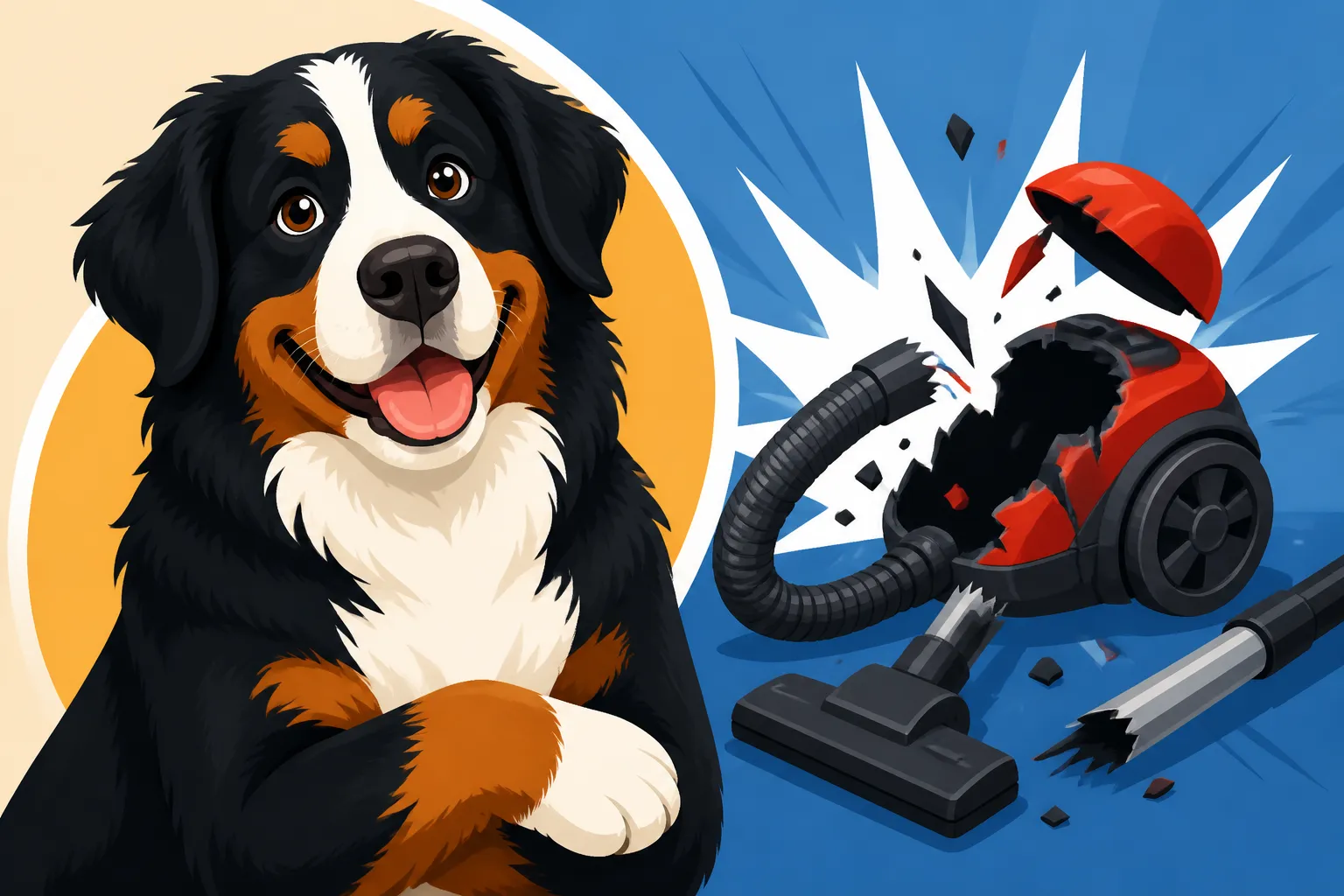
If you're a Bernese Mountain Dog owner, or dreaming of becoming one, you've probably heard the jokes, seen the memes, or even experienced firsthand the shocking reality of just how much fluff these magnificent creatures can produce. It's a valid concern, honestly: the question of whether a Bernese Mountain Dog "kills a vacuum a year" isn't an exaggeration born of hyperbole but a genuine fear rooted in the daily battle against a seemingly endless tide of hair. This guide is here to shed some light (pun intended!) on the true impact of Bernese shedding on your cleaning appliances and, more importantly, equip you with the knowledge and strategies to keep your home habitable and your vacuum alive and well.
The Sheer Scale of Bernese Mountain Dog Shedding
Let's not sugarcoat it: Bernese Mountain Dogs shed. A lot. It's not a gentle sprinkling of stray hairs; it's a constant, dedicated effort from their magnificent double coats to redecorate your entire living space with their signature tricolor fur. This isn't a flaw in the breed; it's a natural, inherent characteristic that makes them perfectly suited for their original purpose.
Why They Shed So Much
Understanding why Bernese Mountain Dogs shed so prolifically helps put things into perspective. They hail from the cold, mountainous regions of Switzerland, where harsh winters demand superior insulation. Their coat is a marvel of natural engineering, designed to protect them from the elements.
Beneath that beautiful, flowing outer coat, they possess a dense, woolly undercoat. This undercoat is what truly provides insulation, trapping a layer of warm air close to their body in winter and helping to regulate temperature in milder weather. The outer coat, often described as coarse or silky, acts as a protective barrier against snow, rain, and dirt. Both layers contribute to the shedding phenomenon. Think of it this way: their coat is a living, breathing garment, constantly adapting and refreshing itself. If you've ever admired The Swiss Valley the Bernese Mountain Dog Comes From, you'll understand why such a coat was essential for their survival and work in that environment.
The Ever-Present Hair
For a Bernese owner, shedding isn't merely a seasonal event; it's a daily reality, punctuated by dramatic "coat blows." Throughout the year, your Berner will lose hair steadily as old hairs are replaced by new ones. This is just the background hum of owning one of these wonderful dogs.
However, twice a year – typically in spring and fall – they undergo a much more intense shedding period. This is when they "blow their coat," actively shedding large quantities of their undercoat to prepare for the change in seasons. In spring, they ditch the heavy winter insulation for a lighter layer, and in fall, they shed the summer coat to grow in a denser one. During these times, you can literally pull handfuls of soft, downy undercoat from their bodies. This phenomenon is why people wonder How Much a Bernese Mountain Dog Sheds in a Week, and trust me, it's a lot. Even outside of these major blow-outs, you'll find hair everywhere – on your clothes, furniture, car seats, and yes, accumulating in impressive dust bunnies under every surface.
How Bernese Mountain Dog Hair Challenges Your Vacuum
The question isn't if Bernese Mountain Dog hair will impact your vacuum, but how severely and how quickly. The sheer volume and particular characteristics of their fur pose significant challenges that many standard household vacuums simply aren't designed to handle long-term.
The Mechanisms of Vacuum Failure
Bernese Mountain Dog hair can be a vacuum cleaner's worst nightmare. It's often long, relatively thick, and can easily become tangled or trapped. Here's a breakdown of how it puts your cleaning machine through its paces:
- Brush Roll Entanglement: The rotating brush roll in the vacuum head is designed to agitate carpets and pick up debris. Long dog hairs, however, quickly wrap themselves tightly around this brush roll, forming dense mats. This severely impedes the brush's ability to spin and agitate effectively, reducing cleaning performance. Over time, it can even cause the brush motor to seize up or the belt to break. This is the most common and visible issue.
- Clogged Filters: Bernese hair, especially the fine undercoat, breaks down into tiny, almost powdery particles. These microscopic hairs, along with dander, quickly clog filters – particularly HEPA filters designed to trap fine allergens. A clogged filter restricts airflow, forcing the vacuum's motor to work harder to maintain suction. This increased strain generates more heat and can eventually lead to motor burnout, significantly shortening the vacuum's lifespan.
- Blocked Hoses and Canisters: The sheer volume of hair can also create large clumps that get lodged in the vacuum's hoses, attachments, or within the dust canister itself. These blockages prevent debris from reaching the collection bin, causing a loss of suction and rendering the vacuum ineffective. You might hear the motor running, but nothing is actually being picked up.
- Motor Strain: All of the above issues – entangled brush rolls, clogged filters, and blocked hoses – combine to place immense stress on the vacuum's motor. It has to work harder and harder against resistance, drawing more power and generating more heat. This constant overwork is what ultimately "kills" a vacuum, leading to premature failure of internal components.
Identifying a Struggling Machine
It's not always a sudden, dramatic death. Often, your vacuum will show signs of distress long before it gives up the ghost entirely. Being able to recognize these warning signals can help you intervene, perform maintenance, or decide when it's time to invest in a more robust solution.
Here are some common indicators that your vacuum is struggling under the weight of Berner fur:
- Decreased Suction Power: This is the most obvious sign. If your vacuum isn't picking up as much hair or debris as it used to, or you find yourself having to go over the same spot multiple times, its suction is likely compromised. This often points to clogged filters or blockages.
- Overheating: If the vacuum becomes noticeably hot to the touch during operation, or you can smell a burning odor (often like burning rubber or electrical components), the motor is probably straining. Stop using it immediately and check for blockages and clear the brush roll.
- Loud, Unusual Noises: A healthy vacuum has a consistent hum. If you start hearing grinding, whining, high-pitched squeals, or a motor struggling to turn, it's a sign that internal components are under stress. This could be due to brush roll issues, a failing motor, or something caught in the fan.
- Visible Hair Around the Brush Roll: While some hair wrapping is normal, if the brush roll is completely matted with hair after only a short period of cleaning, it's struggling to function. This also means it's not effectively lifting hair from your carpets. You'll need to learn Which Brush a Bernese Mountain Dog's Coat Needs for your Berner and use it regularly to reduce the vacuum's burden.
- Frequent Bag or Canister Filling: While your Berner will fill a vacuum quickly, if you find yourself emptying the canister multiple times during a single cleaning session more often than before, it might indicate that the vacuum isn't compressing the hair efficiently or that the airflow is so poor it's not packing it in properly.
Strategies to Combat the Berner Hair Tsunami
So, a Bernese Mountain Dog's fur can be the nemesis of your vacuum cleaner. Does this mean you resign yourself to a life of perpetually broken vacuums and hairy floors? Absolutely not! With the right approach, tools, and a bit of dedication, you can conquer the canine fur avalanche and keep your home (and your appliances) in tip-top shape. This isn't just about cleaning; it's about making your home a comfortable and hygienic space for both you and your beloved companion.
Grooming as Your First Line of Defense
The single most effective strategy against Bernese Mountain Dog hair in your home is proactive and consistent grooming. Think of it as intercepting the hair before it ever has a chance to reach your floors and wreak havoc on your vacuum. This is where you truly reduce the "load" on your cleaning efforts.
- Daily Brushing is Non-Negotiable: During normal shedding periods, daily brushing with the right tools is crucial. A good quality slicker brush, an undercoat rake, and a pin brush will be your best friends. These tools are designed to penetrate the dense double coat and remove loose undercoat and dead outer hairs before they fall out naturally. Focus on areas where mats tend to form, like behind the ears, under the legs, and the "trousers" on their hindquarters. Making brushing a positive experience for your dog from a young age will make this routine much easier. You can find excellent grooming supplies and even specialized deshedding tools from retailers like Chewy, making it easy to keep stocked up.
- Professional Grooming for "Blow-Outs": Twice a year, when your Berner is undergoing a major coat blow, consider a professional grooming session. Groomers have powerful force dryers that can blast out an incredible amount of loose undercoat, often significantly more than you can remove at home. This can drastically reduce the shedding in your home for weeks afterward. While What a Bernese Mountain Dog Groom Costs might seem like an extra expense, it can save your vacuum and your sanity. Regular bathing, too, helps loosen dead hair, but always ensure your Berner is completely dry to prevent skin issues. For more specific advice, check out Grooming a Bernese Mountain Dog's Long Tricolor Coat.
Choosing the Right Vacuum Cleaner
This is perhaps the most critical investment for any Bernese Mountain Dog owner. A cheap, flimsy vacuum simply won't cut it. You need a machine specifically designed to handle heavy-duty pet hair, built with robust components that can withstand the unique challenges posed by a Berner's coat.
- Prioritize Suction Power: Look for vacuums with powerful motors and excellent suction. This is non-negotiable for lifting embedded hair from carpets and picking up large clumps from hard floors. Read reviews specifically from other pet owners.
- Consider Brush Roll Design: A vacuum with a brush roll that is less prone to tangling or one that can be easily cleaned is essential. Some models feature "tangle-free" brush rolls or designs that make it simple to remove wrapped hair. Switched-off brush rolls are also important for protecting hard floors.
- Superior Filtration is Key: With all that dander and fine hair, a robust filtration system, ideally with a washable HEPA filter, is vital. This prevents those fine particles from being recirculated into the air, improving air quality in your home and protecting the vacuum's motor.
- Bagged vs. Bagless: Both have pros and cons. Bagless vacuums are convenient for emptying, but the dust and hair can escape during disposal. Bagged vacuums contain the mess better, which might be preferable for allergy sufferers, but require ongoing bag purchases. Ultimately, the choice comes down to personal preference and how well the system contains the vast amount of Bernese hair. For deeper insight, researching " Vacuums That Cope With a Bernese Mountain Dog" can provide specific model recommendations.
Here's a quick comparison of features to consider:
| Feature | High-Quality Pet Vacuum | Standard Household Vacuum |
|---|---|---|
| Suction Power | Very strong, designed for embedded hair | Moderate, sufficient for general dust |
| Brush Roll | Tangle-resistant, easy-clean, sometimes self-cleaning | Standard bristles, prone to hair wrapping |
| Filtration | Multi-stage, often HEPA-certified, washable filters | Basic filtration, may clog quickly |
| Capacity | Larger dust bins/bags | Smaller, requires frequent emptying with pet hair |
| Attachments | Specialized pet hair tools (mini-motorized brush) | General upholstery and crevice tools |
| Motor Durability | Built for sustained, heavy-duty use | Designed for lighter, intermittent cleaning |
| Price Point (relative) | Higher | Lower |
Household Habits and Prevention
Beyond grooming and the right vacuum, smart household management can make a significant difference in minimizing the impact of Bernese hair. This involves creating an environment that is easier to clean and reduces hair accumulation.
- Designated "Dog Zones": Consider areas of your home where your Berner spends the most time. Placing washable blankets or covers on their favorite napping spots on furniture can help contain hair. For their own beds, choose ones with removable, washable covers. This makes Keeping a House Livable With a Bernese Mountain Dog much more manageable.
- Strategic Floor Coverings: While wall-to-wall carpeting can trap hair, making it harder to remove, bare floors (hardwood, tile, laminate) allow hair to clump, which is easier to sweep or vacuum. If you have rugs, opt for low-pile, washable ones where possible.
- Furniture Covers: For couches and chairs, consider investing in pet-specific furniture covers or throws that can be easily removed and washed. This protects your upholstery and provides a barrier against hair embedding itself into the fabric. Regularly shaking out these covers outdoors can prevent hair build-up in your washing machine.
- Air Purifiers: While they won't pick up hair from the floor, good quality air purifiers with HEPA filters can capture airborne dander and fine hair particles, improving overall air quality and potentially reducing the amount of fine dust that settles on surfaces and clogs vacuum filters.
- Regular Cleaning Schedule: Consistency is key. Daily quick vacuums or sweeps in high-traffic areas, combined with a more thorough weekly cleaning, will prevent hair from building up into overwhelming amounts. It's often easier to tackle small amounts of hair frequently than to face a mountain of it once a week. Remember that the overall The Running Costs of a Hundred Pound Bernese Mountain Dog isn't just vet bills or food from great brands like Ollie; it also includes the hidden costs of maintaining your home due to their presence. While pet insurance from Healthy Paws can cover unexpected medical bills, you're on your own for the household wear and tear!
So, while a Bernese Mountain Dog won't literally kill a vacuum overnight with a single hairball, the sheer volume and type of fur they produce will undoubtedly test the limits of any standard cleaning appliance. Without the right strategies and durable equipment, you'll find yourself battling constantly diminishing suction, frequent clogs, and a machine that gives up the ghost far sooner than its intended lifespan. It's a significant part of the Eight Years of Bernese Mountain Dog Bills and What the Bernese Mountain Dog Costs Over Its Whole Life.
The good news is that with a commitment to regular grooming, investing in a robust pet-specific vacuum cleaner, and adopting smart household habits, you can absolutely keep the Bernese fluff under control. It's a dedication, yes, but one that's well worth it for the joy these magnificent dogs bring to our lives.
Disclaimer
This article is for general informational purposes only and does not constitute professional advice. Laws, prices and regulations vary by location and change over time. Consult a qualified professional for guidance on your specific situation.