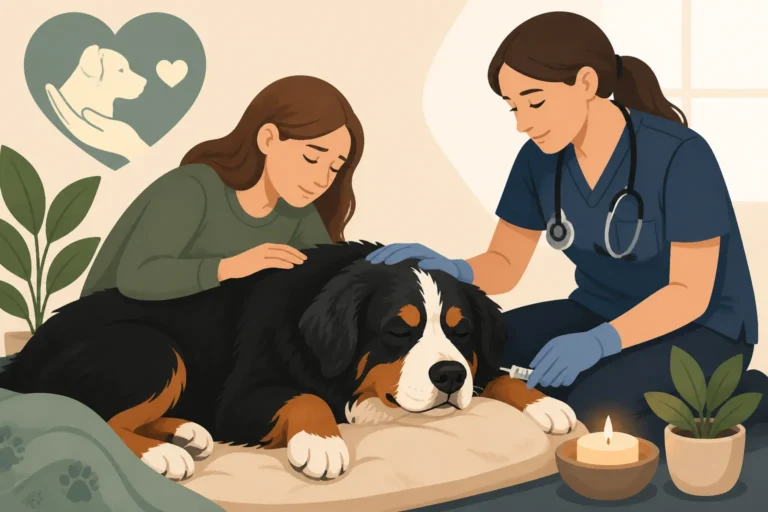
Adopting a Bernese Mountain Dog With a Cancer History
Bringing a Bernese Mountain Dog into your life is a joy, but it often comes with the heartbreaking reality that these gentle giants are prone to certain health challenges, particularly cancer. For those with open hearts considering adopting a Berner who has already faced a cancer diagnosis or has a history with the disease, it can feel like navigating a complex maze of hope, concern, and practical considerations. This guide is here to walk you through what to expect, what questions to ask, and how to best prepare for welcoming a Bernese Mountain Dog with a cancer history into your loving home, ensuring you can offer them the best possible golden years.
Understanding the Landscape of Bernese Mountain Dog Cancer
It's a stark reality for anyone who loves Bernese Mountain Dogs: cancer is, unfortunately, a significant part of their breed health profile. This isn't meant to scare, but to inform, especially when considering adoption where cancer has already entered the picture. Understanding the lay of the land can help you make informed, compassionate decisions.
The Prevalence of Cancer in Berners
The statistics can be quite sobering. Bernese Mountain Dogs have one of the highest incidences of cancer among all dog breeds. It's not just a rare occurrence; it's a common, often devastating, reality that many Berner owners will face at some point in their dog's life. This predisposition is largely genetic, woven into the breed's lineage. When you're looking at adopting a Berner with a cancer history, you're looking at a dog that has already been impacted by this unfortunate truth, or one whose previous family has been. It’s a sad fact that many owners eventually ask themselves What Ends a Bernese Mountain Dog's Life.
This high prevalence means that rescue organizations often encounter Berners who have either been diagnosed with cancer, are currently undergoing treatment, or are in remission. Sometimes, a dog is surrendered because the previous owners simply couldn't manage the financial or emotional demands of treatment, which is a truly difficult position to be in. Other times, the dog may have been part of a breeding program where health issues emerged, leading to their placement in rescue. Regardless of the specific circumstances, the fact that cancer is so common in the breed means that adopting a Berner with this history isn't an isolated event, but a very real pathway to giving a deserving dog a second chance.
Common Cancer Types and Their Prognoses
When discussing cancer in Bernese Mountain Dogs, a few types come up more frequently than others. The most notorious is Histiocytic Sarcoma, which is particularly aggressive and has a very poor prognosis, often being the subject of discussion around The Cancer That Kills Half of All Bernese Mountain Dogs. This type of cancer can manifest in various ways, often affecting the spleen, lymph nodes, lungs, or bones. Another common culprit is Lymphoma, which affects the lymphatic system and, while often treatable with chemotherapy, typically has a guarded long-term prognosis. Mast Cell Tumors are also frequently seen; these can range from benign to highly aggressive and require careful surgical removal and sometimes additional therapies.
The specific type of cancer and its stage will heavily influence the prognosis and potential treatment options. A dog that had a low-grade mast cell tumor removed years ago with clear margins might have a very different outlook than a dog recently diagnosed with widespread histiocytic sarcoma. Rescues or previous owners should ideally have comprehensive veterinary records detailing the diagnosis, staging, and any treatments administered. This information is absolutely crucial for you to understand what you're stepping into. For instance, knowing What Histiocytic Sarcoma Does Inside a Bernese Mountain Dog can help you understand the severity of a diagnosis.
The Emotional Toll of a Cancer Diagnosis
Let's be real: facing a cancer diagnosis with any beloved pet is emotionally draining, and it's no less so when that pet is a Bernese Mountain Dog. These dogs become family members, lean on us (sometimes literally!), and fill our lives with immense joy. The idea of them suffering, or knowing their time might be cut short, is profoundly painful. Many Berner owners are already aware that Why a Bernese Mountain Dog Lives Only Seven or Eight Years is largely due to these health issues, and cancer plays a huge role.
For the previous owners of a Berner with a cancer history, the decision to surrender their dog, even to a loving rescue, was likely agonizing. They may have battled with the diagnosis, poured their resources into treatment, and then faced the grim reality that they couldn't continue. Empathy for their situation is important. For you, the adopter, taking on a dog with a known cancer history means going into the relationship with open eyes and a prepared heart. You're acknowledging that you might be looking at a shorter lifespan or a journey filled with medical ups and downs. This isn't just about physical care; it's about emotional resilience and readiness for the possibility of heartbreak.
Navigating the Adoption Process with a Cancer History
Adopting any dog requires careful consideration, but when there's a cancer history involved, the due diligence becomes even more critical. You want to ensure you have all the facts to provide the best possible care and support for your new family member.
What "Cancer History" Can Mean
The term "cancer history" isn't a single, straightforward diagnosis; it encompasses a wide range of scenarios, each with its own implications. It could mean a dog had a cancerous tumor removed years ago and has been in remission ever since, with no recurrence. This is often the most optimistic scenario, although vigilance for new lumps is always important, such as knowing Lumps a Bernese Mountain Dog Owner Should Not Watch. It could also mean the dog is currently undergoing treatment, perhaps for lymphoma, and the rescue is looking for a home that can continue this care. Or, it might be a dog in palliative care, where the focus is on comfort rather than cure, with a known terminal diagnosis.
Then there are the cases where the history refers to a genetic predisposition rather than an active or past diagnosis in the individual dog. For example, some Berners come from lines heavily impacted by specific cancers. While this isn't a "cancer history" for the dog itself, it speaks to the breed's general challenges. Most often, however, when adopting with a "cancer history," we're talking about a dog who has personally battled the disease. It's absolutely crucial to pinpoint the exact situation, as this will dictate the level of ongoing care, financial commitment, and emotional preparation required from you.
| Type of Cancer History | Implications for Adopter | Typical Prognosis |
|---|---|---|
| In Remission | Requires ongoing monitoring, regular vet check-ups. Potential for recurrence. | Varies by original cancer type and stage. Can be good long-term. |
| Actively Treated | High immediate veterinary costs, time commitment for appointments, medication management. | Varies greatly; depends on response to treatment. May be guarded. |
| Palliative Care | Focus on comfort, pain management. Shorter expected lifespan. Requires emotional resilience. | Often weeks to a few months. |
| Genetic Predisposition | No active cancer in the dog, but higher risk in the future. Requires proactive screening. | Normal lifespan expected, but increased vigilance needed. |
| Resolved/Cured | A specific, typically localized, cancer removed with no signs of recurrence after significant time. | Generally good, but continued general health monitoring is wise. |
Essential Questions to Ask the Rescue or Shelter
When you're considering adopting a Bernese Mountain Dog with a cancer history, your questions need to go beyond the typical adoption interview. You need to become a bit of a medical detective, gently but firmly seeking all available information. Don't be shy; reputable rescues will appreciate your thoroughness.
Start by asking for all available veterinary records. This is non-negotiable. You need to see the official diagnosis, details of the type of cancer, staging reports, biopsy results, and a complete history of all treatments (chemotherapy, radiation, surgery, medications). Ask for the name and contact information of the treating veterinarian if possible, so your own vet can consult with them. Inquire about the prognosis given by the specialists involved. Is the dog considered cured, in remission, or is it a terminal diagnosis with a palliative care plan? What follow-up care is currently recommended, and what are the associated costs or time commitments? Sometimes, these details might even involve looking at historical data to better understand What the Berner-Garde Database Records about a dog's lineage could reveal.
Furthermore, ask about the dog's current quality of life. Are they experiencing any pain or discomfort? What medications are they currently on, and what's their daily routine like? Understanding their current state is vital for preparing your home. Also, clarify the rescue's expectations regarding continued treatment or follow-up. Will they offer any support or resources? Some rescues have partnerships with veterinary oncologists or can offer guidance on managing chronic conditions. The more information you gather, the clearer picture you'll have of the journey ahead.
Reviewing Veterinary Records and Prognosis
Once you get those precious veterinary records, don't just skim them. Take the time to read through everything carefully. It might feel overwhelming, especially if you're not used to medical jargon, but it's important. Pay close attention to the specific diagnosis (e.g., Histiocytic Sarcoma in a Bernese Mountain Dog), the stage of cancer, and the dates of diagnosis and treatment. Look for information about whether the cancer was localized or had spread (metastasized). Understanding How Fast Histiocytic Sarcoma Moves in a Bernese Mountain Dog can give you a grim but realistic timeline.
Ideally, share these records with your own trusted veterinarian before making a final decision. Your vet can help you interpret the information, explain the prognosis in layman's terms, and discuss the implications for ongoing care and costs. They can also advise on what further diagnostic tests might be prudent, if any, and what to watch out for. A second opinion from your vet is invaluable, as they know you, your lifestyle, and your local resources. They can also discuss potential financial implications and whether certain types of pet insurance might still be available or beneficial, such as policies from companies like Healthy Paws. Remember, being prepared means understanding the full scope of what your potential new family member needs.
Preparing for Life with a Berner Who Has Faced Cancer
Bringing home a Bernese Mountain Dog with a cancer history isn't just about managing a medical condition; it's about integrating them fully into your life while being mindful of their special needs. This preparation extends beyond the initial adoption day.
Financial Considerations
Let's not sugarcoat it: a Bernese Mountain Dog, even a perfectly healthy one, comes with significant financial commitments. Adding a cancer history into the mix can escalate those costs dramatically. You need to be realistic about what you can afford. The price tag for treating cancer, whether it's chemotherapy, radiation, surgery, or ongoing palliative care, can be substantial. Even just routine monitoring, like Bloodwork a Bernese Mountain Dog Should Have Yearly or Screening an Older Bernese Mountain Dog, adds up quickly.
Consider the potential for unexpected emergencies. A dog with a history of cancer might be more susceptible to other health issues or complications. This is where pet insurance can be a literal lifesaver. Companies like Healthy Paws offer various plans, but be sure to understand their policies regarding pre-existing conditions. Many policies won't cover conditions diagnosed before enrollment, so if the cancer is already known, it might be excluded. However, insurance can still cover new, unrelated conditions. Beyond insurance, build a robust emergency fund specifically for your Berner. Also, factor in the cost of specialized diets, supplements, or medications. For instance, you might find yourself exploring options from companies like Chewy for regular food and supplements, or even specialized fresh food services like Ollie if your dog has dietary sensitivities or specific nutritional needs recommended by your vet. These can be higher than standard food costs but contribute significantly to their quality of life.
Creating a Supportive Home Environment
A dog recovering from or managing cancer needs a home environment that prioritizes comfort, low stress, and tailored care. This means thinking about everything from their bedding to their daily routine. For a Bernese Mountain Dog, comfort is paramount, especially if they've had surgery or are experiencing joint pain, which is common in the breed, often leading to Arthritis in a Bernese Mountain Dog by Six.
Provide soft, orthopedic bedding in several accessible locations around the house. Ensure they have a quiet, safe space where they can retreat if they feel unwell or simply need rest. Their exercise routine should be gentle and consistent, avoiding overexertion. Short, frequent walks rather than long, strenuous hikes are often ideal. Monitor their appetite and water intake closely; subtle changes can be early indicators of a problem. Their diet should be high-quality and vet-approved, possibly tailored to support their immune system or specific organ health. Keep a close eye on their bathroom habits, energy levels, and any new lumps, bumps, or changes in behavior. Remember, Berners are notorious for being stoic, so Whether a Bernese Mountain Dog Hides Discomfort is a real concern, and you'll need to be observant of subtle cues.
The Role of Palliative Care and Quality of Life
For some Bernese Mountain Dogs with a cancer history, especially if the cancer is aggressive or widespread, the focus might shift from aggressive treatment to palliative care. This isn't giving up; it's a compassionate choice to prioritize comfort and quality of life when a cure is no longer a realistic or humane option. Palliative care aims to manage pain, nausea, and other symptoms to ensure the dog lives out their remaining time with dignity and as much joy as possible.
This might involve regular pain medication, anti-nausea drugs, appetite stimulants, or other supportive therapies. It's a journey that requires honest conversations with your veterinarian about your dog's current state and what interventions are truly enhancing their life versus prolonging suffering. It's also about making difficult decisions, like Deciding When to Stop Treating a Bernese Mountain Dog or eventually, Deciding When to Let a Paralyzed Bernese Mountain Dog Go if complications arise. Creating a home full of love, warmth, and gentle attention becomes even more critical during this phase. Every sunny spot, every favorite toy, every gentle ear rub contributes to their well-being.
The Unique Rewards and Challenges of Adopting a Cancer Survivor
Adopting a Bernese Mountain Dog with a cancer history is a profound decision, one that comes with both unique joys and inevitable heartaches. It's a path for those with truly generous spirits, ready to give all they have to a deserving soul.
The Bond You Build
There’s something incredibly special about the bond forged with an animal who has faced adversity. When you adopt a Bernese Mountain Dog with a cancer history, you're offering them not just a home, but a second chance at a life filled with comfort, love, and security. They often seem to sense this, repaying your kindness with an unwavering loyalty and affection that can touch your soul like nothing else. These dogs, already known for their loving and devoted nature, seem to deepen their connection with those who provide them with safety and gentle care.
You become their advocate, their protector, and their source of boundless comfort. This relationship can be intensely rewarding, filling your life with purpose and immense love, even if the time together is shorter than you might wish. You become part of their journey, a vital chapter in their story of resilience. The depth of connection you experience can truly make every single day feel like a gift, a testament to the powerful, healing bond between humans and animals.
Emotional Preparedness and Support Systems
It would be unrealistic to pretend that this journey is without its emotional challenges. Knowing that your beloved Berner has a history with cancer, or even an active diagnosis, means living with a heightened sense of awareness about their health. Every cough, every skipped meal, every new lump can bring a surge of anxiety. It requires a level of emotional preparedness that not every dog owner is asked to cultivate. You must be ready for the ups and downs, for the good days and the not-so-good days.
Having a strong support system in place is incredibly important. This might include your understanding veterinarian, friends and family who know your situation, or even online communities of Bernese Mountain Dog owners who share similar experiences. Being able to talk through your concerns, share your worries, and celebrate the small victories can make a world of difference. It's okay to feel overwhelmed sometimes, and leaning on others for emotional support is a sign of strength, not weakness.
Making Every Day Count
Ultimately, adopting a Bernese Mountain Dog with a cancer history is about embracing the present and making every single day count. While the knowledge of their past or potential future health challenges might always be in the back of your mind, the focus should be on celebrating their joy, their companionship, and the love they bring into your life right now. It's about savoring those quiet moments of shared affection, the silly antics, and the comforting presence of a large, furry head resting on your lap.
This perspective can lead to a deeper appreciation for life itself, reminding us to cherish each moment. You might find yourself being more intentional with your time together, exploring new, gentle adventures, or simply enjoying the peace of a lazy afternoon. While the path might be challenging, the profound love and unique bond you share with a Bernese Mountain Dog who has overcome, or is living with, a cancer history is an experience that enriches the heart in immeasurable ways. It’s a testament to the power of compassion and the enduring spirit of these magnificent dogs, making even the short life of a Berner a rich tapestry of love.
Disclaimer
This article is for general informational purposes only and does not constitute professional advice. Laws, prices and regulations vary by location and change over time. Consult a qualified professional for guidance on your specific situation.