Whether a Bernese Mountain Dog Is Easy to Train
Bringing a Bernese Mountain Dog into your home is an incredible joy, but many new owners quickly find themselves asking if these gentle giants are as easy to train as their sweet dispositions might suggest. The truth is, while Berners are intelligent and eager to please, they come with a unique set of traits that require a thoughtful and consistent approach to training. This comprehensive guide will explore the nuances of training a Bernese Mountain Dog, from understanding their inherent nature to tackling common challenges and implementing effective strategies that will set both you and your beloved companion up for success.
Understanding the Bernese Mountain Dog Temperament and Trainability
Bernese Mountain Dogs are renowned for their calm demeanor, loyalty, and affectionate nature. These qualities are a huge part of their charm and why so many families fall in love with them. However, when it comes to training, it's crucial to understand that their "easygoing" reputation doesn't always translate to "effortless to train." Their intelligence is often paired with a certain sensitivity and independence that requires a nuanced approach.
The Bernese Mountain Dog's Sensitive Nature
One of the most defining characteristics of a Berner is their sensitivity. They are deeply bonded to their families and are highly attuned to human emotions. This means they respond incredibly well to positive reinforcement, praise, and gentle guidance. Harsh corrections or yelling can be profoundly detrimental, causing them to shut down, become anxious, or even lose trust in their handler. It's not uncommon for a Bernese Mountain Dog to appear to "sulk" or become withdrawn if they feel unfairly treated. The Bernese Mountain Dog That Sulks After a Telling Off speaks volumes about this aspect of their personality.
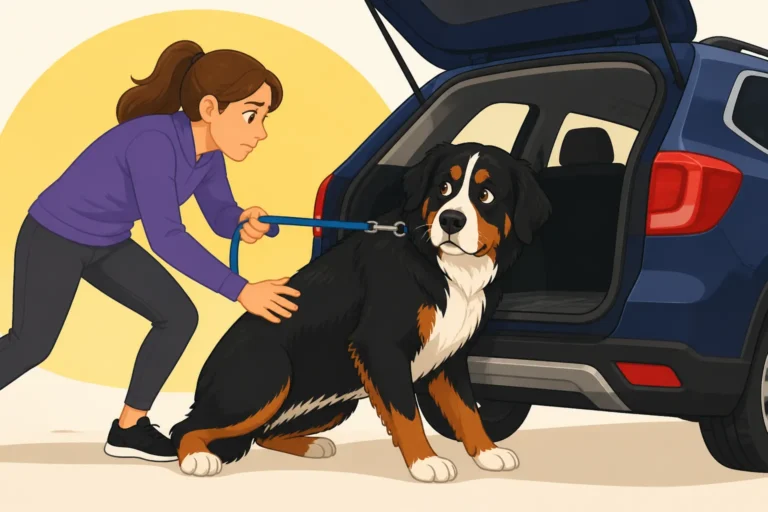
Imagine trying to teach your Berner puppy to sit. If you use a firm, loud voice and physically push them into position, you might get compliance in the moment, but you're likely to create an association of fear or discomfort with the training process. Instead, a soft voice, a tasty treat, and rewarding even the slightest inclination to sit will yield much better, longer-lasting results and preserve that precious bond of trust. Their emotional intelligence is high, making them excellent therapy dogs, but also making them vulnerable to inappropriate training methods.
Independence and "Berner Time"
While they are eager to please their loved ones, Berners are not typically dogs who live to execute commands with robotic precision. They often have an independent streak, a touch of stubbornness, and what owners affectionately call "Berner Time." This means they might process a command for a moment before deciding to comply, or they might simply choose to do something else entirely if they don't see the immediate value or if they're distracted. This isn't defiance; it's often just a characteristic of their guardian breed heritage, where they were expected to think for themselves on the farm.
Think of a scenario where you call your Berner from across the dog park. They might look at you, wag their tail, and then continue sniffing that interesting patch of grass for a few more seconds before leisurely ambling over. This isn't a sign of lack of intelligence, but rather a reflection of their own internal priorities. Understanding this inherent trait is key to managing expectations and using patience and consistency as your primary training tools. Expecting instant, flawless recall from a young Berner, for instance, might lead to frustration if you don't account for "Berner Time."
Common Challenges in Training a Bernese Mountain Dog
Despite their good nature, Bernese Mountain Dogs present unique challenges during training that new owners should be aware of. Their size, intelligence, and specific developmental stages all contribute to the hurdles you might encounter. Being prepared for these can make a world of difference in your training journey.
Managing Their Size and Strength
One of the most obvious challenges when training a Bernese Mountain Dog is their sheer size and strength. Even as puppies, they grow remarkably quickly, and a 50-pound adolescent can already be a handful on the leash. By the time they reach their full adult weight of 80 to 120 pounds, an untrained Berner pulling on a leash can easily drag an unsuspecting owner down the street. This isn't just an inconvenience; it's a safety concern.
Early and consistent leash training is paramount. Teaching a strong "heel" command and ensuring they understand not to pull is critical. Tools like front-clip harnesses, often available on Amazon, can be incredibly helpful in managing their pulling power by redirecting their momentum. Without this early intervention, even a well-meaning Berner can unintentionally cause injury, especially if they suddenly decide to chase a squirrel or greet another dog. Imagine trying to hold back a hundred-pound dog that suddenly lunges – it requires significant physical effort and can be quite jarring. A Bernese Mountain Dog That Pulls Its Owner Over is a very real concern.
Adolescent Behavior and Extended Puppyhood
Bernese Mountain Dogs mature slowly, both physically and mentally. While many breeds reach a semblance of adulthood by 12-18 months, Berners can remain "puppy-like" in their behavior and attention span until they are two or even three years old. This extended adolescence can be frustrating for owners who expect a more mature, settled dog at an earlier age. They might regress in their training, test boundaries, and exhibit bursts of chaotic puppy energy long after other breeds have outgrown such phases. The Bernese Mountain Dog Adolescent Stage dives deeper into this particular period.
During this adolescent period, consistent reinforcement of learned commands is vital. It's easy to get discouraged when your seemingly well-trained Berner suddenly forgets their manners or acts out. However, patience and a return to basics, coupled with continued socialization, are the best approaches. What appears to be "stubbornness" or "forgetfulness" is often just a normal part of their developmental process. They're still learning impulse control and navigating their place in the world, often with a powerful, clumsy body that's still growing.
Distraction and Focus Challenges
While intelligent, Bernese Mountain Dogs can be easily distracted, especially in new or stimulating environments. Their desire to be part of everything, combined with their natural curiosity, means they might struggle to maintain focus during training sessions, particularly if those sessions are too long or repetitive. This can be misconstrued as a lack of intelligence or willingness to learn.
Effective training with a Berner means keeping sessions short, engaging, and fun. Breaking down complex tasks into small, manageable steps helps immensely. If your Berner loses interest, trying to force them to continue will likely be counterproductive. Instead, end on a positive note, even if it's just for a simple "sit," and come back later. Utilizing high-value treats and toys that truly motivate them can significantly improve their focus. Training Sessions Short Enough for a Bernese Mountain Dog emphasizes the importance of brevity and engagement.
Effective Training Methods for Bernese Mountain Dogs
Given their unique temperament, certain training methods are far more effective for Bernese Mountain Dogs than others. Focusing on positive reinforcement, early socialization, and consistent, clear communication will yield the best results and strengthen the bond between you and your Berner.
Positive Reinforcement and Relationship-Based Training
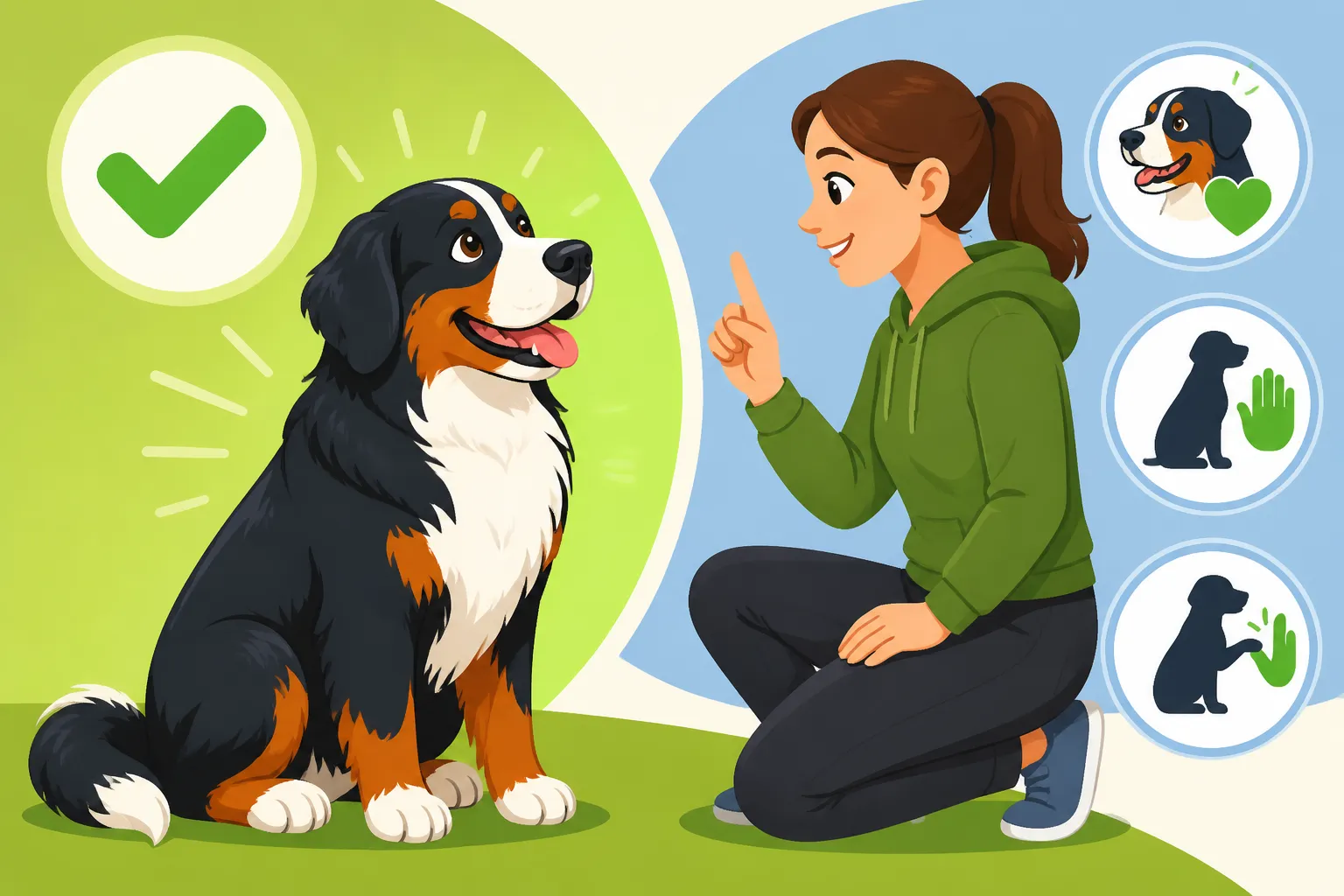
For a sensitive breed like the Bernese Mountain Dog, positive reinforcement is not just a preference, it's a necessity. This means rewarding desired behaviors with treats, praise, toys, or whatever your dog finds motivating, rather than punishing unwanted actions. This approach builds confidence, trust, and a strong, positive association with learning. It encourages them to think and offer behaviors, rather than just reacting to avoid discomfort.
A relationship-based approach takes this a step further, focusing on building a deep understanding and bond with your dog, where training becomes a cooperative effort rather than a battle of wills. This involves understanding your Berner's body language, anticipating their needs, and consistently being a reliable and kind leader. When your Berner views you as a trusted partner, they are far more likely to engage willingly in training. Consider enrolling in an online puppy program like the one offered by BAXTER & Bella, which often emphasizes positive reinforcement and relationship building, providing a structured curriculum from the comfort of your home.
Early and Ongoing Socialization
Socialization is crucial for any dog, but it's especially important for a large breed like the Bernese Mountain Dog. Their natural wariness around strangers or new situations, if not properly managed, can lead to shyness or even fear-based reactions as adults. Early and positive exposure to a wide variety of people, places, sounds, and other friendly dogs helps them develop into well-adjusted, confident companions.
This isn't just about meeting other dogs; it's about positive experiences. Take your puppy to busy parks (from a safe distance initially), expose them to different flooring textures, let them hear various household noises, and introduce them to people of all ages and appearances. Always ensure these experiences are positive and never forced. A negative experience during critical developmental periods can have lasting effects. Continuing socialization throughout their adolescence is equally important to ensure they maintain their polite manners. Socializing a Reserved Bernese Mountain Dog Puppy is a vital read for new Berner owners.
Consistency, Patience, and Short Sessions
The trifecta of effective Berner training is consistency, patience, and short, frequent training sessions. Because of their "Berner Time" and extended puppyhood, consistency is absolutely non-negotiable. Every member of the household needs to be on the same page with commands, rules, and expectations. If one person allows jumping up and another punishes it, your Berner will be confused and training will falter.
Patience is equally crucial. There will be days when your Berner seems to have forgotten everything you taught them, or when they'd rather roll in the mud than listen to you. Getting frustrated won't help. Instead, take a deep breath, simplify the task, or end the session. And as mentioned, keep training sessions brief – 5 to 10 minutes, a few times a day, is far more effective than one long, tedious session. This respects their attention span and keeps training enjoyable for both of you.
Key Training Milestones and What to Expect
Training a Bernese Mountain Dog is a journey that unfolds over several years. Understanding the key milestones and what to expect at different stages can help you manage your expectations and tailor your training efforts appropriately.
Puppyhood: Foundations and Basic Manners (8 weeks to 6 months)
This is the golden window for laying the foundation of good behavior. Your Bernese Mountain Dog puppy is a sponge, eager to absorb new information and experiences. Focus on basic obedience commands like "sit," "stay," "come," "down," and proper leash manners. Potty training and crate training should also be top priorities during this time. Remember, consistency is key, and every interaction is a training opportunity.
| Milestone | Age Range (Approx.) | Focus Areas | Common Challenges |
|---|---|---|---|
| Socialization | 8-16 weeks | Exposure to diverse sights, sounds, people, friendly dogs; positive experiences. | Fear periods, overstimulation, illness (vaccine schedule). |
| Potty Training | 8-16 weeks | Frequent outdoor breaks, consistent schedule, reward success. | Accidents in the house, especially when owners are distracted. |
| Crate Training | 8 weeks – ongoing | Positive association with crate, quiet resting place, safety. | Whining, barking, resistance to entering. |
| Basic Obedience | 10 weeks – 6 months | Sit, Stay, Come, Down, Leash walking basics, Leave It, Drop It. | Short attention span, puppy nipping, easily distracted. |
| Bite Inhibition | 8-16 weeks | Redirect nipping to appropriate toys, teach gentle mouth. | Hard nipping, frustration for owners. |
During this time, pay close attention to A Bernese Mountain Dog Puppy Biting in Play and how to effectively redirect that natural puppy behavior. Also, ensuring your puppy understands appropriate boundaries with people, such as not jumping up, will save you a lot of trouble when they are larger.
Adolescence: Reinforcement and Problem Solving (6 months to 2-3 years)
As your Bernese Mountain Dog enters adolescence, you might feel like you're taking two steps forward and one step back. They'll grow significantly, gain confidence (and sometimes a touch of rebelliousness), and test boundaries. This phase is about reinforcing everything you taught them in puppyhood and addressing any new behavioral challenges that arise.
This is often when issues like pulling on the leash become more pronounced due to their increased strength. Continue with short, engaging training sessions, focusing on generalizing commands in different environments. Socialization should also continue, ensuring they remain polite and comfortable around new people and dogs. Be prepared for occasional regressions, but don't give up! Persistence during these years will shape them into well-behaved adults. This is a good time to revisit structured training, perhaps with online resources or local classes, to keep momentum going. Many people find the structure of programs like BAXTER & Bella incredibly helpful during these testing times.
Adulthood: Refinement and Lifelong Learning (2-3 years and beyond)
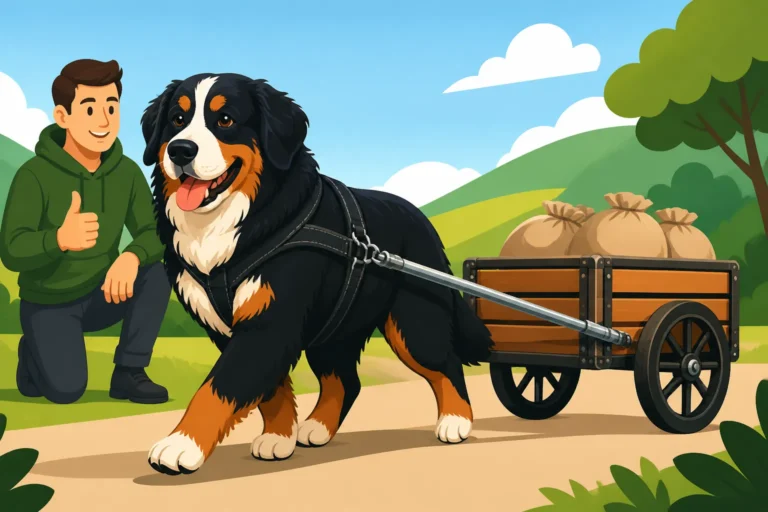
By the time your Bernese Mountain Dog reaches full maturity, they should have a solid understanding of basic obedience and good house manners. Adulthood is about refining these skills, perhaps exploring advanced training or dog sports like drafting, and maintaining consistency. Even adult dogs benefit from ongoing mental stimulation and occasional training refreshers.
This stage often sees a more settled, predictable companion emerge. However, it's not a time to become complacent. Continue to use commands regularly, take them on new adventures, and keep their minds engaged. Lifelong learning helps keep their brains sharp and strengthens your bond. An adult Bernese Mountain Dog is a magnificent companion, and continued engagement ensures they remain happy and well-behaved members of your family.
Specific Training Scenarios and Solutions
Every Bernese Mountain Dog owner will encounter specific training dilemmas. Here, we tackle some common scenarios and offer practical solutions tailored to the Berner's nature.
Leash Pulling and Loose-Leash Walking
One of the most persistent complaints from Berner owners is the struggle with leash pulling. A full-grown Bernese Mountain Dog can easily pull an adult off balance. The solution lies in consistent loose-leash training from puppyhood, coupled with appropriate equipment.
Solution:
Start with positive reinforcement in a low-distraction environment. When your puppy walks nicely beside you without tension on the leash, immediately mark the behavior (with a clicker or a verbal "yes!") and reward them generously. If they pull, simply stop walking. Wait for the leash to slacken, then reward and continue. This teaches them that pulling gets them nowhere, while a loose leash gets them moving forward. For stronger pullers, a front-clip harness can be invaluable. Unlike a traditional harness that encourages pulling, a front-clip harness redirects their momentum back towards you when they pull, making it harder and less rewarding to tug. These are widely available, including on Amazon, and can make walks much more enjoyable while you continue to teach polite leash manners.
Jumping Up on People
A Bernese Mountain Dog jumping up, even in friendly greeting, can be dangerous due to their size. What's cute as a puppy is problematic at 100 pounds.
Solution:
Consistency is paramount here. Every person who interacts with your dog must follow the same rule: no attention for jumping. When your Berner jumps, turn your back, fold your arms, and completely ignore them. The moment all four paws are on the floor, turn back, praise quietly, and offer a gentle pet or treat. If they jump again, repeat the process. This teaches them that jumping makes the fun go away, while keeping all four paws down earns positive attention. You can also teach an incompatible behavior, such as "sit to greet." Reward heavily for sitting when someone approaches, making it their default greeting behavior. Stopping a Bernese Mountain Dog Jumping Up is a critical skill for responsible Berner ownership.
Separation Anxiety and Being Left Alone
Bernese Mountain Dogs are highly social and deeply attached to their families. This makes them prone to developing separation anxiety if not properly prepared for alone time. Symptoms can range from destructive chewing and inappropriate urination to incessant barking or howling.
Solution:
Start building tolerance for alone time gradually from puppyhood. Begin with very short absences (a few minutes) and slowly increase the duration. Crate training can be a helpful tool, providing them a safe, den-like space where they feel secure. Ensure they have appropriate enrichment, like puzzle toys filled with treats (again, many great options can be found on Amazon), to keep them occupied when you leave. Avoid making a big fuss when you depart or return, which can inadvertently heighten their anxiety. If you have an adult Berner struggling with separation anxiety, seeking guidance from a certified professional dog trainer is highly recommended. A Bernese Mountain Dog Left Alone requires careful management to prevent distress.
Tools and Resources to Aid Bernese Mountain Dog Training
No matter your experience level, there are many tools and resources available to help you on your Bernese Mountain Dog training journey. From physical equipment to educational platforms, having the right support can make a significant difference.
Essential Training Equipment
Having the right gear can make training easier and more effective, especially with a large, strong breed.
- Leashes and Harnesses: A sturdy 6-foot leash made of nylon or leather is a standard. For loose-leash training and managing pulling, a front-clip harness is often a game-changer. These harnesses, readily available from retailers like Amazon, distribute pressure across their chest and discourage pulling by redirecting their movement. Avoid retractable leashes, as they offer little control and can be dangerous with a powerful dog.
- High-Value Treats: Berners are often highly food-motivated. Find small, soft, smelly treats they absolutely adore. Cooked chicken, cheese, or specialized training treats often work wonders for capturing their attention and rewarding desired behaviors.
- Durable Chew Toys: Especially during their long puppyhood and adolescence, Berners need appropriate outlets for chewing. Invest in high-quality, durable chew toys to save your furniture and shoes. Different textures and types, like Nylabones or KONGs (which can be stuffed with peanut butter or treats), are great for mental stimulation and preventing destructive chewing. The Chew Damage a Bernese Mountain Dog Puppy Does can be significant if not managed.
- Crate: A large, appropriately sized crate provides a safe den and aids in potty training and managing alone time. Ensure it's big enough for your adult Berner to stand up, turn around, and lie down comfortably.
Online Training Programs and Local Classes
For many owners, especially those new to large breeds, professional guidance is invaluable.
- Online Platforms: Online puppy and dog training programs offer flexibility and structure, which can be perfect for busy families or those who prefer to learn at their own pace. A notable example is BAXTER & Bella's online puppy school, which provides comprehensive courses covering everything from basic obedience to problem-solving, often through video tutorials and direct support. This can be particularly useful for laying strong foundations from home before venturing into more distracting environments.
- Local Obedience Classes: Group classes offer the benefit of supervised socialization and training in a controlled environment. A good trainer will provide personalized feedback and help you troubleshoot issues. Look for classes that use positive reinforcement methods. These classes are also excellent for proofing commands in the presence of distractions, preparing your Bernese Mountain Dog for real-world scenarios.
- Private Trainers: For specific behavioral issues or if you prefer one-on-one attention, a certified professional dog trainer (CPDT-KA) can provide tailored guidance in your home. They can assess your dog's individual needs and develop a customized training plan.
Community Support and Breed-Specific Resources
Connecting with other Bernese Mountain Dog owners can provide a wealth of practical advice and emotional support.
- Breed Clubs: The Bernese Mountain Dog Club of America (BMDCA) and local Berner clubs offer resources, events, and a network of experienced owners. These communities often have insights into the breed's specific nuances that general dog training resources might miss.
- Online Forums and Social Media Groups: Platforms like Facebook host numerous Bernese Mountain Dog owner groups. These can be great places to ask questions, share experiences, and get tips from people who truly understand the joys and challenges of living with a Berner. Just remember to critically evaluate advice and prioritize recommendations from certified professionals.
Training a Bernese Mountain Dog is an ongoing commitment, but with the right understanding, methods, and resources, it can be an incredibly rewarding experience that strengthens the unique bond you share with your gentle giant.
Disclaimer
This article is for general informational purposes only and does not constitute professional advice. Laws, prices and regulations vary by location and change over time. Consult a qualified professional for guidance on your specific situation.