Teaching a Bernese Mountain Dog to Pull a Cart
It's a common sight in old paintings and photographs: a magnificent Bernese Mountain Dog, harnessed to a cart, proudly pulling goods through a picturesque Swiss village. For many Berner owners, this image sparks a deep desire to connect with their dog's heritage and explore a unique activity. However, getting your hundred-pound companion from curious observer to seasoned cart dog isn't something you can rush into. This comprehensive guide will walk you through every step of teaching your Bernese Mountain Dog to pull a cart safely and joyfully, transforming a historical image into a shared adventure.
Understanding the Bernese Mountain Dog's Natural Aptitude for Drafting
The Bernese Mountain Dog, or Berner Sennenhund as they are known in their native Switzerland, wasn't just bred for good looks and a sweet disposition. They were working dogs through and through, essential members of farm families in the mountainous regions. Their history is steeped in draft work, pulling small carts laden with milk, cheese, and other farm products to market. This deep-seated instinct makes them exceptional candidates for modern-day carting and drafting activities.
The Historical Role of Bernese Mountain Dogs in Switzerland
Imagine the rugged terrain of the Swiss Alps, where motor vehicles were once a distant dream. Farmers relied on strong, dependable animals to transport their goods. This is where the Bernese Mountain Dog truly shone. Their powerful build, robust bone structure, and calm demeanor made them ideal partners for hauling. They weren't just pulling; they were navigating narrow mountain paths, often in challenging weather, demonstrating remarkable intelligence and resilience. This heritage is what gives them their inherent love for "having a job" and working alongside their human companions. It’s not just about strength; it's about their willingness to engage and their deep desire to please. You can learn more about What Drafting Meant for a Swiss Bernese Mountain Dog.
They were indispensable on the farm, not only for carting but also for droving cattle and guarding the homestead. This triple-purpose role forged a dog with a versatile temperament – strong yet gentle, protective but not aggressive. When you see your Berner lean into a harness, you’re witnessing an echo of generations of their ancestors fulfilling their vital duties. This genetic predisposition makes teaching them to cart a natural fit, tapping into instincts that are part of their very being. It's a way to honor their past while creating new memories together.
Physical and Temperamental Traits Suited for Drafting
A Bernese Mountain Dog’s physical attributes are perfectly designed for draft work. Their sturdy, muscular frame provides the power needed to pull a cart. They have excellent bone structure, substantial weight, and a deep chest, all contributing to their strength and endurance. While they are large dogs, they are generally well-proportioned and possess a smooth, effortless gait, which is crucial for sustained pulling without undue strain. Their broad backs and strong hindquarters enable them to distribute weight effectively and move with purpose.
Beyond the physical, their temperament is equally important. Berners are known for being good-natured, stable, and eager to please. They are intelligent and generally responsive to training, though they can have a sensitive side that requires gentle handling. Their calm and steady disposition helps them remain focused even when encountering novel sights and sounds that might startle other breeds. This blend of physical capability and an amenable personality makes them excellent students for draft work, allowing for a rewarding training experience for both dog and owner. They thrive on having a task and feeling like a valuable member of the team.
Essential Foundations: Obedience Before the Harness
Before you even think about attaching a harness and cart, your Bernese Mountain Dog needs to have a solid foundation in basic obedience. This isn't just about good manners; it's about safety, clear communication, and building trust. A dog that understands and responds reliably to commands will be much safer and happier when learning a complex new skill like drafting. Without these foundational commands, you're essentially trying to build a house without a solid base.
The Importance of Basic Obedience Commands
Imagine trying to navigate a cart with a powerful Bernese Mountain Dog that decides to chase a squirrel or wander off to greet a stranger. It's a recipe for disaster. Basic obedience commands like "stay," "wait," "come," and "leave it" are non-negotiable. "Stay" ensures they remain calm and still while you adjust equipment or load the cart. "Wait" is crucial for pausing at intersections or before moving through gates. A reliable "come" is paramount for safety, especially if they get distracted. And "leave it" can prevent them from investigating tempting but dangerous items on a path. These commands give you control and keep your dog safe, transforming a potentially chaotic experience into a controlled and enjoyable one.
Beyond safety, strong obedience builds confidence in your dog. When they understand what's expected of them, they are less stressed and more willing to try new things. Regular obedience practice also strengthens your bond, turning you into a reliable leader whom your Berner trusts implicitly. This mutual respect is the cornerstone of any successful working partnership. If your Berner is still struggling with the basics, consider enrolling in an online program, like those offered by BAXTER & Bella, which can provide structured guidance to solidify these essential skills before moving onto specialized activities.
Introducing and Reinforcing the "Walk On" or "Forward" Cue
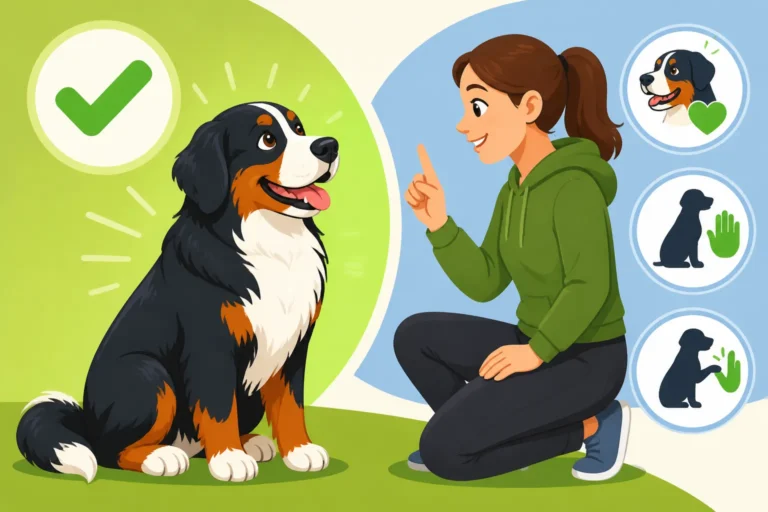
While many commands are universal, drafting introduces a few specific cues. One of the most important is the "walk on" or "forward" cue. This command tells your dog to move forward purposefully, a critical instruction when they are pulling a cart. You’ll want to start teaching this cue long before the harness and cart ever appear. Begin by walking with your dog on a leash, in a calm, distraction-free environment. As you start to walk, say "walk on" or "forward" in a clear, encouraging tone, and take a step forward yourself.
Reward them immediately with praise and a high-value treat as soon as they take that first step with you. The goal is for them to associate the verbal cue with the action of moving forward. Practice this repeatedly in short, fun sessions. Gradually, you can introduce a slight tug on the leash forward as you give the command, helping them understand that this cue means to lean into the pressure and move. This lays the groundwork for them to understand that when the harness is on and the cart is behind them, this same cue means to engage their muscles and pull.
Introducing the Equipment: Harnesses, Shafts, and Carts
Once your Bernese Mountain Dog has a strong grasp of basic obedience, it's time to introduce them to the tools of the trade. This phase is all about positive association and gradual acclimation. Rushing the introduction of unfamiliar equipment can create fear or resistance, setting your training back significantly. Take your time, make it fun, and ensure every experience is positive.
Choosing the Right Drafting Harness for Your Berner
The harness is perhaps the most critical piece of equipment. It’s not just any harness; it’s a specialized drafting harness designed to distribute pressure evenly across your dog's chest and shoulders, allowing them to pull comfortably and efficiently without straining their neck or back. A standard walking harness will not work and can actually cause injury. Look for a harness that is well-padded, adjustable, and specifically labeled for draft work or carting. It should fit snugly without restricting movement or rubbing, particularly around the shoulders and neck.
There are different styles, such as upright shaft harnesses and trace harnesses. An upright shaft harness is often preferred for starting out, as it keeps the shafts stable. When selecting one, take accurate measurements of your dog’s chest, neck, and back length. Brands that specialize in working dog equipment often provide detailed sizing charts. Investing in a good quality harness is paramount for your dog’s comfort and safety. Poorly fitting or inappropriate harnesses can cause pain, injury, and a negative association with drafting. Fitting a Draft Harness to a Bernese Mountain Dog properly is key to success. You might find a good selection of durable, purpose-built harnesses on platforms like Amazon, but always double-check sizing guides and reviews from other Berner owners.
Getting Your Dog Comfortable with the Harness and Shafts
Before you attach anything to a cart, get your Bernese Mountain Dog completely comfortable with wearing the drafting harness. Start by letting them sniff the harness, then gently put it on for short periods while offering treats and praise. Leave it on for a few minutes, then take it off. Gradually increase the duration until they can wear it comfortably for 15-20 minutes without showing any signs of discomfort. Make every fitting a positive experience, perhaps coinciding it with meal times or favorite playtime.
Next, introduce the shafts. Shafts are the two long bars that extend from the harness to the cart. For the first introduction, simply lay the shafts on the ground near your dog, allowing them to investigate. Praise them for calm behavior. Then, pick them up and hold them around your dog, letting them get used to the feel and the gentle knocking sound. Do not attach them yet. Walk your dog while holding the shafts around them (but not attached), letting them hear the sounds and feel the presence without the weight or restriction of a cart. This step is about desensitization. You want them to view the harness and shafts as normal, even exciting, because they lead to treats and fun.
Acclimating Your Berner to the Cart Itself
The cart can be the most intimidating piece of equipment for a dog. It’s large, sometimes noisy, and moves behind them. Start by simply having the cart in your dog’s environment, allowing them to see and sniff it at their leisure. Leave treats near it. Once they are comfortable with its presence, begin to move it around, first without your dog, so they get used to the sounds it makes – the rolling of the wheels, the creaking of the wood. Praise them for remaining calm.
Next, you'll want to introduce the cart while your dog is in their harness and the shafts are attached (but still without your dog in the shafts). This might involve having a helper hold your dog while you push the cart around them, allowing them to observe its movement and sounds from a safe distance. The goal is to gradually desensitize them to the cart's sight, sound, and movement. Once they are calm, you can move to having them stand between the shafts, initially with you holding the cart stationary. Offer lavish praise and treats for calm acceptance. The key here is patience; never force an interaction that causes fear. Build positive associations slowly and steadily. Choosing a Cart That Fits a Bernese Mountain Dog appropriately will also make this process smoother.
The First Steps: Getting Your Berner Used to the Feel
This is where the magic starts to happen! You’ve laid the groundwork with obedience and equipment acclimation. Now, it’s time to actually connect your Bernese Mountain Dog to the cart and begin the process of understanding what it means to pull. Remember, this isn't about brute force; it's about gentle encouragement and building confidence.
Starting with the Drag Chain or Light Object
Before attaching your Berner to the actual cart, it’s often beneficial to have them pull something much lighter. A drag chain, a small sled, or even a lightweight log can be excellent starting points. The idea is to allow them to feel the sensation of resistance and the shift in their body mechanics required for pulling, without the added bulk and potential intimidation of a full cart. Attach the drag chain to their drafting harness. For the very first time, just let it drag behind them as they walk.
Keep it positive and short. Walk a few steps, praise, treat, then unclip. Repeat this a few times a day, gradually increasing the distance. You want them to associate the feeling of something pulling behind them with good things. Ensure the object is not too heavy or cumbersome and doesn't make startling noises. This step helps them understand the concept of "pulling forward" without the complexity of steering or maneuvering a larger object. It's building the muscle memory and mental understanding in small, manageable chunks.
Taking the First Walks with an Empty Cart
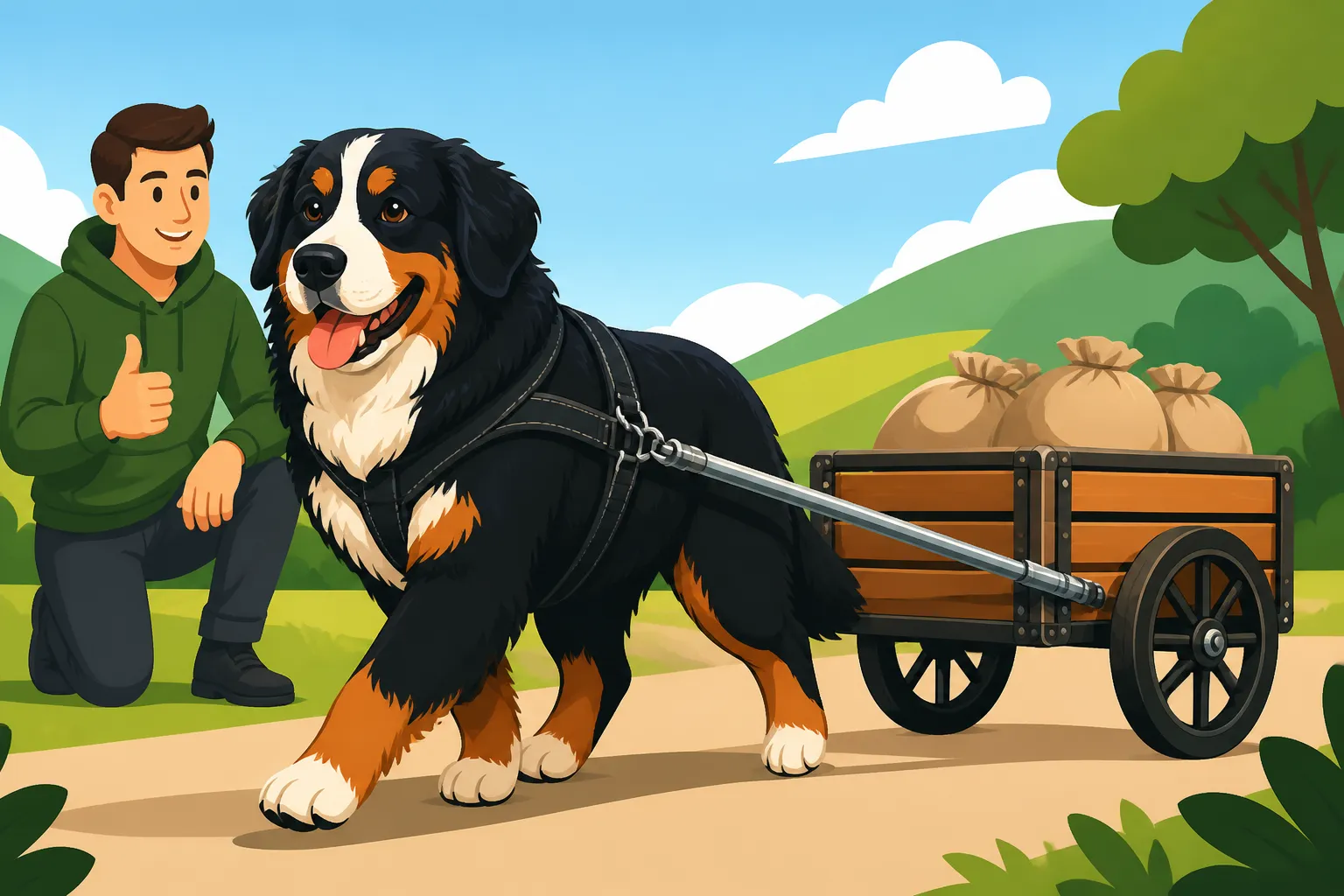
Once your Berner is comfortable with the drag chain, it’s time for the empty cart. With the drafting harness and shafts properly fitted, and your dog standing calmly between the shafts, have a helper gently hold the cart to prevent it from bumping into your dog. Give your "walk on" cue and take a few steps forward. Your helper should allow the cart to follow smoothly without hitting your dog’s legs or heels. Praise and treat enthusiastically for every forward step.
These initial walks should be very short, perhaps only a few yards at first, in a quiet, familiar area with minimal distractions. The goal is simply to get your dog used to the feeling of the cart rolling behind them, hearing its sounds, and understanding that the "walk on" cue now means to move with this apparatus. If your dog shows any signs of anxiety – tail tucked, ears back, refusing to move – stop immediately. Revert to an earlier step, or just spend more time getting them comfortable standing in the shafts with the cart stationary. Never push them through fear; it will only create negative associations.
Practicing Turns and Stops with Verbal Cues
As your Bernese Mountain Dog becomes more confident moving forward with the empty cart, you can begin to introduce turns and stops. These are crucial for safe navigation. Continue to use your established verbal cues for "stop" and "wait." For turns, you’ll typically use cues like "gee" for right and "haw" for left, or simply "right" and "left." Start by practicing these turns without the cart, guiding your dog with a leash. Once they understand, reintroduce the cart.
When practicing turns with the cart, make them wide and sweeping at first. As you give the verbal cue for the turn, gently guide your dog with the lead line from their harness. Your helper can also assist by gently guiding the cart to follow the turn smoothly. Reward immediately for successful turns. For stops, use your "whoa" or "stop" command, making sure the cart comes to a gentle halt behind them without bumping. Consistency is key here. Always use the same commands and reward positive responses. This stage builds both physical coordination and mental understanding of their role in steering the cart.
Progressing to Weight: Light Loads and Building Strength
Once your Bernese Mountain Dog is confidently pulling an empty cart, the next exciting step is to introduce weight. This must be done gradually and thoughtfully, always prioritizing your dog's safety and well-being. Too much weight too soon can cause injury, discomfort, and a negative attitude towards drafting.
Gradually Adding Light Loads to the Cart
Start with a very light load. Think small bags of wood shavings, empty plastic bottles, or a couple of lightweight blankets. The aim is to introduce a slight increase in resistance without putting any significant strain on your dog's muscles or joints. Place the load securely in the cart, ensuring it won't shift or make sudden noises. For the first few sessions with a loaded cart, keep the walks even shorter than before, and observe your Bernese Mountain Dog closely for any signs of fatigue or discomfort.
As they become comfortable with one light load, you can gradually increase the weight. Add a little more each session, paying close attention to your dog's enthusiasm and gait. They should still be moving freely and happily. This slow progression allows their muscles to strengthen and adapt over time, building the necessary conditioning for heavier loads. It’s like a human starting weightlifting – you don’t go straight for the heaviest barbell on day one. Remember, consistency in short, positive sessions is far more effective than infrequent, strenuous ones. Consider how The Twenty Pound Load a Novice Berner Carts is handled, as this is a good benchmark for initial competitive goals.
Building Stamina and Muscle Conditioning
Drafting is a physical activity, and like any athlete, your Bernese Mountain Dog needs appropriate conditioning. Regular, consistent practice with progressively heavier loads will build their stamina and strengthen the specific muscle groups used for pulling. In addition to their drafting sessions, ensure your Berner receives regular exercise tailored to their age and physical condition. This might include structured walks, swimming (if they enjoy it and it’s safe), or other low-impact activities that promote overall fitness without stressing their joints.
Always monitor your dog for signs of overexertion, such as excessive panting, lagging behind, or changes in their gait. Proper nutrition also plays a vital role in muscle development and recovery. Consult with your vet to ensure your Berner's diet supports their activity level. Remember that Bernese Mountain Dogs mature slower than many breeds, often not reaching full physical maturity until 2-3 years of age, so patience during conditioning is especially important for The Age a Bernese Mountain Dog Can Start Drafting. Avoid pushing them too hard, especially when they are still growing.
Understanding Appropriate Weight Limits for a Bernese Mountain Dog
Determining how much weight your Bernese Mountain Dog can safely pull is crucial. The general rule of thumb for healthy, conditioned adult dogs is that they can comfortably pull 1 to 3 times their body weight on a wheeled cart on a smooth, level surface, with the proper harness and efficient cart. For a hundred-pound Berner, this could theoretically be 100 to 300 pounds. However, this is a maximum and depends heavily on numerous factors. For competition, often dogs pull 2-3 times their weight, but this is for highly conditioned athletes on optimal surfaces.
For regular, recreational drafting, especially when starting out, a much lighter load is appropriate. Start with a fraction of their body weight, perhaps 10-20% (10-20 pounds for a 100-pound dog), and only increase incrementally as your dog gains strength and experience. Factors like the terrain (hills, rough ground increase effort), the efficiency of the cart's wheels, and your dog's individual fitness level, age, and health all influence the safe weight limit. Always err on the side of caution. If in doubt, consult with experienced drafters or a canine physical therapist to assess your dog’s capability and ensure you are not causing undue stress. A good general guide is available in articles like How Much Weight a Bernese Mountain Dog Should Pull.
| Factor | Impact on Weight Limit |
|---|---|
| Dog's Weight | Heavier dogs can generally pull more, but proportional limits apply. |
| Dog's Fitness | Well-conditioned dogs can handle more weight and longer distances. |
| Age | Puppies and very old dogs should pull minimal or no weight. Peak is 2-6 years. |
| Health | Joint issues, heart conditions, or other health problems severely reduce safe limits. |
| Harness Fit | A properly fitting draft harness distributes weight evenly; poor fit causes pain/injury. |
| Cart Quality | Well-maintained carts with good bearings and appropriate wheel size reduce effort. |
| Terrain | Smooth, level surfaces allow for heavier loads; inclines, rough ground reduce capacity. |
| Weather | Hot, humid weather reduces a dog's ability to pull safely. |
| Training Level | Experienced dogs understand how to use their body efficiently; beginners need lighter loads. |
Advanced Maneuvers and Troubleshooting
Once your Bernese Mountain Dog is confidently pulling a weighted cart forward and executing basic stops and turns, you can begin to refine their skills and introduce more complex maneuvers. This stage also involves addressing common challenges that can arise during drafting.
Refining Turns, Backing Up, and Navigating Obstacles
Refining Turns: As your Berner gains experience, you can work on making turns tighter and more precise. Practice turning around cones, through narrower gateways, or around obstacles. Continue to use your verbal cues ("gee" for right, "haw" for left) and guide with the lead line as needed. The goal is for your dog to understand how to shift their weight and adjust their body to guide the cart smoothly without swinging wide or cutting corners too sharply. Always ensure there's enough room for the cart to follow safely.
Backing Up: Teaching your Bernese Mountain Dog to back up with a cart is an advanced but incredibly useful skill, especially in tight spaces. Start without the cart, teaching them a "back up" cue. Once mastered, introduce it with the cart, ensuring the shafts are not dragging on the ground or catching their legs. This requires coordinated effort and can be challenging. Many owners use a gentle push on the cart from behind while giving the "back up" cue, rewarding any small backward movement. This skill often takes considerable patience and practice.
Navigating Obstacles: Introduce various obstacles gradually: walking over tarps, around small garden statues, or through doorways. The cart will interact with these differently than your dog's body does, so it's a learning curve for both of you. Walk them slowly, using your verbal cues and body language to guide them. Praise and reward them for calm and successful navigation. This helps build their problem-solving skills and confidence in diverse environments, preparing them for draft tests, such as The Half-Mile Freight Haul in a Bernese Mountain Dog Test.
Addressing Common Drafting Challenges
Lack of Motivation: Some Berners might lose enthusiasm, especially if sessions are too long or repetitive. Keep training sessions short, fun, and varied. Use high-value treats and enthusiastic praise. Re-evaluate if the weight is too heavy or if the terrain is too challenging. Remember, Whether a Bernese Mountain Dog Enjoys Pulling is often a reflection of how much fun you make it for them.
Refusal to Move (Bracing): If your Berner braces or refuses to move, stop and assess the situation. Is the harness rubbing? Is the cart stuck? Is the load too heavy? Are they confused by a command? Never pull or yank them forward, as this can create fear and resistance. Go back to an easier step, lighten the load, or simply spend time positively reinforcing standing in the harness and shafts. Sometimes, a confident "walk on" cue with an immediate, irresistible treat just out of reach can restart them.
Shaft or Cart Shyness: If your dog seems consistently nervous about the shafts or cart bumping them, go back to the acclimation steps. Spend more time with them simply standing in the shafts, or walking with an empty cart in a very quiet area. Ensure the cart is always moving smoothly and never bumps into them. It might take longer for some dogs to fully trust the equipment behind them. Patience and positive reinforcement are your best allies here.
Safety First: Protecting Your Berner During Drafting
Drafting with your Bernese Mountain Dog can be an incredibly rewarding activity, but it’s essential to prioritize their safety and well-being above all else. Overlooking critical safety measures can lead to injury, discomfort, or a complete loss of interest in the activity.
Health Clearances and Physical Readiness
Before starting any strenuous activity like drafting, your Bernese Mountain Dog should have a clean bill of health from your veterinarian. This is particularly important for a large breed prone to certain orthopedic issues. Ensure they have passed their hip and elbow clearances, as these joints bear significant weight during pulling. Discuss their overall joint health, cardiovascular fitness, and any potential predispositions to conditions like bloat. Whether Pulling a Cart Hurts a Bernese Mountain Dog's Joints is a valid concern, and proper vetting can mitigate risks.
Your vet can help you determine if your dog is physically ready for draft work and advise on appropriate conditioning. They can also provide guidance on Building a Bernese Mountain Dog's Fitness for Draft Work safely and effectively. Never attempt to draft with a dog that is too young, too old, or has any underlying health issues without specific veterinary approval and guidance. Puppies, especially, need time for their growth plates to close and bones to mature before any weight-bearing activities.
Weather Considerations and Preventing Overheating
Bernese Mountain Dogs, with their thick double coats, are built for cold climates. They are particularly susceptible to overheating, even in mild temperatures, let alone during physical exertion. Never draft in hot or humid weather. The ideal temperature range for draft work is cool to cold, typically below 50-60°F (10-15°C). Even then, monitor your dog closely for signs of overheating, such as excessive panting, drooling, lethargy, or stumbling.
Always carry plenty of fresh water for both you and your dog, and offer frequent water breaks. Plan your routes to include shady areas. If the weather is too warm, choose another activity for the day. It’s better to skip a session than risk heatstroke, which can be fatal. Remember that asphalt and pavement can get dangerously hot, burning paw pads even on moderately warm days. Stick to grass, dirt trails, or shaded paths whenever possible.
Proper Equipment Maintenance and Pre-Walk Checks
Regularly inspect all your drafting equipment – harness, shafts, and cart – for any signs of wear and tear. Check the harness for frayed straps, broken buckles, or rough spots that could rub and cause sores. Ensure the shafts are securely attached and free of cracks or splinters. Examine the cart’s wheels for proper inflation (if pneumatic), smooth rolling, and secure axles. Loose bolts, squeaky wheels, or damaged components can lead to accidents or discomfort for your dog.
Before every session, perform a quick pre-walk check. Ensure the harness is fitted correctly and comfortably. Double-check all connections between the harness, shafts, and cart. Verify that any load in the cart is balanced and secured so it won't shift or fall out during movement. These routine checks are quick to perform but can prevent potential hazards, ensuring a safe and enjoyable experience for your Bernese Mountain Dog.
Beyond the Basics: Competitive Drafting and Community
Once your Bernese Mountain Dog is a confident and capable cart dog, you might find yourself looking for new challenges and ways to engage with the drafting community. Competitive drafting offers an excellent opportunity to showcase your dog's skills and strengthen your bond.
Exploring Draft Tests and Titles
For many Berner owners, competitive draft tests are the ultimate goal. These tests, often sanctioned by breed clubs like the Bernese Mountain Dog Club of America (BMDCA), evaluate a dog's ability to pull a cart (or sled in winter) with precision, control, and willingness. There are various levels, from Novice to Excellent, each requiring increasing skill and weight. Dogs earn titles for successfully completing the tests, which is a fantastic accomplishment. What a Draft Test Asks of a Bernese Mountain Dog is a good resource to understand the requirements.
These tests typically involve a freight haul (pulling a weighted cart over a specified distance), a maneuverability course (navigating obstacles, turns, and backing up), and a group stay. The emphasis is not just on strength but on the dog's attitude, willingness, and teamwork with their handler. Preparing for these tests provides a structured training path and deepens the bond between you and your Berner. It's a testament to their intelligence and your consistent training efforts.
Joining a Local Draft Club or Community
One of the most enriching aspects of drafting is the community surrounding it. Many regional Bernese Mountain Dog clubs have active draft programs, offering training workshops, practice sessions, and opportunities to meet other enthusiasts. These clubs are invaluable resources for advice, mentorship, and camaraderie. Experienced members can offer tips on training, equipment, and troubleshooting, often sharing insights gained over years of working with their own Berners.
Joining a club also provides a supportive environment for you and your dog to learn and grow. You’ll find opportunities to train alongside other teams, which can be beneficial for socializing your dog to working around other dogs and people. Sharing experiences, celebrating successes, and troubleshooting challenges with like-minded individuals can make the journey of teaching your Bernese Mountain Dog to pull a cart even more rewarding. To find a group near you, search online for "Where to Find a Bernese Mountain Dog Draft Club" or check your national breed club's website for regional contacts.
Disclaimer
This article is for general informational purposes only and does not constitute professional advice. Laws, prices and regulations vary by location and change over time. Consult a qualified professional for guidance on your specific situation.