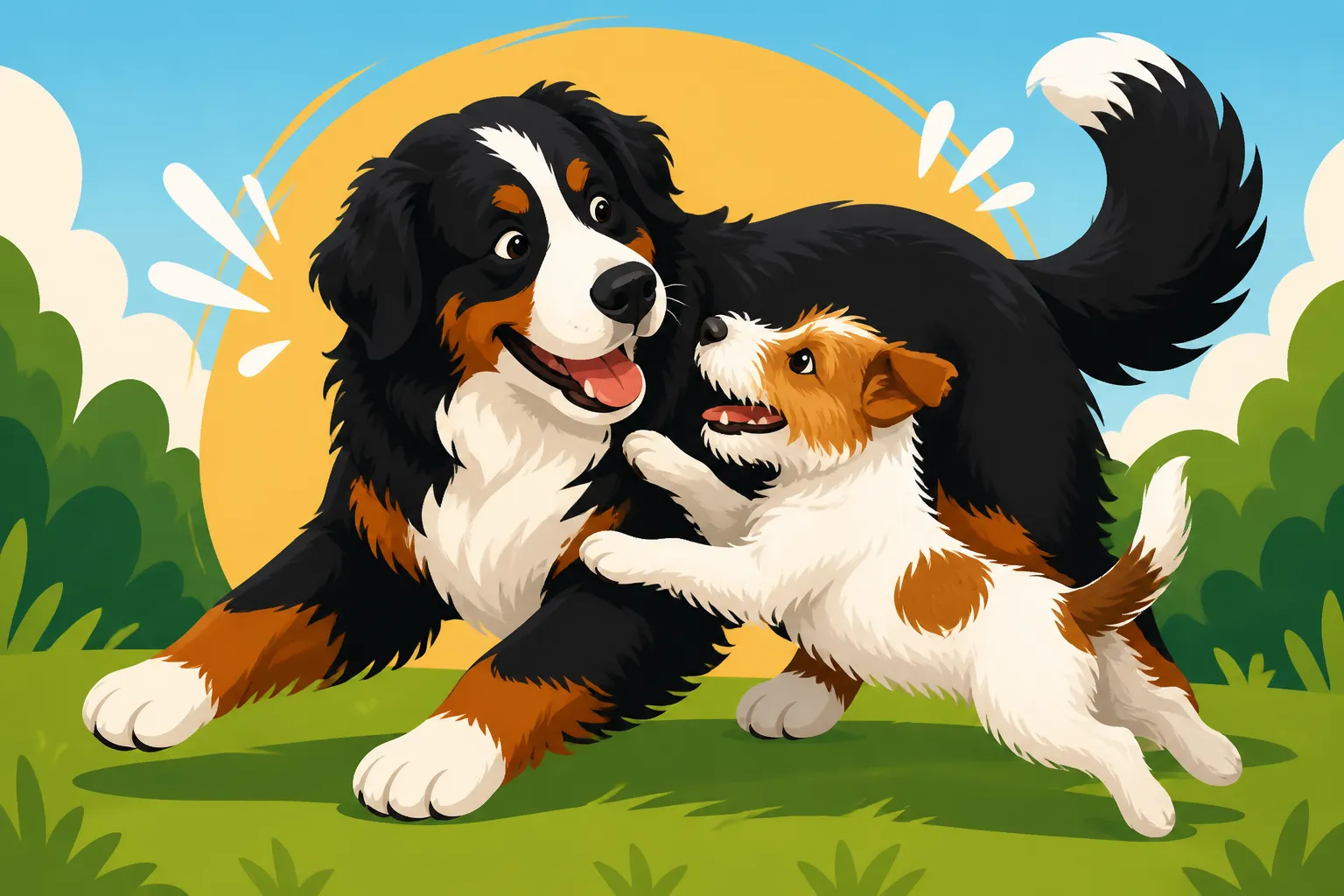
Rough Play Between a Bernese Mountain Dog and a Terrier
Bringing together a gentle giant like a Bernese Mountain Dog and a feisty, energetic terrier can sometimes lead to misunderstandings during playtime. What one dog considers fun, the other might find overwhelming or even a bit rude, leading to scuffles or uneven play. This guide will walk you through understanding these different play styles, recognizing the signs of healthy versus unhealthy interactions, and practical strategies to ensure both your Bernese and your terrier can enjoy safe, balanced, and truly fun play sessions.
Understanding the Dynamics of Bernese Mountain Dog and Terrier Play Styles
It's no secret that different breeds bring different personalities and natural instincts to the play yard. When you have a massive, often lumbering, but incredibly sweet Bernese Mountain Dog sharing a home with a smaller, quick-witted, and sometimes tenacious terrier, playtime can be a real balancing act. Understanding these inherent differences is the first step to fostering harmonious interactions.
The Gentle Giant's Approach to Play
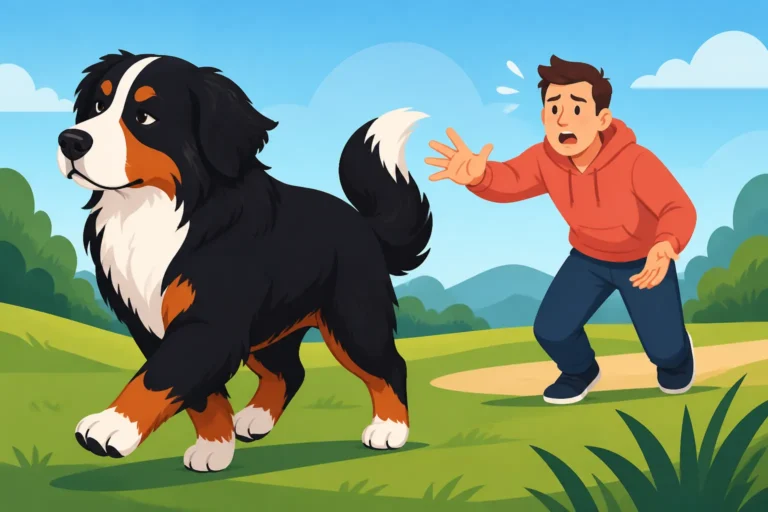
Our beloved Berners, with their impressive size and calm demeanor, often have a play style that reflects their heritage as working dogs from the Swiss Alps. They tend to be more deliberate, often preferring "body slamming" or wrestling-type play, or engaging in slower, more methodical games of chase. Their sheer size means their movements, even when playful, can seem quite imposing. A Bernese might "herd" another dog, nudge them with their big head, or flop down on them in an invitation to wrestle. They're often very tolerant, soaking up attention and interaction, but their play can sometimes lack the quick bursts and intricate dodges a smaller, faster dog might enjoy. For them, it’s about connection and shared space, often expressed through physical contact that might feel heavy to a smaller playmate.
Think about a typical Bernese play scenario: a big, happy "oof" as they lean into another dog, a slow, wagging tail, and perhaps a low rumble that sounds far more menacing than it actually is. They aren't trying to be aggressive; they're just playing in a way that feels natural for a dog of their build and temperament. This can be misconstrued by a dog that isn't used to such heavy-handed affection. Owners often observe their Berners being incredibly patient, even with puppies or much smaller dogs, but there's a limit, and sometimes their lack of awareness of their own size can cause issues. For more insights on their general temperament, you might find The Bernese Mountain Dog That Leans on Everyone helpful.
The Terrier's Tenacity and Quickness
On the other side of the yard, we have the terrier. Bred for hunting vermin, terriers are typically bundles of boundless energy, lightning-fast reflexes, and a natural instinct to "shake" and "grab." Their play is often characterized by quick bursts of speed, rapid changes in direction, vocalizations (barking, yipping, growling – all in play!), and a tendency to mouth or nip playfully. They might dart in and out, nip at hocks, or engage in intense, focused tug-of-war sessions. For a terrier, play is often about the chase, the quick interaction, and proving their agility. They are often incredibly resilient and might even seem to enjoy being challenged or "roughed up" a bit, but their methods can be perceived as aggressive or irritating to a larger, more sensitive playmate like a Berner.
Imagine a terrier trying to engage a Berner: they might nip at the Berner's ears, bounce off their flanks, or try to instigate a fast-paced game of chase around the furniture. This isn't meant maliciously, but rather as their way of inviting play. Their high prey drive can sometimes mean they get a little too focused during play, and what starts as fun can escalate if not managed. This dynamic can be fascinating to watch, but it requires careful supervision to ensure neither dog gets overwhelmed or accidentally hurt. Introducing a Bernese Mountain Dog to a Second Dog offers broader advice on integrating a new canine companion.
Potential for Misunderstandings and Unintended Consequences
When these two distinct play styles meet, there's a fertile ground for misunderstandings. A Berner's gentle "flop" can accidentally knock a terrier off its feet, leading to a yelp and a perceived injury, even if no harm was intended. A terrier's sharp, quick nips and relentless pursuit might be seen by the Berner as annoying or even threatening, prompting a much larger, heavier response than the terrier anticipated. The Berner might resort to pinning the terrier, or using their weight to end the interaction, which can easily frighten or injure the smaller dog.
It's also important to consider the size disparity. While many Bernese are remarkably tolerant, continuous nipping or being jumped on by a terrier might eventually test their patience. Conversely, a terrier, confident in its speed and agility, might misjudge the force behind a Bernese's play and end up getting hurt. This isn't about aggression; it's often simply about mismatched communication and physical capabilities. As owners, our role is to act as interpreters and referees, ensuring that play remains fun and safe for both dogs. This is where understanding their unique body language becomes absolutely critical.
Recognizing Healthy vs. Unhealthy Play Interactions
One of the biggest challenges for us dog owners is discerning when "rough play" is just good, honest fun, and when it's starting to tip over into something less desirable. It's not always black and white, especially with breeds that have such different communication styles. Learning to read the subtle cues from both your Bernese Mountain Dog and your terrier is essential to stepping in at the right moment.
Signs of Healthy, Reciprocal Engagement
Healthy rough play between dogs, even those of vastly different sizes and breeds, is characterized by its reciprocity and flexibility. Both dogs should be actively engaging, taking turns initiating and retreating. Look for these key indicators:
- Play Bows: This is the universal dog signal for "I want to play!" Both dogs will drop their front ends, tails wagging, sometimes barking excitedly.
- Voluntary Self-Handicapping: The larger dog (your Berner) might deliberately make themselves smaller or less dominant. They might lie down, roll over, or run more slowly to allow the smaller dog to "catch" them. This is a crucial sign that the Berner understands the size difference and is adjusting their play.
- Role Reversal: Sometimes the terrier is the "chaser," sometimes the Berner. They switch up who is "on top" during wrestling, or who has the toy during tug.
- Loose, Wavy Body Language: Tails should be wagging (often in wide, sweeping motions, not stiffly tucked or held high), bodies should be relaxed, and movements fluid. Stiffness often indicates tension.
- Soft Mouths: Nips and mouthing should be gentle, without pressure. If you hear yelps or see teeth making contact with skin rather than just fur, it's escalating.
- Breaks in Play: Healthy play isn't relentless. Dogs will often pause, shake off, sniff the ground, or take a drink before re-engaging. These mini-breaks help regulate arousal levels.
If you see these signs, even if the play looks boisterous to you, chances are your dogs are having a wonderful time. They're communicating effectively and respecting each other's boundaries.
| Play Indicator | Healthy Play | Unhealthy Play |
|---|---|---|
| Body Language | Loose, wiggly, play bows, self-handicapping | Stiff, frozen, tucked tail, prolonged staring |
| Vocalizations | Happy barks, playful growls, light yips | High-pitched yelps of distress, continuous snarls |
| Mouth Contact | Soft mouthing, no skin contact | Hard nips, biting, prolonged holds |
| Engagement | Reciprocal, role reversals, voluntary breaks | One-sided, relentless pursuit, inability to disengage |
| Facial Expression | Relaxed mouth, "smiling," soft eyes | Tense mouth, bared teeth, hard stare, dilated pupils |
When Play Crosses the Line: Warning Signs
It's equally important to know when to intervene. Rough play turns unhealthy when it becomes one-sided, causes distress, or risks injury.
- One Dog Is Consistently Harassing: If the terrier is constantly nipping, chasing, or jumping on the Berner, and the Berner is trying to get away or showing signs of discomfort (turning head away, lip licking, yawning, stiffening), it's not reciprocal. The same applies if the Berner is repeatedly pinning the terrier with no relief.
- Distress Signals: High-pitched yelps, screams, or persistent growling (not playful, but genuinely warning) from either dog are immediate red flags. A tucked tail, flattened ears, or attempts to hide or escape also signal fear or discomfort.
- Stiffening and Hard Stares: When a dog’s body becomes rigid, their tail stops wagging, and they fix another dog with a hard, unblinking stare, it usually means their patience is running thin. This often precedes a snap or a correction.
- Escalating Physicality: While some wrestling is fine, if the Berner is using its full weight to pin the terrier for extended periods, or if the terrier is biting down hard enough to cause pain, it's gone too far. Blood, even a tiny bit, is a definite sign to stop.
- Inability to Disengage: If one dog is trying to end the interaction, but the other continues to pursue, block, or re-engage forcefully, intervention is necessary. This is especially common with terriers who can be persistent.
Remember, even the sweetest Bernese has a limit, and even the toughest terrier can get hurt. Your intervention isn't punishment; it's setting boundaries for safe interaction. Whether a Bernese Mountain Dog Hides Discomfort can give you more insight into how your Berner might be subtly signaling their feelings.
Reading Body Language Cues for Both Breeds
Effective intervention hinges on your ability to read your dogs. This isn't just about spotting the obvious growl, but also the subtle signs.
For your Bernese, look for:
- Heavy sighing or deliberate turning away: A passive way of saying "I'm done."
- Lip licking or yawning: Stress signals that they are uncomfortable.
- "Whale eye": When the whites of their eyes are visible, indicating stress or fear.
- Freezing: Becoming suddenly still, often before a more forceful correction.
For your terrier, observe:
- Excessive barking/yipping: Sometimes just play, but if it becomes frantic or high-pitched, it could be overstimulation or distress.
- Excessive humping: Can be a sign of over-arousal or an attempt at dominance, which can escalate play negatively.
- Relentless pursuit: Not allowing the Berner any space to breathe or disengage.
- "Sharky" movements: Quick, darting, intense movements that lack the loose, bouncy quality of playful chase.
Learning these cues takes time and observation. Consider watching slow-motion videos of dog play to better identify the micro-expressions and movements. Tools like specific dog behavior books or even online resources from reputable trainers can greatly enhance your ability to Reading Fear in a Bernese Mountain Dog That Retreats or simply decode their everyday conversations.
Managing Play Sessions and Intervention Strategies
Once you understand the different play styles and can spot the red flags, the next step is proactive management and knowing how to intervene effectively. Our goal isn't to stop them from playing, but to teach them how to play together respectfully and safely.
Supervised Interactions are Key
Never, and I mean never, leave a Bernese Mountain Dog and a terrier unsupervised during playtime, especially early on. Even if they seem to get along wonderfully, accidents can happen quickly due to the size disparity and differing play intensities. Your presence is their safety net and their coach.
- Designated Play Times: Establish specific times for active, rough play. This helps both dogs understand when it's "game on" and when it's time to settle. Short, frequent sessions (5-10 minutes) are often better than one long, overstimulating one.
- Neutral Territory: If you're introducing them or re-establishing boundaries, start in a neutral, enclosed area where both dogs feel comfortable and there are no high-value resources to guard.
- Equal Attention: While monitoring play, ensure you're giving both dogs positive attention. This prevents resource guarding of your affection and helps reinforce that good behavior from both is rewarding.
- Observe Constantly: Stay present and attentive. Don't scroll on your phone or get distracted. Your eyes should be on your dogs, ready to step in. This vigilance is paramount, particularly if you have a Bernese Mountain Dog Puppy That Mouths Hands, which could escalate with a smaller dog.
Creating a routine around play helps manage energy levels and sets expectations for both dogs. It becomes part of their predictable day, reducing anxiety and uncertainty.
Effective Interruption Techniques
When you need to step in, how you do it matters. Your goal is to interrupt, redirect, and calm, not to punish.
- Verbal Interruption: A sharp, clear "Enough!" or "Break!" can often do the trick. Follow it up with calling both dogs to you for a calm praise and perhaps a treat. This teaches them that the word means "stop playing and come to me." For an easily corrected dog like a Berner, a firm but gentle verbal cue can be very effective, as The Bernese Mountain Dog That Quits After One Correction suggests.
- Physical Barrier: If verbal cues aren't enough, gently step between the dogs. Don't rush in wildly, but calmly create a physical space between them. Your body acts as a barrier without you having to touch either dog forcefully.
- Leash Time-Outs: For persistent players, calmly leash one or both dogs and have them settle separately for a few minutes. This isn't punishment; it's a cooling-off period. Once calm, you can try again or end the session. Make sure to use appropriate gear for a large dog, such as those recommended in Leash Manners on a Hundred Pound Bernese Mountain Dog.
- Redirection: Once play is interrupted, redirect their energy. A scatter of treats for them to sniff out, a short training session focusing on basic commands, or a solo toy can shift their focus. This is especially good for terriers who thrive on engagement.
- Positive Reinforcement for Calm Play: When you see moments of appropriate, gentle interaction, praise lavishly and offer small, high-value treats. Reinforce the behaviors you want to see. This teaches them that polite play earns rewards. What a Bernese Mountain Dog Will Actually Work For highlights their motivation.
The key is consistency. Both dogs need to learn that you are the benevolent leader who dictates when play starts, how intense it gets, and when it ends.
Setting Up a Safe and Engaging Play Environment
The environment itself plays a huge role in preventing play from getting out of hand.
- Spacious Areas: Ensure they have enough room to move freely without bumping into furniture or walls. A cramped space can lead to frustration and accidental collisions. If you have a yard, make sure it's secure.
- Safe Toys: Provide appropriate toys for both dogs, especially if they have different play styles. A durable rope for a terrier to tug on, or a large, soft plush toy for a Berner to mouth. Supervise tug-of-war to ensure fair play and no resource guarding issues. You can find many durable toys on platforms like Amazon that cater to both large and small dog breeds.
- Separate Spaces: Both dogs need a "safe zone" where they can retreat and be undisturbed. This could be a crate, a dog bed in a quiet corner, or another room entirely. This is crucial for decompression.
- Non-Slip Surfaces: For a large, heavy dog like a Berner, playing on slippery floors can lead to injury. Provide rugs or runners, especially in high-traffic play areas, to give them better traction. Their joints will thank you, particularly as they get older, as discussed in Joint Disease in a Hundred Pound Bernese Mountain Dog.
By managing the environment, you reduce potential stressors and create a more predictable and secure space for both your Bernese and your terrier to interact positively.
Fostering a Harmonious Multi-Dog Household
Beyond just managing play, creating a truly harmonious household with a Bernese Mountain Dog and a terrier involves intentional training, understanding their individual needs, and knowing when to seek professional guidance. It's about building a foundation of mutual respect and trust.
Training for Coexistence and Calmness
Training isn't just for puppies; it's an ongoing process that benefits every dog. For a multi-dog household with different breed dynamics, it's absolutely vital.
- Individual Training: Ensure both dogs have a solid grasp of basic obedience commands like "sit," "stay," "come," and "leave it." This gives you direct control during high-arousal situations. Work with them separately to reinforce these commands without the distraction of the other dog.
- Impulse Control: Teach both dogs impulse control. This means waiting for permission before eating, going through a door, or greeting people. For a terrier with high energy, this can be a game-changer. For a Berner, it reinforces their natural calm. Platforms like BAXTER & Bella offer excellent online training programs that focus on positive reinforcement and building impulse control, which can be adapted for a multi-dog home.
- "Place" Command: This is incredibly useful. Teach both dogs to go to a designated "place" (bed, mat) and stay there until released. This allows you to manage excitement and provide individual downtime, especially if one dog is getting overstimulated. Teaching a Bernese Mountain Dog to Settle goes into more detail on this.
- "Gentle" or "Easy": Teach a specific command for gentle play. Start by rewarding very soft mouthing or slow interactions. This can be invaluable if the terrier starts getting too rough, allowing you to prompt a softer approach from both.
Consistent training, using positive reinforcement, will build confidence in both dogs and strengthen their bond with you, making them more responsive to your guidance during play.
Enrichment and Separate Activities
While we want them to play together, it's equally important that each dog has their individual needs met. Ignoring this can lead to frustration, competition, and ultimately, problems during group play.
- Separate Exercise: Both dogs need regular exercise, but their needs might differ significantly. Your Berner might enjoy a long, leisurely walk or some draft work, while your terrier might need intense fetch or agility drills to burn off steam. Ensure each gets their preferred outlet. This helps prevent pent-up energy from spilling over into overly rough play.
- Individual Attention: Spend quality one-on-one time with each dog every day. This reinforces your individual bond and prevents jealousy or competition for your affection. This could be a cuddle session, a solo walk, or a quiet training session.
- Mental Stimulation: Provide puzzle toys, snuffle mats, or chew bones to keep their minds engaged separately. This can be particularly important for a terrier, whose breed excels at problem-solving and needs mental challenges. For a Berner, mental stimulation can prevent boredom, which can sometimes lead to undesirable behaviors. You might find ideas for these on Amazon.
- Manage Resources: Feed dogs in separate, peaceful locations to prevent food aggression. Provide multiple water bowls, beds, and chew toys to reduce competition. High-value items, like special bones, should always be given when dogs are completely separated.
By ensuring both dogs feel secure in their individual roles and have their specific needs met, you reduce the underlying stress that can contribute to problematic play interactions. The First Month With a Rescued Bernese Mountain Dog discusses general integration strategies that might be helpful.
When Professional Help is Needed
Despite your best efforts, sometimes the dynamics between a Bernese Mountain Dog and a terrier can be too challenging to manage on your own. There is absolutely no shame in seeking professional help.
- Certified Professional Dog Trainer (CPDT-KA): A good trainer can observe your dogs' interactions in person, identify specific triggers, and provide tailored strategies. They can teach you more advanced techniques for interruption, redirection, and building appropriate play behaviors. Look for someone who uses positive, force-free methods.
- Veterinary Behaviorist (DACVB): If you suspect there's underlying anxiety, fear, or genuine aggression contributing to the rough play, a veterinary behaviorist is the highest level of expertise. They are veterinarians with specialized training in behavior and can diagnose and treat behavioral issues, sometimes involving medication if necessary.
- Breed-Specific Experience: When choosing a professional, ask if they have experience with large guardian breeds like Bernese Mountain Dogs and high-energy terriers. Their understanding of breed-specific traits can be invaluable.
- Early Intervention: Don't wait until serious fights break out or injuries occur. If you're consistently feeling overwhelmed, frustrated, or fearful during their play, it's time to get help. Early intervention is always more effective.
Remember, a harmonious multi-dog household is a marathon, not a sprint. It requires patience, consistency, and a deep understanding of your individual dogs. With the right strategies and, if needed, professional guidance, your Bernese Mountain Dog and your terrier can indeed be the best of friends, enjoying many years of appropriate and joyful play. Whether a Balanced Trainer Suits a Bernese Mountain Dog can help you choose the right kind of professional.
Disclaimer
This article is for general informational purposes only and does not constitute professional advice. Laws, prices and regulations vary by location and change over time. Consult a qualified professional for guidance on your specific situation.