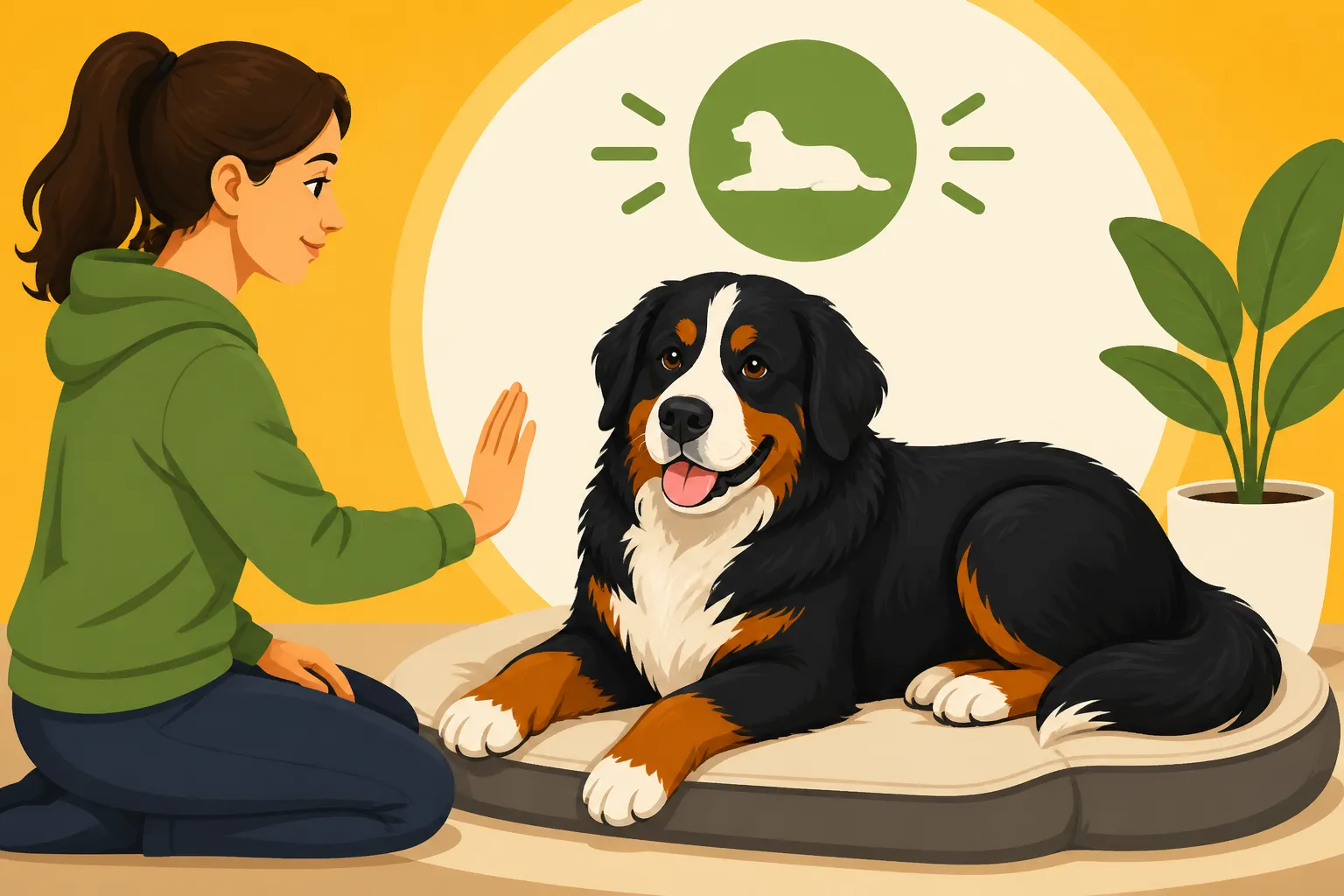
Teaching a Bernese Mountain Dog to Settle
It's a common scenario: you've got this magnificent Bernese Mountain Dog, a true gentle giant, but sometimes they just can't seem to wind down. Whether it's persistent nudging for attention, constant pacing, or an inability to simply relax when you're busy, teaching your Berner to settle can feel like an uphill battle. This guide will walk you through practical, empathetic strategies to help your beloved Bernese learn the invaluable skill of being calm and content in your home.
Understanding the Bernese Mountain Dog's Nature and Why Settling Can Be a Challenge
Bernese Mountain Dogs are wonderful companions, known for their affectionate nature and stunning appearance. However, their very characteristics can sometimes contribute to difficulties in settling down, especially if not understood and addressed early on.
Breed Temperament and Energy Levels
Many people mistakenly believe that because Berners are large dogs, they must be inherently lazy or low-energy. While they aren't typically high-strung like some terrier breeds, Bernese Mountain Dogs are still working dogs at heart. They were bred for a purpose – herding livestock, guarding property, and pulling carts in the Swiss Alps. This means they possess a natural intelligence and a need for mental and physical engagement. An under-stimulated Berner can easily become restless, finding it hard to just "be." They might pace, whine, or seek constant attention because they're simply bored and don't know what else to do with themselves. Imagine a bright, capable person stuck in a job that doesn't challenge them – they'd feel antsy and unfulfilled, right? It's much the same for a Bernese.
Their energy isn't always about running zoomies in the yard, though they certainly enjoy a good romp, especially when they're younger. It's often about needing a job, even if that job is just chewing on a really great bone or learning a new trick. If a Berner isn't getting enough appropriate mental and physical exercise, that energy has to go somewhere, and it often manifests as an inability to settle. It’s crucial to distinguish between a truly settled dog and one that is simply exhausted. A truly settled dog is relaxed, aware, and choosing to be calm, not just crashed out from over-exertion.
The 'Velcro Dog' Tendency
Another trait many Bernese owners adore, but which can impede settling, is their "Velcro dog" nature. Berners are deeply attached to their families and thrive on companionship. They want to be wherever you are, often leaning on you or following you from room to room. While incredibly endearing, this constant need for proximity and interaction can prevent them from learning independence and self-soothing. If your Berner is always underfoot, nudging your hand, or sighing dramatically for attention, they haven't learned that it's okay to just exist in the same space without direct engagement.
This tendency can develop into something more challenging if not managed from puppyhood. A Bernese who hasn't learned to occupy themselves quietly when you're busy can become quite demanding. They might resort to undesirable behaviors like excessive barking or destructive chewing just to get a reaction. The goal isn't to push them away, but to teach them that sometimes, "together" simply means being in the same room, each doing your own thing, in a calm and peaceful way. It’s a balance between cherishing their loving presence and fostering their ability to be self-sufficiently calm. This is especially important for their mental well-being when you eventually have to leave them A Bernese Mountain Dog Left Alone.
Foundation Skills: Building Blocks for Calmness
Before diving into specific "settle" commands, it's incredibly helpful to ensure your Bernese has a solid foundation of basic training and impulse control. These skills are like the bedrock upon which genuine calmness can be built.
Crate Training as a Calming Tool
For many Bernese Mountain Dogs, a crate isn't just a place for them to sleep or stay out of trouble; it can become their personal sanctuary, a den where they feel safe and can truly unwind. When introduced properly, a crate leverages a dog's natural instinct to seek a den-like space. It offers a clear boundary and a predictable environment, which can be incredibly comforting to a large, sometimes overwhelmed, dog. The key is to make it a positive experience from the start. Never use the crate as punishment; instead, fill it with comfy bedding, offer special toys or chews only available in the crate, and make it a place they want to be.
Starting with short, positive sessions and gradually increasing the time spent inside will help your Berner associate the crate with peace and quiet. When your Berner is reliably comfortable in their crate, it provides a powerful tool for promoting calm behavior. If they're over-stimulated or struggling to settle, a trip to their cozy crate with a long-lasting chew can help them switch gears and relax. You'll often find that once they're accustomed to it, they'll even choose to go into their crate on their own when they need a break. It's truly amazing how a well-crates Bernese can transition from boisterous play to peaceful slumber within its confines. If you're working with an older dog, learning Crate Training an Adult Bernese Mountain Dog might be a good starting point.
Impulse Control Exercises
Teaching your Bernese strong impulse control is fundamental to fostering a settled disposition. A dog that can't control its impulses will struggle to be calm when exciting things happen, whether that's the doorbell ringing or you simply walking into the kitchen. Exercises like "Leave It," "Stay," and waiting patiently for food or going through a doorway are not just about obedience; they're about teaching your dog to think before they act. When a Berner learns to pause, evaluate, and choose a calmer response, it lays the groundwork for self-regulation in all aspects of their life.
Start simple. For "Leave It," place a treat on the floor, cover it with your hand, and say "Leave It." When your dog looks away or disengages, reward them with a different treat from your other hand. Gradually increase the difficulty by removing your hand and increasing the duration they must "leave it." Similarly, "Stay" teaches them to hold a position despite distractions. Practice these skills in calm environments first, then slowly introduce more distractions. These aren't quick fixes; they require consistent practice and patience, but the payoff is immense. A Bernese that can control its impulses is a Bernese that is far better equipped to settle down when asked, or even on its own initiative. For further guidance on how these magnificent dogs respond, consider Training a Bernese Mountain Dog Without Breaking It.
Practical Techniques for Teaching "Settle"
Once your Bernese has a good grasp of basic impulse control, you can begin to specifically teach them a "settle" cue. This isn't just about telling them to lie down; it's about teaching them how to be calm and relaxed.
The "Relax on a Mat" Protocol
One of the most effective methods for teaching a Bernese to settle is the "Relax on a Mat" protocol. This technique teaches your dog that going to a specific spot (their mat, bed, or even a designated rug) means it's time to chill out. The mat becomes a powerful cue for relaxation. Start by placing a mat on the floor. When your Berner steps on it, immediately mark the behavior (with a clicker or a verbal "yes!") and reward them with a high-value treat. Repeat this many times. The goal is to build a strong positive association with being on the mat.
Once they understand that "mat" means treats, you can start adding the "settle" or "place" cue. Lure them onto the mat, say "Settle" (or "Place"), and reward them. Gradually, you'll extend the duration they need to stay on the mat before getting a reward. Don't ask for too much too soon. Begin with just a few seconds, then move to ten, then thirty. While they are on the mat, toss treats to them intermittently for staying. The goal is not just staying, but relaxing. Look for signs of relaxation: a soft gaze, a relaxed body, a sigh. Reward those moments generously. Practice this in various rooms of your house and eventually in slightly more distracting environments. Many popular online dog training programs, including BAXTER & Bella, offer detailed step-by-step guides for this specific protocol, providing invaluable video demonstrations and troubleshooting tips. This process helps your dog understand that even amidst activity, they have a designated space to be calm. You can easily find suitable, durable mats for large breeds like Bernese Mountain Dogs on platforms like Amazon.
Rewarding Calm Behavior
This might sound simple, but it's often overlooked: actively rewarding your Bernese when they choose to be calm. We often inadvertently reinforce unwanted behaviors by only paying attention when our dogs are being boisterous, barking, or nudging us. Instead, make a conscious effort to notice and reward those fleeting moments of quiet relaxation. Is your Berner lying calmly at your feet while you watch TV? Casually drop a treat beside them. Are they chewing quietly on a toy instead of seeking attention? A quiet "Good dog" or a gentle head scratch reinforces that behavior.
The key here is intermittent reinforcement – don't reward every single time, but often enough that they learn that calm behavior sometimes leads to good things. This makes the behavior more robust and less dependent on your constant intervention. Avoid making a big fuss, which could excite them. A calm reward for a calm action is most effective. This proactive approach can drastically reduce unwanted attention-seeking behaviors because your Bernese learns that being quiet and settled is often more rewarding than being disruptive. It teaches them to "offer" calmness. This positive reinforcement approach is particularly effective for sensitive breeds like Berners.
Creating a Calming Environment and Routine
Training individual skills is one part of the puzzle; another crucial aspect is shaping your home environment and daily routine to support a calm state of mind for your Bernese Mountain Dog.
The Importance of a Predictable Schedule
Dogs thrive on routine and predictability, especially large, intelligent breeds like the Bernese. A consistent daily schedule helps them understand what to expect and reduces anxiety or restless anticipation. If your Berner knows that after their morning walk and breakfast, there's an hour of quiet time while you work, they are more likely to settle down rather than pester you for attention. Establishing predictable times for meals, potty breaks, walks, training sessions, and playtime gives them a framework.
Varying your schedule wildly can lead to confusion and a perpetual state of readiness for action, which is the opposite of settled. Aim for consistency in wake-up times, feeding times, and the timing of their main exercise outings. This doesn't mean you can never deviate, but a general rhythm makes a big difference. When your Bernese knows their needs will be met at certain times, they can relax during the "off" periods. This can be especially helpful for managing The Bernese Mountain Dog That Cannot Bear Being Left by building a predictable structure around your departures and returns.
Designated Calm Zones
Beyond just a crate, consider establishing other "calm zones" in your home. These are areas where your Bernese can go to relax without being disturbed. This might be a specific dog bed in the living room, a corner with their favorite blanket, or even a quiet room away from the main hustle and bustle. The idea is that these spots are associated only with calm activities – no rough play, no loud noises, just peace.
Encourage your Bernese to use these zones by occasionally luring them there with a treat, or by placing a long-lasting chew or puzzle toy there. If you have children, teach them that when the dog is in its calm zone, it's doggy quiet time and they shouldn't be disturbed. This respects your dog's need for personal space and reinforces the idea that these areas are for relaxation. Having multiple calm spots gives your Berner options and teaches them that they can find peace in various parts of the house, which is an important step towards a generalized ability to settle. For older dogs, a large, orthopedic bed from retailers like Amazon can make these calm zones even more inviting and comfortable for their joints.
Adequate Exercise and Mental Stimulation
It's impossible to talk about settling without addressing the foundational need for appropriate exercise and mental stimulation. A tired Berner is a good Berner, but it's not just about physical exhaustion. A Bernese Mountain Dog needs more than just a quick trip to the yard to pee. They need walks that engage their senses, opportunities to sniff and explore, and playtime that burns off energy. Depending on their age and health, this might mean a brisk walk around the neighborhood, a hike on a local trail, or a game of fetch in the park. Exercising a Bernese Mountain Dog in Summer might require careful timing to avoid overheating due to their thick coat.
Even more important for their intelligent minds is mental stimulation. This can come in many forms:
- Puzzle toys: Fill them with kibble or treats to make them "work" for their food.
- Training sessions: Even 10-15 minutes of practicing known commands or learning new tricks can be incredibly tiring for a dog.
- Nose work games: Hide treats around the house and encourage them to find them.
- Chewing: Providing appropriate chew toys can be a fantastic way for Berners to de-stress and occupy themselves. Look for durable, safe options from reputable brands available on Amazon.
If your Bernese is constantly restless, evaluate their daily schedule. Are they getting enough opportunities to use their body and their brain? Often, increasing structured exercise and mental enrichment can dramatically improve a dog's ability to settle indoors.
| Activity Type | Purpose | Examples | Frequency / Duration (General) |
|---|---|---|---|
| Physical Exercise | Burn off energy, maintain physical health | Brisk walks, hiking, swimming, supervised play with other dogs | 2-3 times per day, 30-60 minutes each |
| Mental Stimulation | Engage intellect, prevent boredom, reduce anxiety | Puzzle toys, training sessions, nose work, chew bones | Daily, 15-30 minutes of focused mental work |
| Structured Training | Teach cues, build impulse control, reinforce calm | "Sit," "Stay," "Down," "Leave It," "Go to Mat" | Short, frequent sessions (5-10 minutes), multiple times daily |
| Enrichment Chews | Self-soothing, natural canine behavior, distraction | Kongs filled with frozen peanut butter, bully sticks, dental chews | Daily, especially during "settle" times or when alone |
| Social Interaction | Fulfill breed's need for companionship | Cuddles, quiet presence in the same room, gentle grooming | Throughout the day |
Troubleshooting Common Settling Issues
Even with the best intentions and consistent training, you might encounter specific hurdles when teaching your Bernese to settle. Let's address some common scenarios.
Over-excitement and Under-stimulation
It's a tricky balance: a Berner needs stimulation, but too much excitement without an outlet, or not enough appropriate stimulation, can lead to difficulty settling. An over-excited Berner might be revved up from an intense play session right before bedtime, or they might be under-stimulated and trying to create their own fun (often destructive fun). The key is to manage their arousal levels throughout the day.
If your Berner gets overly excited easily, especially when guests arrive or during certain times of day, try to preempt it. Have them go to their mat before the doorbell rings. Reward them for staying calm as guests enter. If they're under-stimulated, consider adding more structured activities to their day. Are they getting enough scent walks where they can just sniff and explore at their own pace? Are they getting those mental puzzle toys filled with their meals? Sometimes, an increase in appropriate mental enrichment can significantly reduce fidgety, unsettled behavior. Think about The Bernese Mountain Dog That Regresses at Ten Months; often, increased mental demands can lead to frustration and a lack of focus.
Dealing with Separation Anxiety
A significant reason a Bernese Mountain Dog might struggle to settle is underlying separation anxiety. Their "Velcro dog" nature means they form strong bonds, and if not taught independence from an early age, being left alone can cause genuine distress. This isn't just a dog being "naughty"; it's a panic response. Signs can include destructive chewing (especially around exits), incessant barking or howling, inappropriate urination/defecation, or frantic pacing when left alone. This level of distress makes settling impossible. You can read more about Howling From a Bernese Mountain Dog Left Behind.
Addressing separation anxiety requires a different approach than simple "settle" training. It often involves very gradual desensitization to your departures, starting with you just stepping out of sight for a few seconds and building up extremely slowly. Providing engaging, long-lasting chews (like a frozen Kong) only when you leave can help create a positive association. It's crucial not to make a big fuss when you leave or return. A calm, matter-of-fact departure and return helps normalize the process. If you suspect true separation anxiety, especially if the behaviors are severe, professional help is highly recommended. Many trainers offer specialized separation anxiety protocols, and resources like BAXTER & Bella also provide guidance on this challenging issue. It’s about building confidence and security when you're not there, which will ultimately allow them to settle. The Bernese Mountain Dog That Cannot Bear Being Left explores this common Berner challenge in depth.
Managing Attention-Seeking Behaviors
Berners are masters of the subtle (or not-so-subtle) attention grab. A paw on your lap, a nose nudge, a soft whine, or even bringing you a toy – these are all ways your Berner might try to get you to interact. If these behaviors are consistently rewarded, even with a quick pet or glance, they will escalate, making settling nearly impossible. The key to managing attention-seeking is to ignore the unwanted bids for attention and reward the desired calm behavior.
This can be incredibly difficult, as our natural instinct is to soothe or respond. However, if your Berner nudges you while you're on the couch, turn away, avoid eye contact, and remain still. The moment they lie down or disengage, even for a second, quietly reward them with a treat or a gentle, calm stroke. It's important to be patient and consistent. It might get worse before it gets better (known as an "extinction burst"), as your dog tries harder to get your attention before realizing their old methods no longer work. By Teaching a Bernese Mountain Dog to Stay on a Mat, you can provide an alternative, acceptable way for them to be in your presence without demanding constant interaction.
When to Seek Professional Help
There are times when despite your best efforts, your Bernese Mountain Dog's inability to settle persists, or perhaps even worsens. Knowing when to call in a professional can save you a lot of frustration and ensure your Berner gets the specific help they need.
Identifying When It's More Than Just Training
Sometimes, a dog's restless behavior isn't just a matter of needing more training or a better routine; it could stem from underlying health issues or behavioral problems that require expert intervention. For instance, chronic pain from conditions common in Bernese Mountain Dogs, like Arthritis in a Bernese Mountain Dog by Six or hip and elbow dysplasia, can make it uncomfortable for them to lie still and relax. They might shift frequently, pace, or struggle to get comfortable. If your previously calm Berner suddenly becomes restless, a vet check-up is always the first step to rule out any medical causes. Whether a Bernese Mountain Dog Hides Discomfort is also an important consideration as they often mask pain.
Beyond physical discomfort, some dogs exhibit anxiety or obsessive-compulsive behaviors that go beyond typical attention-seeking. Excessive licking, tail chasing, shadow chasing, or severe pacing that seems unrelated to your presence could be signs of a deeper anxiety disorder. If you notice these patterns, or if your dog's unsettled behavior is accompanied by aggression, fear, or profound distress, it's time to seek specialized help.
The Role of a Certified Professional
A certified professional dog trainer or veterinary behaviorist can provide invaluable guidance when you're facing persistent settling issues.
- Certified Professional Dog Trainer (CPDT-KA): A CPDT-KA can observe your dog's behavior, assess your home environment, and help you fine-tune your training techniques. They can offer personalized strategies, demonstrate exercises, and help you interpret your Berner's body language more effectively. They are excellent for addressing training gaps, impulse control, and mild to moderate behavioral challenges. Look for trainers who use positive reinforcement and fear-free methods, as Berners are sensitive dogs and harsh corrections can be counterproductive.
- Veterinary Behaviorist (Dip. ACVB): If the issue seems more severe, especially if you suspect genuine anxiety disorders, aggression, or if medical issues have been ruled out but behavior persists, a veterinary behaviorist is the specialist to see. These are veterinarians who have gone on to complete extensive post-doctoral training in animal behavior. They can diagnose and treat behavioral conditions, often incorporating medication if appropriate, alongside behavior modification plans. They work closely with you and your regular vet to develop a comprehensive plan.
Don't hesitate to reach out for help. A professional can provide an objective perspective and equip you with the tools and confidence to help your Bernese Mountain Dog achieve a truly settled and peaceful existence. Sometimes, having an expert observe your interactions and your dog's responses can highlight subtle dynamics you might have missed. For challenges like The Bernese Mountain Dog That Leans on Everyone, which can be charming but also demanding, a professional can offer strategies to maintain connection while encouraging independence.
Disclaimer
This article is for general informational purposes only and does not constitute professional advice. Laws, prices and regulations vary by location and change over time. Consult a qualified professional for guidance on your specific situation.